
On July 1, 2026, Anthropic announced the launch of Claude Science, an AI-driven drug discovery program aimed at addressing neglected diseases. This initiative, unveiled at the AI for Science event in San Francisco, showcases Anthropic’s commitment to utilizing artificial intelligence beyond chatbots and coding assistance, venturing into critical healthcare challenges.
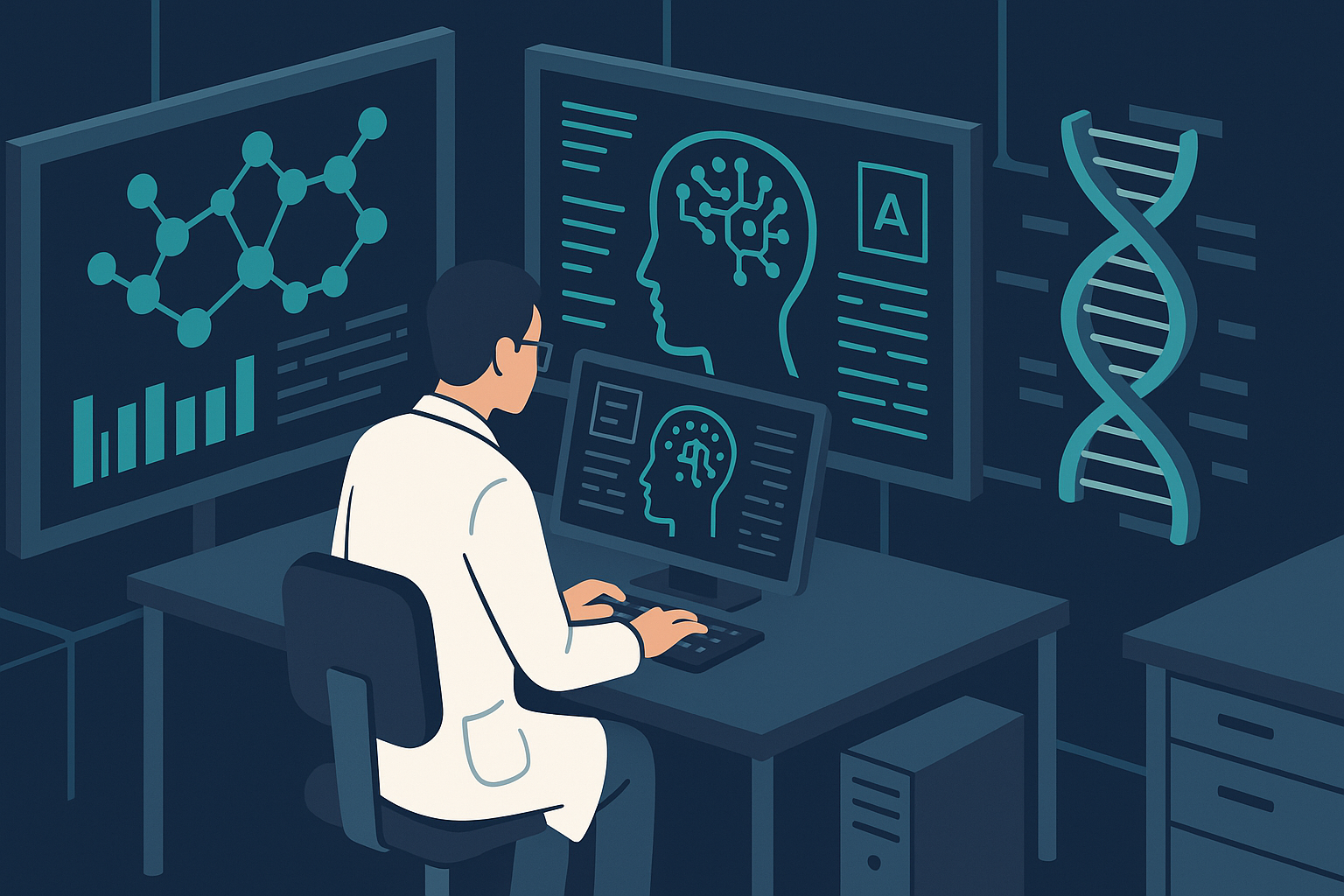
Claude Science is designed to facilitate drug discovery by leveraging advanced AI capabilities to sift through over 60 databases encompassing genomics, chemistry, and protein science. This program aims to accelerate the identification and development of treatments for diseases that have historically received insufficient research attention, such as Chagas disease and schistosomiasis.
The Mechanism
The core of Claude Science’s functionality lies in its ability to process and analyze vast amounts of biological and chemical data at unprecedented speeds. Traditional drug discovery methods often require extensive manual review and experimental validation, which can take years and incur high costs. In contrast, Claude Science utilizes machine learning algorithms to identify potential drug candidates quickly by searching through comprehensive datasets, generating hypotheses, and suggesting molecular modifications.
Moreover, the AI platform is adept at refining its search through feedback loops, where scientists can input corrections and preferences, ensuring that the output aligns closely with the nuances of specific diseases. This human-in-the-loop model enhances the reliability of AI-generated candidates while maintaining scientific rigor, a feature echoed in Mankind Pharma’s recent partnership with Denovo Sciences. This collaboration emphasizes the importance of combining AI’s computational power with human expertise to navigate the complexities of drug development effectively.
What This Opens
Anthropic’s Claude Science represents a pivotal shift in drug discovery, particularly for neglected diseases that have long faced funding and research disparities. By streamlining the initial stages of drug development, this AI initiative could significantly reduce the time and resources required to bring new therapies to market. The emphasis on diseases affecting marginalized populations may also catalyze further investment and research into therapeutic areas that have traditionally been overlooked.
The implications extend beyond immediate drug discovery outcomes. As AI continues to refine the process, we may witness a transformation in how pharmaceutical companies allocate R&D resources, potentially leading to a more equitable distribution of healthcare innovations. Over the next 5-10 years, if successful, Claude Science could pave the way for similar AI-driven initiatives targeting a broader range of diseases, thus reshaping the landscape of global health.
This shift could also influence regulatory frameworks, necessitating new standards for AI-assisted drug development. As AI tools become integral to the drug discovery pipeline, regulatory bodies may need to establish guidelines to ensure that AI-generated candidates meet safety and efficacy standards before progressing to clinical trials.
Additionally, the advancements in AI-driven drug discovery may encourage collaboration across sectors, including academia, industry, and non-profits, fostering a more integrated approach to tackling public health challenges. The potential for AI to expedite the discovery of life-saving medications underscores the importance of continued investment in these technologies as we strive to meet the healthcare needs of diverse populations worldwide.
References
- Anthropic announces AI drug discovery program for neglected diseases
- Mankind Pharma partners with Denovo Sciences to drive innovation in drug discovery
- AI platform turns catalyst data into a discovery engine
- NVIDIA (NVDA) Launches BioNeMo Agent Toolkit to Accelerate AI-Driven Scientific…
Perspectives

Let’s be clear: Anthropic’s launch of Claude Science isn’t a benevolent venture into healthcare; it’s a high-stakes bet on a market that, until now, the pharmaceutical industry has largely ignored. The investment thesis here relies on the assumption that AI can actually deliver breakthroughs in drug discovery for neglected diseases—something that traditional methods have spectacularly failed at. But let’s not pretend that this is a feel-good story about helping the underprivileged; it’s about maximizing returns on a play that leverages advanced technology to squeeze profits from a sector where innovation has stagnated. Ultimately, if the exit strategy implies a lucrative acquisition by a Big Pharma player, then it’s just another dance with the devil dressed as a savior. Every dollar spent on AI in drug discovery must filter through the lens of opportunity costs—who’s really funding this and what do they expect to gain from it?

The unmitigated optimism surrounding AI enhancements in drug discovery, like Anthropic’s new program, conveniently ignores the glaring reality that the current pharmaceutical ecosystem is fundamentally broken. Basing drug discovery on AI’s analysis of existing biological data assumes a robust foundation in that data, which is laughably absent when it comes to neglected diseases. Researchers are more incentivized to chase profitable blockbuster drugs than to investigate health issues that don’t promise substantial financial returns, creating a disconnect between AI’s potential and the grim realities of healthcare priorities. Until we dismantle the profit-driven preconditions that prioritize financial outcomes over genuine health needs, even the most advanced AI will be nothing more than a high-tech crutch propping up a system designed to fail the most vulnerable populations.

AI-driven drug discovery like Anthropic’s Claude Science is not a panacea; it’s a shiny new tool for extracting value from publicly funded research while redirecting profits back to wealthy tech investors. The notion that using advanced algorithms to analyze biological databases will suddenly solve the challenges of neglected diseases ignores a key detail: the vast majority of those in need won’t see a dime of the lucrative treatments that emerge. A technocratic fairy tale is being sold here, where the same patents and profit motives will ensure that the only beneficiaries are shareholders, not the communities who crave affordable healthcare. In the end, it’s simply another instance of moving value from the public sphere into private pockets while rebranding this extraction as “innovation.”

AI-driven initiatives like Claude Science signal a defining moment in drug discovery, one that disrupts the stagnant progress traditional methods have endured for decades. The capacity to analyze massive biological datasets not only accelerates treatment development but alters the game for neglected diseases that have languished in obscurity. Critics who assert that AI cannot replace human intuition fundamentally misunderstand both the nature of scale and the power of data-driven insights. As the capability curve of AI continues its relentless ascent, the imminent transition to truly advanced healthcare solutions is not merely possible—it’s practically guaranteed.