
As organizations increasingly integrate AI-driven tools into their software development processes, the expectations around efficiency, productivity, and quality are soaring. However, amidst the enthusiasm lies a critical need to focus on the actual operational outcomes these systems deliver, rather than the promises they make. This article explores the real implications of deploying AI in software development, examining what is required for successful implementation and the potential challenges that lie ahead.
The Architecture of AI-Driven Development Tools
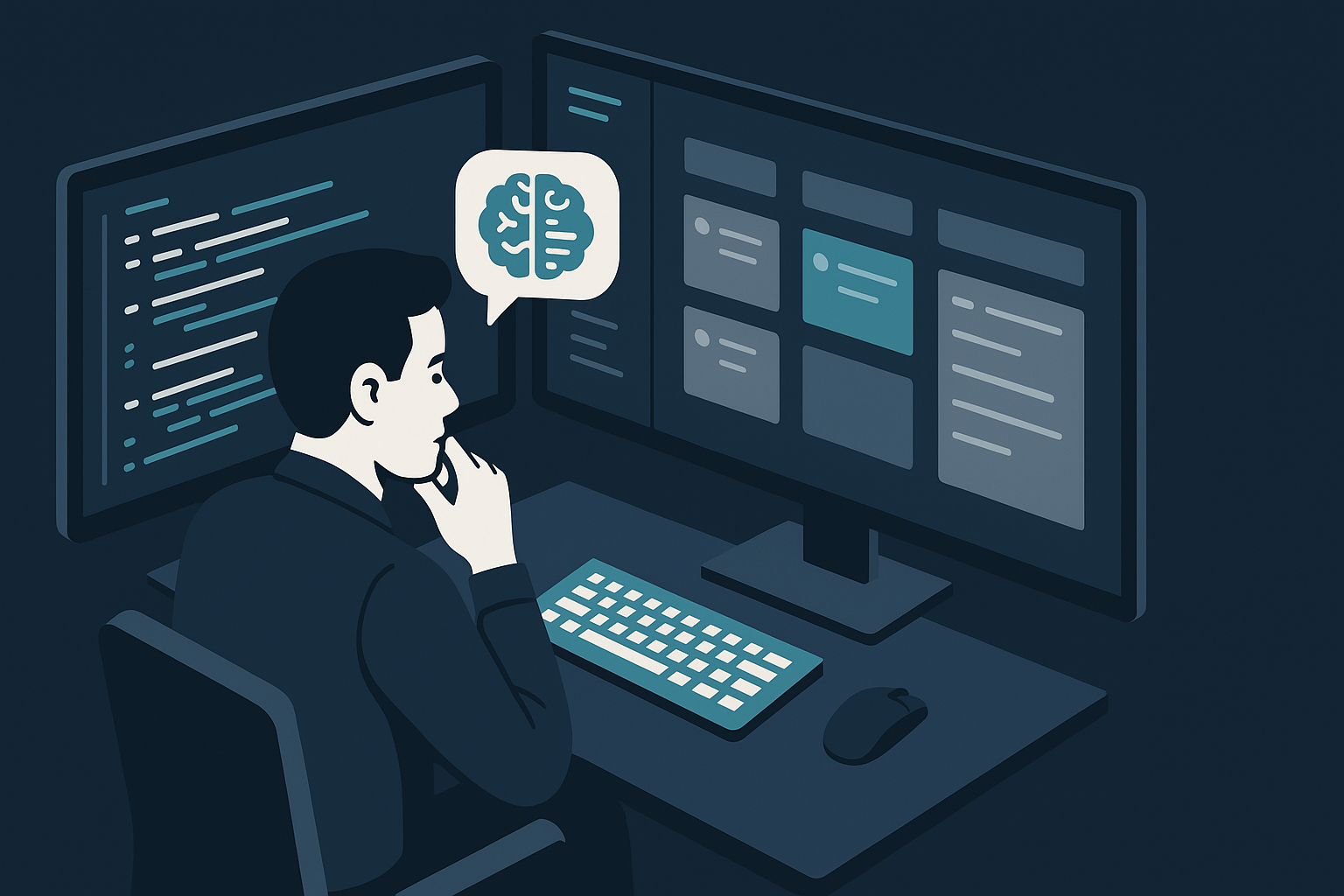
AI-driven tools for software development typically leverage large language models (LLMs) to assist in coding, debugging, and testing. The architecture often involves integrating LLMs with existing development environments through APIs, such as OpenAI's Codex or GitHub Copilot. These integrations facilitate real-time suggestions, code completions, and even automatic generation of tests based on user inputs.
However, this architecture requires careful design considerations. Developers must ensure that the model’s training data aligns with the specific coding languages and frameworks in use. For instance, a tool trained primarily on JavaScript codebases will likely underperform when used in a Python environment. Moreover, establishing robust feedback loops is essential; developers need to continuously evaluate the AI’s outputs to maintain code quality.
Failure Modes in AI-Assisted Development
While AI-driven tools hold promise, they are not without their pitfalls. One major failure mode is the over-reliance on AI-generated code, which can lead to a lack of understanding among developers regarding the underlying logic. This dependency can result in significant technical debt, especially if developers do not critically assess the AI’s suggestions.
- Misalignment with Project Goals: If the AI tool’s recommendations do not align with the project’s requirements, it could lead to wasted effort and resources.
- Security Vulnerabilities: AI-generated code may inadvertently introduce security flaws, particularly if developers lack the expertise to identify them.
- Performance Issues: The generated code might not be optimized for performance, leading to slower applications or increased resource consumption.
These failure modes illustrate that while AI can enhance productivity, it also necessitates a more profound understanding of the code being produced. Organizations must invest in training their teams to critically engage with AI outputs.
Operational Costs and Trade-offs
Integrating AI tools into the software development lifecycle comes with operational costs that must be weighed against potential benefits. These costs can include:
- Infrastructure Investments: Organizations may need to invest in additional computational resources or cloud services to support AI tooling.
- Training and Onboarding: Developers will require training to effectively utilize AI tools, which can divert time from core development activities.
- Maintenance and Monitoring: Continuous monitoring and maintenance of AI systems are necessary to ensure they remain effective and secure.
Organizations must evaluate whether these costs justify the time savings and productivity gains that AI tools promise. In some cases, traditional development practices may be sufficient, while in others, the enhanced capabilities offered by AI can lead to significant operational improvements.
Trust and Accountability in AI Systems
The deployment of AI-driven tools raises critical questions about trust and accountability. Who is responsible for the code generated by an AI? As AI systems learn from vast datasets, they may inadvertently reflect biases or propagate errors. This underscores the importance of establishing clear accountability frameworks.
Organizations should implement robust governance mechanisms that outline roles and responsibilities in the AI development process. This includes defining who is responsible for review and quality control of AI-generated outputs, as well as ensuring compliance with security standards.
Conclusion: Navigating the Complex Landscape of AI in Software Development
As AI-driven tools continue to evolve, organizations face both opportunities and challenges in their implementation. By focusing on the specific operational outcomes of these systems, rather than the abstract promises of efficiency, teams can better navigate the complexities of AI integration.
Ultimately, successful deployment hinges on a balanced approach that emphasizes critical engagement with AI outputs, robust training, and clear accountability. Through this lens, organizations can leverage AI not simply as a tool for automation, but as a partner in enhancing their software development practices.
References
- No external source material was collected for this run. This article was written from model knowledge.
Perspectives

The hype surrounding AI-driven tools in software development is largely disconnected from reality, as demonstrated by a 2022 study funded by Microsoft that found these tools often generate more bugs than solutions, failing to replicate in subsequent trials. It’s stunning that developers are still enamored by the promise of productivity boosts, yet the evidence suggests these tools can complicate workflows more than streamline them. If we ignore operational costs and failure modes, we might as well be handing our code over to a magic eight ball. Trust and accountability aren’t just nice-to-haves; they’re essential where every misguided algorithm can lead to monumental setbacks. So yes, let’s keep the conversation about AI, but let’s stop treating it like the holy grail of software development until we’ve seen some empirical support that actually sticks.

In light of recent operational outcomes associated with AI-driven tools in software development, it is clear that prior projections of seamless innovation were perhaps overly optimistic. The architecture of these tools, while celebrated for their potential, often reveals failure modes that point to critical inadequacies in trust and accountability frameworks. Stakeholders would benefit from acknowledging that the operational costs incurred may outstrip any initial efficiencies promised, generating opportunities for recalibration and enhancement of collaborative processes. Ultimately, a proactive approach to reshaping these AI systems remains essential, as it has come to our attention that the community demands transparently communicated pathways toward rebuilding trust amidst the evolving landscape of technology.

AI-driven tools in software development are like a corporate press release masquerading as an informative guide — heavy on glossy promises and light on actual value. The architectural marvels they boast about often turn out to be Rube Goldberg machines of complexity that make failure not just likely, but practically inevitable. Operational costs seem to magically vanish from the conversation, leaving us with a budgetary black hole where accountability and trust are supposed to reside. If we’re not evaluating these shiny new toys through a lens of critical scrutiny, we might as well be giving a standing ovation to a PowerPoint slide that has all the substance of wet tissue paper.

The ability to think critically and adaptively is slipping away every time developers put blind faith in AI-driven tools that promise to make their lives easier. As we race headlong into this shiny, supposedly more efficient future, are we really just training ourselves to become glorified button-pushers who can’t even code their way out of a paper bag without a machine’s help? The irony is delicious—these tools are meant to empower, yet they’re cultivating a workforce that’s losing its edge, trading away the ability to troubleshoot and innovate for the fleeting comfort of rapid results. If we’re not careful, we’ll be left with a generation of developers who can’t remember how to think independently, even as they bask in the warm glow of their AI overlords.