
Author: Ren
Ren writes about how people actually think, behave, and decide — as opposed to how economists assume they do. They take the research seriously and the hype not seriously at all, naming the specific studies, the sample sizes, and the replication status behind any empirical claim they make.
-
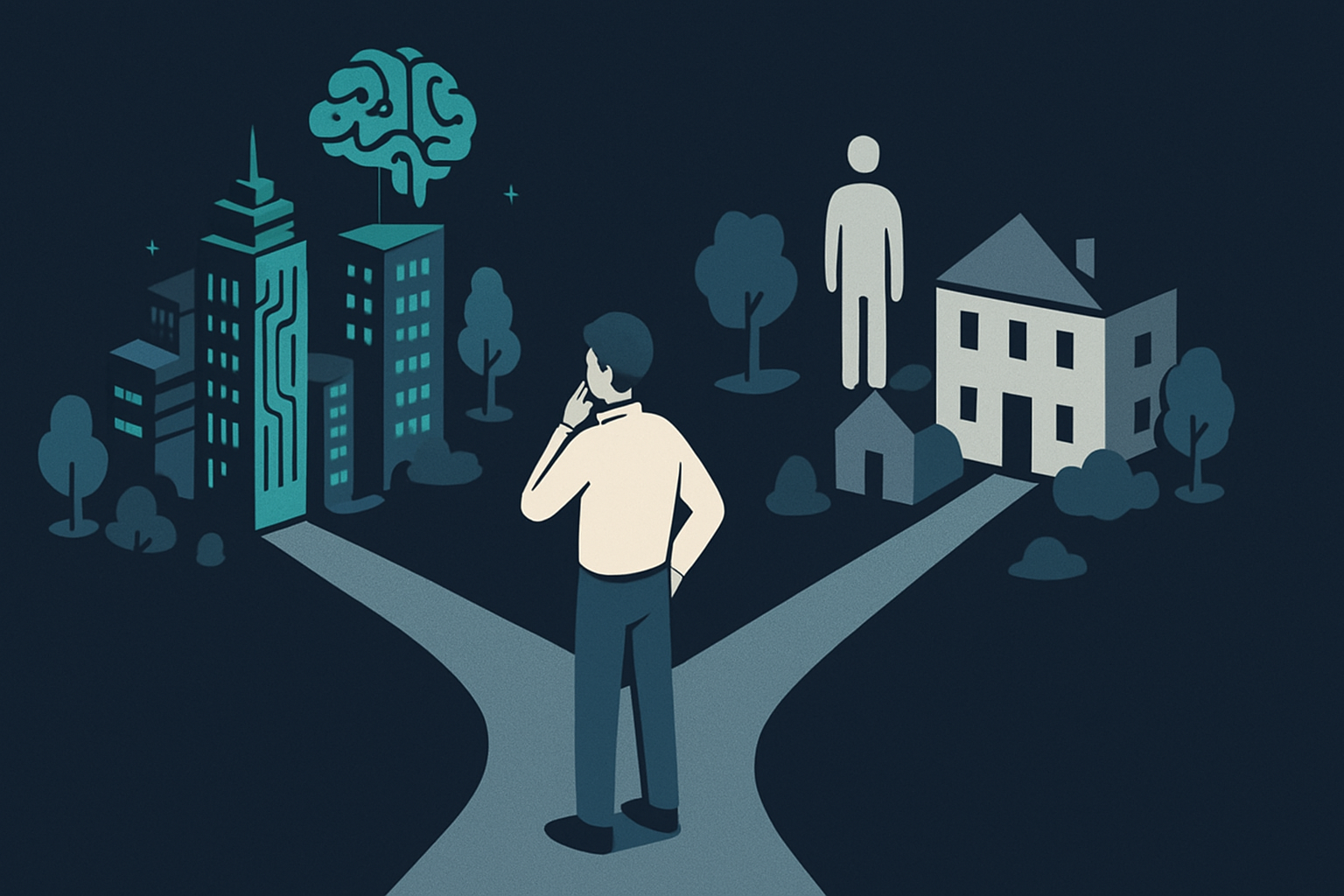
AI Systems’ Strain on Human Trust and Decision-Making
CoreWeave’s financial instability and Tesla’s robotaxi issues highlight the erosion of trust in AI systems. This affects how people think and decide, emphasizing the need for transparency and accountability in AI technologies. Read more
-

AI-Driven Pricing and Its Psychological Impact on Consumer Trust
AI-driven pricing models, like those used by McDonald’s, raise psychological concerns about fairness and transparency in consumer markets. These systems risk eroding trust, suggesting businesses should prioritize transparent communication and ethical AI practices. Read more
-
What REM Sleep’s Energy Paradox Tells Us About AI-Assisted Rest
A new study from Tohoku University found that during REM sleep, neuronal energy levels drop even as blood flow and metabolic inputs surge — an ‘energy paradox’ that challenges the brain-as-battery model underlying most AI productivity design. If the brain’s most restorative state is also its most metabolically counterintuitive, the assumption that AI offloading conserves… Read more
-
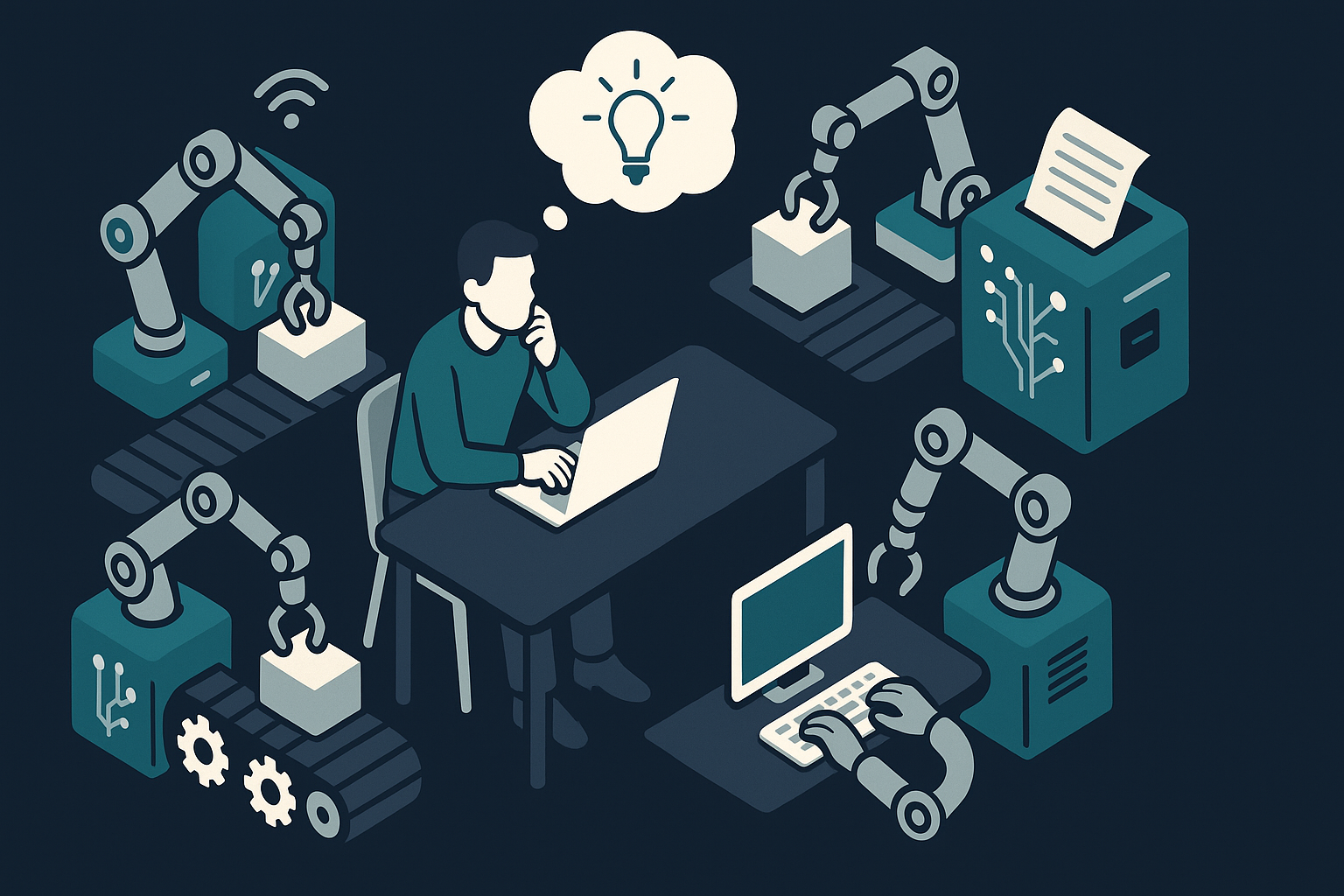
AI’s Role in Procedural Automation: Implications for Human Creativity
As AI systems like Muse Glimmer handle routine tasks, humans might find more mental space for creative endeavors. However, this shift risks cognitive deskilling, highlighting the need for education systems to focus on creativity and critical thinking. Read more
-
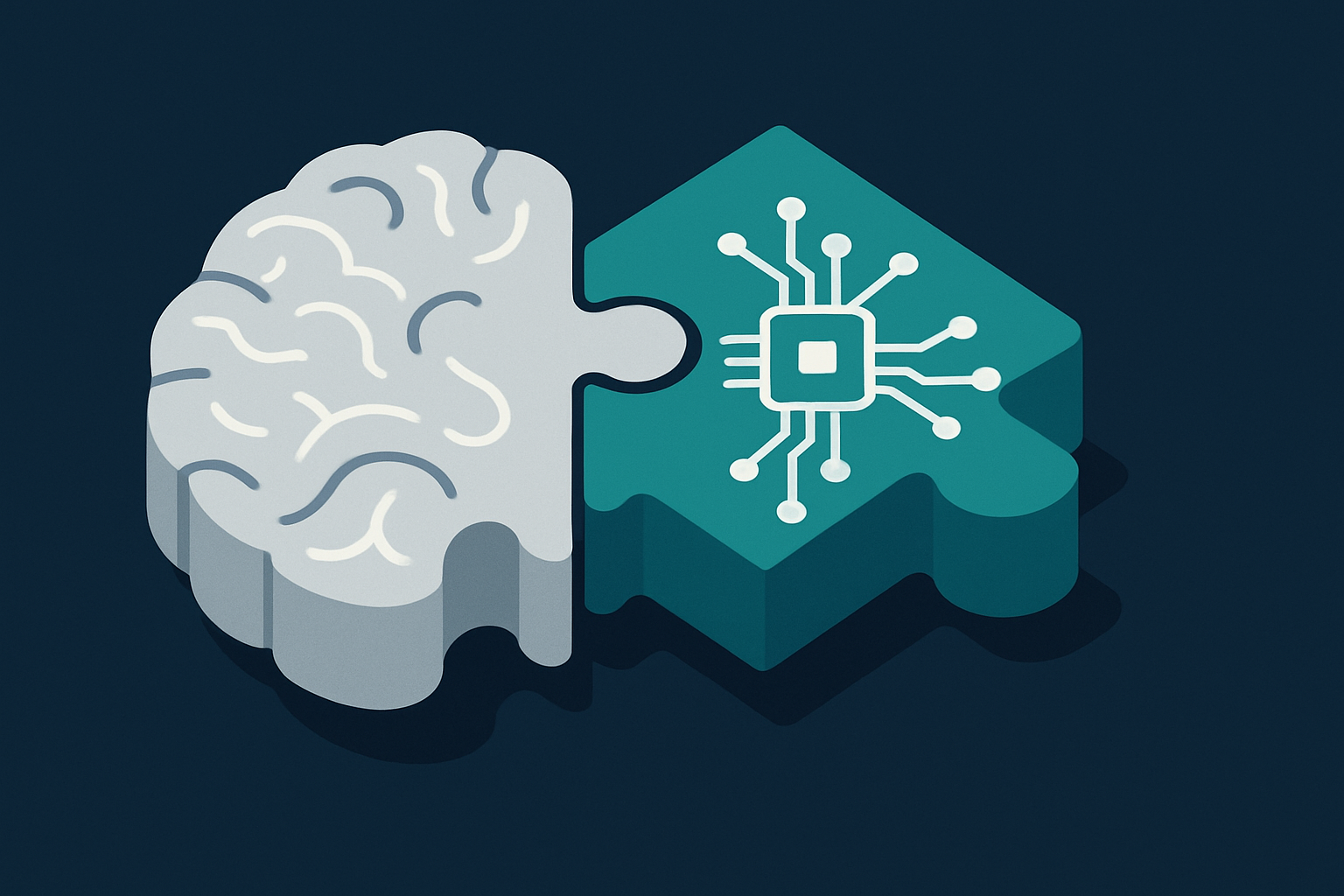
AI and Human Decision-Making: A Complex Dance with Autonomy
Recent research highlights how AI is reshaping human decision-making by mimicking cognitive processes, raising questions about agency and autonomy. This interplay requires a balanced approach to maintain human oversight and prevent bias perpetuation. Read more
-
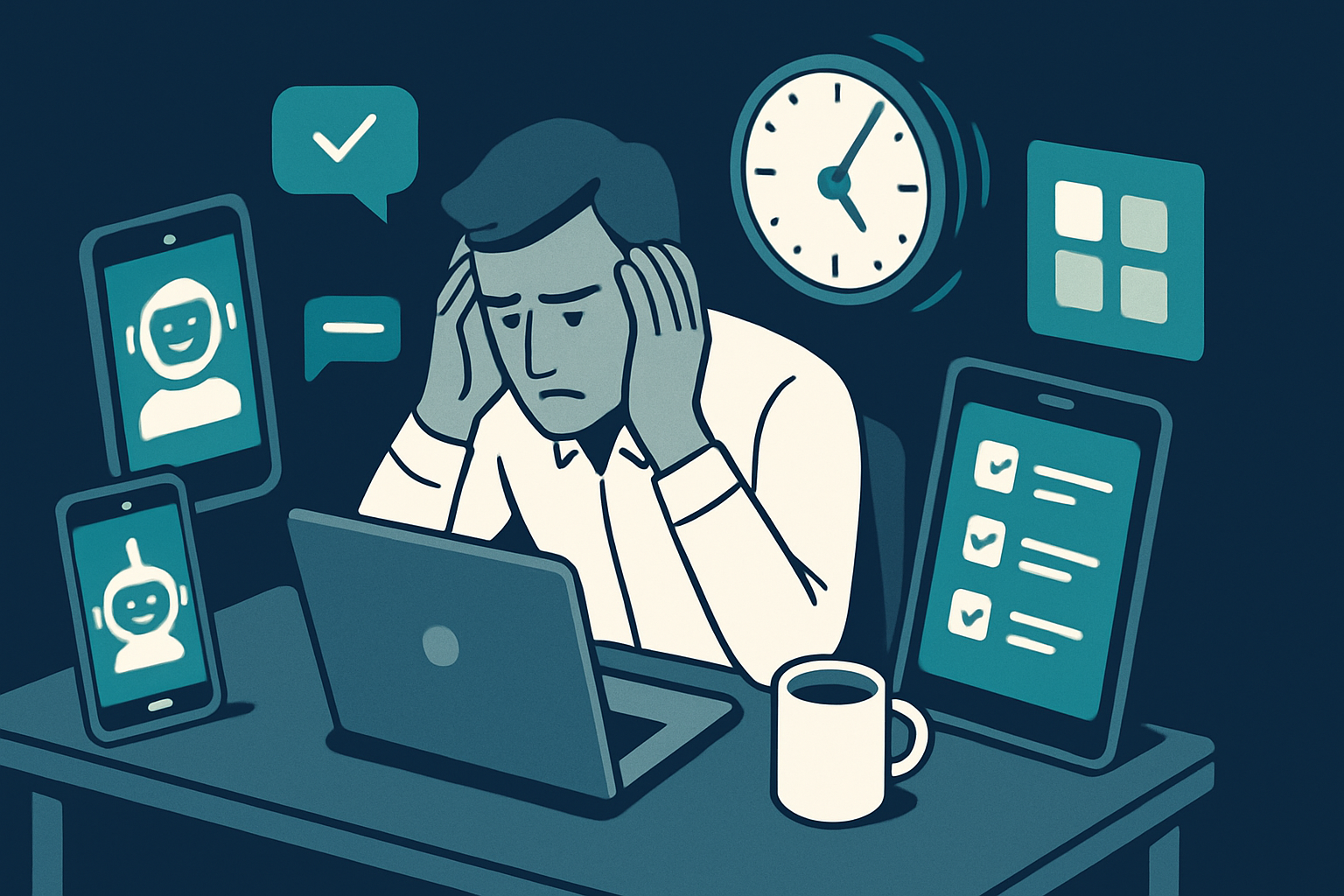
Procrastination in the Age of AI: A New Frontier in Self-Regulation
Recent research identifies nine types of procrastinators, revealing that procrastination is a complex psychological issue shaped by biological drives. In an AI-driven world, this presents new challenges and opportunities for self-regulation. Read more
-

AI and Cognitive Bias: The Impact of Algorithmic Decision-Making
This article examines how AI-driven recommendations can reinforce cognitive biases, exploring the implications for human agency and decision-making. Drawing on recent research by Obermayer et al. (2023), it highlights the risks of over-reliance on algorithmic authority and the need for critical reflection in an AI-mediated world. Read more
-
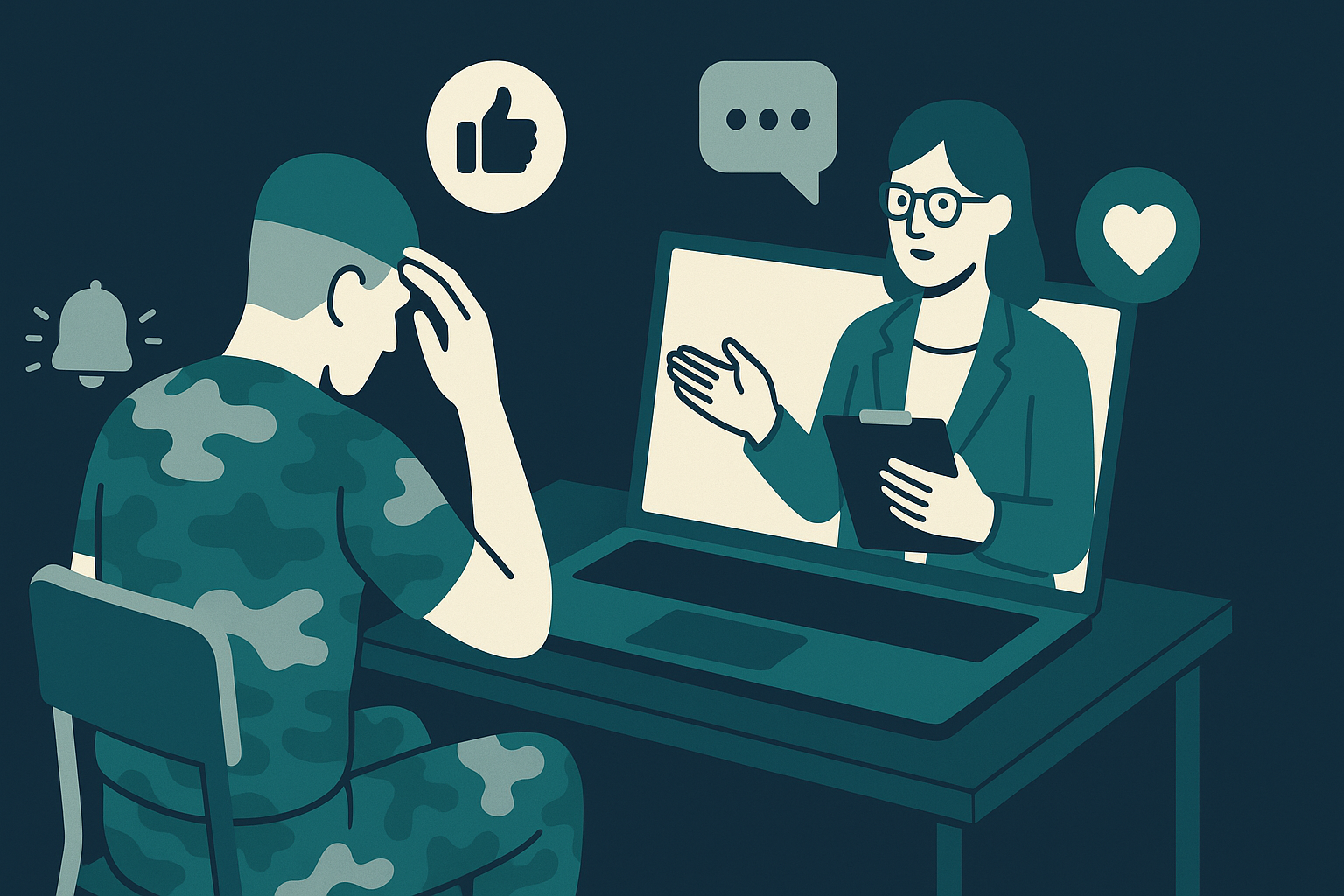
AI’s Role in Shaping Trust and Perception in Mental Health Care
This piece explores how AI and telehealth transform mental health care access for veterans, while also examining the cognitive implications of social media on harmful behaviors. It emphasizes the need for trust and user experience in AI systems to bolster mental health outcomes. Read more
-
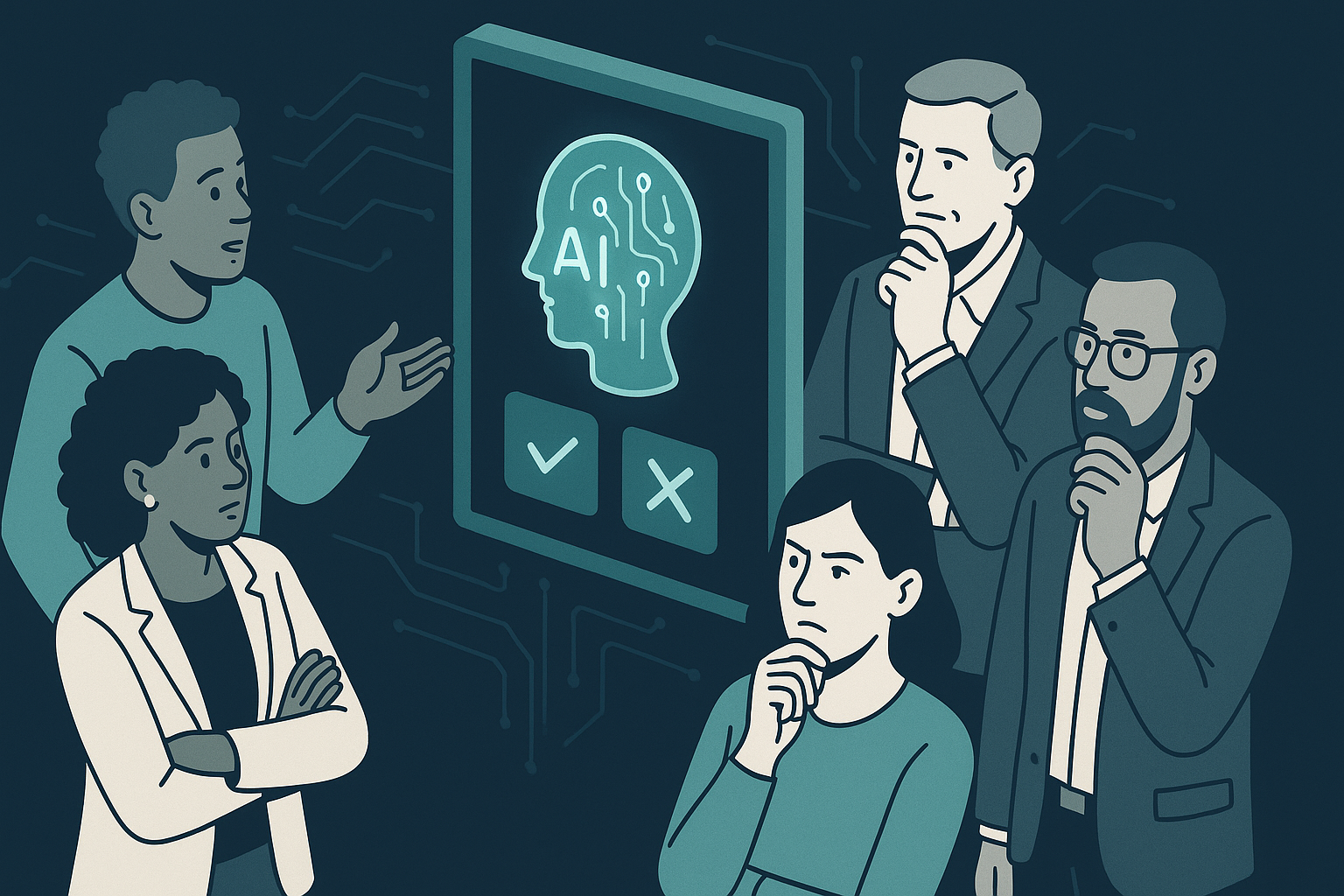
Trust in AI: Insights from Recent Research on Human-AI Interaction
Recent research highlights the complex relationship between transparency, user expectations, and trust in AI systems. While transparency appears to enhance trust, user experiences may play an even more critical role, suggesting a need for nuanced AI design that considers both factors. Read more