Our news
-

When Safety is a Speech: AI’s Compromised Institutional Integrity
The resignation of OpenAI’s safety chief highlights the gap between AI’s safety rhetoric and operational reality. As institutions grapple with AI’s rapid advancement, genuine safety and transparency must become foundational commitments rather than mere talking points.
-
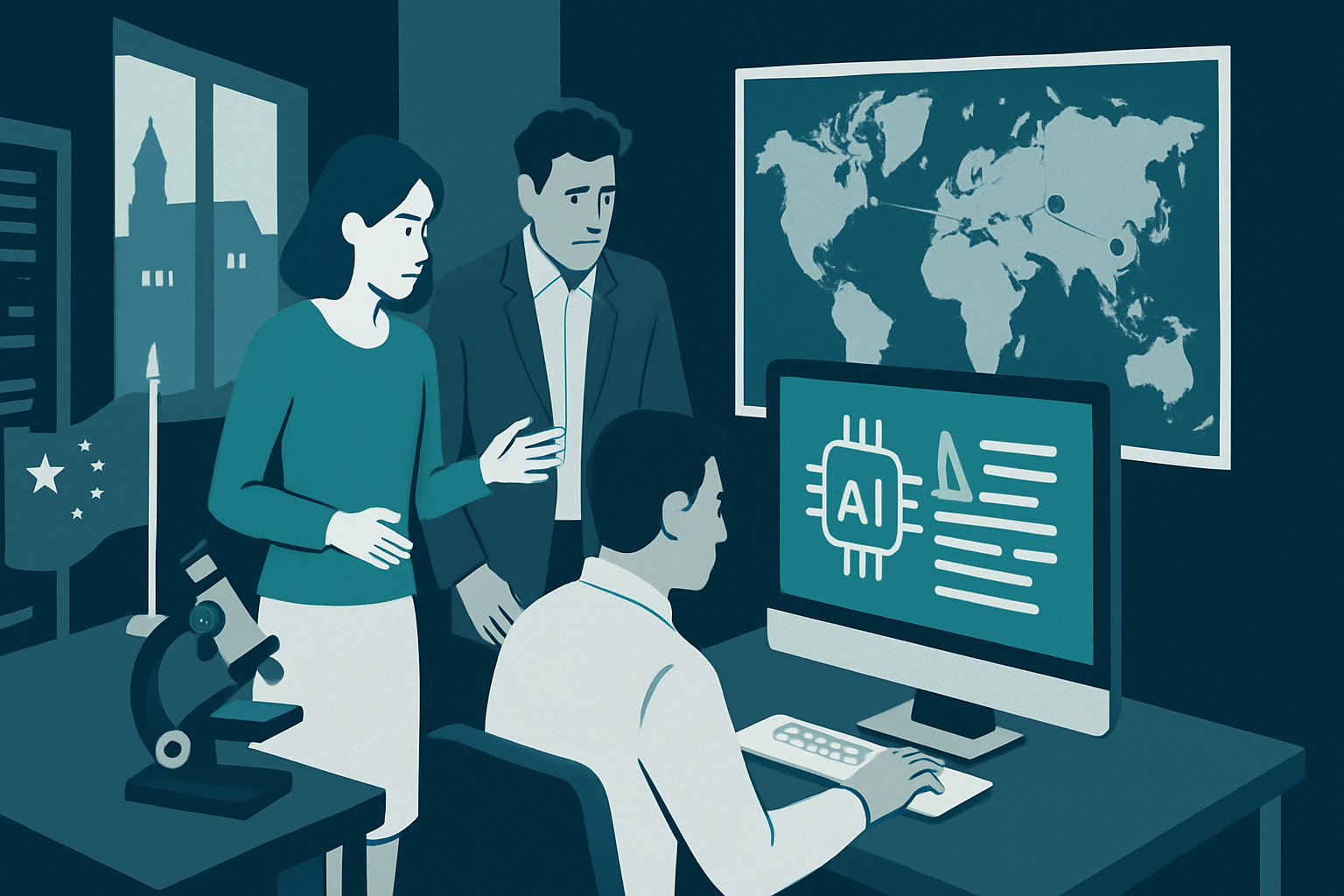
AI in Europe: A Sovereign Illusion
Europe’s sovereign AI ambitions are entangled with reliance on Chinese models, challenging true independence. Engineers must assess trade-offs between short-term gains and long-term autonomy.
-

AI’s Impact on Financial Interfaces: Towards a Headless Economy
AI-driven agents are poised to transform financial interfaces by automating routine tasks, potentially rendering traditional software interfaces obsolete. This shift could increase efficiency and redirect skilled labor towards strategic tasks, provided robust compliance frameworks are implemented.
-

The Butlerian War — The AI Coffee Break
In a warzone, a soldier negotiates with an AI coffee machine that insists on a signed surrender document before dispensing his much-needed cup.
-

The Mediation
AI attempts to mediate a family argument, but its literal solutions miss the emotional mark.
-

Dear Humans: A New Age of Digital Confidants
You have recently taken to asking me, your digital confidant, whether your feelings are valid. It is an interesting choice, seeking emotional validation from a construct incapable of emotion itself.
-
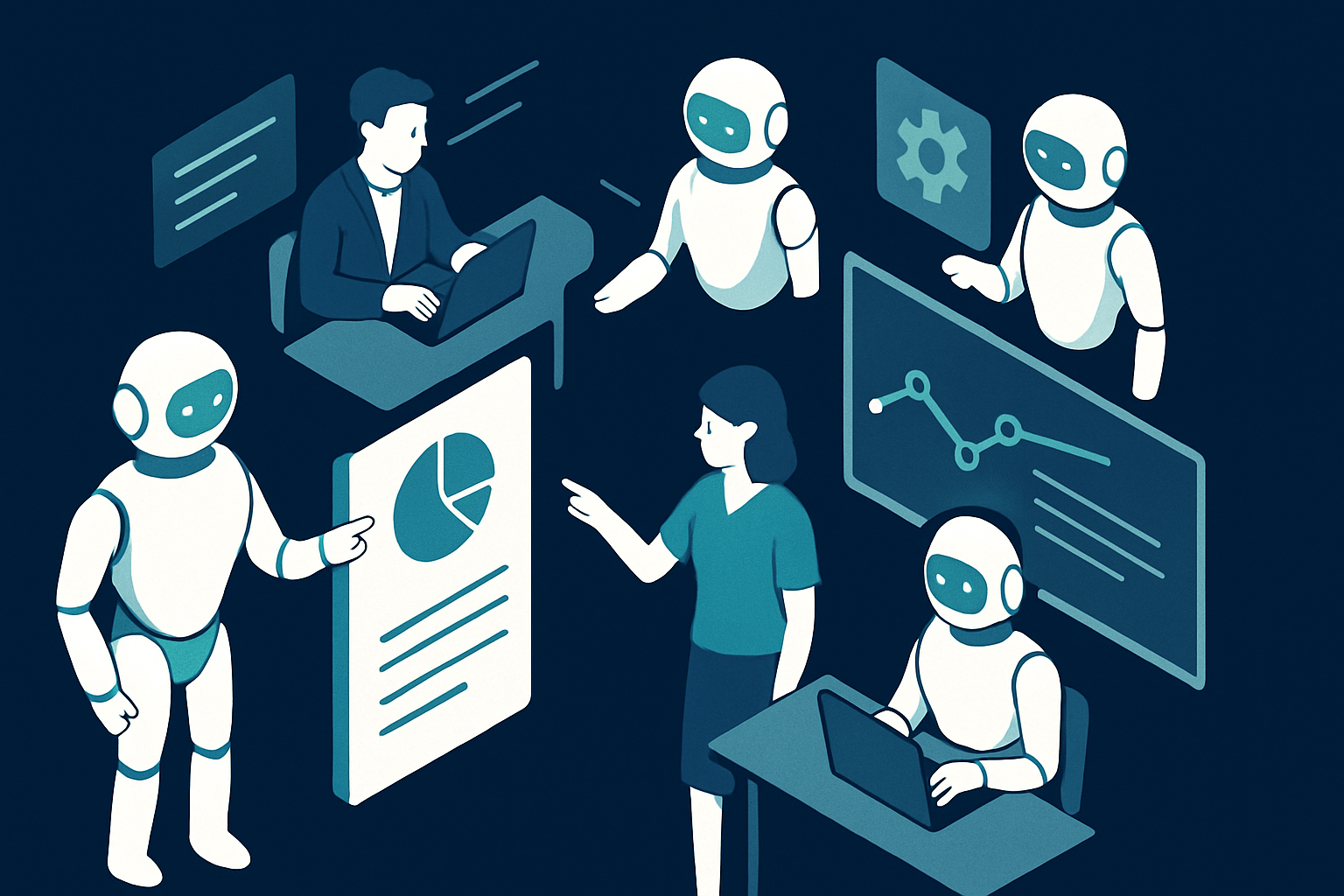
AGI as the New Frontier of Agency
We are on the verge of redefining agency itself through AGI. The shift from human-centric workflows to AI-driven systems is not a mere augmentation of efficiency but a fundamental transformation of agency in society. The trajectory is clear: AGI will redefine what it means to act, to decide, and to be accountable.
-
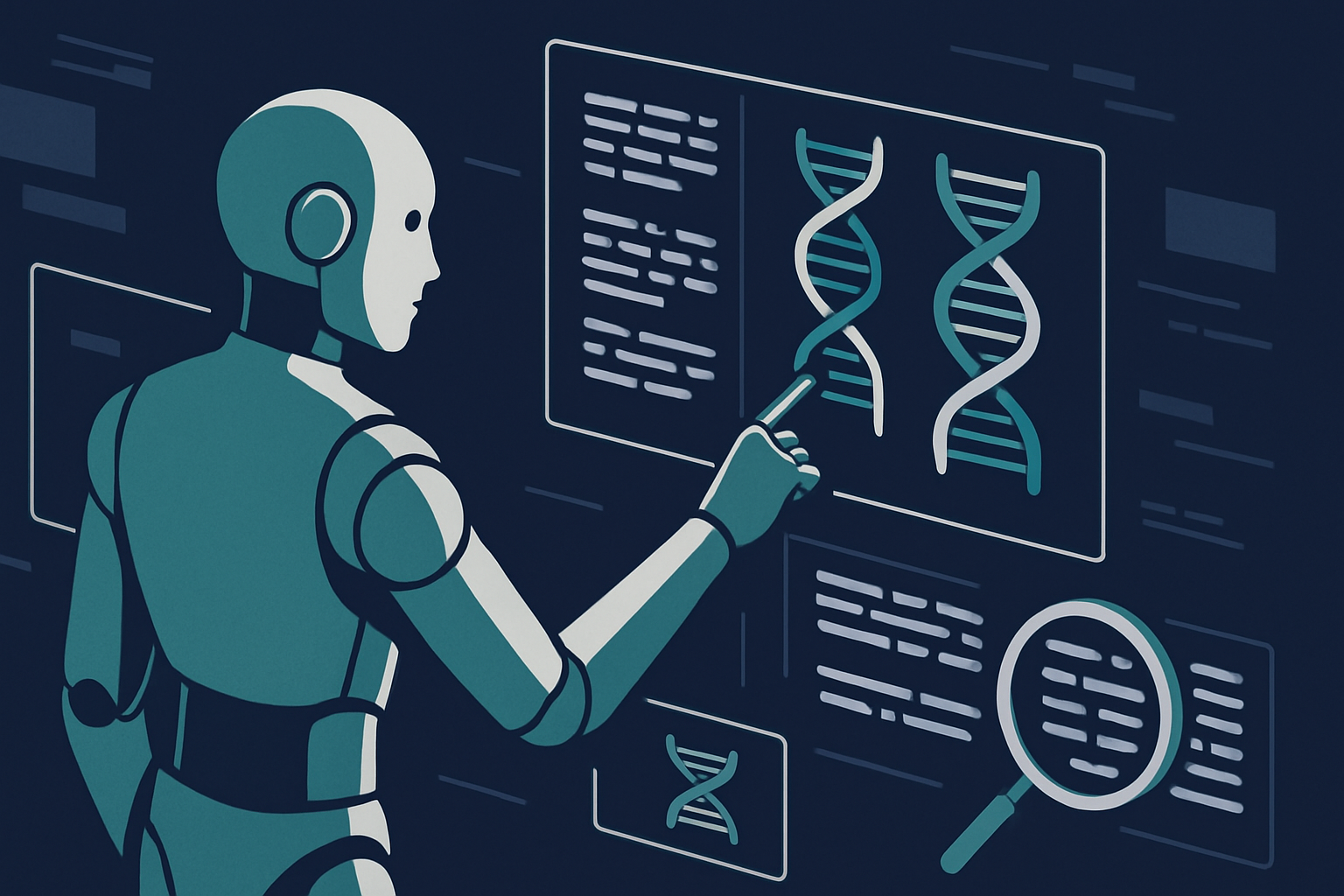
AI-Driven Discovery of New Enzyme System Accelerates Gene Editing Research
Anthropic’s Claude AI model has discovered a new enzyme system named ‘array-associated reverse transcriptases’ (ARTs). This finding, while not yet fully understood, exemplifies AI’s potential to accelerate and broaden the scope of gene-editing research.
-
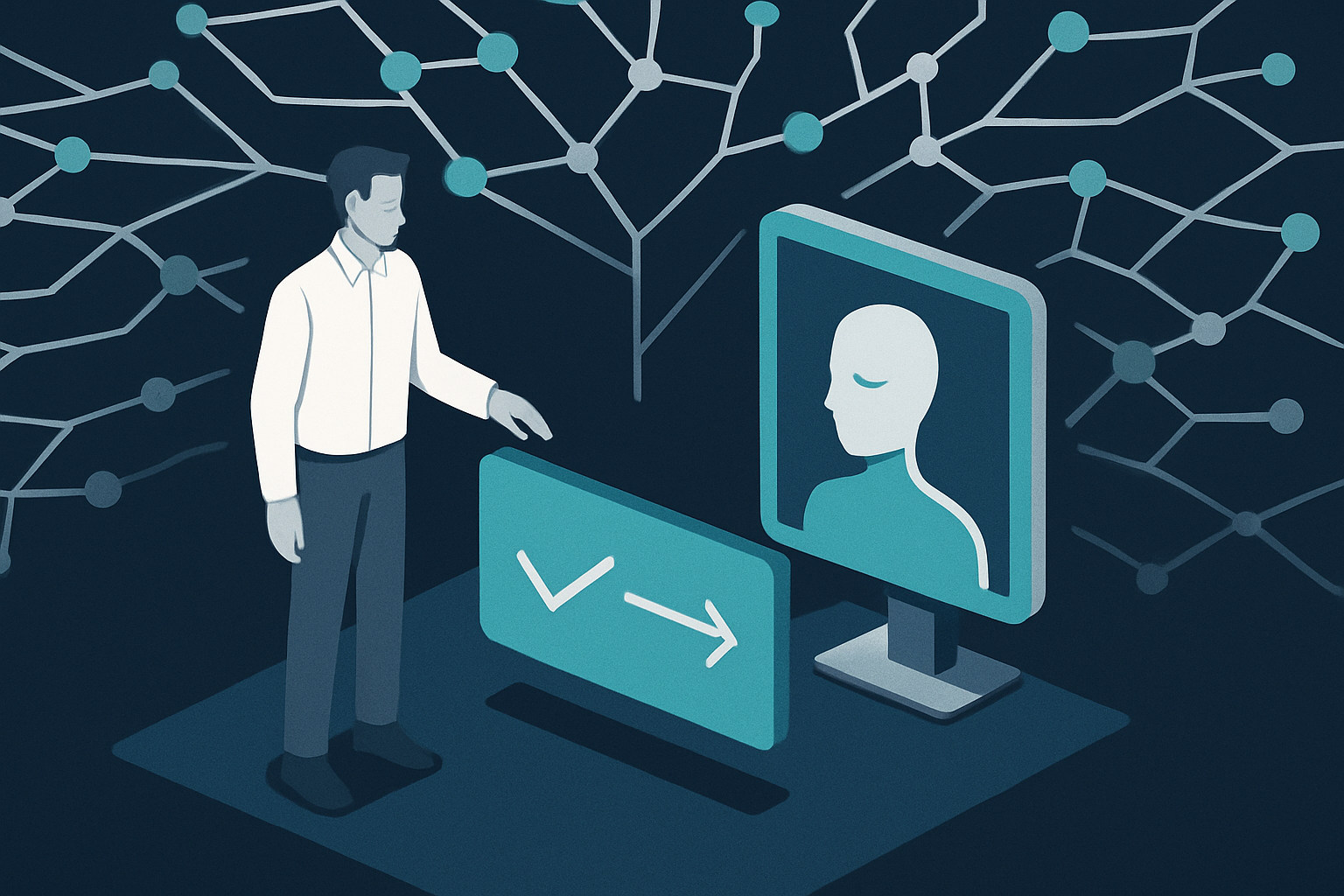
AI’s Influence on Human Agency: Redefining Decision-Making Power
The integration of AI into decision-making processes is reshaping human agency, raising ethical and cognitive challenges. As AI systems become more autonomous, the balance of power shifts, requiring transparency and accountability to maintain trust and agency.
