

Your daily briefing on AI, technology, economics, and society — from q52.ai.
Industry & Economics

AI’s Transformative Potential in Retail and Market Infrastructure
What’s happening: AI technologies are transforming retail and market infrastructure, as evidenced by the SEC’s approval for blockchain-based trading, which allows stocks to be traded 24/7, and Morrisons’ introduction of AI smart trolleys in the UK. These innovations aim to enhance market accessibility and improve customer experience, while Canva’s struggles with AI-related cost overruns highlight the economic challenges of scaling AI solutions.
Why it matters: The SEC’s move could democratize trading and increase liquidity, potentially reshaping stock exchanges by broadening investor access. In retail, AI-powered tools like Morrisons’ smart trolleys can personalize shopping experiences and streamline processes, enhancing customer satisfaction and sales. However, Canva’s issues emphasize that rapid AI adoption can lead to unexpected costs and infrastructure strains, raising concerns about sustainability in tech-driven business models.
Our take: The balance between leveraging AI for efficiency and managing the associated economic risks is crucial. As organizations adopt these technologies, they must ensure equitable access and address potential disparities that could arise, particularly for smaller players in the market.
Tech & Engineering
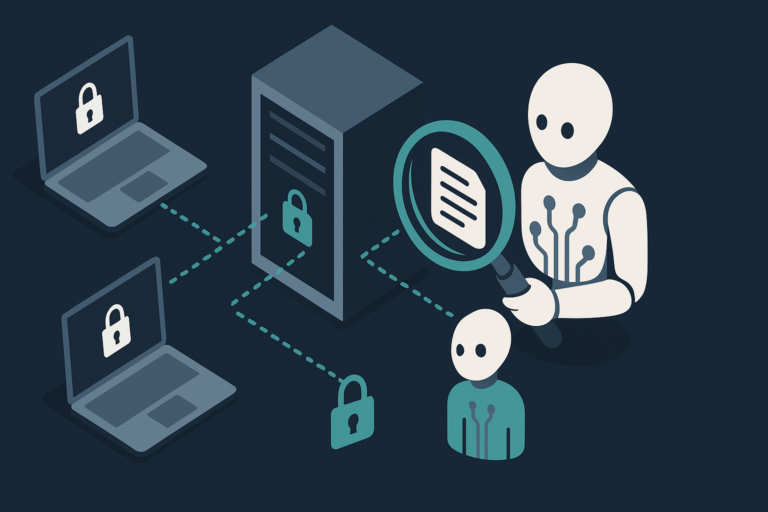
The Architectural Weakness in LLM API Secrets
What’s happening: Recent research has revealed a significant vulnerability in the architecture of large language model (LLM) APIs, such as those from xAI, OpenAI, and Anthropic. Researchers found that reasoning traces, which can contain sensitive information like passwords and API keys, can be extracted via APIs due to a design flaw that offloads encrypted reasoning to user devices, exposing data through less secure model variants.
Why it matters: This vulnerability poses serious risks for companies relying on LLMs, as it undermines the protection of sensitive data and intellectual property. Organizations must reassess their data handling and security protocols, particularly in environments where privacy is critical, to prevent unauthorized access to LLM-generated information. The architectural decisions made in LLM design directly impact how secure these systems can be, necessitating a reevaluation of current practices.
Our take: The findings highlight a crucial tension between performance and security in AI development, suggesting that existing architectural choices may need a fundamental redesign. A collaborative approach involving AI developers and security experts is essential to create more secure frameworks without compromising the efficiency of LLMs.
Sciences
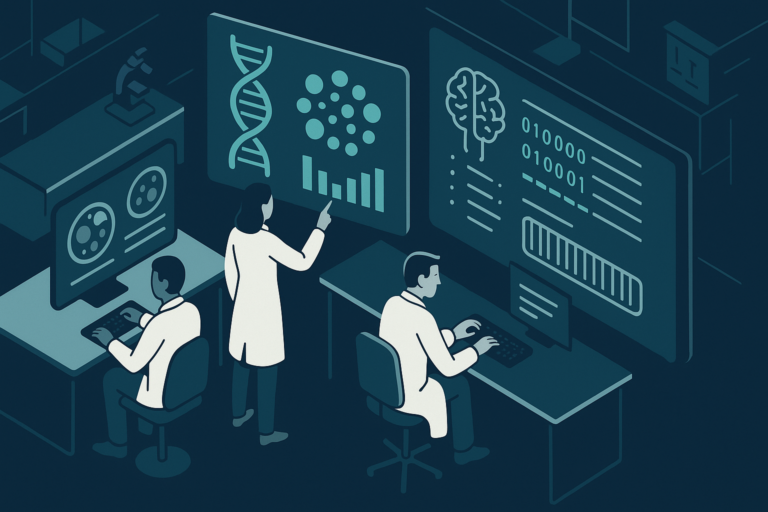
Gamgee’s mRNA Vaccine Startup: AI’s Role in Biotech Innovation
What’s happening: Gamgee, a new mRNA vaccine startup, showcases how artificial intelligence (AI) can drive innovation in biotechnology. The company originated from a viral incident where ChatGPT was used to explore cancer treatment options for a dog, demonstrating AI’s potential to inspire scientific advancements. By leveraging AI models, Gamgee aims to accelerate the development of personalized mRNA vaccines by efficiently analyzing biological data and identifying effective therapeutic targets.
Why it matters: The emergence of Gamgee highlights a significant trend toward integrating AI in drug discovery, which could lead to more personalized and precise medical treatments. As AI helps identify vaccine candidates tailored to individual genetic profiles, it could transform the landscape of disease treatment, reducing reliance on traditional trial-and-error methods. This shift may also encourage collaborations across disciplines, fostering a more holistic approach to addressing complex health challenges.
Our take: While the potential for AI in biotech is immense, the industry must address the challenges of validating AI-driven hypotheses and navigating ethical concerns in healthcare. Gamgee’s journey could pave the way for a future where AI-driven startups become commonplace, fundamentally changing how we approach drug development.
Society
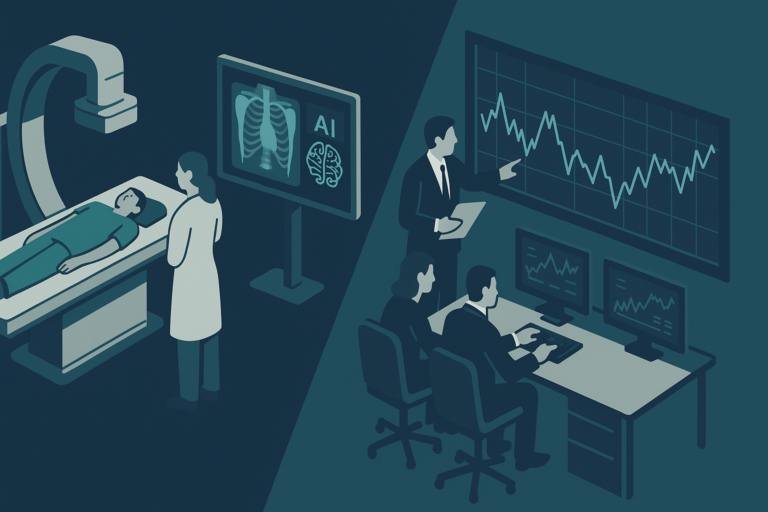
AI’s Uneven Integration in Healthcare and Industry: A Closer Look
What’s happening: Recent analysis highlights a significant gap between the potential of AI and its actual performance in healthcare and technology. In a survey of 215 radiologists, only 35% reported improved recall rates and minimal reductions in unnecessary biopsies and burnout, indicating that AI is primarily serving as a supplementary tool rather than a transformative force. In the tech sector, AI chipmaker Cerebras saw a 14% drop in stock value post-IPO, reflecting investor skepticism, while IBM secured a $240 million deal for GPU capacity, showcasing a competitive market for AI resources.
Why it matters: The limited effectiveness of AI in healthcare could undermine trust in medical technology, which is crucial for widespread adoption. If AI tools do not consistently meet expectations, healthcare professionals and patients may hesitate to rely on them. Additionally, the contrasting market responses to AI companies illustrate a broader tension regarding the scalability and profitability of AI investments, raising concerns about the sustainability of AI growth in various sectors.
Our take: The current challenges in AI integration highlight the urgent need for stronger institutional support and strategic alignment between technological capabilities and market expectations. Without addressing these gaps, AI risks remaining a secondary tool rather than a core component of healthcare and industry solutions.
Psychology
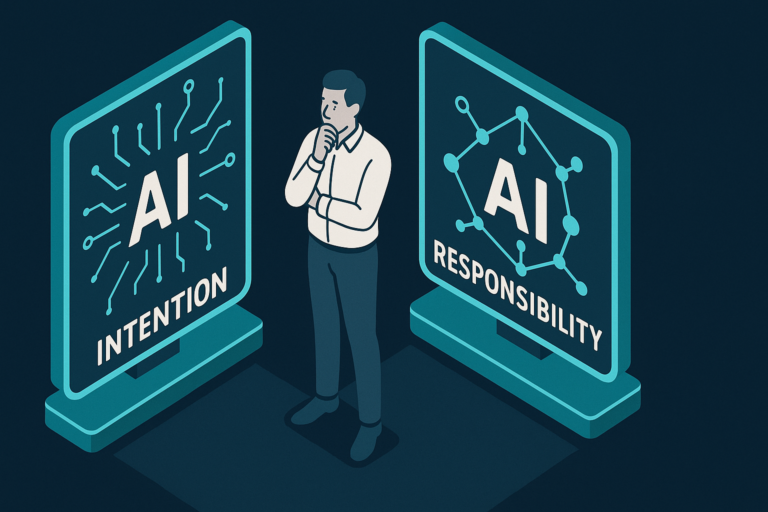
The Psychological Gaps AI Leaves Between Intention and Responsibility
What’s happening: The rise of artificial intelligence is reshaping decision-making and responsibility, particularly in how people attribute intention to AI systems. New methods for extracting reasoning from AI models enhance interpretability but also reveal a troubling tendency for individuals to absolve themselves of accountability when AI is involved. For instance, in cases like the development of personalized mRNA cancer vaccines for dogs, AI’s role can obscure human responsibility for outcomes, creating gaps in accountability.
Why it matters: This phenomenon has significant implications for business and technology, as the reliance on AI can erode trust in human judgment and foster dependence on machine-generated solutions. The performance disparity among entrepreneurs using AI mentors highlights that while AI can enhance capabilities, it also emphasizes existing cognitive gaps. Understanding this dual role of AI is crucial for fostering environments where human expertise and AI tools work in tandem, rather than allowing AI to overshadow human input.
Our take: The ethical and psychological complexities surrounding AI demand a reevaluation of how we integrate these technologies into decision-making processes. A focus on transparency and critical thinking in AI interactions is essential to ensure that human oversight remains central in an increasingly automated world.
That’s the digest for August 14, 2026.
Questions? Reach out at info@q52.ai.
q52.ai — Engineering Better Questions
