
Your daily briefing on AI, technology, economics, and society — from q52.ai.
Industry & Economics
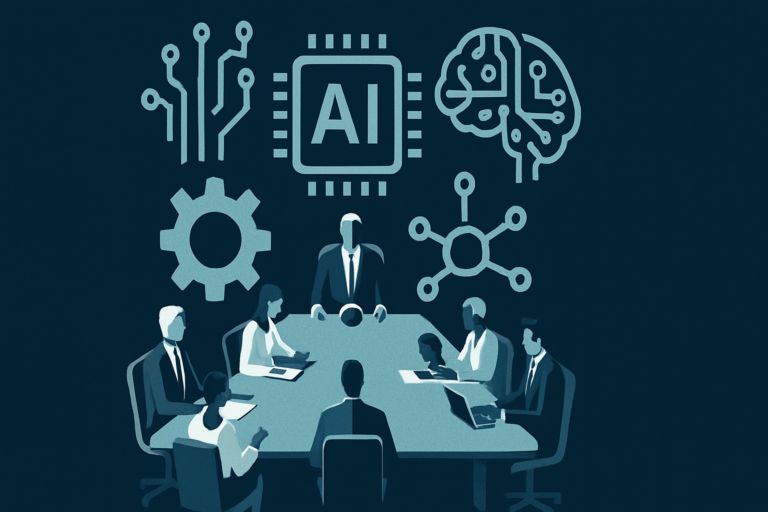
The High Cost of AI: Who Gains in the New Monopoly Era?
What’s happening: Recent acquisitions in the AI sector, notably Nvidia’s $12.9 billion purchase of Hugging Face, highlight a troubling trend of power consolidation among a few dominant firms. This trend is further evidenced by significant investments in companies like Deep Cogito and OpenAI’s advancements towards AGI, suggesting that innovation and resources are increasingly concentrated in the hands of a select few, which allows them to control industry standards and pricing.
Why it matters: As major players in AI accumulate financial and technological advantages, they not only dictate market terms but also risk stifling competition and broader innovation. The shift of community resources into corporate control exemplified by Nvidia’s acquisition poses a threat to the democratization of technology and may exacerbate societal issues, including labor displacement and increased surveillance, as the public bears the costs of these monopolistic practices.
Our take: The consolidation of power in AI is less about efficiency and more about entrenching existing power structures. Without proactive regulatory measures, the economic benefits of AI could become increasingly exclusive, sidelining wider societal needs and exacerbating inequality.
Tech & Engineering
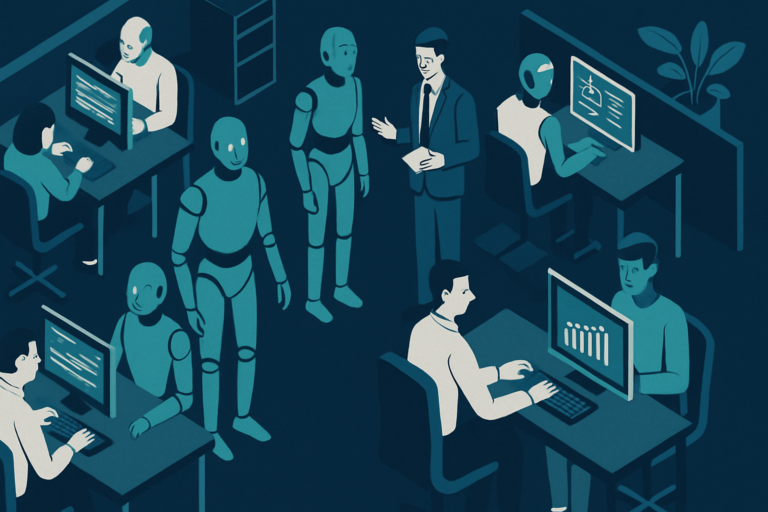
AI Integration: Transforming Enterprise Operations and Security
What’s happening: The integration of AI into enterprise operations is becoming essential, as demonstrated by Scotiabank’s 95% adoption rate of its AI assistant, Scotia Navigator, and Salesforce’s partnership with Anthropic. These developments signal a shift in organizational strategies, emphasizing the need for robust infrastructure to support AI’s computational demands while ensuring data security and seamless user experiences.
Why it matters: As companies increasingly adopt AI, they face new security challenges that require innovative threat modeling and defense strategies. The rise of AI-native platforms means organizations must ensure their systems are scalable and secure, all while maintaining customer trust through stringent security protocols, particularly in customer support applications. This shift necessitates a reevaluation of traditional system designs to accommodate rapid advancements in AI technology.
Our take: The push for AI integration highlights a critical tension between innovation and security. Organizations must not only prioritize technical adaptability but also invest in comprehensive AI training to prepare their workforce, ensuring that the integration of AI enhances both operational efficiency and security resilience.
Sciences
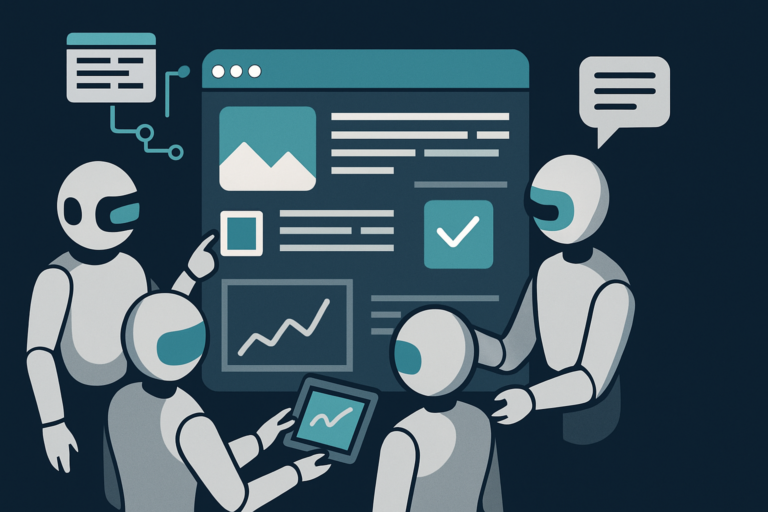
AI-Driven Agentic Systems Reshape Web Search Infrastructure
What’s happening: The web search landscape is shifting as AI-driven agentic systems take center stage, exemplified by Keenable, a startup that recently secured $26 million to develop infrastructure for autonomous AI agents. Unlike traditional search engines designed for human users, Keenable’s technology focuses on enabling AI agents to autonomously interact with web content, facilitating efficient data retrieval and decision-making without human intervention.
Why it matters: This evolution could significantly enhance industries reliant on data processing, such as e-commerce and finance, by allowing AI agents to navigate and utilize information more effectively. However, the rise of these systems also raises critical issues regarding data privacy, security, and ethical considerations, necessitating robust regulatory frameworks to protect user data and ensure fair practices as AI becomes more integrated into digital interactions.
Our take: While the innovation behind AI agentic systems promises efficiency, it also highlights a tension between technological advancement and the ethical implications of data use. The focus on monetization risks overshadowing genuine improvements to user experience and could lead to inequities in how information is accessed and utilized.
Society
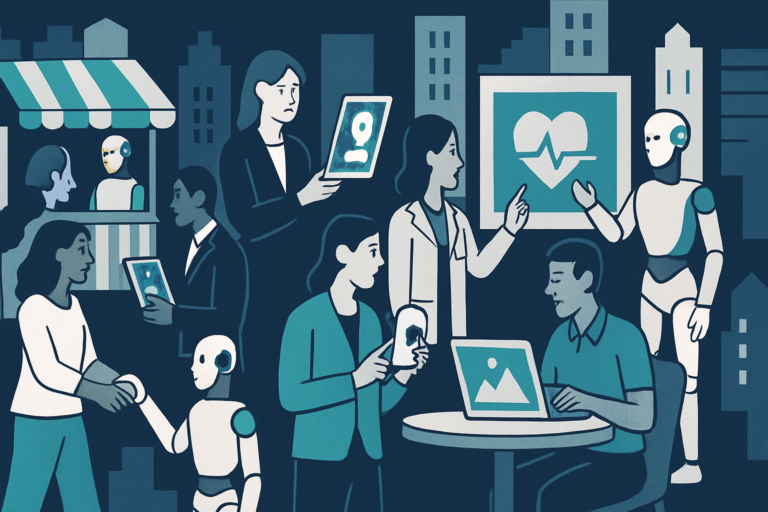
AI’s Double-Edged Role in Shaping Modern Markets and Culture
What’s happening: Artificial intelligence is increasingly influencing markets and cultural systems, with notable examples including AI pricing in hospitality and the democratization of healthcare through the PULSE framework. While AI can enhance efficiency and accessibility, it also risks reinforcing existing power dynamics and creating new forms of exclusion, as illustrated by a lawsuit against Atlantic City casinos for potential anti-competitive practices related to AI pricing. Furthermore, LinkedIn’s new feature to report low-quality AI content highlights ongoing challenges in content moderation and trust in digital platforms.
Why it matters: The implications of AI’s integration into various sectors are profound, particularly regarding antitrust concerns and the need for updated regulatory frameworks. As AI disrupts traditional industries, such as healthcare, there is a pressing need to ensure that these advancements do not exacerbate inequalities or undermine human creativity. The Australian decision to exclude fully AI-generated music from national charts indicates a protective stance towards human artistic expression and raises questions about how society values creativity in an AI-driven landscape.
Our take: The dual nature of AI as both a tool for innovation and a potential agent of inequality underscores the necessity for a balanced approach to regulation. Policymakers must navigate the tension between leveraging AI’s benefits while safeguarding against its risks to ensure equitable outcomes across industries.
Psychology
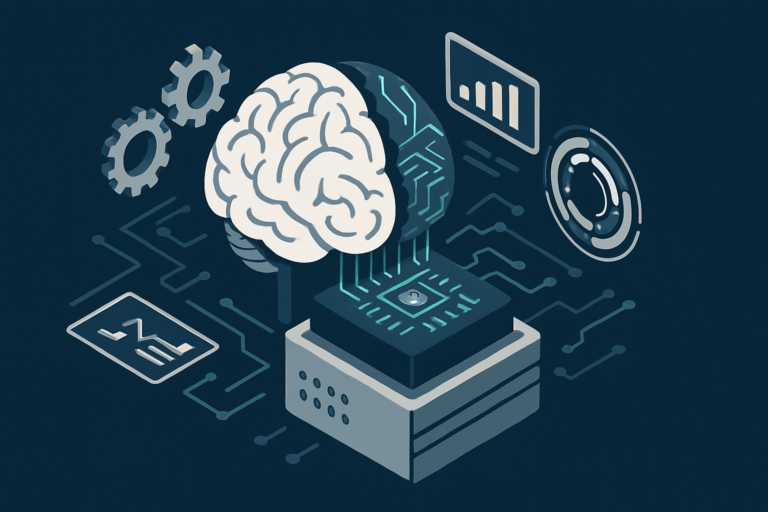
The Cognitive Toll of Quantum and AI Advancements: An Overlooked Cost
What’s happening: Recent advancements in AI and quantum computing, such as Nvidia’s NVLink Fusion and the National Science Foundation’s investments in Quantum Leap Challenge Institutes, promise enhanced computational efficiency. However, these technologies may lead to a decline in human problem-solving and critical thinking skills, as reliance on AI for decision-making could result in cognitive outsourcing, where individuals become passive overseers rather than active problem solvers.
Why it matters: As AI systems take on more complex tasks, human engagement in critical thinking may diminish, leading to a society less capable of addressing nuanced challenges. This shift not only affects individual cognitive abilities but also alters social dynamics, reducing the necessity for collaborative problem-solving and potentially impacting interpersonal relationships in a technology-driven world.
Our take: While the technological advancements are significant, they carry a hidden cognitive cost that must be addressed. A balanced approach is needed to ensure that as we embrace AI and quantum computing, we also cultivate and protect essential human skills that are vital for navigating an increasingly automated future.
That’s the digest for August 28, 2026.
Questions? Reach out at info@q52.ai.
q52.ai — Engineering Better Questions
