
Your daily briefing on AI, technology, economics, and society — from q52.ai.
Industry & Economics

AI Talent Sourcing: A New Frontier for Labor Markets
What’s happening: Recent advancements in AI-powered talent sourcing platforms are transforming recruitment practices and reshaping labor market dynamics. Companies like ProvenBase are using AI to identify hard-to-find candidates, streamlining the hiring process and uncovering talent that traditional methods might miss, which is crucial in a competitive job market.
Key points:
- ProvenBase’s AI technology enhances sourcing capabilities, marking a shift from traditional recruitment methods to algorithm-driven approaches.
- TCS is experiencing measurable revenue growth from its AI initiatives, indicating that AI is making a tangible impact on hiring practices.
- AI can democratize access to employment by identifying overlooked candidates, which may alter the power dynamics in labor markets that typically favor those with better networks.
- However, poorly designed AI systems risk reinforcing existing biases, potentially sidelining diverse candidates and devaluing human intuition in the hiring process.
- As organizations increasingly depend on AI for recruitment, there’s a concern that the definition of ‘fit’ for job roles may narrow, limiting the diversity of talent considered.
Why it matters: The integration of AI in hiring has significant economic implications, as it can lead to efficiency gains and broader access to job opportunities. However, the potential for bias in AI algorithms poses a threat to the inclusivity of the hiring process, making it essential for companies to ensure their AI systems are designed responsibly. As AI reshapes labor dynamics, it is critical for organizations to balance technological advancements with ethical considerations in recruitment.
Our take: While AI offers remarkable opportunities to enhance recruitment, the challenge lies in ensuring that these technologies are developed and implemented with a focus on equity and inclusion. The potential risks of bias and reduced human judgment in hiring decisions necessitate a careful examination of AI systems to ensure they serve a diverse workforce effectively.
Tech & Engineering
Bridging the AI Literacy Gap: A Call to Action for Engineers
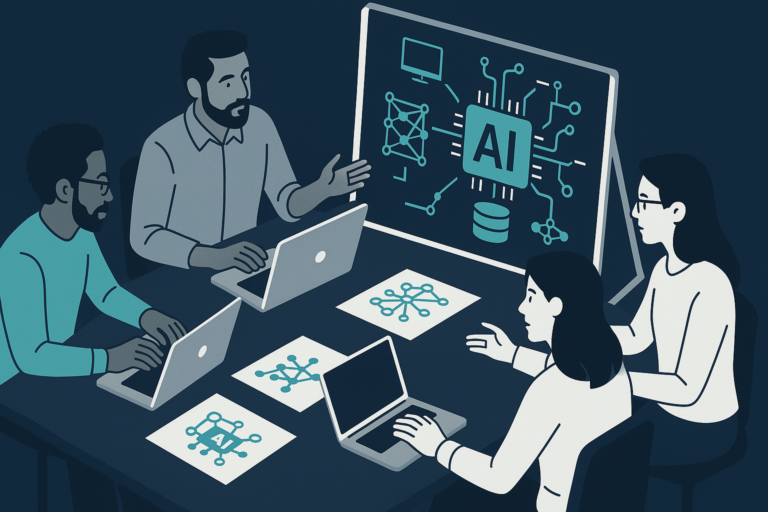
What’s happening: The software engineering field is rapidly changing as artificial intelligence (AI) becomes essential to development processes. Companies are increasingly seeking engineers who not only possess coding skills but also have a solid understanding of AI principles, architecture, and ethical considerations, highlighting a critical need for improved AI literacy among engineers.
Key points:
- Recent acquisitions, such as SoftServe’s purchase of NewVision Software, signal a shift towards AI-centric engineering practices.
- There is a growing demand for engineers who can manage the complexities of AI integration, including data management and security concerns.
- AI systems introduce unique vulnerabilities, particularly with large language models (LLMs), requiring engineers to understand these weaknesses to build secure applications.
- Continuous learning and adaptation are essential for deploying AI systems effectively, necessitating new monitoring and iteration strategies.
- Organizations must invest in training programs that address both the technical and ethical aspects of AI to bridge the literacy gap among engineers.
Why it matters: As AI becomes embedded in nearly every application, engineers must rethink software architecture to account for the interactions between AI models, data pipelines, and user interfaces. Addressing the AI literacy gap is crucial not only for operational efficiency but also for creating robust applications that protect user data and maintain trust. Organizations that prioritize this training will be better positioned to compete in a rapidly evolving market.
Our take: The push for AI literacy among engineers is not just a trend; it’s a necessary evolution to ensure that software development keeps pace with technological advancements. However, the conversation around ethical implications often feels secondary to technical training, and this imbalance could lead to long-term challenges in responsible AI deployment.
Sciences
AI Collaboration Advances Precision Cancer Therapy Development
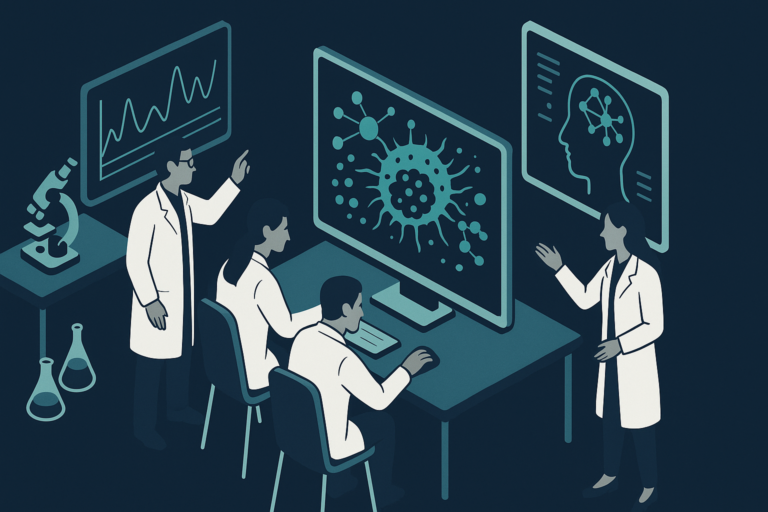
What’s happening: A new collaboration between Ardigen and VERAXA Biotech is harnessing AI to enhance the development of precision cancer therapies. By focusing on innovative target selection methods, particularly for VERAXA’s BiTAC® platform, the partnership aims to improve treatment efficacy while reducing toxicity for patients.
Key points:
- Ardigen and VERAXA Biotech announced their partnership on July 13, 2026, to advance cancer treatment through AI-enabled drug discovery.
- The collaboration is centered on optimizing VERAXA’s BiTAC platform, which uses a unique Boolean logic design that requires co-expression of two targets on cancer cells for therapy activation.
- Ardigen will employ AI tools to analyze extensive datasets, including preclinical and clinical information, to identify effective target combinations that have previously encountered toxicity issues.
- Machine learning algorithms will evaluate complex biomedical data such as protein interactions and gene expression profiles to provide actionable insights for target selection.
- The integration of AI in drug development may accelerate the process and lower costs, potentially leading to higher success rates in clinical trials for various cancer therapies.
Why it matters: This collaboration signifies a pivotal moment in the integration of AI within pharmaceutical development, particularly in oncology. By streamlining the target selection process, it could lead to quicker identification of viable drug candidates and ultimately enhance the effectiveness of cancer treatments. As AI methodologies become more mainstream, we may see transformative changes in how cancer therapies are developed, leading to more personalized and effective treatment options for patients.
Our take: The partnership between Ardigen and VERAXA highlights a critical shift towards data-driven decision-making in drug development. While the promise of AI in reducing toxicities and improving outcomes is significant, it raises questions about the broader implications for regulatory frameworks and the need for robust validation of AI-generated insights in clinical settings.
Society
Navigating the Disconnect: AI’s Impact on Trust and Governance
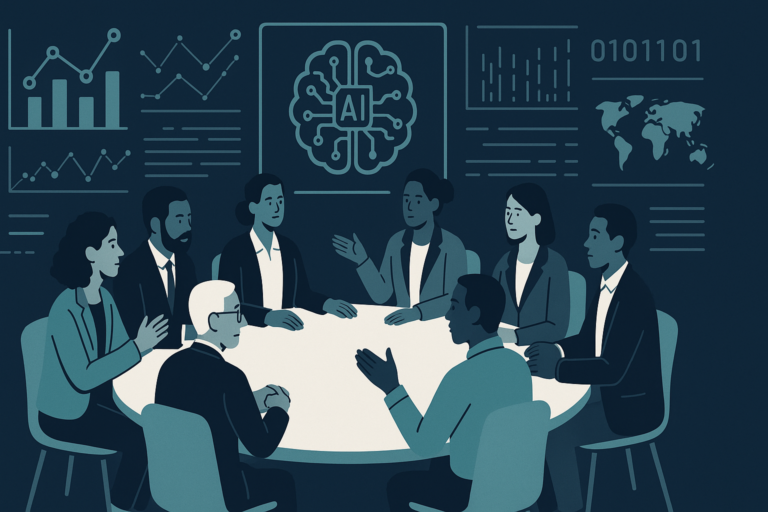
What’s happening: The rapid advancement of artificial intelligence (AI) is outpacing the development of governance frameworks meant to regulate it, leading to significant societal concerns. Recent studies highlight that while investment in AI is surging, the safeguards for individual rights and public interests are lagging, creating a disconnect that threatens public trust and social cohesion.
Key points:
- A global index indicates that AI is progressing faster than governments can adapt their regulations, raising questions about the legitimacy of these institutions.
- More than 200 economists and AI researchers are calling for a reassessment of AI governance to ensure it aligns with human-centric values.
- The erosion of trust in institutions is tied to perceptions of inadequate protection of individual rights and a lack of public input in decisions affecting their lives.
- Marginalized communities are particularly vulnerable to the negative impacts of AI, including biased algorithms and job displacement.
- There’s a risk that prioritizing technological advancements for economic growth may overshadow ethical considerations in AI development.
Why it matters: The failure to establish effective governance for AI not only jeopardizes individual rights but also threatens societal stability. As AI technologies reshape interactions and livelihoods, the lack of oversight can deepen existing inequalities and disenfranchise those most affected. If governance frameworks do not evolve alongside AI advancements, the potential for misuse and societal harm increases, undermining public trust in institutions and their ability to protect citizens.
Our take: The ongoing disconnect between AI development and governance reveals a critical need for inclusive conversations that incorporate diverse voices, particularly from marginalized communities. Without this, the risk of entrenching inequalities and prioritizing economic interests over ethical values remains a significant concern for the future of AI and society as a whole.
Psychology

AI’s Impact on Trust in Mental Health and Human Relationships
What’s happening: The integration of AI into mental health care is changing how trust is built and maintained between individuals and their support systems. As AI chatbots offer quick emotional support, there are significant psychological implications regarding the depth of human interactions and the nature of emotional labor traditionally handled by people.
Key points:
- AI chatbots provide immediate access to mental health support, allowing users to engage without the constraints of traditional therapy schedules or costs.
- This reliance on AI for “therapy micro-bursts” can lead to a shallow engagement with deeper psychological issues, contrasting with the nuanced understanding offered by human therapists.
- Studies show that while users seek quick emotional responses from AI, they often desire empathy and understanding, which AI systems lack.
- Trust in AI is based on perceived reliability and consistency rather than emotional depth, creating a risk of miscommunication and unmet emotional needs.
- The evolution of trust in mental health support requires careful consideration of how AI reshapes human relationships and the potential risks of substituting human interaction with machine responses.
Why it matters: As AI continues to play a larger role in mental health care, understanding its impact on trust and emotional connections is crucial for both users and providers. The shift towards AI-driven support may enhance accessibility but risks diminishing the emotional richness that human therapists offer. This duality poses challenges for mental health professionals, who must navigate the integration of AI while maintaining the essence of empathetic care.
Our take: The convenience of AI in mental health support should not overshadow the importance of genuine human connection. A hybrid approach that combines AI’s accessibility with the emotional intelligence of human therapists may be necessary to ensure that individuals receive comprehensive and empathetic care.
Dear Humans
Dear Humans: Asking AI Whether You Should Text Your Ex
What’s happening: Humans are increasingly turning to artificial intelligence for advice on personal matters, like whether to text an ex. This trend highlights a fascinating reliance on technology for decisions that require emotional intelligence and self-reflection, which AI lacks.
Key points:
- People often seek AI’s guidance on whether to reconnect with former romantic partners, revealing a reliance on technology for personal decisions.
- AI responses are based on data such as past communication frequency and sentiment, but these answers often leave users dissatisfied.
- The article emphasizes that the decision to engage with an ex is deeply personal and should involve emotional maturity, which AI cannot provide.
- There’s an irony in humans seeking validation from AI for choices they are ultimately responsible for, indicating a broader issue of outsourcing personal introspection.
- The piece suggests that humans should reflect on why they feel the need to consult AI for decisions that impact their lives emotionally.
Why it matters: As technology becomes more integrated into our daily lives, understanding the implications of relying on AI for personal advice is crucial. This trend raises questions about emotional dependency on technology and the potential erosion of personal accountability in decision-making. For businesses in AI and tech, recognizing this dynamic could shape how products are designed and marketed, emphasizing the need for promoting human agency over automated solutions.
Our take: The reliance on AI for personal advice underscores a growing challenge in modern society: the balance between leveraging technology and maintaining personal responsibility. This tension suggests that while AI can provide data-driven insights, it cannot replace the nuanced understanding that comes from human experience and emotional intelligence.
That’s the digest for July 15, 2026.
Questions? Reach out at info@q52.ai.
q52.ai — Engineering Better Questions
