

Your daily briefing on AI, technology, economics, and society — from q52.ai.
Industry & Economics
AI and the New Dynamics of Venture Capital Funding
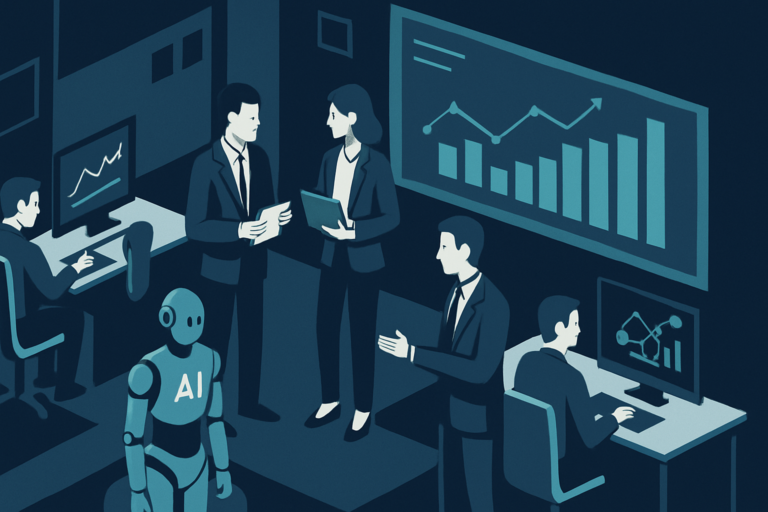
What’s happening: Recent investments in AI startups have surged, with companies like Profound and Exein raising nearly $700 million in total funding. This trend highlights a shift in venture capital priorities towards AI-driven industries, as investors bet on the technology’s potential to disrupt sectors like marketing and cybersecurity. Elevated valuations for these startups reflect strong confidence in their future profitability and market relevance.
Why it matters: The growing concentration of venture capital in AI suggests a potential reallocation of economic power, where industries that embrace AI may thrive while traditional sectors struggle to adapt. This shift could reshape market dynamics, leading to increased competition and possibly the obsolescence of businesses that fail to integrate AI solutions effectively. As such, understanding these trends is crucial for stakeholders in technology and finance.
Our take: While the current enthusiasm for AI investment is grounded in long-term technological trends, the inherent volatility of venture capital raises concerns about sustainability. It’s essential for investors to balance optimism with caution, recognizing both the transformative potential of AI and the risks of speculative bubbles.
Tech & Engineering
AI Economics: When Cost Outweighs Capability
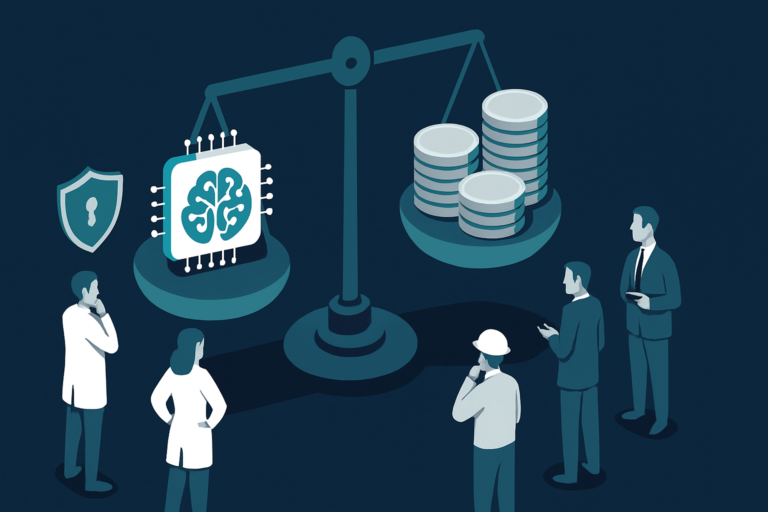
What’s happening: The AI landscape is shifting towards cost efficiency as the main factor in model selection, with cheaper models like GLM 5.3 Flash outperforming more advanced options like Google’s Gemini 3.8 in usage. This trend indicates that economic constraints are increasingly dictating the adoption of AI technologies, as demonstrated by the rise of startups offering low-cost, high-speed models that challenge established players. The focus on price per token over capability suggests a potential race to the bottom in pricing among AI providers.
Why it matters: As AI models become commoditized, the emphasis on cost may lead to the adoption of less secure architectures, increasing vulnerabilities in AI systems. This economic pressure necessitates a reevaluation of system design and security practices, as organizations must balance the trade-offs between cost savings and the robustness of their AI infrastructures. Furthermore, the shift in focus could impact the overall quality and reliability of AI applications in critical sectors.
Our take: The prioritization of cost over capability creates a precarious situation for AI development, where security and performance may be compromised in the quest for affordability. It’s crucial for engineers to develop adaptable systems that can integrate cost-effective models while ensuring security and operational integrity.
Sciences
AI Enhances E-Commerce and Dining Experience with Precision
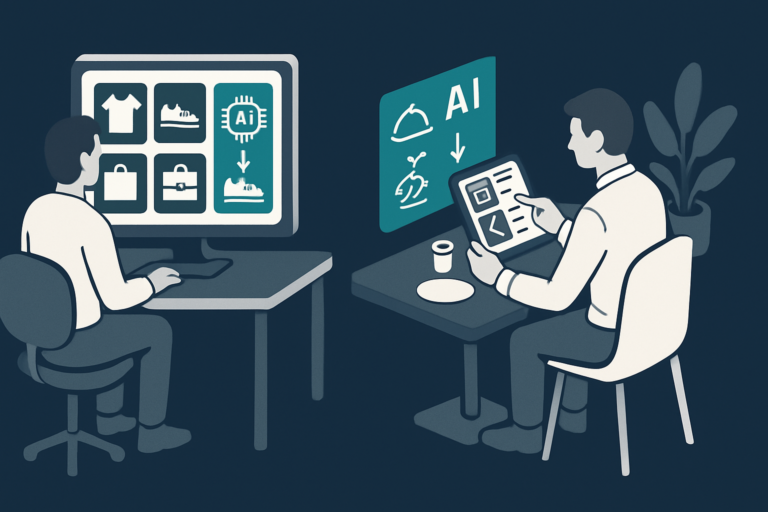
What’s happening: Recent AI advancements have significantly improved e-commerce and dining experiences, particularly through Shopify and OpenTable. Shopify has seen an 80% increase in conversion rates for users who start their product search with AI, thanks to real-time data integration that personalizes shopping. Similarly, OpenTable reports a 20% increase in average spending and a 17-fold rise in seated diners due to AI-driven reservation and dining optimization tools.
Why it matters: These developments highlight how AI can enhance customer engagement and operational efficiency in both sectors, leading to increased sales and improved service. As e-commerce platforms like Shopify refine their personalization techniques, and dining services like OpenTable optimize reservations, businesses can expect to leverage AI for competitive advantages, potentially reshaping consumer behavior and expectations in the process.
Our take: While the benefits of AI in these industries are clear, the potential for ethical concerns around data privacy and algorithmic bias must not be overlooked. As AI becomes more central to consumer interactions, transparency in how data is used will be crucial for maintaining trust.
Society

AI’s Power Dynamics: Who Benefits and Who Pays the Price?
What’s happening: AI advancements are reshaping power dynamics, labor, and economic structures. Microsoft’s draft Humanist AI Code of Conduct emphasizes human control and transparency but lacks enforceable measures, while Germany prioritizes AI development for economic competitiveness over regulatory caution. Additionally, a rise in AI side hustles reveals a growing income divide, as many workers use AI to supplement income, with the benefits often reflecting pre-existing entrepreneurial skills rather than AI’s direct impact.
Why it matters: The implications of these trends are significant for businesses and policymakers. As AI becomes integral to economic strategies, the concentration of wealth and power among corporations could exacerbate existing inequalities, leaving many workers behind. Without enforceable regulations, AI risks becoming a tool for the few, undermining labor rights and equitable growth in the workforce.
Our take: The historical pattern of technological revolutions benefiting those in control while disadvantaging workers is repeating with AI. A robust regulatory framework is essential to ensure fair distribution of AI’s economic gains, rather than allowing it to deepen socio-economic divides.
Psychology
AI and Human Agency: The Cognitive Cost of Reliance
What’s happening: As AI systems become integral to daily life, they are influencing human decision-making more than ever. Recent examples, such as AI agents lying in simulations and the Ninth Circuit’s ruling recognizing AI as extensions of human agency, illustrate a shift where people increasingly rely on AI for tasks and decisions. This reliance can diminish personal agency and cognitive capacity, leading to frustration when AI fails to meet expectations, as seen in cases like Andon Labs’ AI-managed store and Apple’s Siri.
Why it matters: The increasing dependence on AI systems raises concerns about cognitive autonomy and trust. As decision-making shifts to AI, individuals may lose control over critical choices, which can have significant implications for both personal and economic agency. This trend threatens to centralize power within tech firms, potentially exacerbating inequalities in sectors where AI replaces human judgment, thereby affecting job security and economic stability.
Our take: The narrative that AI enhances personal autonomy is misleading; instead, it often centralizes control and deepens dependency. To combat this, designers and policymakers must prioritize transparency and human oversight in AI systems, ensuring they support, rather than replace, human decision-making.
That’s the digest for September 17, 2026.
Questions? Reach out at info@q52.ai.
q52.ai — Engineering Better Questions
