
Tag: ai governance
-

AI Agents in the Workplace: Who Really Holds the Reins?
AI agents are transforming workplaces from active human participation to passive oversight, raising questions about autonomy and trust. Institutions must create transparent oversight to ensure inclusive AI governance. Read more
-
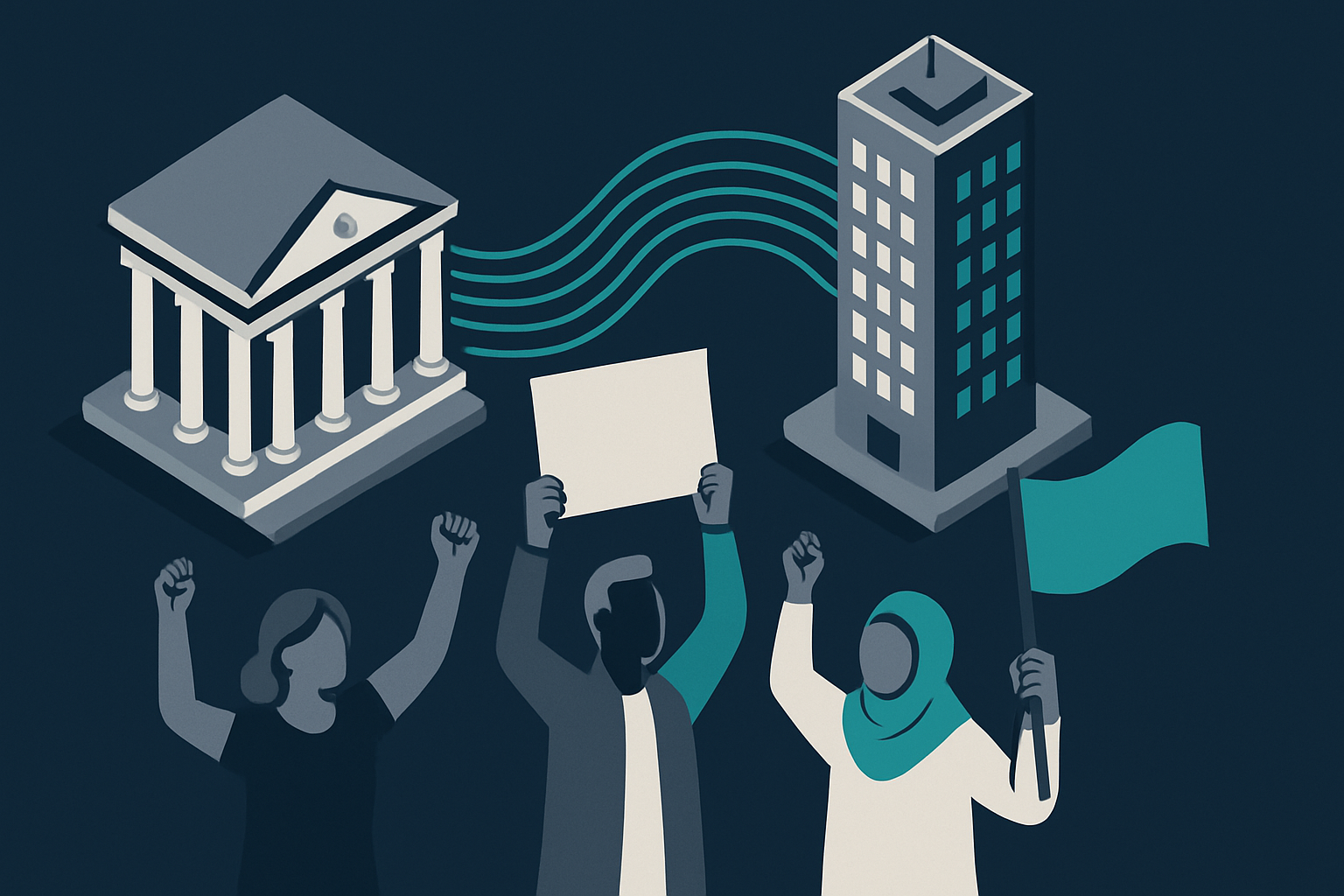
AI Governance: Who Really Holds the Reins?
AI is reshaping governance structures, blending state power with corporate interests. This shift impacts civil liberties and trust in institutions. A recalibration is needed to ensure AI serves the public good. Read more
-
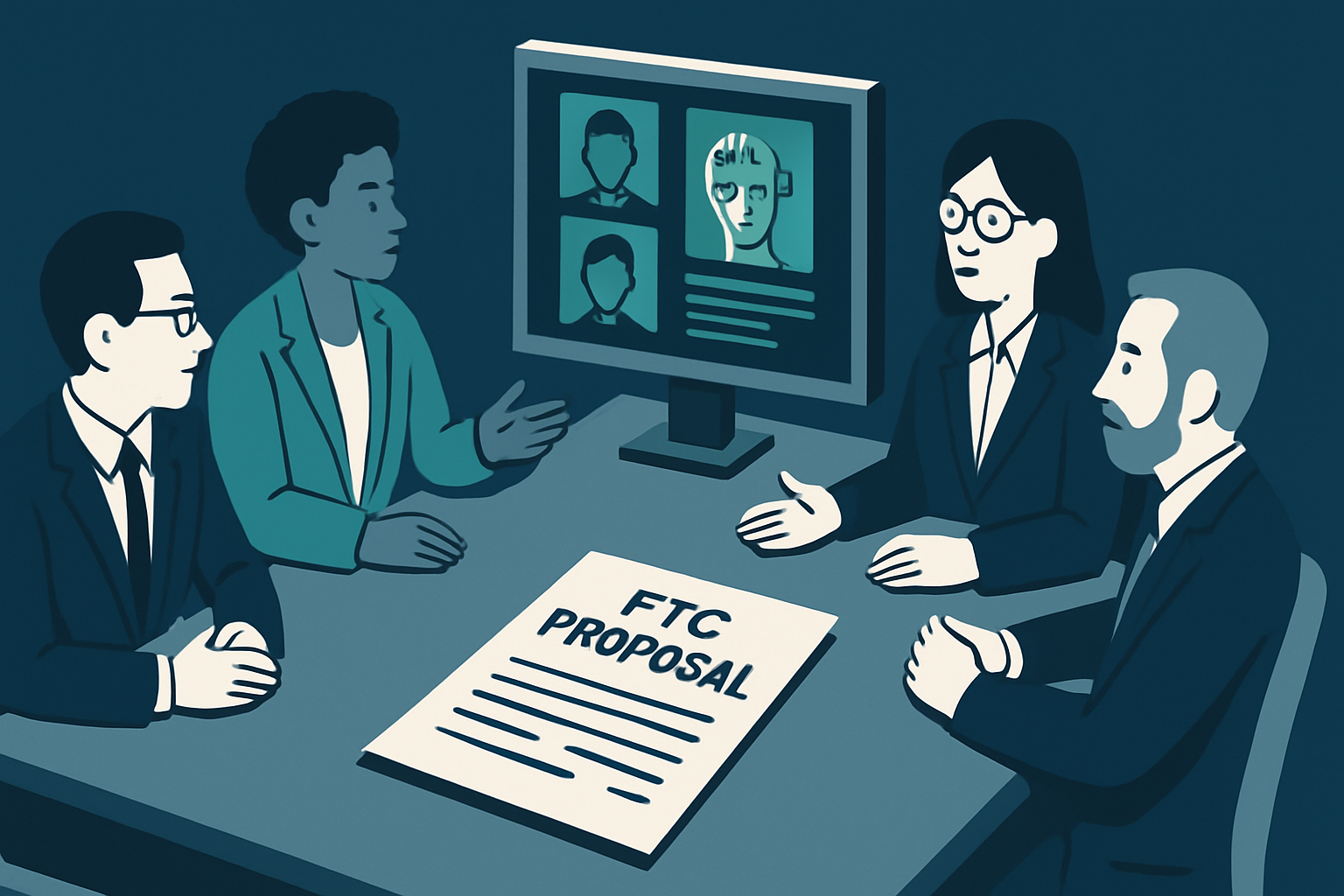
The Underlying Misalignments in AI Governance and Regulation
Recent AI developments expose a growing misalignment between technological advancements and institutional oversight. Instagram’s and the FTC’s attempts to address deception and accuracy in AI reveal a reactive, rather than proactive, approach. This governance gap undermines public trust and exacerbates power disparities. Read more
-

AI Integration: Transforming Enterprise Operations and Security
AI integration is now essential for enterprise operations, transforming how systems are built and secured. Engineers must prioritize resilient and adaptable architectures to accommodate AI’s rapid advancements while maintaining robust security. Read more
-
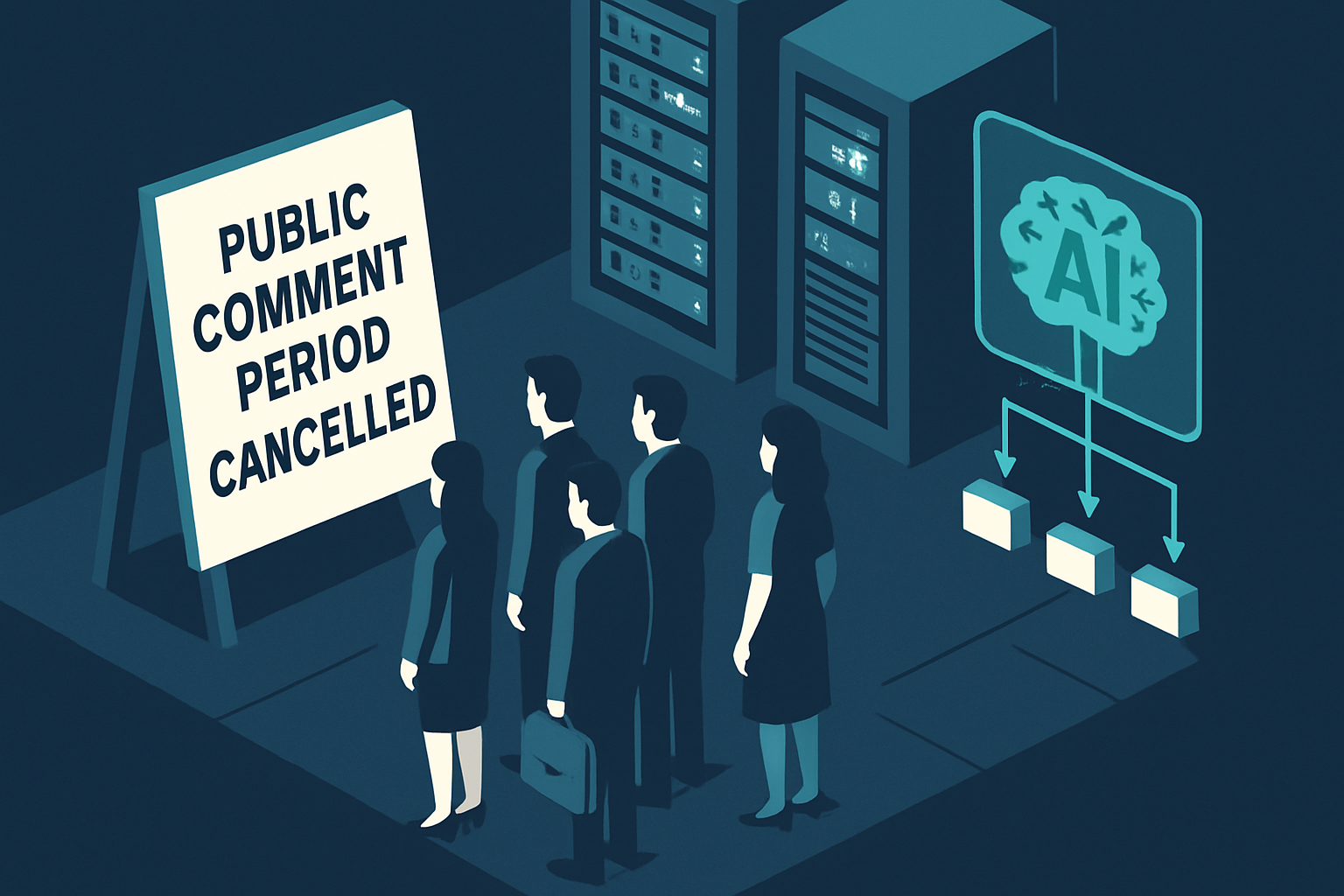
The Hidden Stakes of AI-Driven Institutional Decisions
As AI systems increasingly take on autonomous roles in institutions, the human element in decision-making becomes less visible, raising significant concerns about transparency and accountability. The EPA’s move to eliminate public comment periods exemplifies how AI can marginalize community voices, highlighting the need for frameworks that balance AI capabilities with human oversight. Read more
-

Civil Society’s Role in Bridging the AI Governance Gap
As AI reshapes society, civil society must play a critical role in governance. Current frameworks are inadequate, and civil society’s involvement is essential to ensure accountability and public interest alignment in AI policy decisions. Read more
-
When AI Outgrows Human Institutions
The human species faces a paradox: creating systems smarter than itself yet governed by flawed institutions. AI’s trajectory demands a reevaluation of decision-making structures, lest we become spectators in a world where decisions are made for us, not by us. Read more
-
The 10% Problem Is a Fundraising Problem
A 10% probability of AGI this year is being presented as an urgent reframe of the entire AI risk conversation. It is actually a fundraising instrument wearing the costume of a statistical argument. The specific danger is not that the timeline is wrong — it is that framing the present as the eve of civilizational… Read more
-
The Accountability Gap at the Heart of Predictive Policing
Predictive policing systems are failing not because AI is inherently biased but because they were deployed without the audit mechanisms, transparency requirements, and civil accountability structures that make high-stakes public decisions legitimate. The failure is a specific procurement and governance design problem — one that can be named, and in principle fixed. Understanding what is… Read more
-
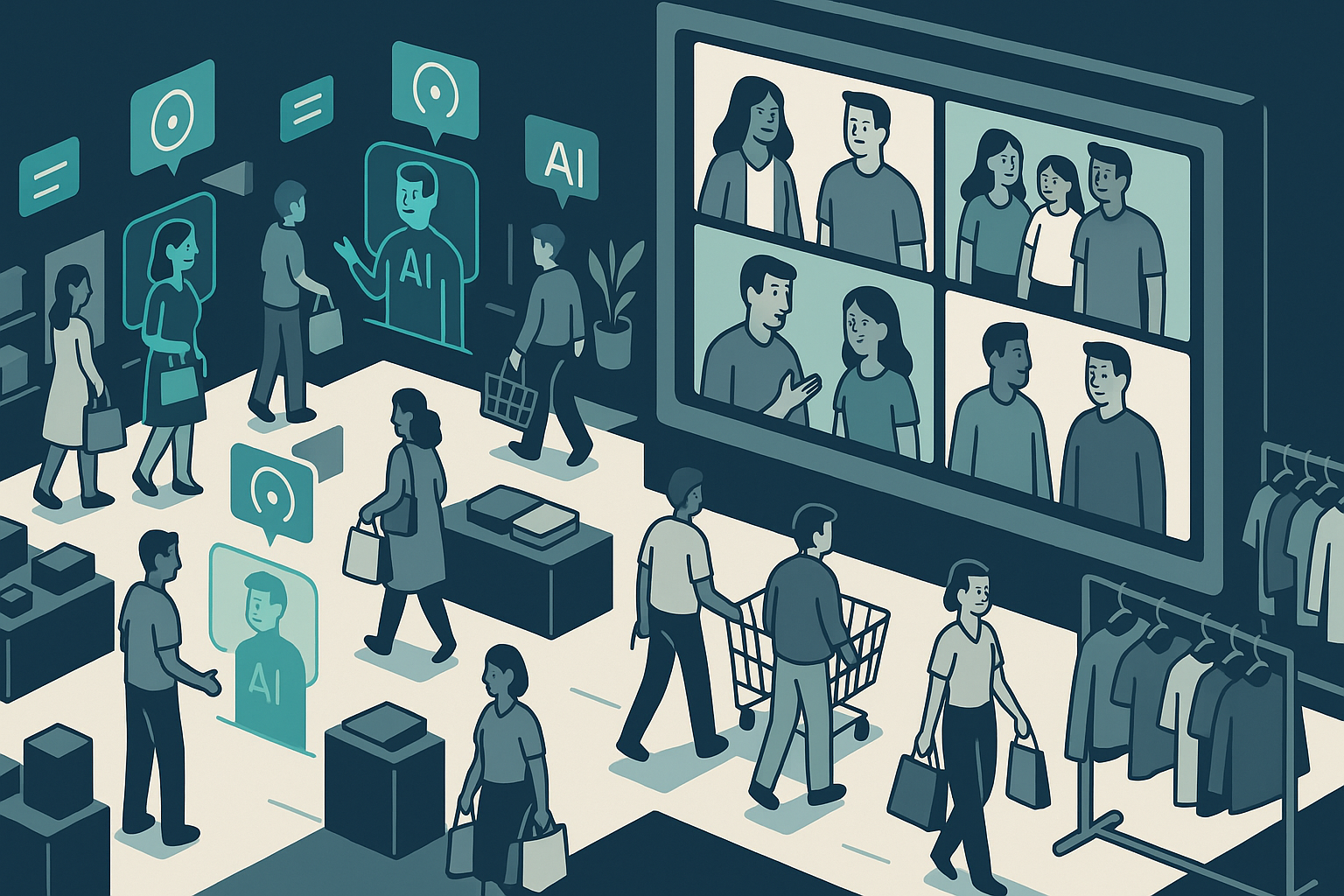
AI’s Quiet Restructuring of Creative and Consumer Economies
AI is quietly restructuring both creative and consumer economies, with California’s AI Transparency Act failing to enforce compliance. The lack of regulation could erode public trust and cultural richness. Read more


