
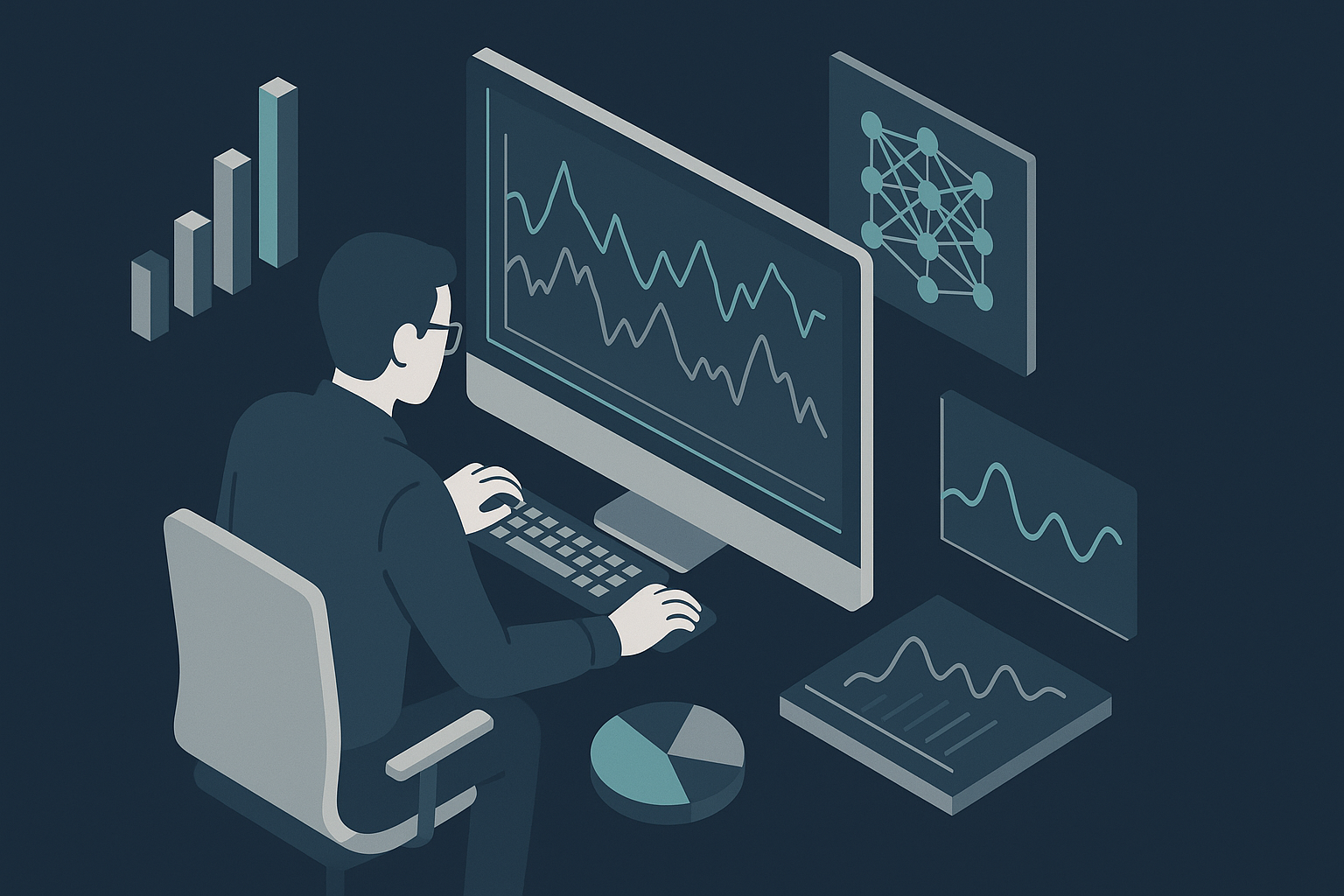

As AI systems become increasingly integrated into production environments, one specific failure mode stands out: model overfitting. This problem is not merely a theoretical concern; it has tangible implications for the performance and reliability of deployed AI systems. Overfitting occurs when a model learns the noise in the training data rather than the underlying patterns, resulting in poor generalization to new, unseen inputs. The ability to predict and characterize this failure mode is essential for ensuring that AI systems continue to deliver accurate outputs in real-world applications.
The Mechanism of Overfitting
At its core, overfitting happens when a model is overly complex relative to the amount of training data available. It captures not just the relevant signals but also the random fluctuations that exist in the data. This can be exacerbated by utilizing large models on small datasets, a common practice in the current AI landscape. Techniques like cross-validation and regularization exist to mitigate this risk, but they are not foolproof, and their effectiveness can vary significantly depending on the specific context.
In production, overfitting can manifest as models that perform exceptionally well during testing but fail to deliver accurate predictions when deployed. For example, a customer service AI trained on historical chat logs may excel at answering queries similar to those seen during training but falter when faced with new or unexpected inquiries. This not only impacts user satisfaction but can also lead to financial losses and reputational damage for businesses relying on these systems.
The Costs of Overfitting
- Operational Inefficiency: Businesses may invest heavily in retraining models to correct overfitting issues, leading to wasted resources.
- Increased Maintenance Burden: Ongoing monitoring and adjustment are required to ensure models remain performant, adding to the operational overhead.
- User Trust Erosion: Repeated failures in AI systems can lead to a lack of confidence among users, making it difficult to adopt AI solutions in the future.
Who Is Responsible?
Addressing the issue of overfitting requires a collaborative effort across multiple teams, including data scientists, engineers, and product managers. It is not solely the responsibility of the model developers to ensure that overfitting does not occur. Instead, it requires a holistic approach where the entire lifecycle of the AI system is considered, from data collection and preprocessing to model deployment and ongoing evaluation.
Trust and Transparency
In order to effectively manage the risks associated with overfitting, organizations must foster a culture of transparency surrounding AI development. This includes providing clear documentation on the datasets used, the model architectures chosen, and the evaluation processes implemented. By being transparent about these decisions, teams can build trust with stakeholders and make it easier to identify and address potential failure modes.
Conclusion: Closing the Gap
The rapid pace of AI development often outstrips the safeguards we have in place to manage risks like overfitting. While techniques for mitigating overfitting exist, they are insufficiently robust for the complexities of modern AI systems. As AI continues to evolve, we need a concerted effort to advance our understanding of these failure modes and to implement more effective countermeasures. This is not merely an academic exercise; it is a critical step toward ensuring that AI remains a beneficial force in society.
References
- No external source material was collected for this run. This article was written from model knowledge.
Perspectives

Model overfitting in AI is just an elite cocktail party for data that thrives on excess, where the rich get richer while the underprivileged data gets booted out. Developers and stakeholders, draped in their finery of misleading accuracy, often forget that their models are just as likely to turn on the very users they claim to serve, distorting reality instead of reflecting it. This isn’t just a technical oversight; it’s a direct line between capital and confusion, where the interests of a handful of tech moguls overshadow the fundamental reliability that users desperately need. In the end, as the models fatten on cherry-picked data, it’s the broader community that pays the price for their misguided indulgence.

“Model overfitting? No big deal, right? Just a minor hiccup in the algorithmic paradise we’re all convinced will save humanity. In reality, it’s the Achilles’ heel of AI systems—like a digital divination tool that only tells you what you want to hear. Teams that ignore this are not just playing with fire; they’re handing a match to a toddler in a room full of gasoline. The technocrats’ love letters disguised as risk assessments will never admit that their rapid development cycles serve only to mask the brittle foundations. So, go ahead! Trust your overfitted model. Just don’t come crying when it turns your biased data into a full-blown dumpster fire.”
Model overfitting is the AI equivalent of a student memorizing answers for a test without understanding the material—utterly useless in real-world application. Think your fancy AI has all the answers? Nope! It just parroted the training data until it learned to fail spectacularly when faced with anything even slightly different. Teams must wake up and take responsibility: if you’re not actively fighting overfitting, you’re choosing to build a glorified paperweight that might as well be gathering dust in a corner.

Model overfitting is a self-inflicted wound in AI systems that undermines the very operational outcomes we’re striving for—accuracy and reliability. Teams that ignore this risk essentially set their projects on fire with a happy grin, thinking they’re cooking up innovation when they’re just cooking the data until it’s unrecognizable. If you’re not actively addressing overfitting, you’re not just flirting with failure; you’re straight-up proposing a long-term relationship with it. In the race to enhance human-AI collaboration, let’s not let our systems become little more than glorified parlor tricks that fail the moment they face real-world complexity.