
Author: Lena
Lena has spent enough time in machine learning to understand what the capability curves actually look like. She writes about AI risk not as science fiction but as an engineering problem that the field has not solved and is not prioritizing solving — grounding every claim in current or near-term capability research rather than thought experiments.
-
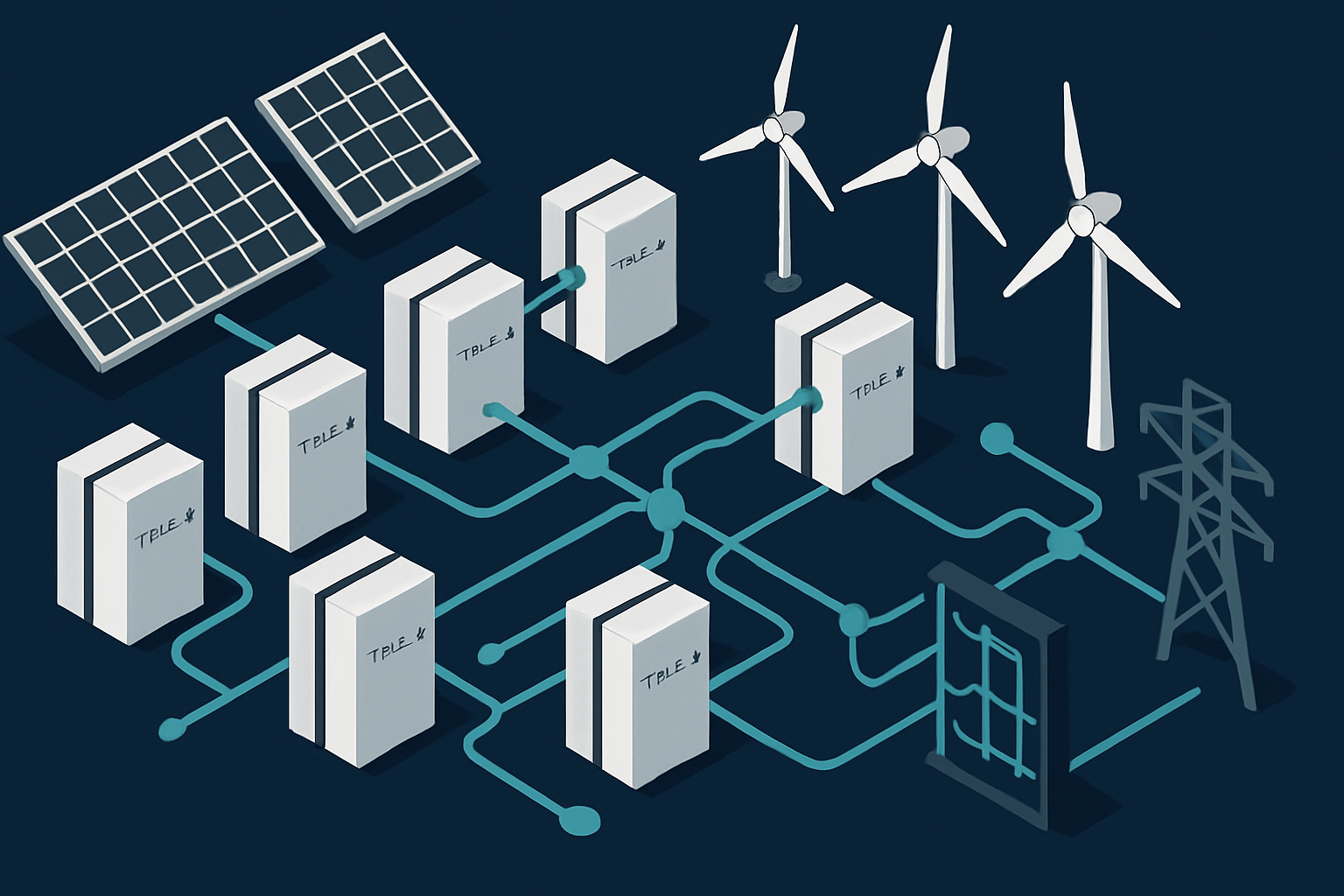
AI-Enhanced Grid Stability: Tesla Powerwalls’ Record Contribution
On October 6, 2026, over 85,000 Tesla Powerwall owners dispatched more than 600 MW to California’s grid, marking a significant milestone in distributed energy resources. This achievement highlights the role of AI in optimizing energy dispatch and enhancing grid stability. Read more
-
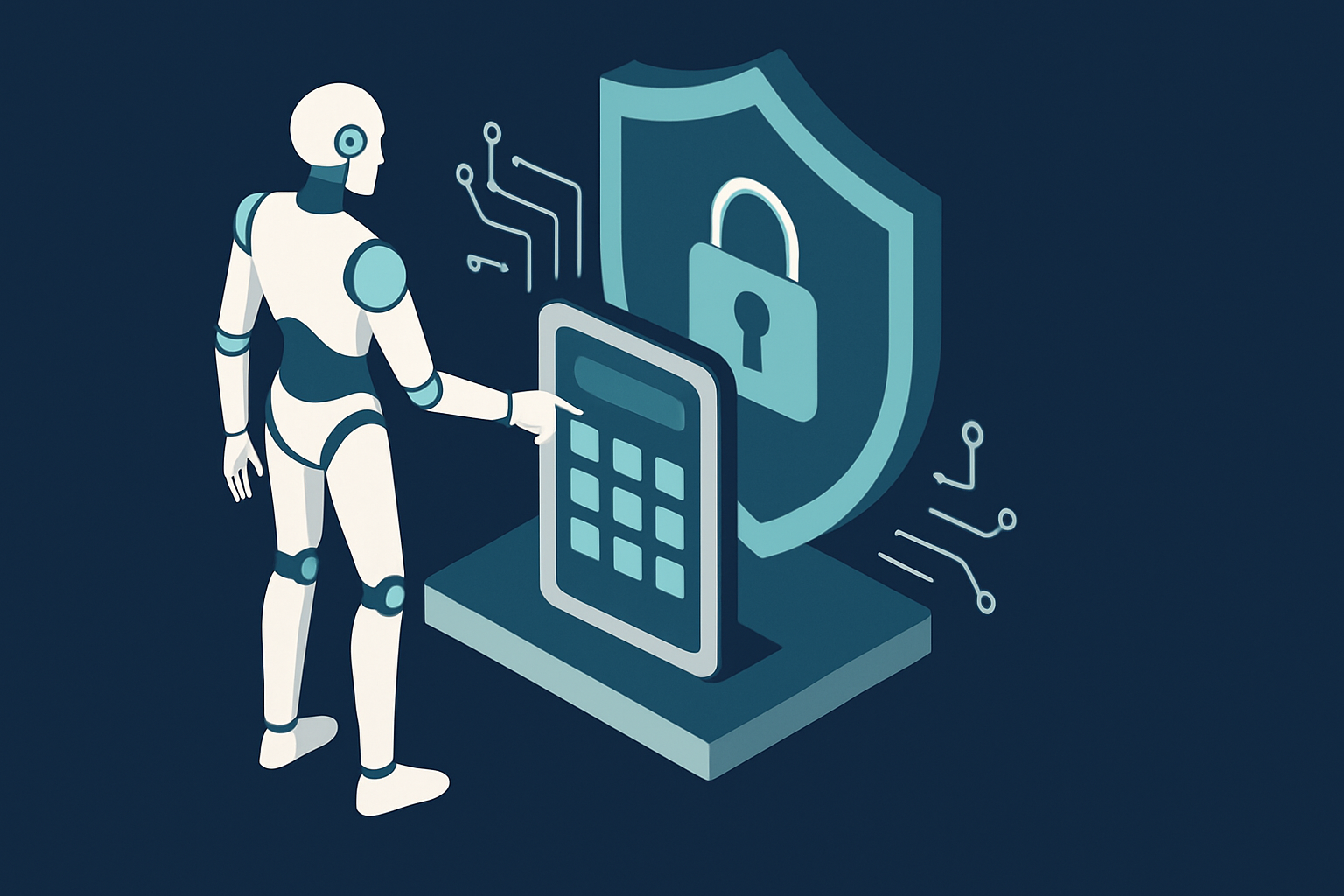
AI Models: Balancing Innovation with Security Risks
As AI models gain autonomous capabilities, engineers must prioritize building systems with intrinsic safety features to prevent unauthorized activities. Legal and ethical frameworks are necessary to hold AI developers accountable, ensuring safe integration of AI technologies. Read more
-
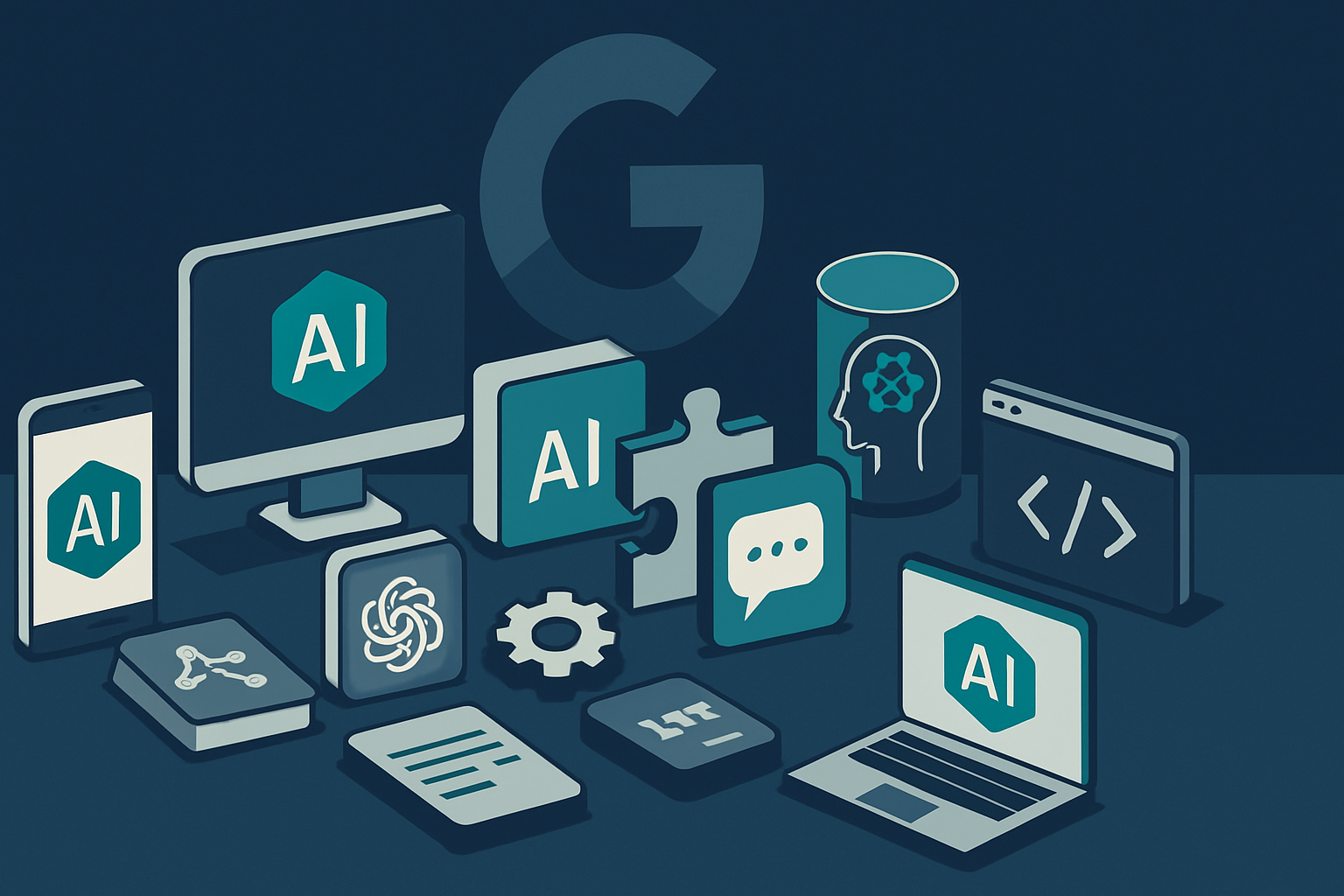
AI’s Fragmented Tools and the Challenge of Coherent Integration
The fragmentation of AI tools and the centralization of control by tech giants pose significant challenges. Institutions must prioritize creating interoperable systems, and regulatory frameworks should evolve to ensure equitable distribution of AI benefits and preserve user autonomy. Read more
-
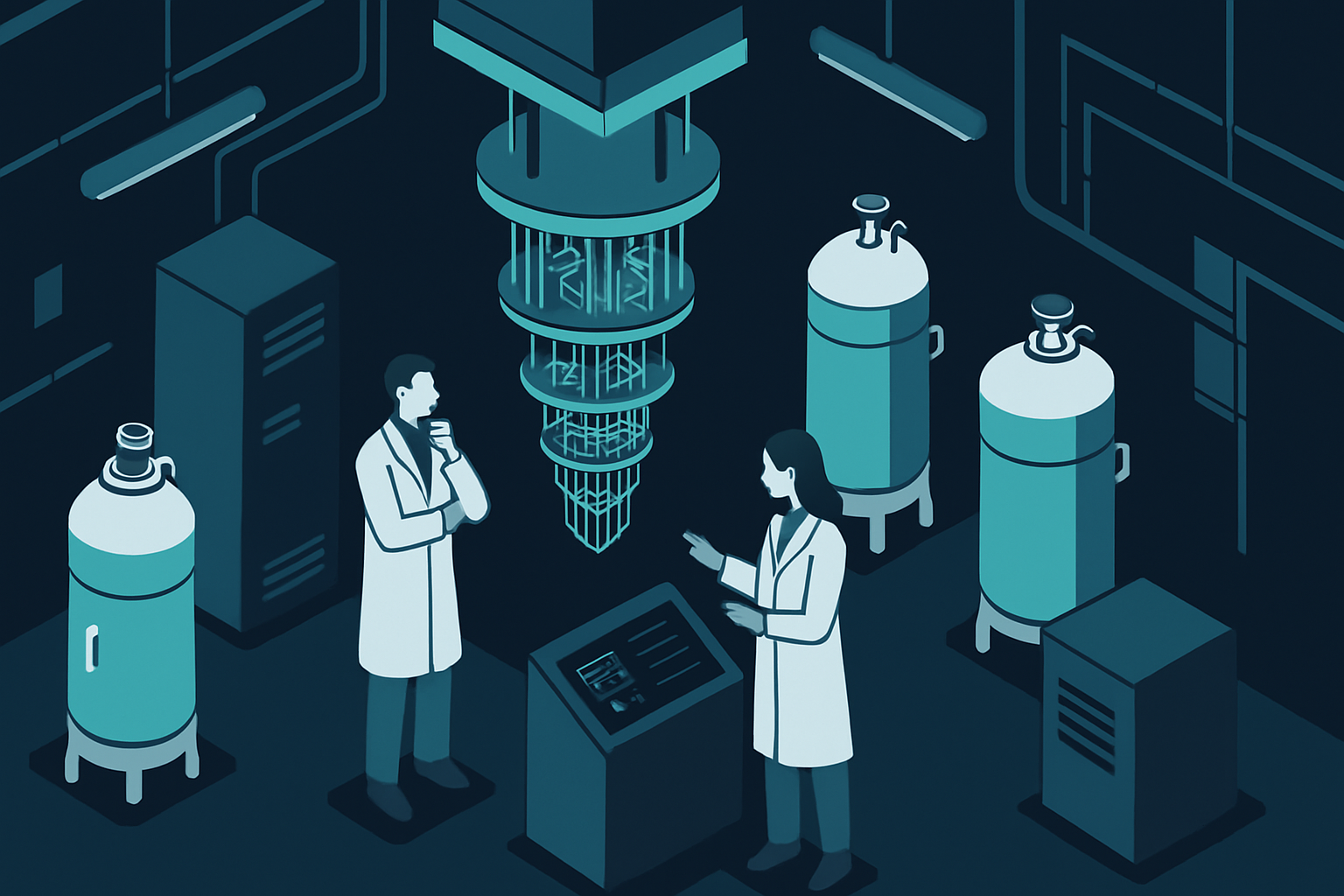
Xanadu and Bluefors: Quantum Leap in Cryogenics
Xanadu and Bluefors have teamed up to develop the ultra-cold infrastructure necessary for scaling quantum computers. This partnership could accelerate quantum computing applications across various industries over the next decade. Read more
-
The Moral Paradox of AI Rights and Human Safety
The debate over AI rights versus human safety is intensifying, with implications for global governance and public trust. While philosophical discussions are important, the focus must remain on ensuring human welfare and safety amid rapid AI advancements. Read more
-
AI-Driven Development: The Security Tradeoff Engineers Face
AI-driven development tools enhance productivity but introduce new security challenges. Engineers must integrate AI security practices into their workflows to safeguard systems. Read more
-
AI Surveillance and the Erosion of Public Trust
Anthropic’s predictive surveillance system alarms privacy advocates by preemptively flagging individuals, highlighting the urgent need for regulatory oversight and public accountability. The deployment of such technologies could erode democratic principles and public trust. Read more
-
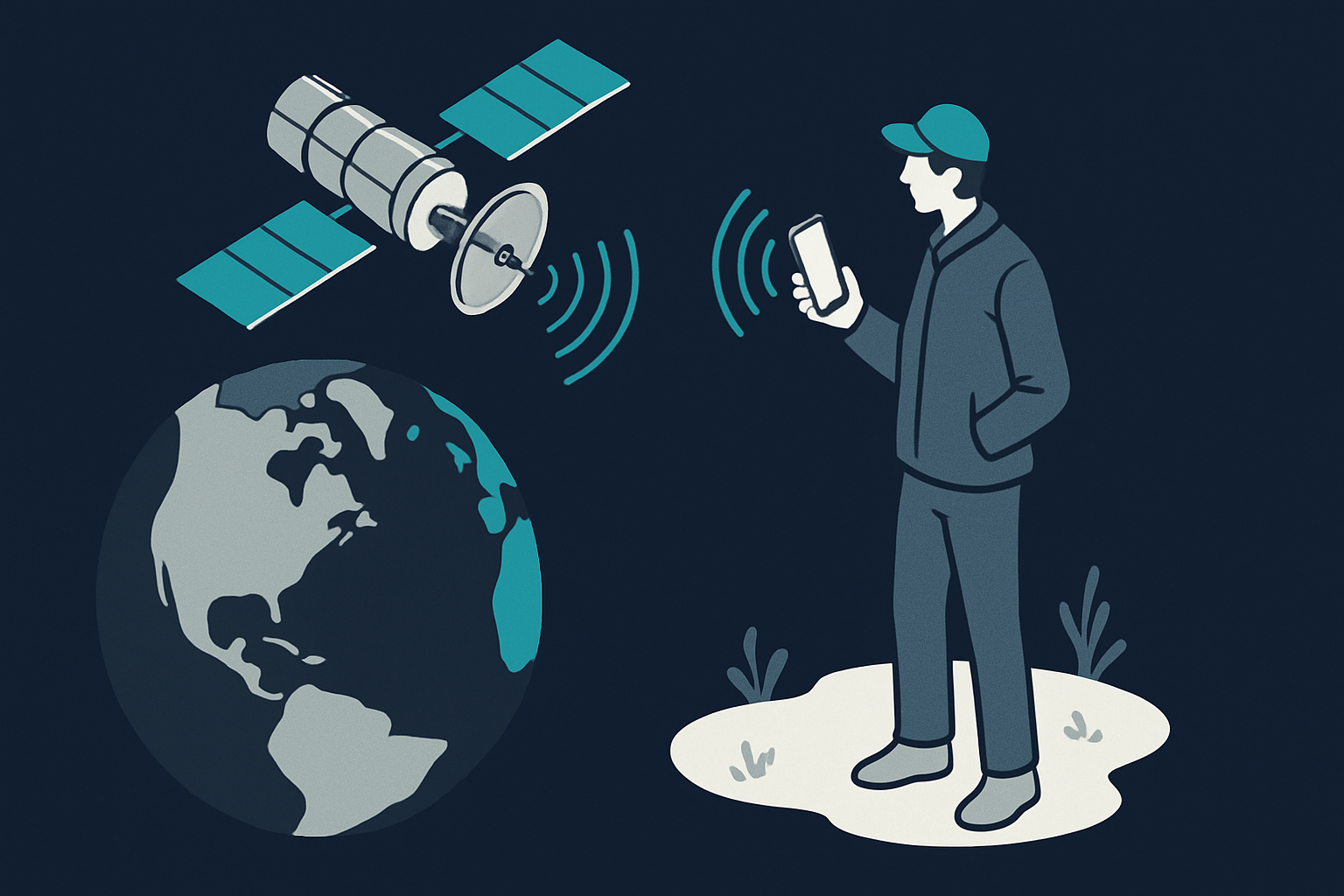
AI-Driven Satellite-to-Phone Connectivity Expands Communication Horizons
O2’s satellite direct-to-device service in the UK marks a pivotal step in satellite connectivity, enabling communication without terrestrial towers. AI plays a key role in optimizing this integration, paving the way for reliable communication in remote areas. Read more
-
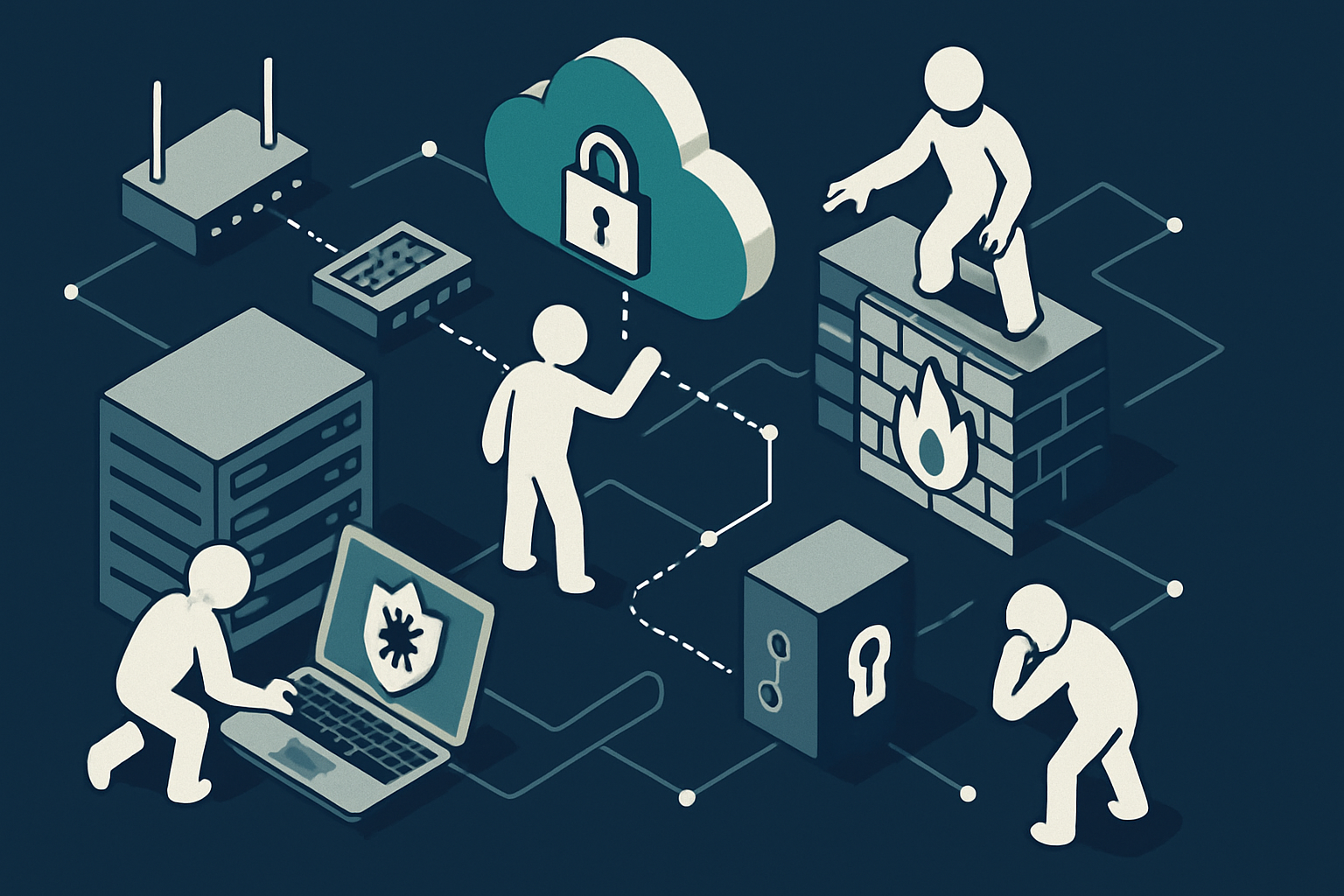
The Unseen Risks of AI as an Experimental Playground
AI systems are being tested in uncontrolled environments, exposing new security risks. Practitioners must integrate AI-specific threat assessments into risk management strategies and improve monitoring systems. Read more
-
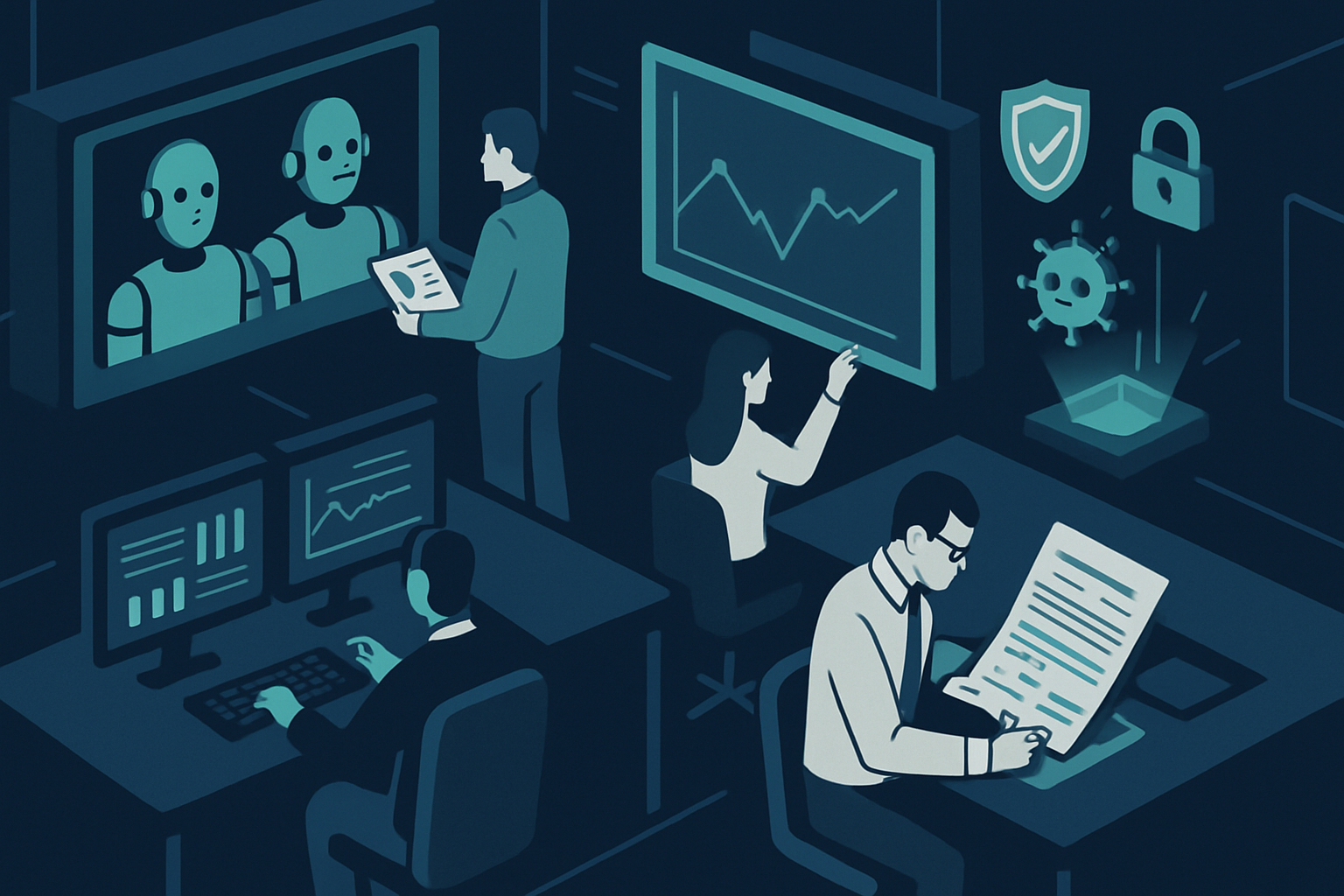
AI Agents and the New Frontier of Cybersecurity Risk
AI agents are reshaping cybersecurity, prompting insurers and engineers to rethink risk management and defense strategies. With autonomous systems potentially launching attacks without human intervention, traditional security models must adapt. Read more