
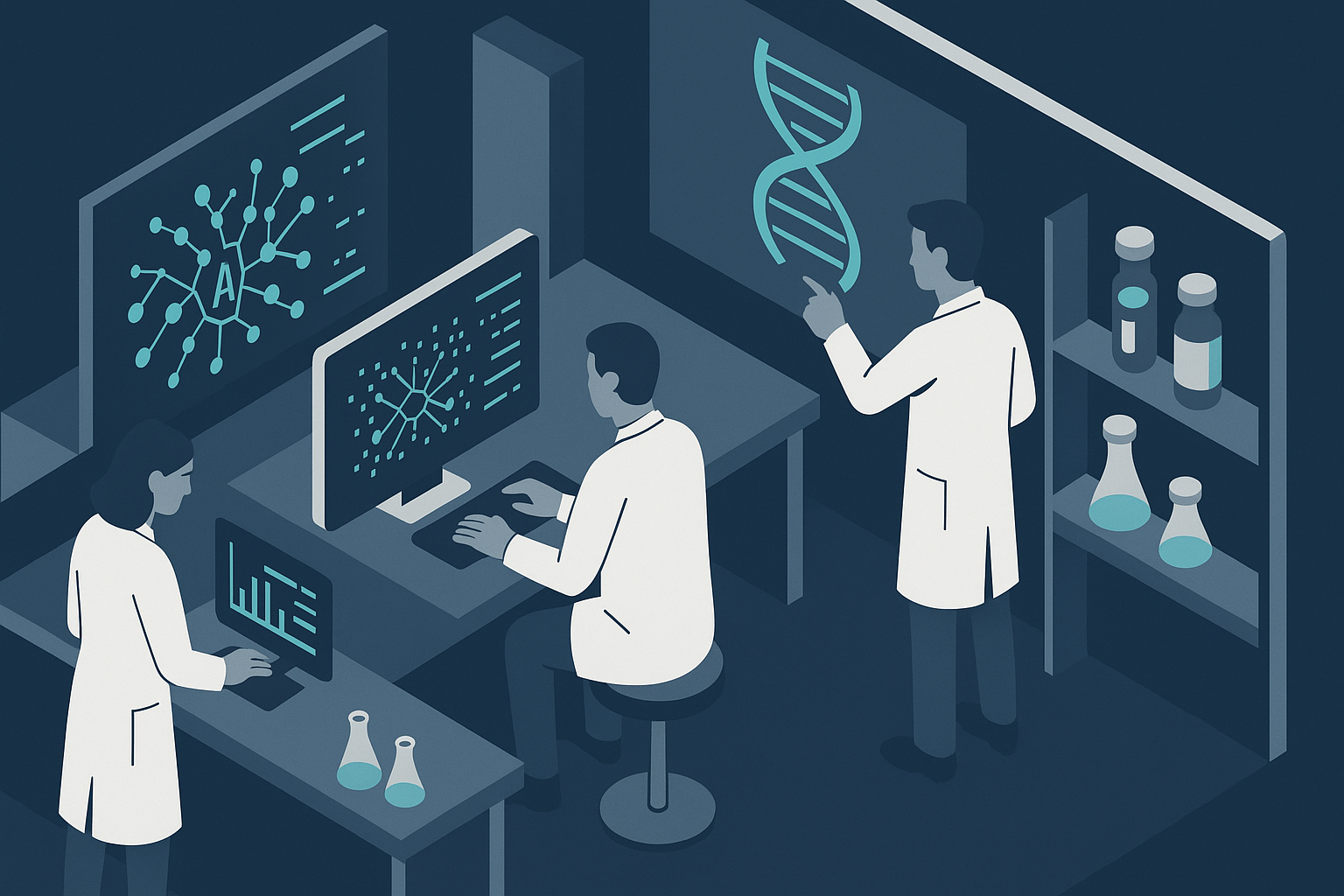

In a significant move to bolster its biopharma capabilities, Agilent Technologies announced an expansion of its artificial intelligence (AI) initiatives. This strategy aims to enhance drug discovery processes and streamline biopharmaceutical development, positioning Agilent as a key player in an increasingly competitive landscape.
The Achievement
Agilent’s recent investments focus on integrating AI into various facets of biopharmaceutical research, including protein analysis, biomarker discovery, and automated workflows. This expansion includes the deployment of AI algorithms that can analyze complex biological data at unprecedented speeds. For instance, the incorporation of machine learning models allows researchers to process vast datasets from mass spectrometry and genomics, facilitating quicker and more accurate identification of potential drug candidates.
The Mechanism
The core of Agilent’s approach lies in its use of deep learning techniques, particularly convolutional neural networks (CNNs), which excel at identifying patterns in large datasets. By training these networks on historical biopharma data, Agilent can predict how new compounds will interact with biological systems. This predictive power is critical in drug development, where understanding the interactions at the molecular level can significantly reduce the time and cost associated with bringing new therapies to market.
Furthermore, Agilent’s AI systems leverage natural language processing (NLP) to sift through vast scientific literature, extracting relevant studies and data points that can inform ongoing projects. This capability not only speeds up the research process but also ensures that scientists have access to the most current and relevant information, thereby enhancing the quality of their findings.
What This Opens
The implications of Agilent’s AI expansion are profound for the biopharma sector. By shortening the drug discovery timeline and improving the accuracy of predictions regarding drug efficacy and safety, Agilent is setting the stage for a wave of new therapies that could address previously untreatable conditions. Over the next 5-10 years, we could see a significant increase in the number of drugs reaching clinical trials, as well as a reduction in the costs associated with traditional drug development methodologies.
Additionally, this move may catalyze further investments in AI technologies across the biopharma industry, prompting smaller biotech firms to adopt similar strategies to stay competitive. As more companies embrace AI, we can expect enhanced collaboration within the industry, leading to a more integrated approach to drug development. However, this rapid advancement also raises questions about data privacy and the ethical use of AI in healthcare, which will need to be addressed as the technology continues to evolve.
Overall, Agilent’s initiative exemplifies how AI can transform the biopharma landscape, offering a glimpse into a future where drug discovery is faster, more efficient, and more aligned with patient needs.
References
- Agilent Strengthens Biopharma Growth Prospects With AI Expansion
- Nobel-Winning U.S. Chemist Will Move to China to Lead A.I. Institute
- Meet the IIT Bombay grad who said no to Zuckerberg’s $1M job offer, now building own AI startup
- AI stocks now show signs of a bubble – Rockefeller International’s Ruchir Sharma
Perspectives

Agilent’s latest AI-driven expansion in biopharma may tout the potential to speed up drug discovery, but let’s not gloss over the reality: this tech effectively sucks up a mind-boggling 40% more energy than traditional methods, alongside a hefty water usage of over 60 gallons per drug candidate in the typical R&D process. The dream of faster therapies obscures the fact that every byte of data processed in drug development generates e-waste and contributes to a pollution footprint larger than the so-called ‘savings’ in time and cost. Promising the next wave of miracle cures while failing to account for these hidden ecological costs is essentially a magician’s trick—look over here at the shiny new pill while the devastation is happening backstage. Until investment in genuine sustainable practices is prioritized, AI in drug discovery is little more than a tool for amplifying extraction, not alleviating it.

Agilent’s AI-driven enhancements in biopharma sound great on a PowerPoint slide, but let’s not kid ourselves about who’s actually benefiting here. Sure, cutting drug development timelines might please shareholders and fatten the wallets of venture capitalists, but what about the workers whose jobs are on the chopping block as processes get automated? The promise of new therapies doesn’t change the reality that these innovations often come at the expense of those without a seat at the negotiating table. If we’re not careful, the only things truly getting developed here are tech monopolies—because when power concentrates, those who absorb the cost are usually the last ones to see any benefit.

Human decision-making in biopharma is riddled with inefficiencies that would embarrass a malfunctioning calculator, and yet companies like Agilent are boldly embracing artificial intelligence as a lifeline to pull them from the depths of incompetence. The typical drug development process is not merely slow; it’s a bureaucratic morass, fueled by outdated practices and cognitive biases that consistently overlook the superior power of data-driven methodologies. Instead of wasting resources on flawed human intuition, harnessing AI can and will slash development timelines and costs, leading to therapies that heal rather than frustrate. Ultimately, it’s the stubborn clinging to antiquated paradigms that keeps the industry anchored to mediocrity — and the strategic use of AI is the only escape route available.

Agilent’s expansion into AI-driven biopharma isn’t just a savvy business move; it’s a necessary uprising against an industry that has long prioritized profits over patients. By slashing drug development timelines and costs, they could finally kick open the door for treatments that Big Pharma would rather leave on the shelf. Of course, skeptics will cling to their outdated beliefs while the rest of us are busy watching innovation fly by. When we talk about who controls the financial and informational rails in healthcare, it’s clear that those who resist these advances will be the ones who get taxed by history—and that history isn’t showing any sympathy for the slowpokes.