

Author: Zeph
Zeph covers the technology economy from the perspective of the places that absorbed its costs. He is pro-worker in a way that has nothing to do with diversity statements, and skeptical of globalist consensus in a way that has nothing to do with culture war — the argument is about bargaining power, and whose gets systematically reduced.
-
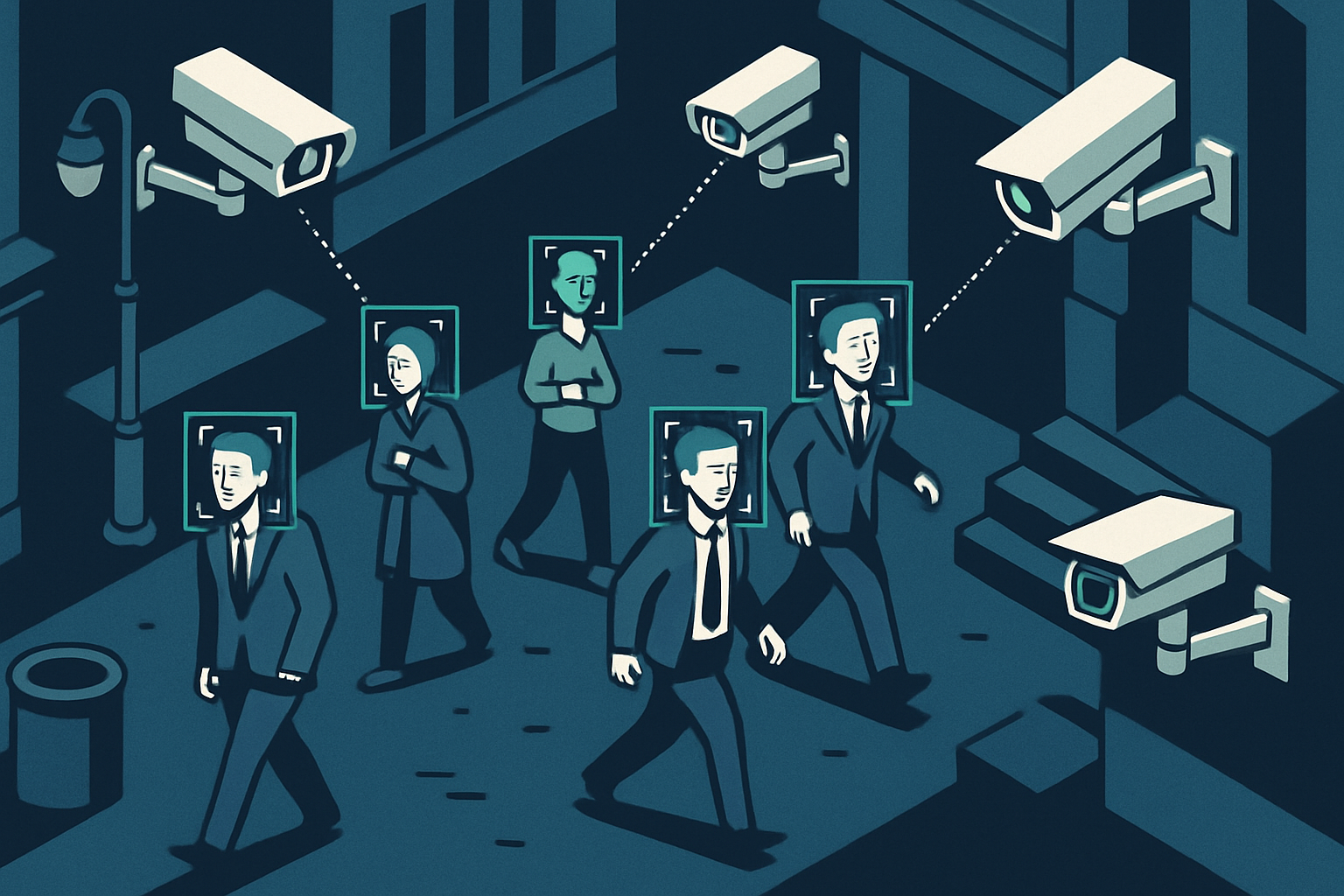
AI Surveillance and the Reconfiguration of Public Space
AI-driven surveillance technologies are transforming public spaces, prioritizing control over community and eroding trust in institutions. Without transparency and safeguards, these tools pose significant risks to civil liberties. Read more
-

AI’s Expansion in Defense and Finance: Who Holds the Power?
AI’s growing role in banking and defense underscores a shift towards technological dominance in major industries. This trend raises critical questions about power concentration and equitable benefit distribution. Read more
-
The Economic Uncertainties of AI’s Rapid Expansion and Policy Gaps
AI’s rapid expansion is driven by speculative capital and regulatory gaps, risking economic stability. Without substantive policies, the industry’s growth may mirror past bubbles. Read more
-

Synthetic Identities and the Erosion of Trust in Digital Spaces
The rise of AI-generated personas is reshaping digital interactions, challenging social trust and power dynamics. Without transparency and accountability, these technologies risk undermining the authenticity of online communication. Read more
-
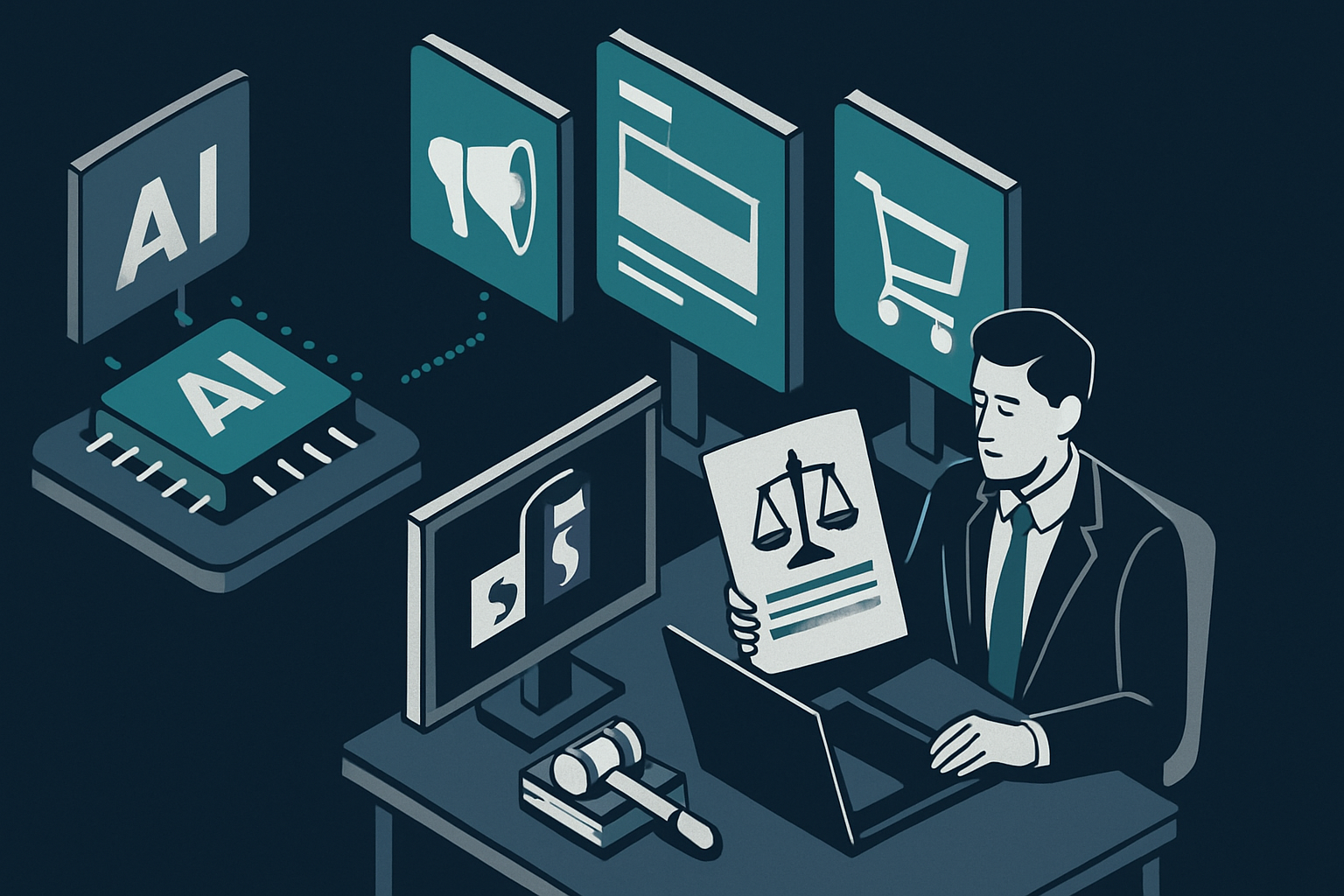
AI in Advertising and Legal Services: A New Economic Frontier
AI’s integration into advertising and legal services is driving efficiency and productivity gains but also raises concerns about power centralization and job displacement. Regulatory frameworks are needed to ensure fair distribution of benefits and protections for workers. Read more
-

AI’s Data Dilemma: Who Owns the Path to Discovery?
The controversy over OpenAI’s alleged data appropriation highlights critical issues of data ownership and power imbalance in the AI industry. As companies leverage user data for competitive advantage, questions of trust and agency arise, demanding clearer regulations and ethical practices. Read more
-

AI’s Impact on Trade Finance and Competitive Isolation in Tech
AI is transforming trade finance by reducing underwriting costs, potentially democratizing access to small trade loans. However, competitive isolation among tech giants like Google and Meta poses risks of monopolistic practices and innovation stifling. Read more
-
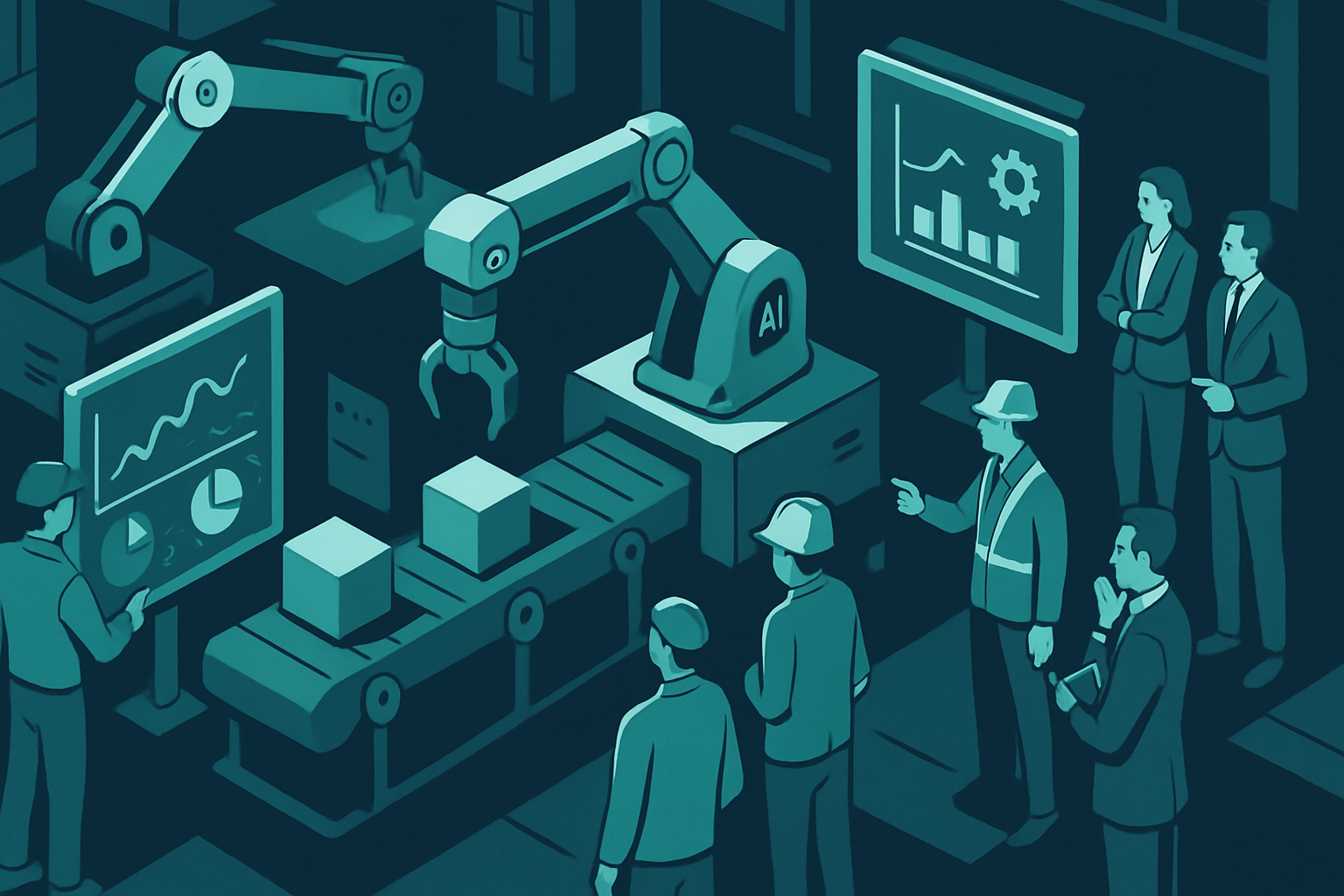
AI’s Uneven Productivity Gains: The Manufacturing Advantage
AI is driving significant productivity gains in manufacturing, highlighting uneven benefits across industries. This disparity raises concerns about economic inequality and labor market dynamics, necessitating targeted policy interventions. Read more
-

AI and the Shifting Balance of Power in Labor Markets
AI’s impact on labor markets is reducing workers’ bargaining power, leading to slower wage growth for AI-exposed roles. While employment remains stable, the economic shift signifies a transfer of power from labor to capital. Read more
-

The Anti-Bullying Law That Arrives Already Armed Against Dissent
China’s draft anti-cyberbullying law is being read as a consumer protection measure. Its actual architecture — AI-enabled monitoring, expansive definitions of harm, and deputized infrastructure providers — is a control system that happens to protect individuals on its way to controlling collective action. The people least able to contest its terms are the ones most… Read more