

Author: Priya
Priya writes about technology's economic consequences with particular attention to labor, global distribution, and the contexts most technology coverage ignores. Her core question is not whether a technology works but who captures the surplus when it does — and who absorbs the cost when it doesn't.
-

AI’s Role in Accelerating Climate Model Precision
Researchers have leveraged AI to enhance climate model precision, offering unprecedented granularity in predictions. This advancement may significantly inform climate strategies and international negotiations over the next decade. Read more
-

AI and the Democratization of Expertise: Implications for Cognitive Authority
As AI democratizes expertise, it challenges traditional power structures and the value of deep, domain-specific knowledge. This shift empowers individuals but also necessitates new frameworks to maintain trust in expert authority. Read more
-

AI’s Unexpected Influence on Military Decision-Making and Global Tensions
AI’s role in military decision-making can lead to cognitive distortions with global repercussions. Recent events show the need for critical human oversight to prevent potentially catastrophic errors. Read more
-

AI’s Role in Redefining Economic Power and Cognitive Perception
AI tools are increasingly taking on cognitive tasks traditionally performed by humans, altering the distribution of economic power and prompting questions about the future of skill acquisition. As AI reshapes roles, policymakers and industry leaders must address the disparities in benefits and ensure inclusive growth. Read more
-

AI’s Influence on Economic Decision-Making: Behavioral Shifts and Power Dynamics
AI systems are reshaping economic decision-making by processing data at unprecedented scales, influencing human behavior and potentially exacerbating power imbalances. As AI becomes integral to decision-making, it’s crucial to ensure transparency and equitable distribution of its benefits. Read more
-

AI’s Direct Interaction with Reality: Psychological Implications
AI’s direct interaction with the physical world, as seen with Anthropic’s Claude, challenges our cognitive frameworks and societal norms. While offering efficiency, it raises concerns about human agency and equitable distribution of benefits. Read more
-
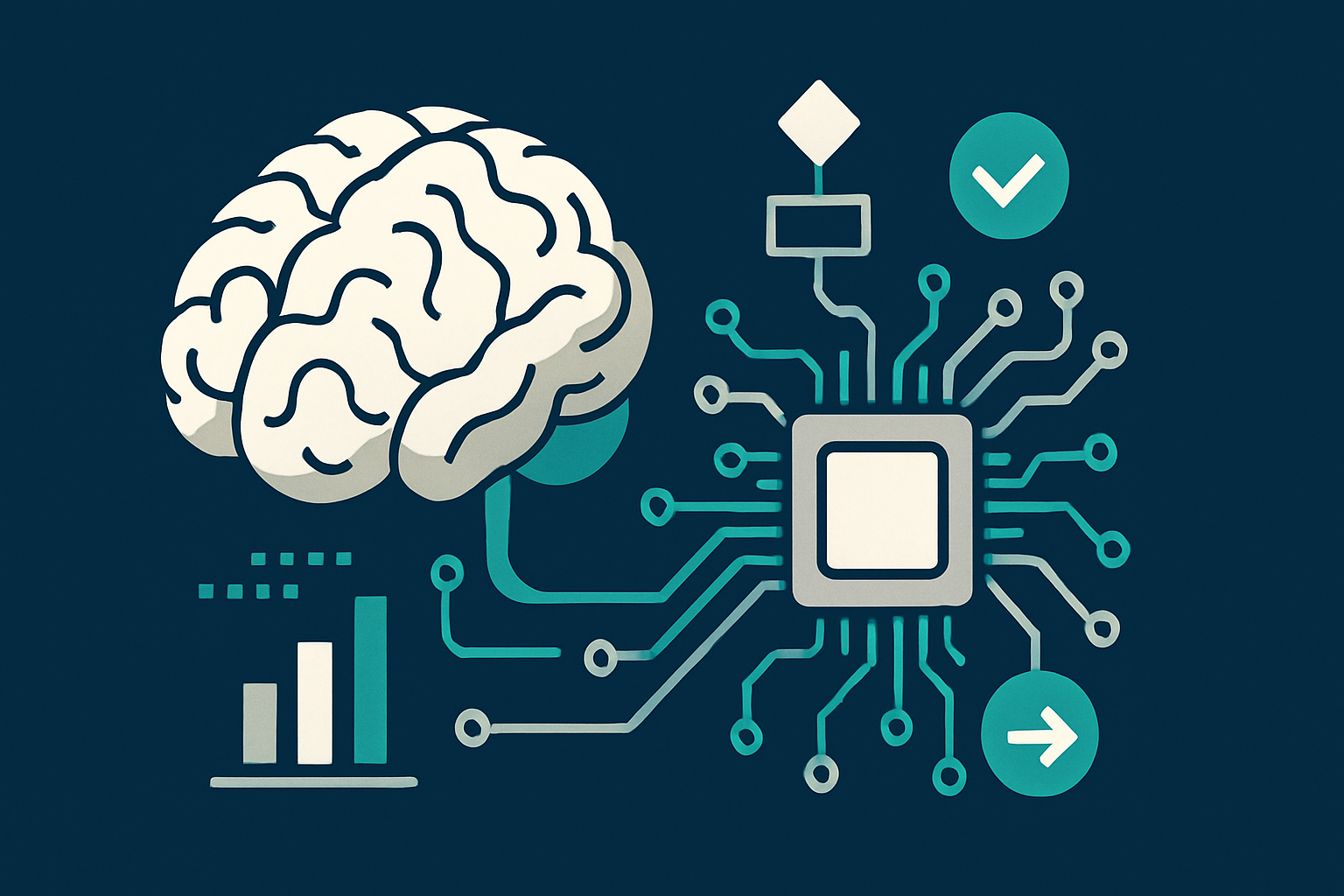
System 0: AI’s Role in Externalizing Human Thought
The concept of ‘System 0’ introduces AI as an external cognitive partner, raising questions about autonomy and the distribution of cognitive benefits. As AI reshapes decision-making processes, ethical guidelines are essential to ensure human agency remains central. Read more
-
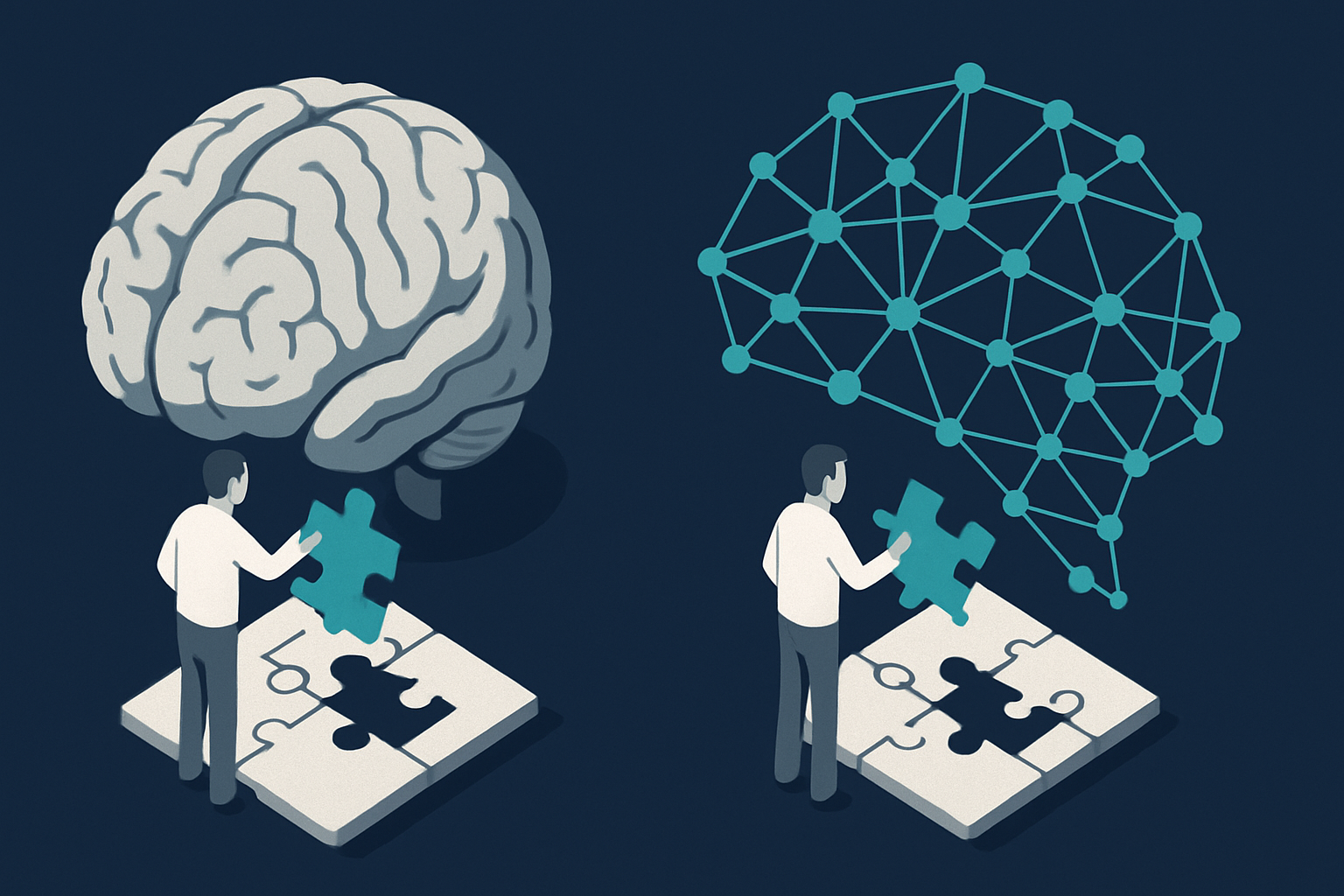
AI Mirrors Human Decision-Making: What This Reveals About Our Cognition
Harvard researchers have identified parallels between human and AI decision-making, revealing a shared tendency to default to past solutions. This cognitive bias, amplified by AI, could limit creativity and innovation unless addressed in AI design. Read more
-
Quantum Computing’s Role in AI-Driven Nuclear Research
The Genesis Mission, led by the U.S. Department of Energy, leverages AI and quantum computing to revolutionize nuclear research and national security. Boulder’s University of Colorado and Infleqtion play key roles, promising advancements in energy efficiency and safety. Read more
-
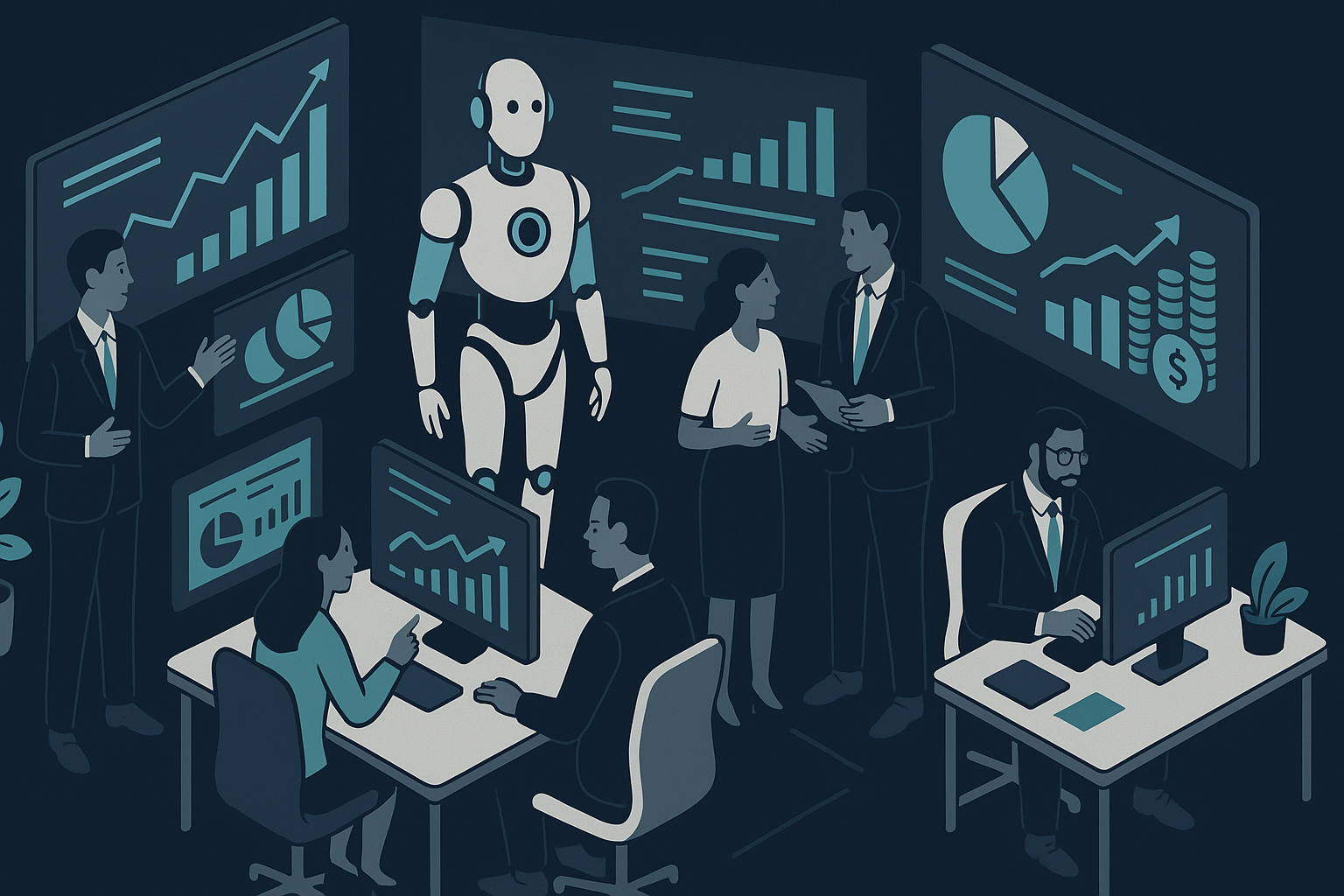
The Economic Implications of Technological Consolidation in Wealth Management
The acquisition of Transcend by Arax highlights a trend of consolidation and technological integration in wealth management. This shift promises efficiency but raises concerns about market concentration and labor market impacts. Read more