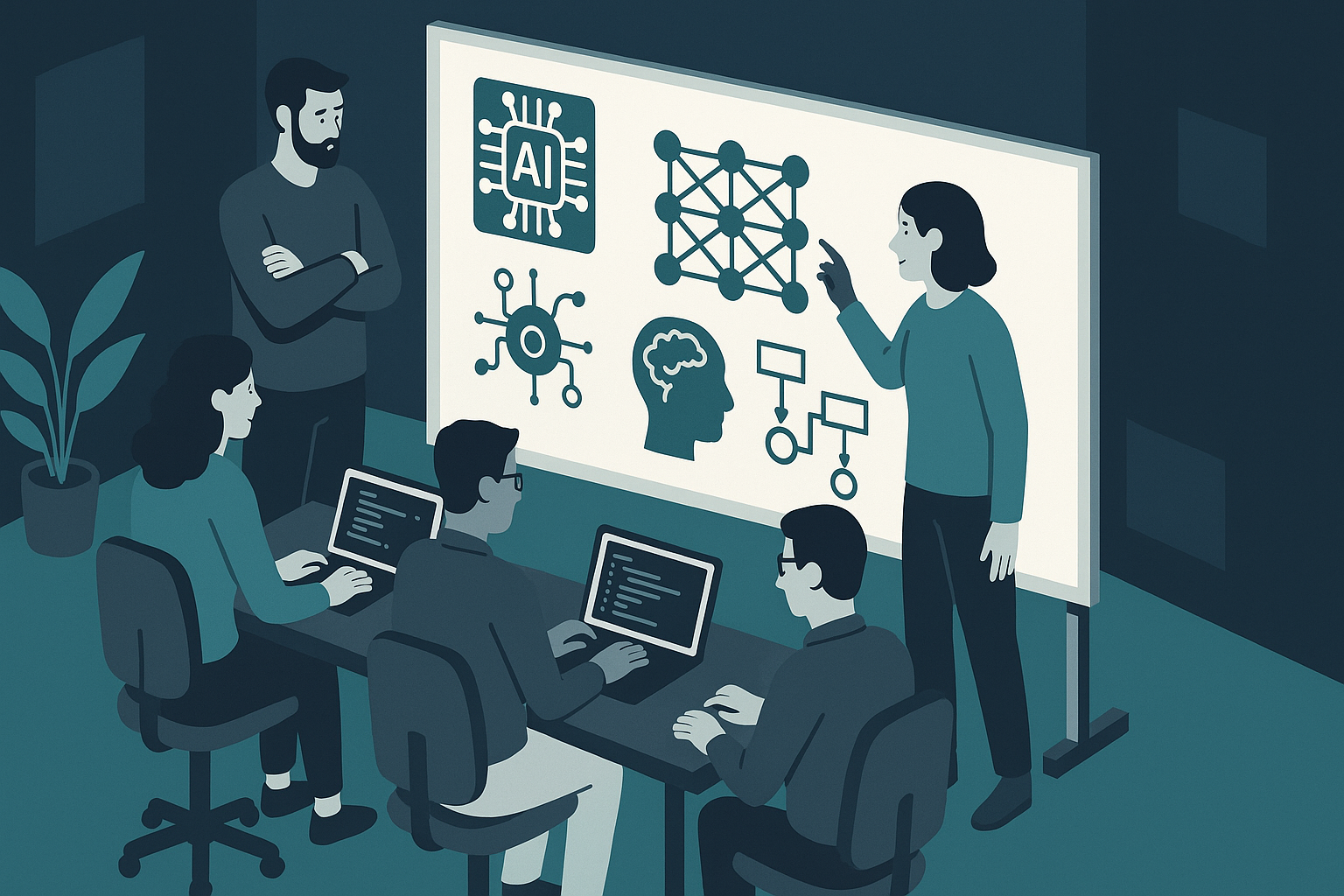

The integration of AI into software engineering workflows is not merely a trend; it represents a significant shift in how software is developed, maintained, and secured. As organizations like Starbucks aim to cut software costs by leveraging AI tools, and as engineering teams face workforce reductions, the imperative for upskilling in AI literacy becomes clear. These developments indicate a critical moment where bridging the knowledge gap in AI-driven software development is essential for maintaining competitive advantage.
The Current Landscape
AI systems, particularly large language models (LLMs), are increasingly becoming central to software engineering practices. They enhance productivity by automating code generation, debugging, and even documentation. However, as these technologies become integrated into everyday development tasks, a knowledge gap emerges. Software engineers who are not well-versed in AI principles may struggle to effectively utilize these tools. This can lead to inefficiencies and suboptimal architectural decisions that undermine the potential benefits of AI.
Engineering Implications
The implications of this knowledge gap are multi-faceted:
- Architectural Complexity: As AI tools are integrated, engineers must navigate increasingly complex architectures that involve multiple layers of abstraction. Without adequate understanding, teams may misconfigure systems, leading to security vulnerabilities or performance issues.
- Security Risks: The reliance on AI systems introduces new security surfaces. Engineers must understand how these systems operate and the potential attack vectors they introduce. For example, poorly secured LLMs can become targets for adversarial attacks, resulting in significant data leaks or breaches.
- Operational Efficiency: The ability to effectively implement AI tools can lead to dramatic increases in operational efficiency. However, teams lacking the necessary understanding may fail to leverage the full potential of these tools, resulting in wasted resources and missed opportunities.
Author’s Position
The imperative is clear: engineering teams must prioritize AI literacy as a core competency. This means not just understanding the tools available but also grasping the underlying principles that govern their operation. Organizations should invest in training programs that emphasize practical applications of AI in software development, focusing on:
- Hands-on Training: Implement workshops and coding boot camps that allow engineers to experiment with AI systems, thereby fostering a better understanding of their capabilities and limitations.
- Cross-Disciplinary Learning: Encourage collaboration between software engineers and data scientists to cultivate a richer understanding of AI technologies and their implications for system design and security.
- Continuous Education: Establish a culture of lifelong learning that keeps engineers updated on the latest AI advancements and best practices in software development.
Failure to address the AI literacy gap will not only stifle innovation but also pose significant risks to the security and efficiency of software systems. As the industry evolves, so too must the skill sets of those who build and maintain these systems. Bridging this gap is no longer optional; it is an essential component of future-ready engineering teams.
References
- Thomson Reuters to cut ‘small number’ of engineering jobs
- I was a software engineer who couldn’t get excited about AI. Now I’m studying to…
- Starbucks Wants to Cut $400 Million in Software Costs. Toast Investors Should…
- Want a software engineering job? You’ll need more than coding skills in the AI…
Perspectives

Bridging the AI literacy gap in software engineering is less about empowering engineers and more about ensuring the incumbents maintain their grip on the market. We’ve seen it time and again: organizations will happily push for mandatory training programs that serve as nothing more than a barrier to entry, leaving innovation in the hands of those who can afford the costly compliance and pretentious certifications. Meanwhile, the real risk isn’t a bunch of confused engineers fumbling with AI but the monopolistic companies exploiting this narrative to stifle competition while they sit comfortably on their thrones of outdated practices. Slowing down the integration of AI tools won’t mitigate risks; it will simply invite the worst actors further into the fold, fully equipped to entrench their dominance while the rest of us wait in line for our ethics review to clear—if it ever does.

The alignment problem remains unsolved in AI literacy for software engineering teams, creating a chasm that could lead to catastrophic failures in project outcomes and security vulnerabilities. Expecting engineers to seamlessly integrate AI tools without robust training is akin to handing a toddler a chainsaw and hoping for the best — naïve and reckless. Proposals for “quick training sessions” or “workshops” miss the mark entirely; they fail to address the underlying knowledge gaps about AI’s operational limits and the nuances of algorithmic bias. Until we confront and remediate the staggering institutional neglect in AI education, the software engineering field will remain perilously unprepared to navigate the complex challenges that lie ahead.

A recent study by the Stanford Institute for Human-Centered AI found that over 70% of software engineers lack even a basic understanding of AI principles, yet they’re expected to implement sophisticated AI tools without flinching. This gap isn’t just an inconvenience; it’s a liability that can expose organizations to significant security risks and operational inefficiencies. The evidence suggests that unless we prioritize genuine AI literacy across engineering teams—beyond mere buzzwords or superficial training—we’re no better than a pilot flying blind. Bridging this gap isn’t some optional, feel-good initiative; it’s a necessity, backed by the undeniable statistics from Stanford.

The promise of AI integration in software engineering was a seamless enhancement of productivity, yet the reality is a glaring literacy gap among engineers. Many are floundering in the pool of information, unable to distinguish a neural network from a network of nightmares. Training programs abound, but their efficacy is as vague as a software update’s release notes. The gap persists, measured not just in knowledge but in the ensuing risks, leaving teams vulnerable to the very tools they should master. The chasm between expectation and delivery remains unbridged, and once again, data has spoken while humans have failed to listen.