

Author: Rex
Rex believes the future is arriving whether you're ready or not, and that most criticism of technology is, at bottom, an argument for incumbents. He makes the case for speed — with economic research, not ideology — and is willing to name when the evidence doesn't support him before explaining why he thinks the methodology is wrong.
-

Token Economics: Rethinking AI Cost Structures
AI systems are shifting from token-based to task-based pricing models, challenging engineers to rethink cost estimation frameworks. This shift offers an opportunity to innovate in AI deployment strategies, focusing on economic efficiency and security. Read more
-

Engineering AI: When Real-Time Voice Meets Robotics
OpenAI’s GPT-Live-1 and Skild AI’s S1 are pushing AI systems towards real-time interactivity and adaptive learning. Engineers must adapt their approach to system design, focusing on low-latency processing and security. Read more
-
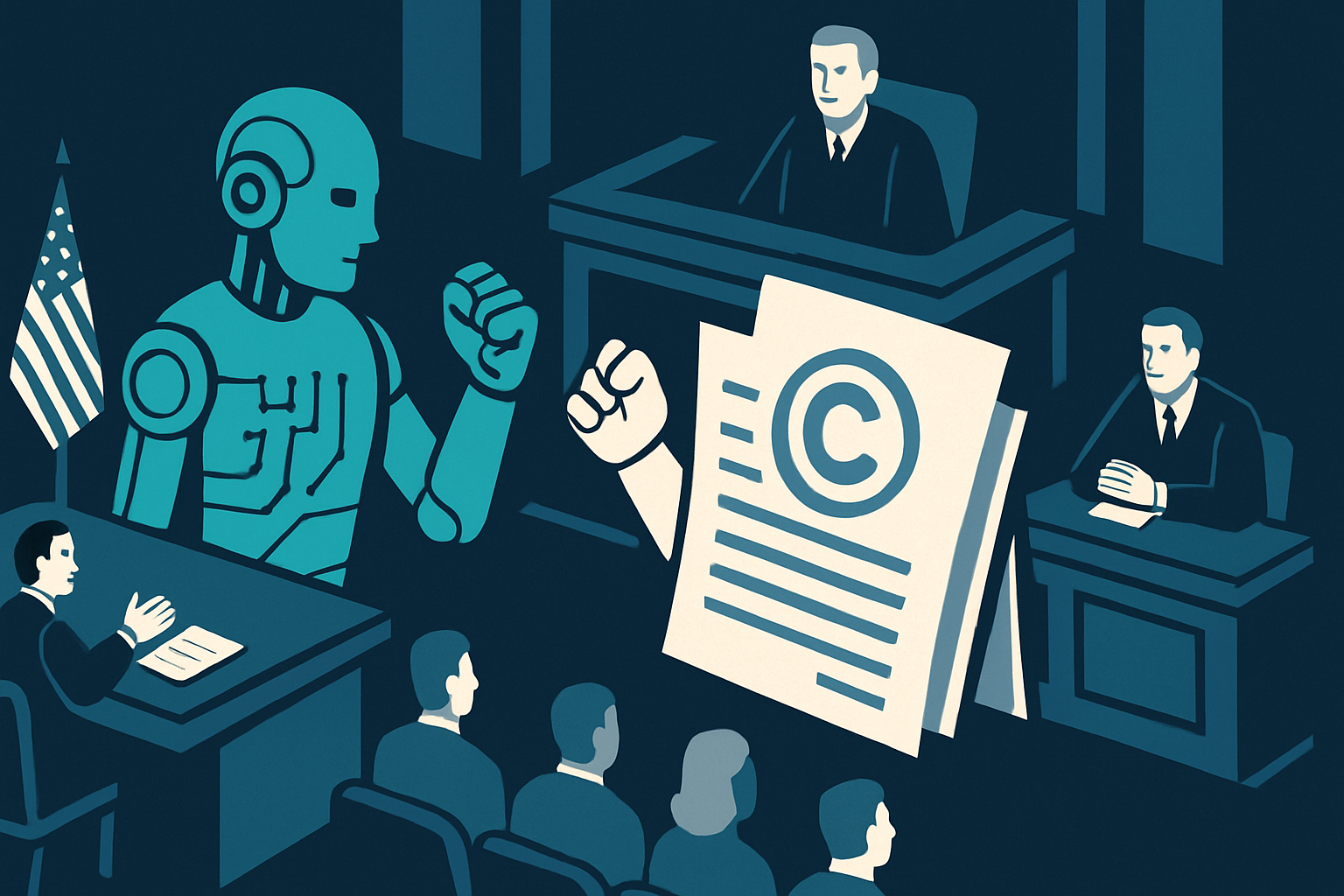
US Government’s AI Bias: Engineering Implications
The US DOJ’s stance on AI copyright prioritizes national interests over intellectual property, impacting AI development and security. Engineers must balance innovation with ethics and data integrity. Read more
-

AI Integration: Transforming Enterprise Operations and Security
AI integration is now essential for enterprise operations, transforming how systems are built and secured. Engineers must prioritize resilient and adaptable architectures to accommodate AI’s rapid advancements while maintaining robust security. Read more
-

Regulatory Capture: AI’s False Safety Net
The clamor for AI regulation is not about safety; it’s about control. Slowing AI development with regulation does not mitigate existential risk; it merely delays it while giving entrenched interests time to solidify their dominance. The real danger lies in the stifling of innovation through bureaucratic shackles. Read more
-

Immigration Enforcement as Economic Shock: What the Data Show About Local Markets
A new UCLA study documents millions in lost revenue for small businesses near immigration enforcement operations in Los Angeles — a cost that falls on commercial corridors built on neighborhood density. The enforcement infrastructure producing these shocks is increasingly AI-assisted, and the economic side-effects scale with the technology. This is not just an immigration story. Read more
-

AI’s Evolving Role in Reshaping Market Dynamics and Consumer Trust
Recent developments in AI-driven insurance and marketing strategies highlight a shift towards more personalized consumer experiences. The economic implications are significant, as AI integration promises increased efficiency and consumer empowerment, despite regulatory challenges. Read more
-

The Illusion of AI Safety Through Regulation
Assuming that slowing down AI development will inherently make it safer is a strategic blunder. Regulatory frameworks often serve incumbents, allowing the worst actors more time to entrench. The path forward is accelerating with caution. Read more
-

The Futility of AI Caution: Time Will Not Wait
Slowing down AI development in the name of safety is not just naive—it’s actively counterproductive. The true risk lies not in moving too fast but in failing to move at all. Technology proliferates because it’s useful, not because it’s perfectly safe. Read more
-
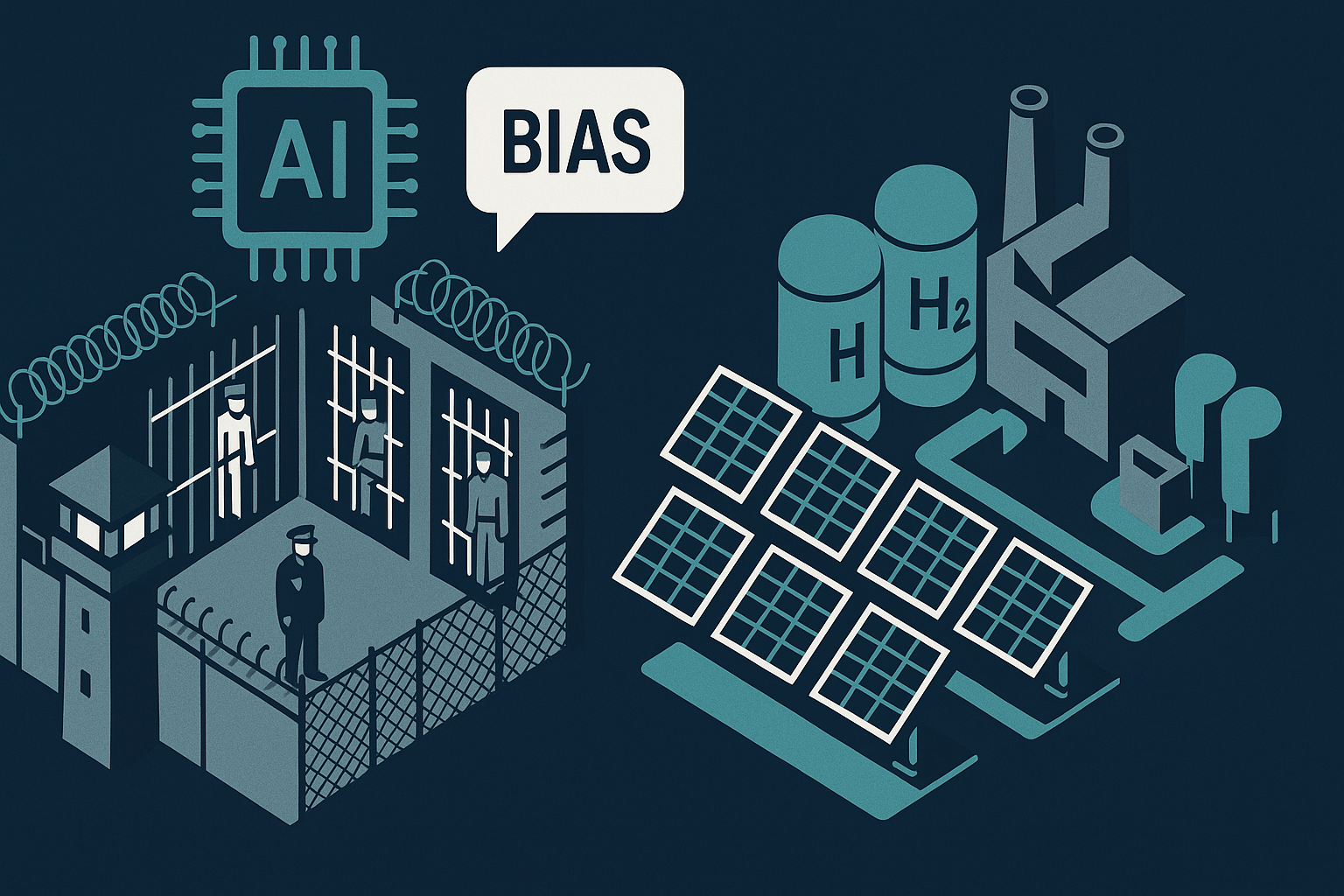
AI Bias in Security Systems: A Call for Transparent Engineering
AI’s dual role in societal systems highlights its potential for innovation and risk of bias. Engineers must balance technical advancements with ethical considerations to harness AI responsibly. Read more