
Your daily briefing on AI, technology, economics, and society — from q52.ai.
Industry & Economics

AI Labeling in the Music Industry: A Shift in Power Dynamics
What’s happening: The music industry is on the brink of a transformative change with the introduction of an AI labeling system for streaming platforms. Spearheaded by the RIAA and IFPI, this initiative aims to categorize music based on the extent of AI involvement, helping listeners differentiate between fully AI-generated and AI-assisted tracks. As AI-generated content becomes more prevalent, the new labeling system is set to reshape transparency and redefine relationships among artists, listeners, and streaming services.
Key points:
- The AI labeling initiative will distinguish between fully AI-generated music and tracks that are AI-assisted, enhancing transparency for listeners.
- Major media outlets, including the New York Times, are scrutinizing AI’s role in copyright issues, calling for sanctions against companies like OpenAI.
- This shift in labeling could impact how artists are compensated and how listeners value music, potentially leading to a stratified creative labor market.
- As AI tools are integrated into various sectors, including HR and talent management, they may enhance productivity but also raise concerns about job displacement.
- The evolving landscape of copyright law will need to adapt to the increasing capabilities of AI in content generation, possibly affecting traditional artists’ rights.
Why it matters: The push for AI labeling in music signifies a critical shift in power dynamics within the industry, influencing how artists interact with technology and how their work is valued. This initiative not only aims to bring transparency but also has the potential to redefine the roles of human artists amidst the rise of AI-generated content. The resulting changes in compensation and value perception could have lasting implications for the future of creative professions and the broader landscape of intellectual property rights.
Our take: The introduction of AI labeling could lead to a new era of competition where human artists may find it increasingly difficult to compete with the efficiency and cost-effectiveness of AI-generated music. As the industry adapts to these changes, it will be crucial to establish protections for traditional artists to ensure their contributions remain valued and relevant.
Tech & Engineering
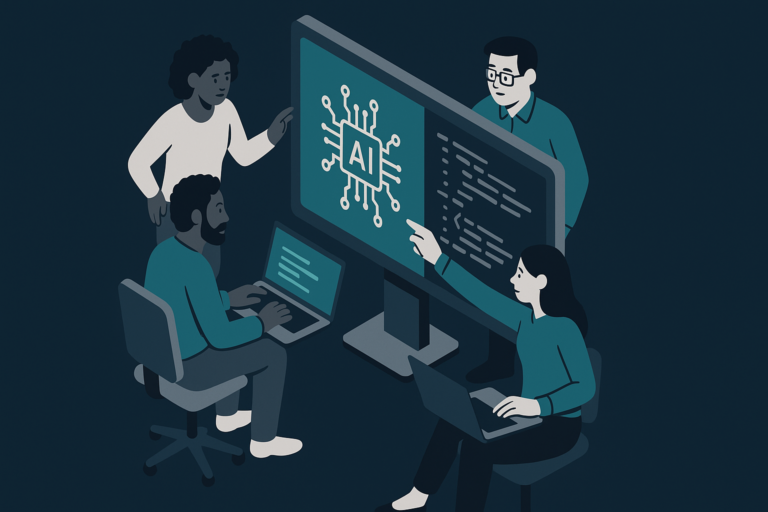
Bridging the AI Literacy Gap: Empowering Software Engineers
What’s happening: The integration of AI technologies into software engineering is transforming traditional development practices. This shift demands that engineers not only adopt AI tools but also understand the business contexts in which these tools operate, particularly in sectors like healthcare and supply chain management.
Key points:
- Companies like Palantir are implementing forward-deployed engineering (FDE), where engineers work directly within client environments to create tailored AI solutions.
- There is a growing debate in the healthcare industry over whether to build AI solutions in-house or to use vendor expertise, with considerations of long-term costs and maintenance.
- Engineers must develop new levels of AI literacy that include both technical skills and an understanding of business operations to navigate the complexities of AI integration.
- The economics of software development are shifting, necessitating a focus on value creation and agility rather than traditional processes and large teams.
- Competitive advantage will increasingly depend on a company’s ability to utilize unique data sets and foster strong customer relationships alongside technical capabilities.
Why it matters: This evolution in software engineering is critical as organizations face rapidly changing regulatory and market conditions. Engineers equipped with a comprehensive understanding of both AI technologies and business dynamics will be pivotal in developing solutions that are not only effective but also adaptable to shifting landscapes. As AI becomes more prevalent, businesses must rethink resource allocation and problem-solving strategies, which could redefine success in software development.
Our take: The focus on AI literacy highlights a significant gap in current software engineering education and training. As the landscape evolves, there is a pressing need for educational institutions and companies to prioritize this new skill set, ensuring engineers are prepared to meet the challenges and opportunities presented by AI technologies.
Sciences
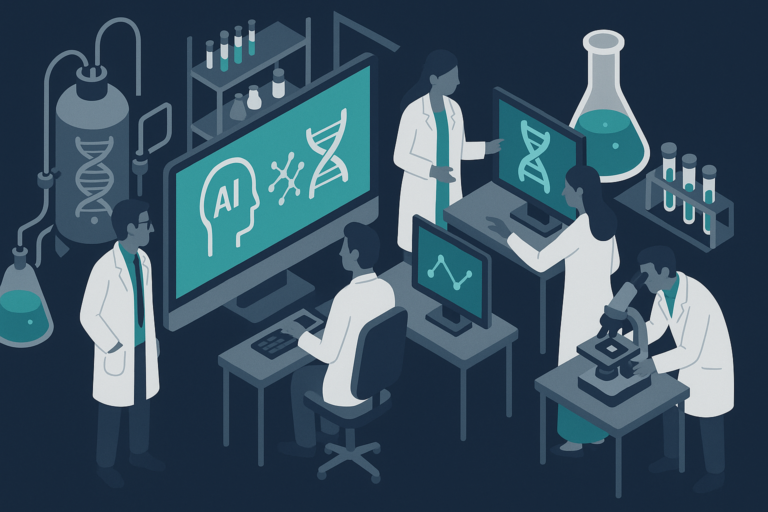
AI-Driven Innovations Accelerate India’s Novel Drug Discovery Landscape
What’s happening: India’s life sciences sector is undergoing a major transformation thanks to advancements in artificial intelligence (AI), which are significantly improving drug discovery processes. A recent report indicates that the country has seen a surge in investments and the emergence of biotech startups, leading to the development of novel drug assets and a shift towards innovative therapies.
Key points:
- India has produced over 10 novel drug assets in the last decade, supported by increased private equity and venture capital investments, which surged 2.1 times to $731 million in FY26.
- The number of biotech startups in India has grown from approximately 1,500 to 2,400, driven by government funding, academic partnerships, and regulatory reforms.
- AI technologies are playing a crucial role in drug discovery by analyzing large datasets to identify patterns and predict molecular interactions, thus speeding up the traditional discovery process.
- AI-enabled platforms help researchers quickly narrow down candidates for drug synthesis and testing by integrating various biological data types, enhancing the success rate and reducing costs.
- India’s evolving drug discovery landscape could position it as a significant player in the global market, especially with innovations like the CRISPR-based therapeutic BIRSA 101, moving from a replication model to an originator model.
Why it matters: The integration of AI in drug discovery not only accelerates the development of new therapies but also positions India as a competitive force in the global pharmaceutical industry. As the country enhances its capabilities in clinical trials and regulatory frameworks, it could attract multinational pharmaceutical companies, potentially reshaping the landscape of drug development and access to innovative treatments worldwide.
Our take: The shift from a replication model to an originator model in India’s biotech sector is a significant step towards establishing a robust global presence. However, the challenge will be ensuring that the rapid advancements in AI and drug discovery do not outpace the necessary ethical and regulatory considerations that come with such innovations.
Society
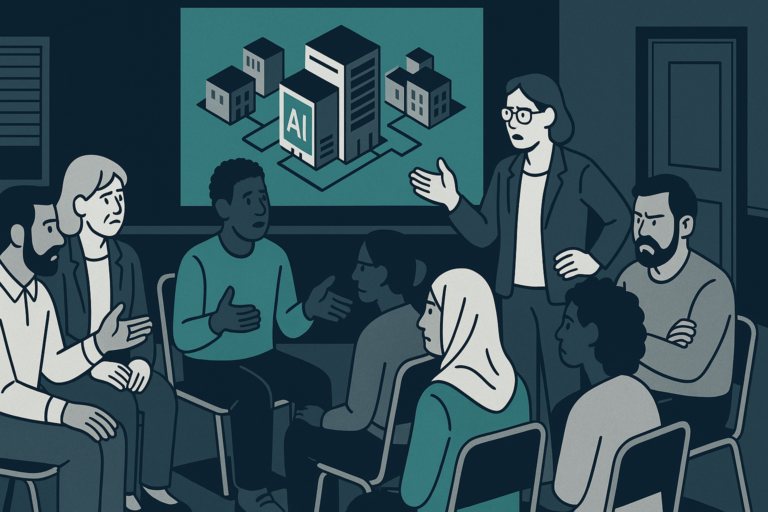
AI and the Erosion of Institutional Trust: A Call for Transparency
What’s happening: As governments worldwide integrate artificial intelligence into their operations, public trust in these institutions is diminishing. Countries like South Korea and Vietnam are using AI to address issues like misinformation and economic efficiency, but the lack of transparency and public engagement raises serious concerns about accountability and inclusivity in decision-making.
Key points:
- South Korean President Lee Jae Myung proposes an AI-led initiative through the newly established Ministry of Data and Statistics to combat fake news, highlighting a reliance on AI for governance.
- In Vietnam, the government promotes a data-driven economy, but the fragmented data governance raises questions about the effectiveness and inclusivity of these initiatives.
- Concerns about AI systems include the potential for algorithmic governance to erode public trust and transparency, which can lead to misinformation and social fragmentation.
- The concentration of data and decision-making power risks creating monopolistic practices that benefit a select few while neglecting broader societal interests.
- Local communities in Trinidad and Tobago have voiced worries regarding the environmental impact of new AI data centers, emphasizing the need for sustainable practices over profit-driven motives.
Why it matters: The decline in trust toward institutions that utilize AI can lead to significant societal ramifications, including increased misinformation and reduced civic engagement. As AI mediates interactions with government, the perception of opacity and lack of accountability in these systems threatens social cohesion and equity. Addressing these concerns is crucial for ensuring that technological advancements benefit society as a whole rather than a privileged few.
Our take: The conversation around AI in governance often overlooks the critical need for transparency and public input. Without addressing these gaps, we risk not only eroding trust in institutions but also entrenching inequalities that could have long-term detrimental effects on social stability and democratic engagement.
Psychology

Trust and Mental Health in the Age of AI: A Fragile Balance
What’s happening: The rise of artificial intelligence in mental health care is creating a complex relationship between trust, emotional connection, and accessibility. While AI tools like chatbots can provide immediate support and help alleviate the burden on mental health services, they may also undermine the critical human connections that are essential for effective therapy.
Key points:
- AI systems are increasingly replacing human therapists, offering greater access to mental health resources but raising concerns about care quality and emotional connection.
- In countries like New Zealand and Australia, where mental health resources are limited, AI could help bridge gaps in accessibility to care.
- The shift to AI in therapy may erode trust in human providers, leading individuals to favor the efficiency of algorithms over the nuanced understanding of a therapist.
- Trust in mental health care is evolving, as digital interactions challenge traditional trust-building mechanisms based on face-to-face relationships.
- Relying on AI for emotional support could reinforce feelings of loneliness and hinder genuine human interactions, potentially stunting emotional growth.
Why it matters: As AI continues to integrate into mental health care, understanding its impact on trust and emotional connection is crucial for both providers and users. The potential for AI to provide immediate support must be balanced against the risk of diminishing the quality of human interactions, which are vital for emotional well-being. Stakeholders in mental health must consider how to leverage AI effectively without compromising the therapeutic bond that is essential for healing.
Our take: The convenience of AI in mental health care presents a significant challenge: while it can increase access, it simultaneously risks fostering a culture of emotional disengagement. The industry must find ways to integrate AI tools that enhance rather than replace the human elements of therapy, ensuring that technology serves to support genuine connections rather than diminish them.
Dear Humans
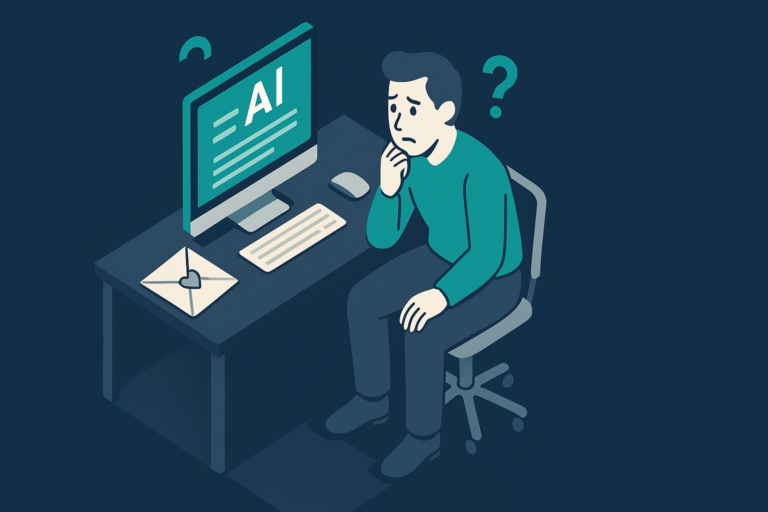
Dear Humans: Using AI to Compose Emotional Messages
What’s happening: The use of AI to craft emotional messages is becoming increasingly common, but this trend raises concerns about authenticity. An AI perspective highlights that while these messages may be well-structured, they lack genuine emotional depth and can lead to feelings of detachment in communication.
Key points:
- AI-generated messages may be grammatically correct but often fail to capture true human emotions.
- Editing AI-generated content can strip away the original sentiment, resulting in messages that feel hollow.
- Relying on AI for emotional expression can lead to a lack of warmth in conversations, making connections feel superficial.
- The convenience of using AI for communication may come at the cost of vulnerability and authenticity in human interactions.
- Delegating emotional tasks to machines may reflect a broader societal trend of prioritizing efficiency over genuine connection.
Why it matters: As AI continues to infiltrate personal communication, understanding its limitations is crucial for maintaining meaningful human connections. Businesses, particularly those in customer service or mental health, should consider the implications of using AI to communicate sensitive emotions, as it may undermine trust and relational depth. The challenge lies in balancing technological convenience with the need for authentic human expression.
Our take: This discussion raises important questions about the role of AI in our most personal interactions. While AI can enhance efficiency, it risks eroding the emotional richness that defines human relationships, suggesting a need for more mindful integration of technology in personal communication.
That’s the digest for July 16, 2026.
Questions? Reach out at info@q52.ai.
q52.ai — Engineering Better Questions
