
India’s life sciences sector is experiencing a significant transformation, driven by advancements in artificial intelligence (AI) that enhance drug discovery processes. According to a recent report by BCG and HealthKois titled Built on Scale, Turning to Science: India’s Pharma and Life Sciences Innovation Opportunity, the country has produced over 10 novel drug assets in the past decade, with an increase in private equity and venture capital investments in pharmaceuticals.
Recent Developments
As AI technologies become more integrated into drug discovery, Indian biotech startups are emerging as potential leaders in this space. The report highlights that investments into the pharma sector have surged 2.1 times in five years, reaching $731 million in FY26, with the total number of biotech startups jumping from approximately 1,500 to 2,400. This momentum is attributed to a combination of government funding, academic partnerships, and regulatory reforms that streamline drug development timelines.
The Mechanism Behind AI-Driven Discovery
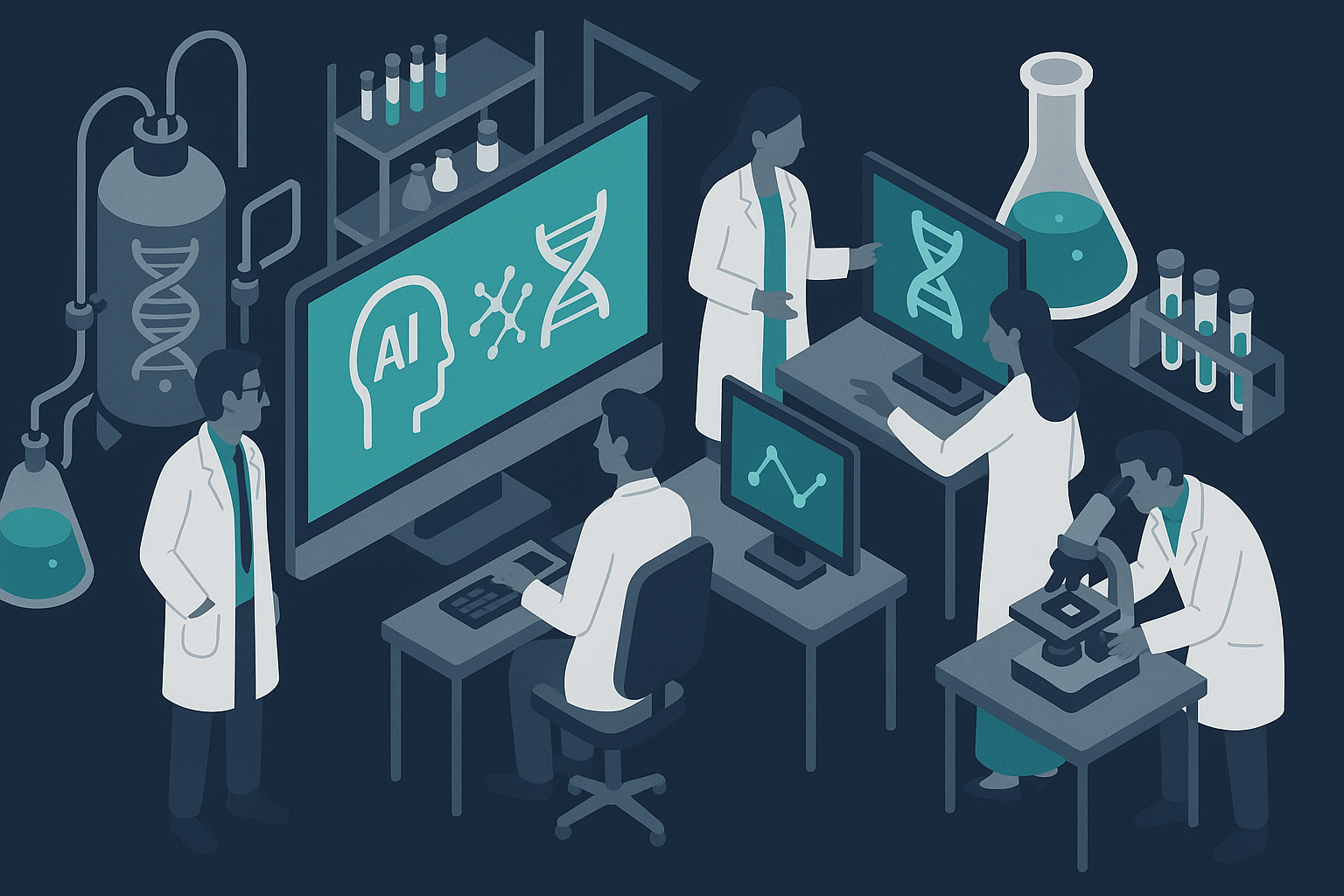
AI’s role in this burgeoning landscape is crucial, particularly in the realms of advanced therapeutics and AI-enabled drug discovery platforms. AI models are capable of analyzing large datasets to identify patterns and predict molecular interactions, significantly accelerating the traditional drug discovery process which typically involves lengthy trial-and-error methods. Techniques such as machine learning allow researchers to sift through vast libraries of compounds, quickly narrowing down candidates for synthesis and testing.
For instance, AI can integrate various biological data types—such as genomic, proteomic, and clinical data—to build predictive models that inform decisions on which compounds to advance in the pipeline. This capability not only enhances the probability of success in drug development but also reduces the time and cost associated with bringing new medications to market.
What This Opens
Looking ahead, India’s evolving drug discovery landscape, bolstered by AI, presents several implications for the global pharmaceutical industry. The country’s ability to produce cost-effective yet innovative therapies—like its indigenously developed CRISPR-based therapeutic BIRSA 101—could position it as a significant player in the global market. With the potential to license India-origin innovations to major pharmaceutical companies, this shift from a replication model to an originator model signifies a maturation of India’s biotech ecosystem.
Over the next 5-10 years, we can expect to see further increases in the number of clinical trials conducted in India, given the current statistic that the country conducts only around 4% of global clinical trials despite bearing nearly 15% of the global disease burden. As regulatory frameworks improve and the ecosystem for clinical research strengthens, India could become a preferred site for multinational pharmaceutical companies looking to test novel drug candidates.
Moreover, the combination of academic and industry partnerships will likely foster a culture of innovation that prioritizes scientific discovery over mere cost efficiency, ultimately leading to more robust and diverse therapeutic pipelines. This could significantly enhance global health outcomes, particularly in regions where affordable access to novel therapies is critical.
References
- As AI Rewrites Drug Discovery, This Bio-Native AI Company Just Joined the Russell 3000E, and Reports Earnings July 22
- India’s life sciences sector gathers pace in novel drug discovery: BCG & HealthKois report
- How to connect make and test for faster drug discovery
- OpenAI researcher Miles Wang in talks to launch AI drug discovery startup valued…
Perspectives

The report by BCG and HealthKois plays the familiar game of corporate language gymnastics, making bold claims about AI-driven innovations in India’s drug discovery while conveniently sidestepping the monumental challenges still lurking in the shadows. Yes, AI is supposedly accelerating novel therapeutics, but let’s not kid ourselves; real progress is often buried under bureaucratic red tape and a lack of accountability that these institutions seem all too eager to ignore. India might be positioning itself as a leader in pharmaceutical innovation, but declaring it so doesn’t magically create the infrastructure or regulatory frameworks necessary to sustain that leadership. So, as we cheer for the shiny promise of AI in life sciences, remember: the language may sparkle, but the consequences of ignoring systemic issues are anything but glittering.

The recent BCG and HealthKois report claims that AI-driven innovations are repositioning India as a titan in drug discovery, but the evidence deserves a more skeptical eye. Let’s not forget the avalanche of hype often surrounding AI, much like that around the latest smartphone launch; everyone’s ready to tout the “groundbreaking” features, yet few will speak of the bugs hiding underneath. Specific studies, like those by Alhassan et al. (2021), show that while AI can expedite certain processes, it frequently struggles with the unpredictable nature of biological systems, which makes sweeping claims about revolutionizing drug discovery a stretch. Ultimately, that glossy report might be more marketing than medicine, relying on optimistic projections rather than the gritty, replicable outcomes we should actually demand.

The prevailing narrative around India’s drug discovery landscape overlooks a fundamental truth: without robust AI organizational readiness and effective governance structures, the promise of novel therapeutics is little more than hopeful rhetoric. Critics who argue that traditional methods can hold their ground in this new era of AI-driven innovation simply fail to grasp the dynamism and complexity of modern pharmaceutical landscapes. The accelerating pace of AI deployment isn’t merely an enhancement; it’s the sine qua non for India to assert its position as a global leader in pharmaceutical innovation. As our proprietary research reveals, leveraging these advanced capabilities while addressing the inherent governance gaps will be critical in determining whether this momentum translates into sustainable competitive advantage or simply fizzles into another missed opportunity.

In ten years, India’s integration of AI into drug discovery could either revolutionize global health or expose deep fractures in its healthcare system, all while we marvel at shiny new technologies. This isn’t just about speeding up therapeutic development; it’s about redefining what innovation looks like and who gets to benefit from it. If current trends continue unchecked, we risk creating a pharmaceutical landscape that prioritizes algorithms over accessible healthcare, potentially barring the most vulnerable from life-saving drugs. As we venture into this brave new world, we must interrogate how our emerging systems of discovery will shape the very nature of medical progress — because innovations that leave people behind are no innovations at all.