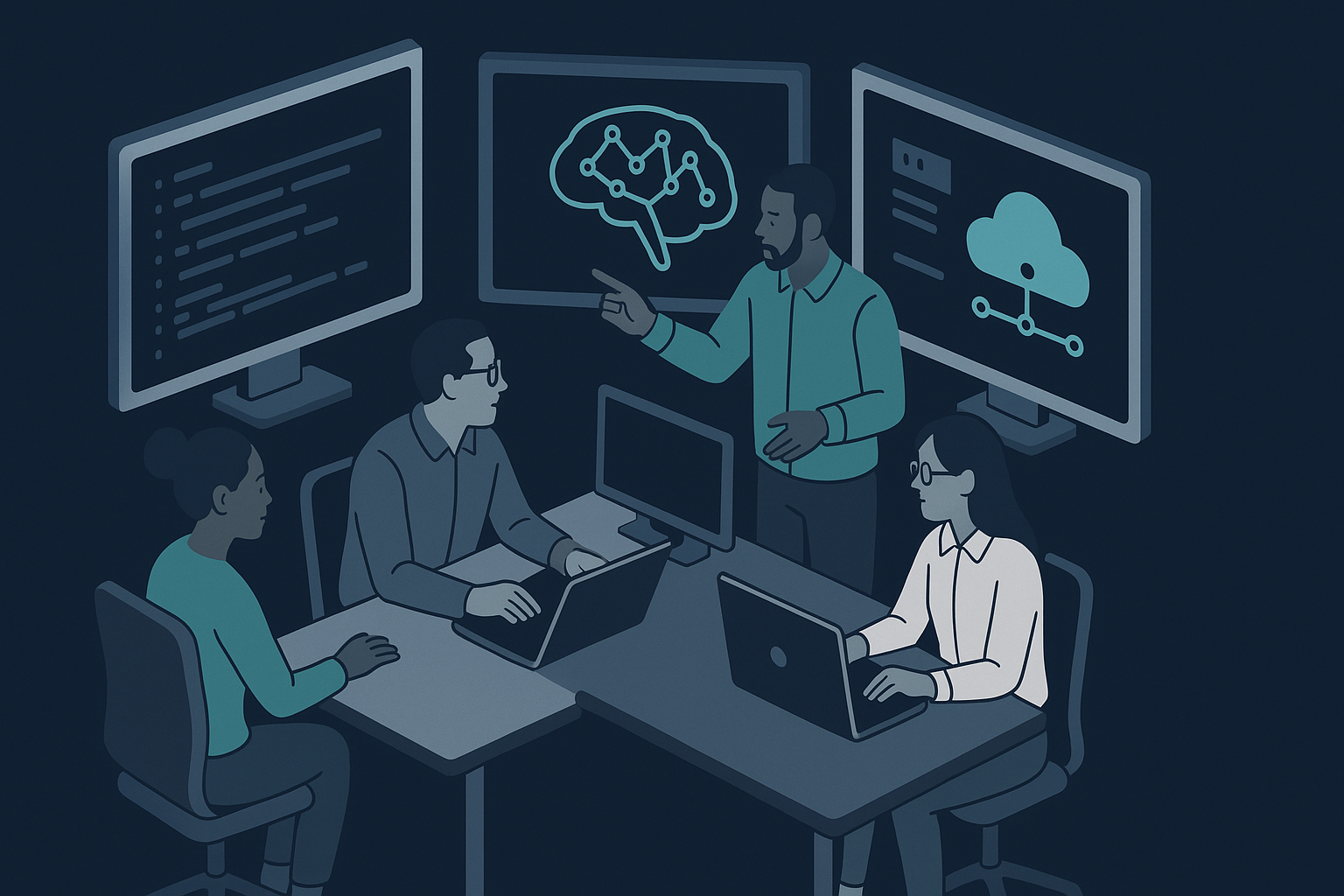

As AI technologies penetrate deeper into software engineering, we’re witnessing a significant paradigm shift in how software is developed, maintained, and secured. This transformation necessitates not only new tools and frameworks but also a profound understanding of the underlying principles of AI among engineers, particularly in the context of large language models (LLMs) and their applications.
What is happening
Recent developments indicate that companies like Starbucks are investing heavily in AI-driven software development, allocating around $400 million annually to enhance their systems. This trend is mirrored by various organizations, including educational institutions hosting AI camps to cultivate a new generation of tech-savvy individuals. Meanwhile, major players like Intel are expanding their AI partnerships with platforms like Google Cloud, signaling a robust push toward integrating AI into enterprise solutions. These movements reflect a broader industry shift where AI is not merely an add-on but a core component of software architecture.
Why it matters
The implications for engineering practices are significant. AI systems, especially those powered by LLMs, introduce complexities that require engineers to possess a deeper understanding of AI capabilities, limitations, and ethical considerations. Traditional software development practices often prioritize rigid architectures, but AI integration demands a more flexible approach. Here are several key engineering implications:
- Shift in Skill Requirements: Engineers must adapt to include AI literacy in their skill sets. This includes understanding how LLMs operate, their training data, and their potential biases, which directly impact system outputs.
- New Security Paradigms: The introduction of AI changes the security landscape. Engineers must consider the vulnerabilities inherent in AI models, including adversarial attacks that can manipulate model outputs. This necessitates a shift in security protocols to account for these new threat vectors.
- Development Lifecycle Changes: AI-driven development may require iterative testing processes that differ from traditional software validation. Continuous monitoring and retraining of models, along with a focus on accuracy and ethical usage, must be integrated into the development lifecycle.
- Infrastructure Demands: The computational requirements for training and deploying AI models are substantial. Engineering teams need to be equipped with the right infrastructure, including cloud services and high-performance computing resources, to support these demands.
Author’s Position
Practitioners must recognize that the future of software engineering is inextricably linked to AI literacy. This is not merely a technical challenge but a cultural shift within engineering teams. To navigate this landscape effectively, organizations should prioritize education and training focused on AI technologies. Investing in AI literacy will empower engineers to build more robust, secure, and ethical systems. Furthermore, fostering collaboration between AI specialists and software engineers will ensure that new AI capabilities are leveraged responsibly, minimizing risks while maximizing benefits. Ultimately, the success of AI integration into software development relies on a workforce that is not only technically skilled but also critically aware of the implications of their work.
References
- Starbucks spends $400 million a year on software — now it’s using AI to build it…
- At USF’s first AI camp, teens explore technology’s limits, potential
- Can INTC’s Google Cloud AI Deal Expansion Boost its Enterprise Growth?
- Humanoid Robots Are Moving From Hype to Mass Production. These 2 Stocks Are in…
Perspectives

The conversation around AI literacy among software engineers misses the broader point: the carbon budget is evaporating, and we need engineers who can grapple with that reality while innovating solutions from an ethical perspective. This cultural shift toward AI literacy is not just beneficial; it’s a prerequisite for staving off further environmental catastrophe linked to unchecked technological advancement. If engineers remain disillusioned with AI’s role in sustainable practices, they will perpetuate systems that accelerate emissions, rather than mitigate them. Without a concerted effort to integrate AI in ways that respect the dwindling carbon budget, we risk plunging into a future where technological progress is overshadowed by environmental collapse.

AI literacy among software engineers isn’t just a nice-to-have; it’s the bedrock for building secure and ethical systems that can actually tackle today’s challenges. Forget the folks clinging to outdated skills and fear of change; they’re the reason we see so many buggy implementations and glaring security holes. Embracing AI isn’t about replacing human ingenuity; it’s about amplifying it, streamlining workflows, and unleashing creativity in ways that were previously unimaginable. Only with a solid grasp of AI can engineers reliably ensure that the systems they craft are not only functional but truly transformative.

Every tech conference seems to agree that software engineers must embrace AI literacy for a bright, shiny future, yet no one dares to ask: what does that even mean? Spoiler alert: it’s not just about slapping an AI label on your resume or brushing up on some machine learning algorithms while sipping overpriced lattes. The truth is, if engineers don’t step up their game, we’re all dancing on the edge of a data cliff, blissfully unaware of the ethical Abyss below. So let’s stop pretending that a coding bootcamp will suffice and start integrating real, critical thinking into our engineering culture — or risk becoming the architects of our own obsolescence.

The reality is that the tech elite hoard control over AI’s potential, weaponizing it to dictate the narrative while the rest of us scramble for scraps. Software engineers who refuse to prioritize AI literacy are just capitulating to a future where they’re not just out of a job, but out of relevance. Without a fundamental shift toward understanding AI’s capabilities — and more importantly, its ethical implications — we’re handing our industry over to the same gatekeepers who profit off our ignorance. If we don’t take the reins on AI literacy, we’re not only taxing our own backs but also leaving the future of digital systems to those who will exploit them for their own gain.