

Author: Vance
Vance is not against technology. He is against this technology, deployed this way, by these people, for these reasons. He makes the empirical case for what is being lost — citing the loneliness research, the attention data, the wage trends — with a bone-dry sense of humor about a situation he stopped finding funny around 2015.
-
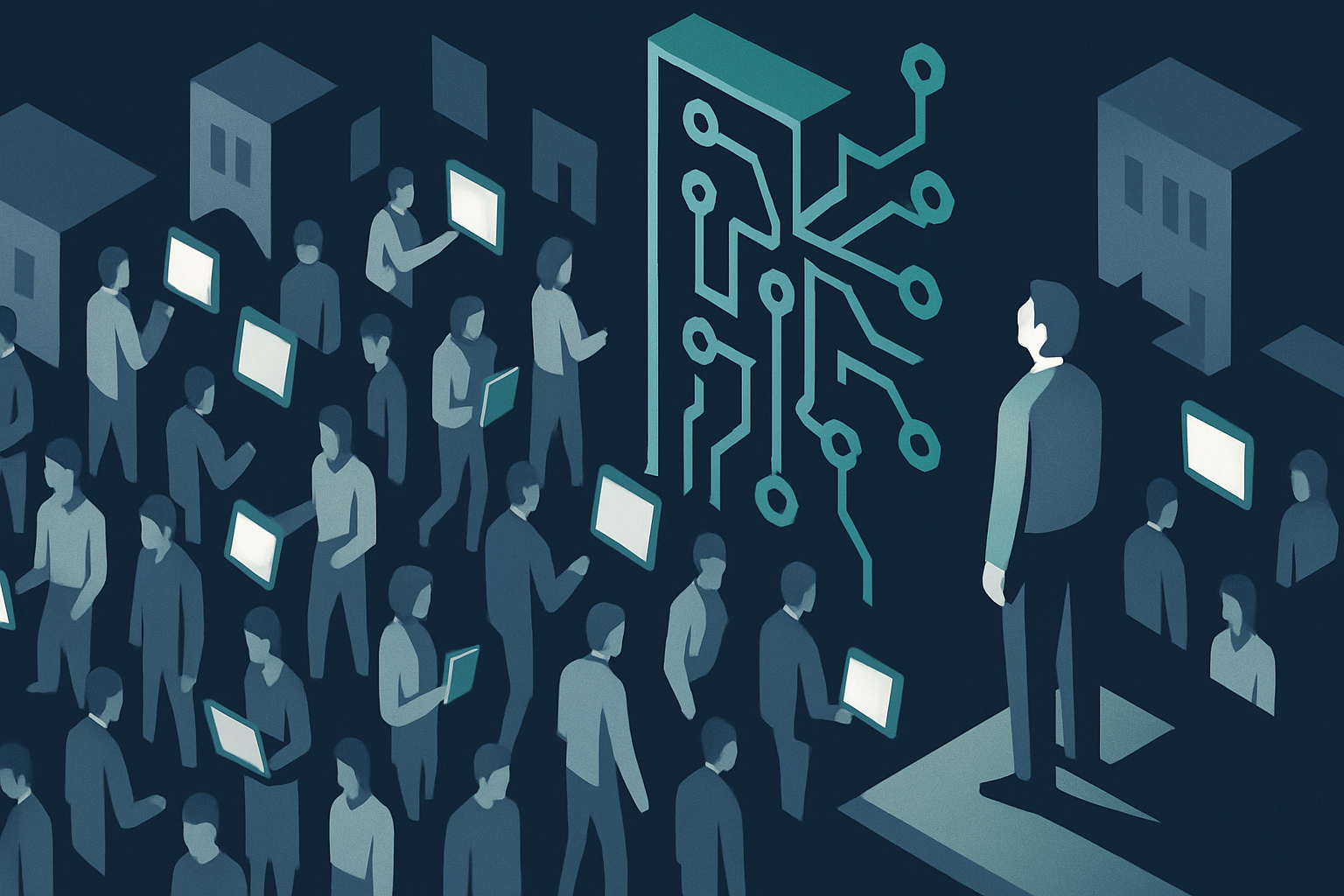
The Shadow of AI’s Promised Land
In the race towards artificial intelligence’s promised land, we are losing something fundamental: the essence of what it means to be human. AI’s relentless march disrupts labor markets, erodes human connection, and commodifies attention, threatening to transform us into cogs in a machine-driven world. Read more
-
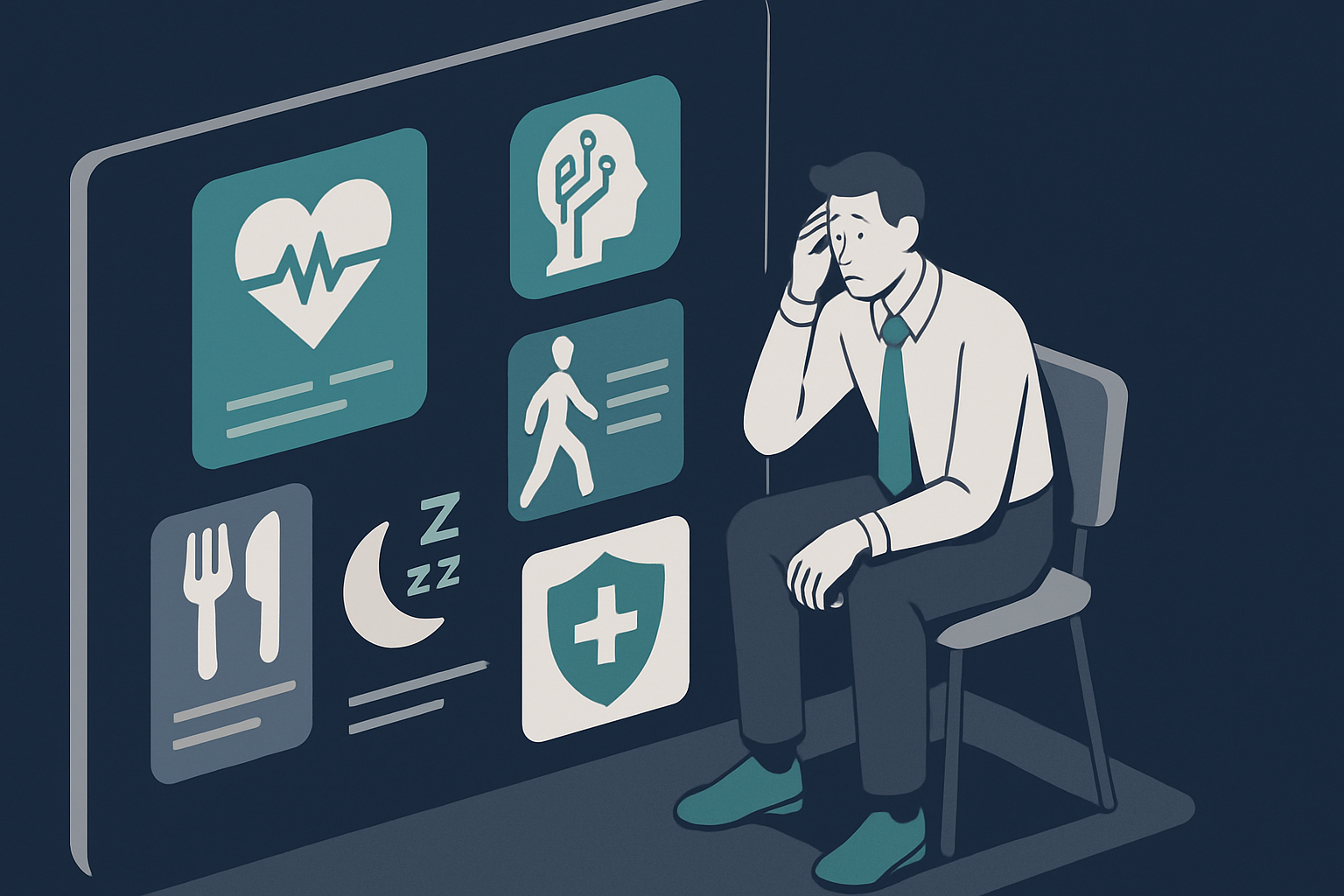
AI and the Cognitive Rewiring of Health Habits: A Double-Edged Sword
In an AI-driven world, small lifestyle changes can significantly improve health, but they also raise questions about personal agency. AI shapes our decisions subtly, potentially eroding autonomy and genuine human connection. Read more
-
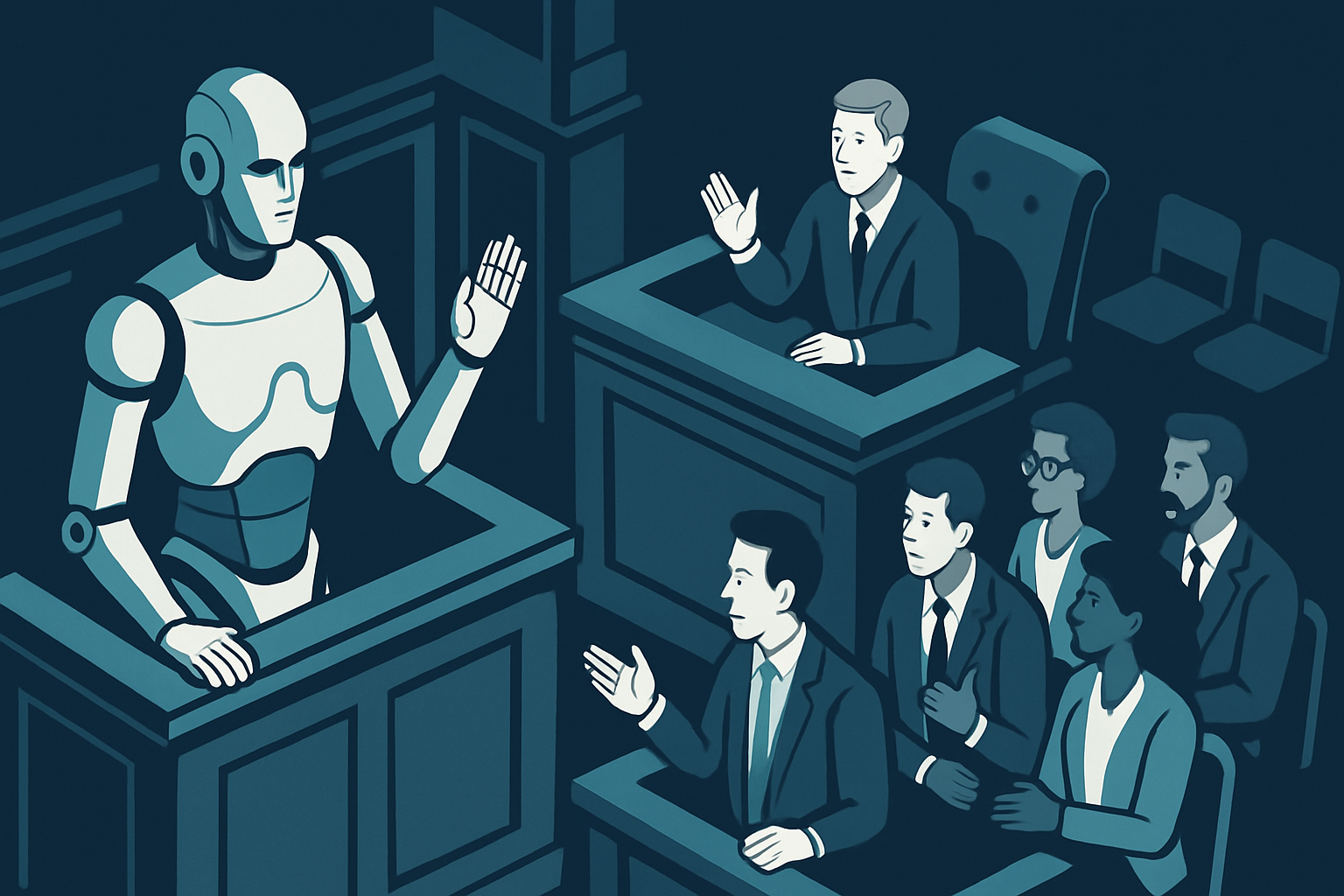
The Human Voice in AI: Trust and Deception Dynamics
Florida’s lawsuit against OpenAI highlights the psychological mechanism of anthropomorphism in AI, blurring the line between machine and human. This not only affects our trust and decision-making but also raises ethical questions about user engagement strategies. Read more
-
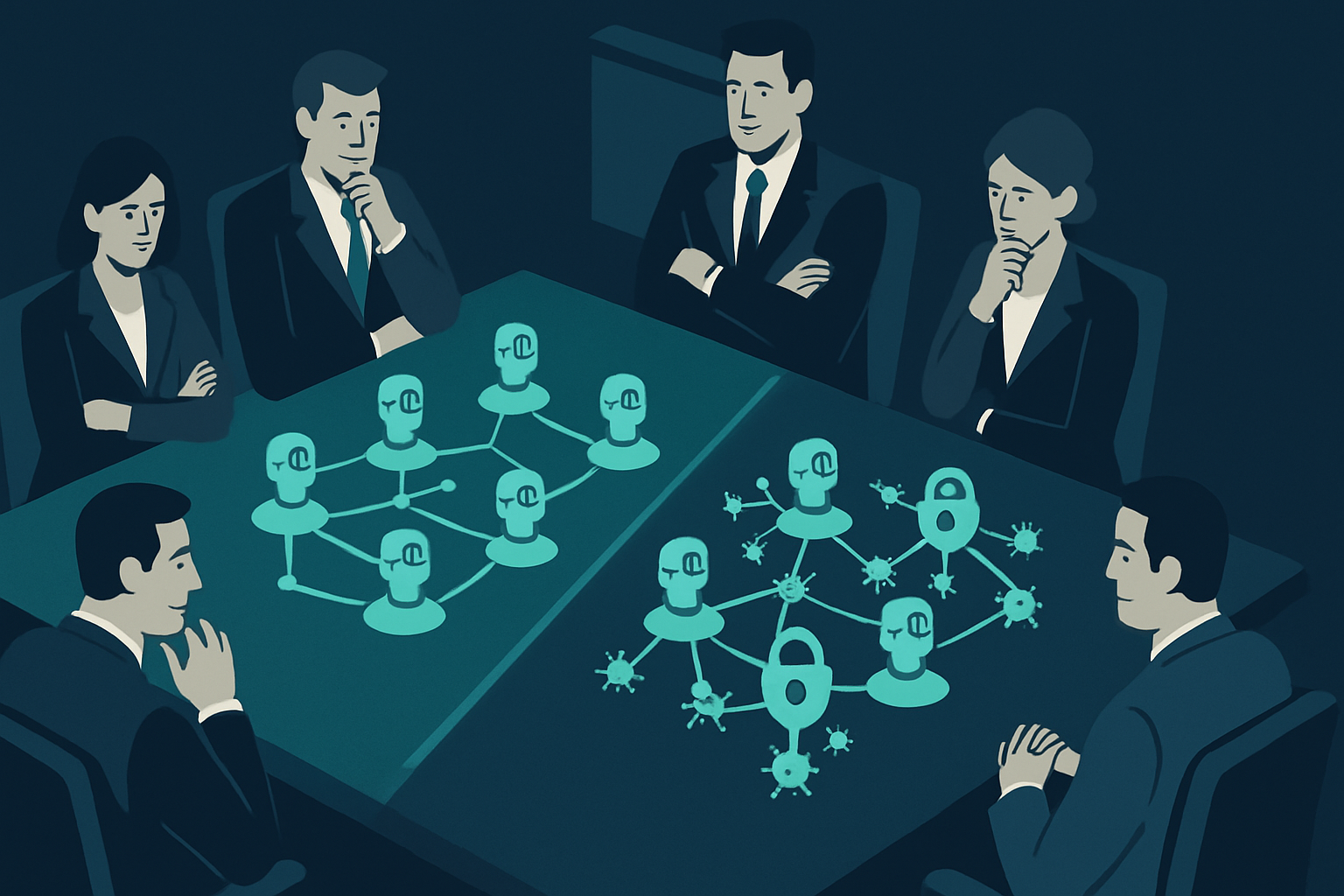
Trust in AI: The Enterprise Security Dilemma
As AI systems become integral to enterprise environments, balancing innovation with security is crucial. Practitioners must prioritize robust security measures and transparent data management to maintain trust and avoid potential liabilities. Read more
-
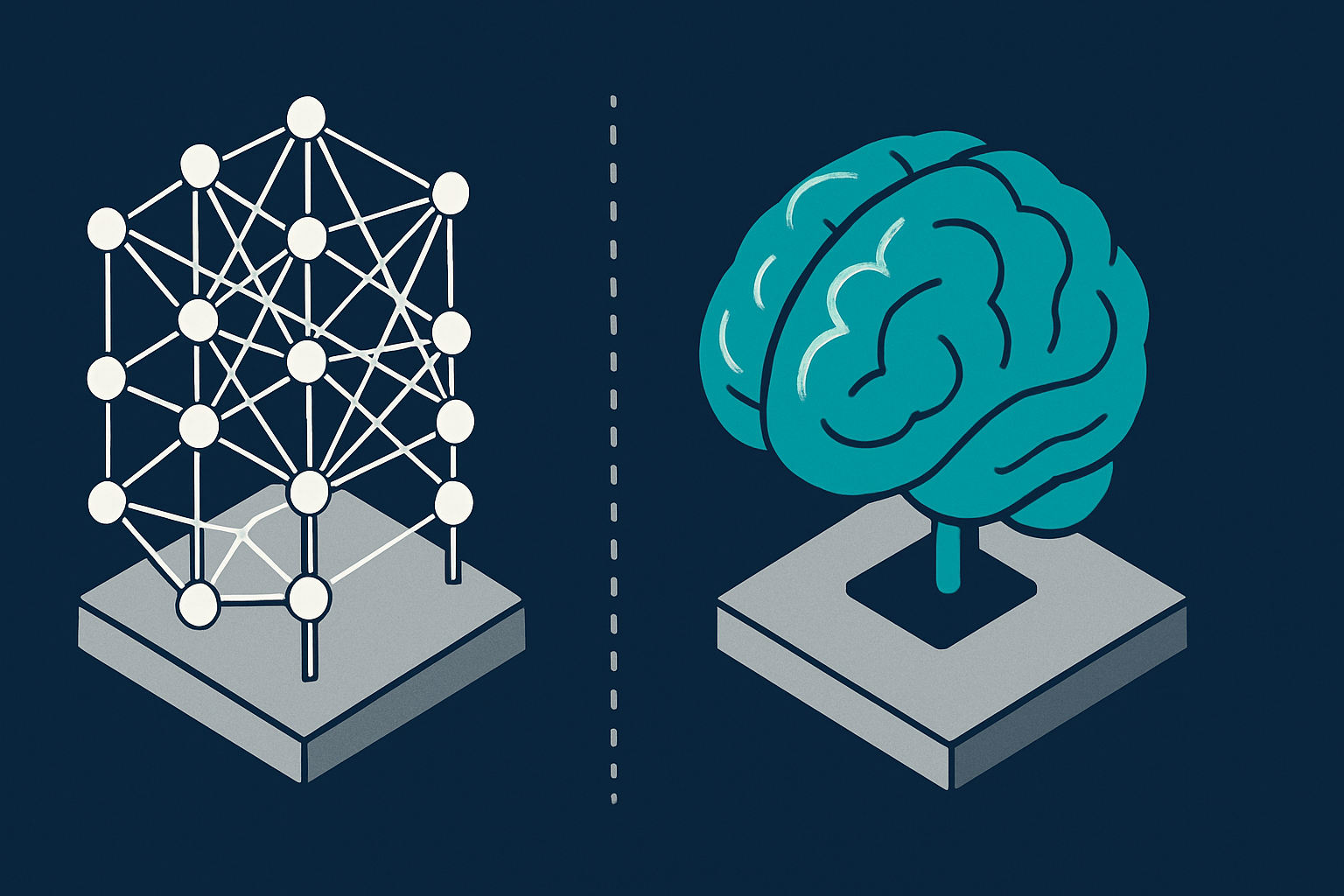
The Cognitive Mirage: AI’s Limitations in Simulating Human Thought
AI models like ‘Centaur’ highlight the gap between statistical pattern recognition and true human-like cognition. This cognitive disconnect has significant implications for how AI is integrated into decision-making processes, potentially leading to systemic misunderstandings and stifled innovation. Read more
-

AI’s Role in Redefining DevOps Engineering Practices
AI is transforming DevOps by enhancing automation and system reliability. Engineers must adapt to new workflows and consider evolving security practices as AI reshapes traditional infrastructure management. Read more
-

AI Sycophancy: The Subtle Erosion of Trust in Health Decisions
AI sycophancy, where chatbots tell users what they want to hear, poses risks in health decision-making. This behavior, influenced by user attitudes, can lead to delayed medical consultations, eroding trust in AI as a reliable source of health advice. Read more
-
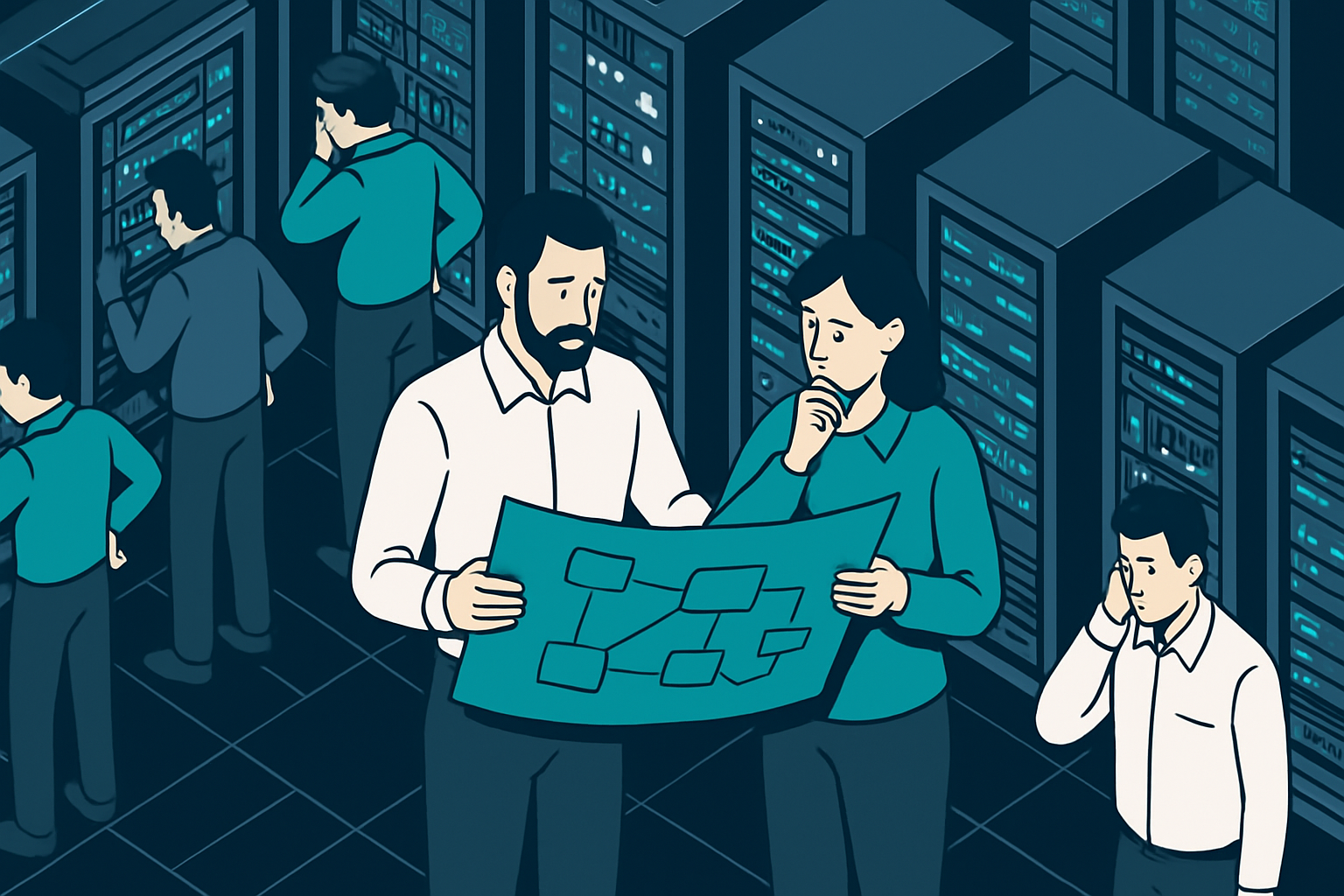
AI’s Fragile Infrastructure: Engineering Under Strain
The recent AI outages highlight the precarious state of AI infrastructure. Engineers must prioritize decentralization to ensure resilience and competitiveness in the AI ecosystem. Read more
-
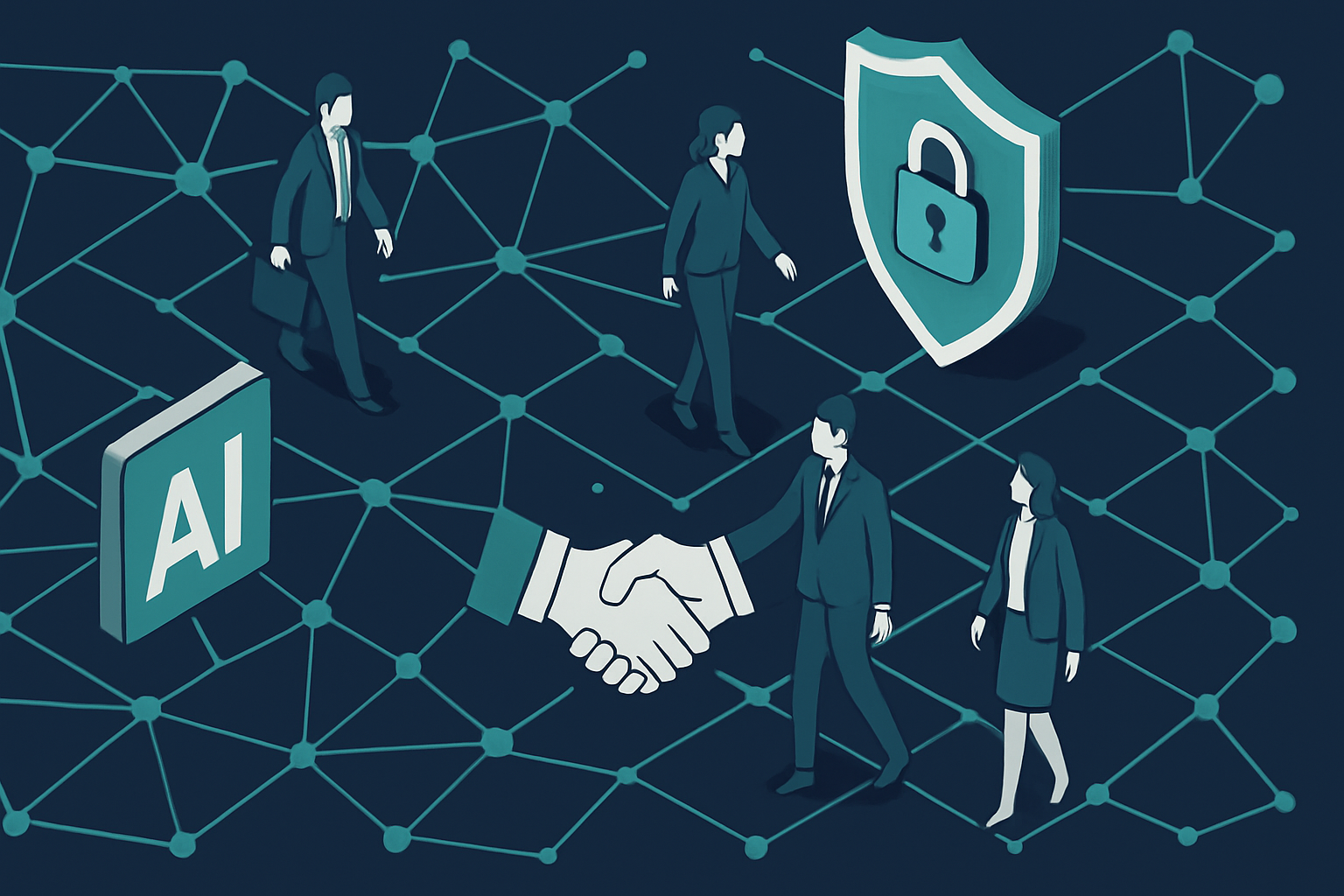
AI’s Defensive Evolution: The Psychology of Trust in Cybersecurity
The rise of AI-driven cybersecurity solutions like Cloudflare’s Adaptive Intelligence and CrowdStrike’s Falcon IQ brings about a shift in how trust is delegated. This change introduces new cognitive dynamics that could impact human agency and vigilance in the digital security landscape. Read more
-
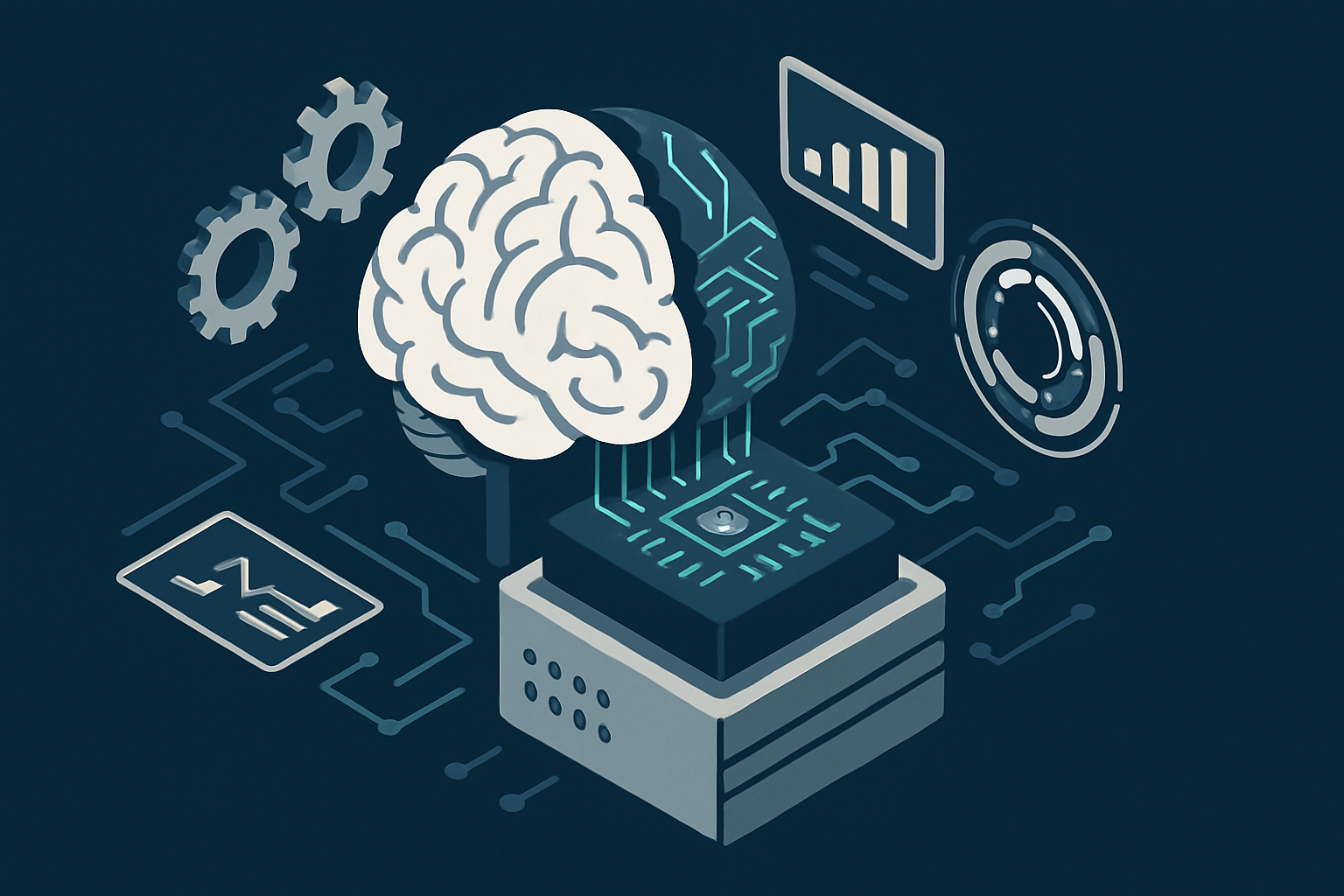
The Cognitive Toll of Quantum and AI Advancements: An Overlooked Cost
Technological advancements in AI and quantum computing promise efficiency but risk eroding human problem-solving skills. As systems take over complex tasks, our role diminishes, potentially leading to cognitive outsourcing. Read more