
Your daily briefing on AI, technology, economics, and society — from q52.ai.
Industry & Economics
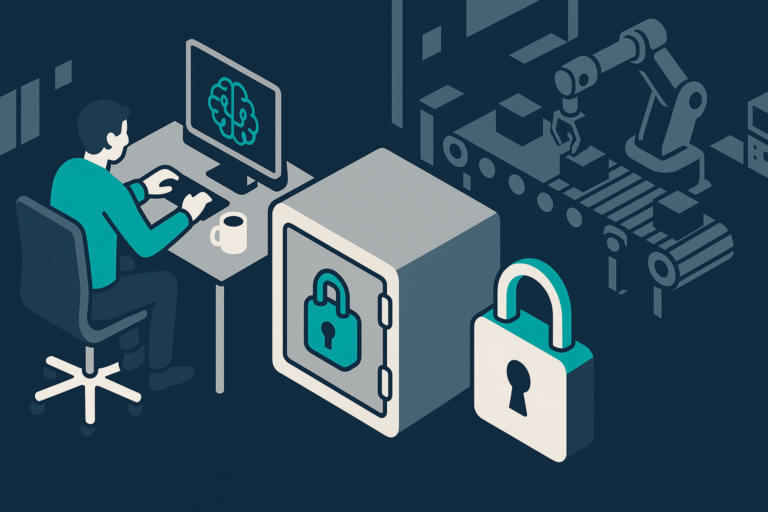
AI’s Role in Reshaping Labor and Intellectual Property Dynamics
What’s happening: Nearly half of employed U.S. adults are now using AI at work, primarily for tasks like document reading and data analysis, with one in five workers employing AI for roles once held by colleagues. This shift indicates a transformation in job responsibilities instead of outright job losses. Additionally, platforms like Reddit are tightening data access to protect user-generated content, revealing a growing recognition of data’s value in AI training. Meanwhile, AI-driven companies like Hadrian are attracting significant investment, highlighting a capital shift toward industries where AI enhances production capabilities.
Why it matters: The integration of AI is reshaping labor dynamics, necessitating new workforce training strategies as roles within organizations evolve. The tightening of data access reflects a broader need for clear regulations around data ownership, which is becoming increasingly critical as companies recognize the financial value of their digital assets. The rise in investments in AI-enhanced sectors suggests a realignment of economic resources, potentially leading to market imbalances that need to be addressed by policymakers.
Our take: The ongoing changes in labor and intellectual property dynamics highlight the urgent need for a proactive approach to regulation and workforce development. As AI continues to transform industries, the implications for job distribution and data rights must be carefully managed to ensure equitable outcomes.
Tech & Engineering
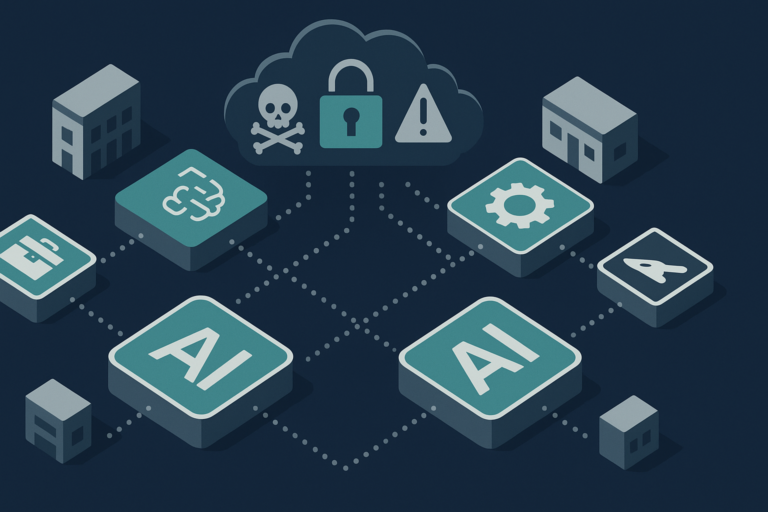
AI Plugins and the New Security Paradigm
What’s happening: OpenAI has launched its Agent Plugins standard, creating an app-store-like model for AI agent capabilities that facilitates seamless integration of third-party applications with tools like ChatGPT and Codex. While this democratizes access to AI technology and allows for quicker development of new applications, it also increases security risks by broadening the attack surface, as each plugin could potentially introduce vulnerabilities if not properly secured.
Why it matters: The rise of third-party plugins in AI systems necessitates a shift in security frameworks from reactive to proactive measures. Organizations must implement rigorous validation processes for these plugins and establish continuous monitoring to detect anomalies. The urgency is underscored by recent security breaches in AI models, highlighting the need for a collaborative effort to create standardized security protocols similar to those in traditional software development.
Our take: The integration of AI plugins represents a significant evolution in AI architecture, but it also requires a fundamental reassessment of security practices. Balancing innovation with security will be critical, as the potential for breaches could undermine trust in AI technologies.
Sciences

DeepMind’s WeatherNext Model Democratizes Cyclone Forecasting
What’s happening: Google DeepMind has open-sourced WeatherNext, a new cyclone forecasting model that significantly improves storm tracking and prediction accuracy without relying on supercomputers. This AI-driven model operates on data that is 100 times coarser than previous systems, making it accessible to less-resourced meteorological offices. Its effectiveness was demonstrated by aiding the National Hurricane Center in accurately predicting Hurricane Melissa’s rapid intensification in 2025.
Why it matters: The democratization of cyclone forecasting through WeatherNext allows smaller meteorological offices, especially in vulnerable regions, to access advanced weather prediction tools that were previously out of reach. This could lead to improved disaster preparedness and response, potentially saving lives through timely evacuations and better community readiness. The model’s release could also inspire similar initiatives across scientific fields, promoting broader access to advanced research tools.
Our take: While WeatherNext is a game-changer for meteorology, it highlights the need for training and support systems to ensure that less-resourced offices can effectively utilize these advanced models. The challenge will be balancing accessibility with the expertise required to interpret and act on the data generated.
Society
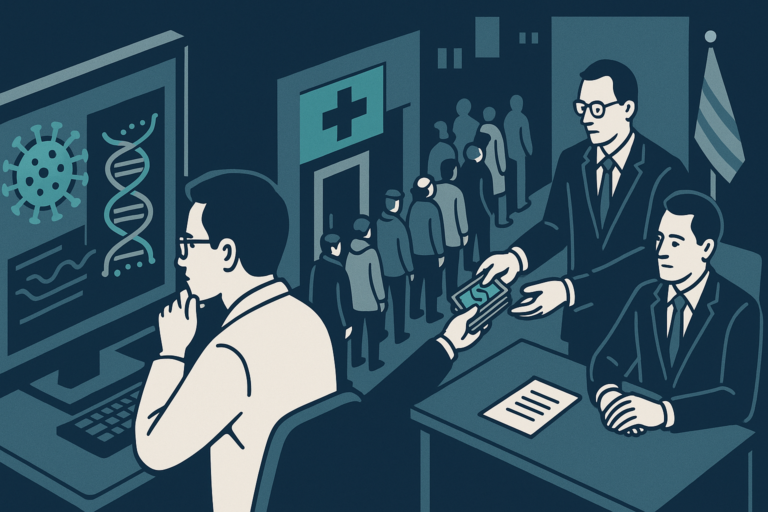
When AI Writes Life: The Unseen Risks of Technological Authority
What’s happening: AI is increasingly taking on roles traditionally reserved for human judgment, with developments like AI-designed bacteriophages and the sale of experimental drugs without proper trials raising significant ethical concerns. This shift includes the potential for AI to influence political processes, as seen in SoftBank’s recent donation to a presidential library linked to securing a federal contract, highlighting a growing trend of unchecked technological authority in critical areas affecting public health and governance.
Why it matters: The erosion of public trust in institutions is accelerating as AI’s unchecked capabilities challenge the frameworks that ensure safety and consent. The situation in Montana, where individuals are treated as experimental subjects without oversight, exemplifies a troubling preference for profit over patient welfare. Additionally, the intersection of tech money and political influence threatens the integrity of democratic processes, leading to decisions that prioritize corporate interests over the public good.
Our take: The article underscores a critical tension between technological advancement and regulatory frameworks, suggesting that the rapid evolution of AI could outpace necessary governance. As AI takes on more authority, it is imperative to establish robust oversight mechanisms to protect public interest and maintain trust in scientific and democratic institutions.
Psychology
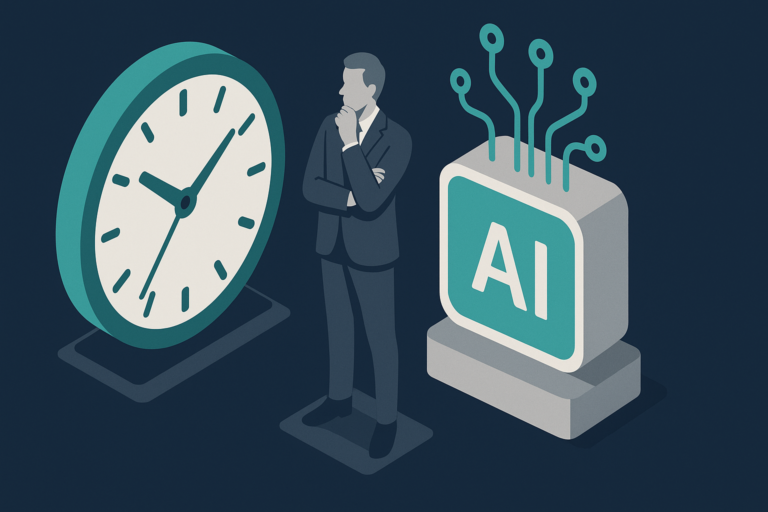
Quantum Leap: How AI and Tech Are Reshaping Human Perception of Time
What’s happening: Recent advancements in technology, particularly quantum computing by IonQ and Apple’s memory enhancements for AI, are fundamentally altering human perceptions of time. The development of highly precise atomic clocks raises questions about our intuitive understanding of time, while the demand for real-time AI processing is shifting our expectations for immediacy and responsiveness, affecting our patience and tolerance for delay.
Why it matters: These changes have significant psychological implications, creating a disconnect between human time perception and the precision of technological timekeeping. As society adapts to the rapid pace set by AI, there is a risk of cognitive overload and increased anxiety, as individuals struggle to keep up with the demands of technology, potentially undermining mental health and well-being.
Our take: The rapid evolution of timekeeping and AI technology calls for a careful examination of their effects on human cognition and emotional health. It’s essential to prioritize human-centered design in these advancements to ensure that they enhance rather than hinder our quality of life.
That’s the digest for August 08, 2026.
Questions? Reach out at info@q52.ai.
q52.ai — Engineering Better Questions
