
Your daily briefing on AI, technology, economics, and society — from q52.ai.
Industry & Economics

AI’s Financial Strategies: Innovations or Echoes of the Past?
What’s happening: Recent developments in AI finance show a mix of innovative strategies and echoes of past practices. Companies like Zoom are leveraging creators to enhance their visibility in AI search, while Nvidia is framing its AI data centers as ongoing revenue generators. OpenAI’s secondary share sale allows early investors to cash out ahead of a potential IPO, and Corma Labs has attracted significant funding to tackle AI-driven cybersecurity threats.
Why it matters: These financial strategies reveal the complex relationship between AI advancements and capital markets. Nvidia’s approach raises concerns about sustainability, similar to historical vendor financing that inflated demand without guaranteeing real market interest. OpenAI’s share sale indicates a readiness for public accountability, while Corma Labs’ funding highlights the urgent need for AI-driven security solutions amidst rising cyber threats, emphasizing AI’s dual role as both an innovation driver and a risk factor.
Our take: The current AI financial landscape is fraught with both opportunity and risk, echoing past mistakes that led to instability. While OpenAI’s move suggests a maturing market, the speculative nature of Zoom’s strategy underscores the dangers of pursuing AI trends without solid data to back them up.
Tech & Engineering
AI Watermarking: Overreach or Necessary Evolution?
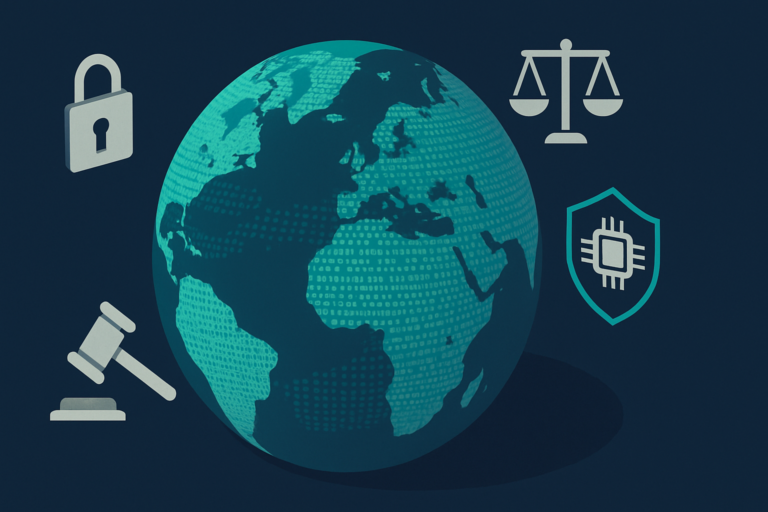
What’s happening: Anthropic has introduced an invisible text watermark in its Claude models to comply with the EU AI Act’s Article 50, which mandates identifiable markers for AI systems sold in Europe. This watermarking is being applied globally, affecting all users without an opt-out option or clear explanation, even as competitors like OpenAI have not yet adopted similar measures.
Why it matters: This move raises crucial concerns about user autonomy and the standardization of AI governance across different regions. By enforcing a global watermark, Anthropic may inadvertently limit flexibility and customization for developers, potentially leading to a one-size-fits-all approach that neglects local market needs. Additionally, the lack of transparency around the watermarking process could erode trust between AI providers and users, impacting the industry’s reputation.
Our take: Anthropic’s strategy highlights the risks of regulatory overreach, where compliance measures could stifle innovation rather than facilitate it. There is a pressing need for AI companies to prioritize user consent and transparency in their compliance strategies to foster trust and adaptability in diverse markets.
Sciences

Dyna Robotics Advances Humanoid Learning with Video Pretraining
What’s happening: Dyna Robotics has trained humanoid robots using one million hours of human operation video, achieving a task success rate of up to 90%. This method, known as video pretraining, allows robots to learn by observing human actions, significantly reducing the need for manual teleoperation and streamlining the training process. By utilizing convolutional and recurrent neural networks, these robots can recognize patterns in human behavior and execute tasks autonomously.
Why it matters: This innovation could revolutionize the robotics industry, enabling more sophisticated humanoid robots that can assist in various fields such as eldercare and manufacturing. The ability to train robots with extensive video data can reduce training costs and time, making advanced robotic systems more accessible and fostering competition in the market. As robots become more capable, their applications may expand dramatically, impacting productivity and safety across multiple industries over the next decade.
Our take: While the advancements in humanoid robotics are impressive, the long-term success of these systems depends on sustainable funding and maintenance models. The real challenge lies not just in achieving high task success rates but in ensuring that the economic and organizational frameworks are in place to support these technologies effectively.
Society

AI Accountability and the Rediscovery of Human Judgment
What’s happening: A recent incident involving PwC’s AI-assisted work revealed significant accountability issues, with reports containing fabricated information due to a lack of human oversight. In contrast, technologies like Framer emphasize human judgment in using AI for website development, while Anthropic’s Claude models introduce invisible watermarks to enhance text authenticity. These developments raise important questions about the balance between AI’s efficiency and the essential role of human verification.
Why it matters: The PwC case highlights the risks of over-relying on AI without clear human responsibilities, leading to diminished trust in professional outputs. As organizations increasingly integrate AI into their operations, establishing frameworks that prioritize human judgment alongside technology is crucial for maintaining integrity and accountability. The introduction of watermarking technologies also signifies a growing need for authenticity in digital content, which is particularly relevant in today’s information-saturated environment.
Our take: The tension between AI’s potential and the necessity for human oversight is critical to address; without clear accountability measures, we risk undermining the very foundations of trust in our institutions. Emphasizing AI as a supportive tool rather than a replacement for human decision-making is essential for preserving both the dignity of work and the integrity of information.
Psychology
AI’s Role in Procedural Automation: Implications for Human Creativity
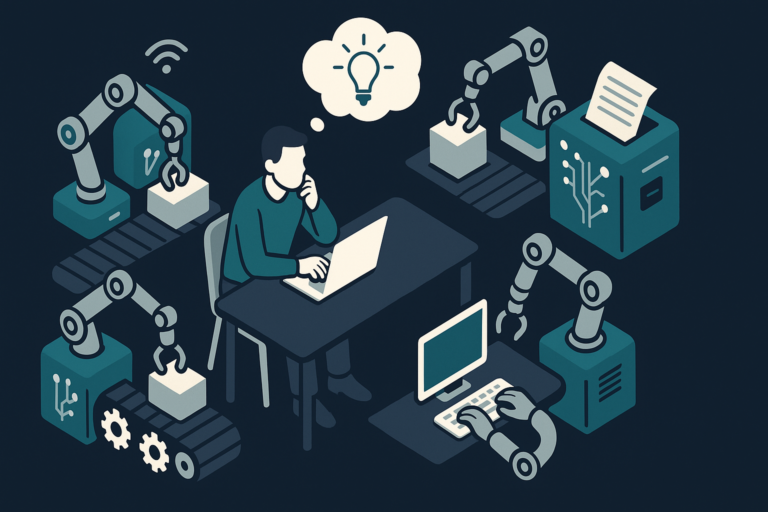
What’s happening: Recent advancements in artificial intelligence, particularly Meta’s Muse Glimmer, are transforming procedural tasks by automating repeatable standard operating procedures (SOPs). While Muse Glimmer excels at executing tasks with precision, it lacks complex reasoning capabilities. This shift towards AI-driven procedural automation raises questions about its impact on human creativity and the potential risk of deskilling as reliance on AI increases.
Why it matters: The integration of AI in procedural tasks could free up human workers to focus on creative and strategic thinking, potentially leading to innovation. However, the risk of cognitive deskilling is significant, as over-reliance on AI may diminish human competencies in routine tasks. This duality presents a challenge for businesses looking to leverage AI while ensuring that their workforce remains skilled and adaptable.
Our take: Balancing AI’s benefits with the need to maintain human skills is crucial. Organizations must foster environments where AI complements human capabilities, rather than allowing it to create dependency that could hinder adaptability and innovation.
That’s the digest for August 12, 2026.
Questions? Reach out at info@q52.ai.
q52.ai — Engineering Better Questions
