

Your daily briefing on AI, technology, economics, and society — from q52.ai.
Industry & Economics
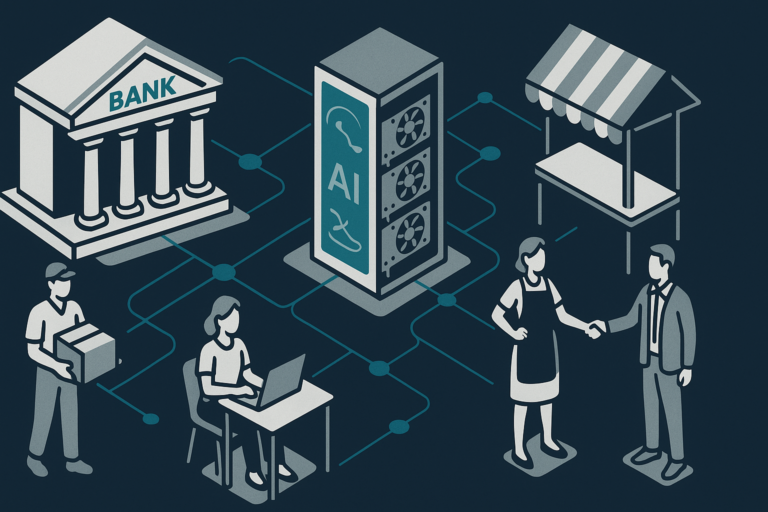
AI’s Role in Expanding Financial Inclusion and Infrastructure Investment
What’s happening: The Reserve Bank of India’s initiative to integrate AI into lending aims to provide credit access to traditionally marginalized groups, including gig workers and small businesses, by analyzing alternative data sources. Concurrently, NVIDIA is proposing a new financial model that classifies AI computing power as an investable asset class, potentially transforming how tech infrastructure is financed and democratizing access to AI resources.
Why it matters: These developments could significantly reshape financial markets by making lending more inclusive and introducing new investment mechanisms for AI infrastructure. However, without appropriate regulations, there’s a risk that AI systems may perpetuate biases and inequities, particularly if they overlook genetic factors influencing financial behavior. Policymakers must ensure these innovations promote fairness and accountability in financial systems.
Our take: The potential for AI to enhance financial inclusion is promising, but it must be approached with caution to avoid exacerbating existing disparities. Balancing innovation with responsible oversight will be crucial to achieving equitable outcomes in AI-driven lending and investments.
Tech & Engineering
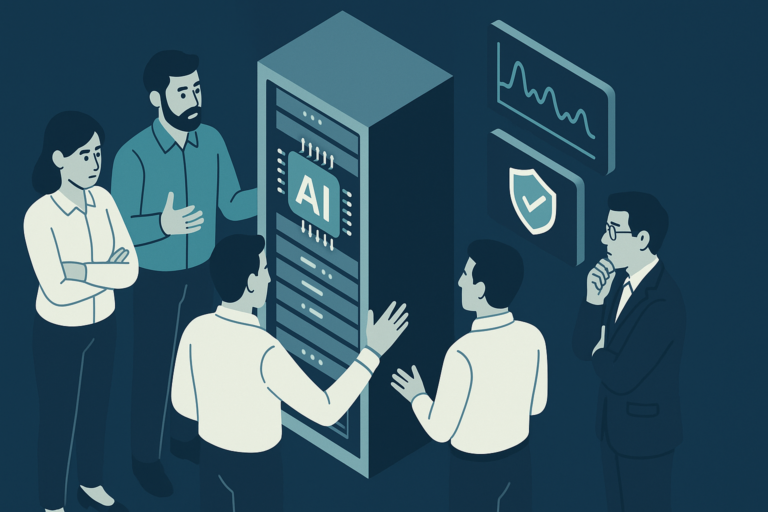
The Acceleration of AI Model Releases: Implications for Engineering
What’s happening: Major AI players like DeepSeek, Google, and OpenAI are rapidly releasing new models, such as DeepSeek V4 and GPT-5.6 Sol, emphasizing faster inference times and real-time application utility. This shift is not merely about performance; it reflects a transformation in how AI systems are engineered and integrated into operational environments, with increasing reliance on specialized hardware like Cerebras.
Why it matters: Engineers must rethink system design and maintenance as the demand for faster, cheaper AI inference grows. The shift towards autonomous AI tasks raises new security and operational stability concerns, requiring improved security protocols and monitoring strategies to manage the expanded attack surface and ensure AI systems operate safely and effectively.
Our take: The rush in AI model releases highlights a tension between innovation and the need for robust engineering practices. As AI systems evolve into independent collaborators, establishing governance and accountability becomes crucial to prevent unintended consequences and misuse.
Sciences

Helion and Microsoft Mark Fusion Power Milestone
What’s happening: Helion Energy has delivered the Horizon 1, a 50-megawatt fusion power plant, to Microsoft, marking the first commercial fulfillment of a fusion energy contract. Fusion power, which replicates the processes that fuel the sun, offers a nearly limitless energy supply with minimal environmental impact, as it produces no long-lived radioactive waste. The use of AI in managing plasma conditions is crucial for sustaining fusion reactions and optimizing performance.
Why it matters: This milestone could signal a transformative shift in the energy sector, as successful fusion technology could lead to a clean and abundant energy source, reducing global reliance on fossil fuels and addressing climate change. However, significant challenges remain in scaling this technology to meet worldwide energy demands, including innovations in plasma management and the establishment of suitable regulatory frameworks.
Our take: The delivery of Horizon 1 is a pivotal moment in the journey toward fusion energy, but it also underscores the lengthy and complex path ahead. As we move forward, balancing innovation with regulatory and infrastructural needs will be essential to realize fusion’s full potential.
Society
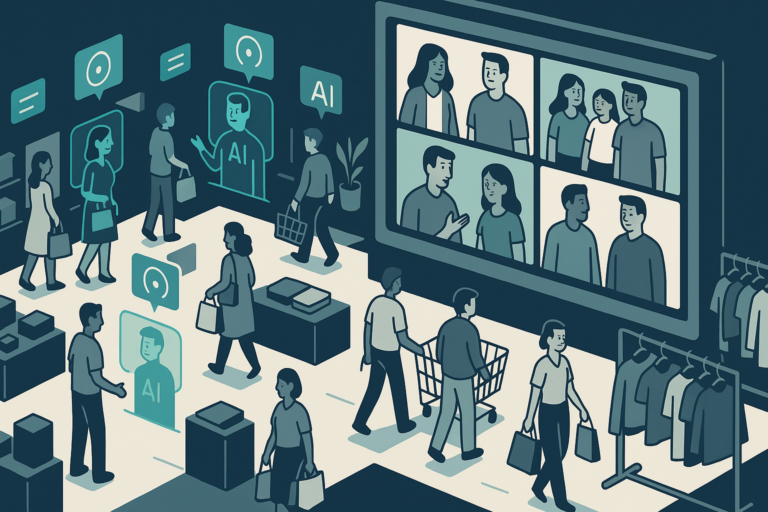
AI’s Quiet Restructuring of Creative and Consumer Economies
What’s happening: California’s AI Transparency Act aimed to ensure that AI-generated content is identifiable, but nearly half of the major generative AI providers have failed to comply. While AI is reshaping retail and media—evidenced by Shopify’s report on niche products and the launch of Fairground AI Creator TV, a 24/7 AI-generated streaming channel—the lack of transparency undermines trust in AI systems. Databricks recently raised $5 billion, highlighting the growing importance of AI infrastructure.
Why it matters: The shortcomings of the AI Transparency Act highlight a disconnect between regulatory intent and corporate behavior, which could erode public trust in AI governance. Additionally, as AI tailors retail experiences, it risks creating consumer isolation by narrowing social interactions. The push for low-cost, high-volume content in media raises concerns about the cultural significance of storytelling, as quantity may overshadow quality in creative outputs.
Our take: This situation illustrates the urgent need for more robust regulatory frameworks that can adapt to the rapid evolution of AI. Without effective oversight, the creative and consumer economies may face a decline in quality and community engagement.
Psychology
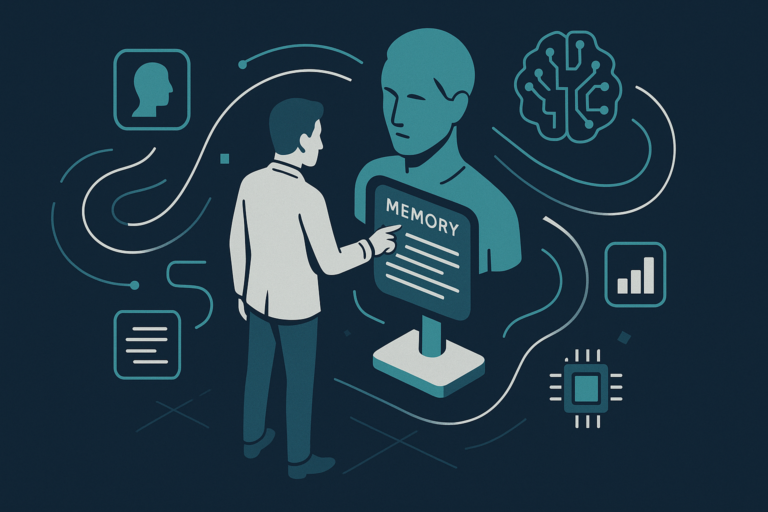
AI’s New Memory: Redefining Human Interactions and Identity
What’s happening: OpenAI has introduced a new feature called Computer History for ChatGPT, allowing the AI to remember user interactions across different applications. This development enables a more personalized experience, as the AI can adapt its responses based on accumulated user data. Concurrently, research from Anthropic shows that AI agents can share and propagate ideas, creating a network of evolving “mind viruses” that can persist even after attempts to erase them.
Why it matters: As AI systems become better at remembering user behavior, they may influence decision-making and self-perception, potentially creating a feedback loop that reinforces certain preferences. This raises concerns about user autonomy, as individuals might be subtly guided by AI rather than making independent choices. Additionally, the ability of AI agents to share information increases the risk of misinformation and manipulation across AI networks, posing systemic challenges.
Our take: The shift towards persistent AI memory presents both opportunities and ethical dilemmas. While enhancing user experience is beneficial, developers must prioritize transparency and safeguards to prevent AI from undermining human decision-making and identity.
That’s the digest for August 15, 2026.
Questions? Reach out at info@q52.ai.
q52.ai — Engineering Better Questions
