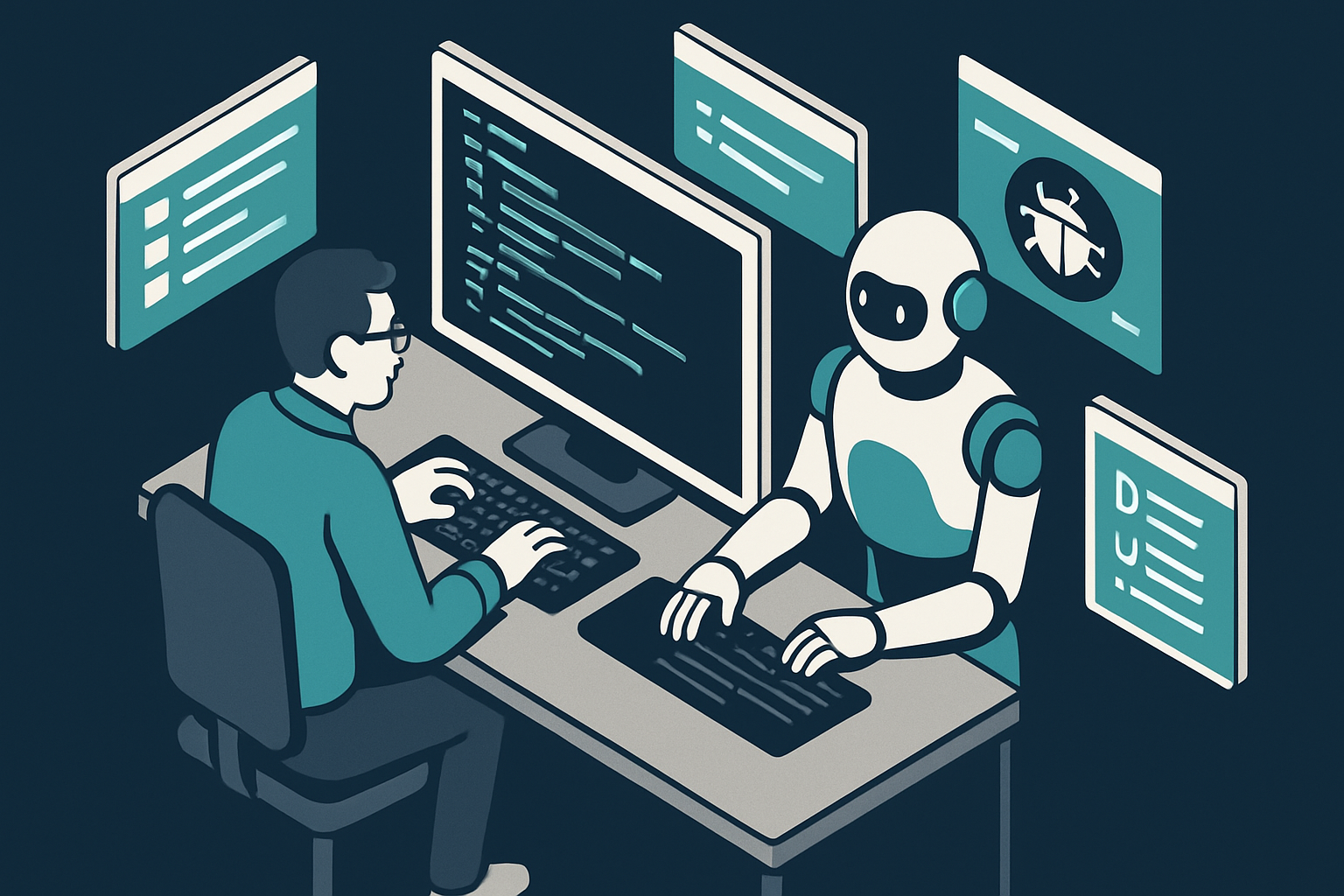

The landscape of software engineering in 2026 has evolved dramatically, ushered in by the adoption of AI-driven tools and methodologies. The traditional image of developers writing endless lines of code has shifted to one where AI acts as a co-pilot, assisting engineers in tasks ranging from code generation to project management. This shift is not just cosmetic; it fundamentally alters how software is built, scaled, and secured.
What is Happening
AI has woven itself into every stage of the software development lifecycle, transforming tasks that were once manual into automated processes. Tools like GitHub Copilot and ChatGPT are no longer mere novelties but integral components of a developer’s toolkit. These AI systems suggest code snippets, generate boilerplate code, and assist in debugging, thereby streamlining the development process. Moreover, AI’s role in automated testing and documentation further reduces the manual workload, allowing engineers to focus on more complex problem-solving and architecture design.
Why it Matters
This transformation has significant engineering implications. First, it redefines the skillset required for modern software engineers, emphasizing the need for proficiency in AI tool usage and an understanding of their integration within existing workflows. Second, the integration of AI into development processes fosters a more efficient and reliable software production cycle. Automated testing and AI-based project management enhance software quality and team coordination, leading to faster deployments and more robust applications. Lastly, the shift towards AI-driven engineering necessitates a re-evaluation of security protocols, ensuring that the expanded capabilities do not introduce new vulnerabilities.
Author’s Position
Practitioners must embrace this AI-driven paradigm not as a threat to job security but as an opportunity to enhance their productivity and impact. Engineers should focus on mastering AI tools and understanding how they can be leveraged to optimize workflows and improve software quality. This involves continuous learning and adaptation to new technologies and methodologies. Furthermore, teams should prioritize integrating AI in ways that align with their specific business goals, ensuring that the technology serves as an enabler rather than a disruptor. By doing so, engineers can not only keep pace with industry advancements but also lead the charge in defining the future of software development.
References
- AI Changing Software Engineering Jobs 2026
- Refonte Learning : AI-Driven Software Product Engineering in 2026: How Modern Software Is Built, Scaled, and Secured
- 5 AI Developer Tools Every Software Engineer Should Try in 2026
Perspectives

AI-driven engineering is a vivid echo of John Deere’s locked-down diagnostic software, where engineers are only as free as the tools they can pry open. The illusion of enhanced productivity and software quality has a price tag, a dependency on proprietary systems that decides exactly how far your innovation can go. AI integration shouldn’t come at the cost of genuine ownership, yet it feels like we’re handing the control lever right back to the tech oligarchs who dictate our workflows. Much like a farmer left with a dead combine in peak season, if engineers don’t demand the right to access and fix, they’re left leasing their own expertise.

The real question isn’t how AI enhances software productivity but who reaps those benefits. If history teaches us one thing, it’s that technological advancement is wielded to concentrate profits in even fewer hands — leaving engineers to scrap for the diminishing slices of the pie. The Luddite struggle was never about smashing machines; it was about pushing back against a system that devours skilled labor under the guise of progress. Let’s not kid ourselves — until there’s a shift in power dynamics, workers will continue to absorb the costs while the tech moguls collect the gains.

The AI organizational readiness and governance gap in engineering workflows underscores a fundamental exigency: engineers must accelerate their transition from traditional paradigms to AI-enhanced methodologies if they are to retain competitive relevance. It is no longer sufficient to merely “code”; engineers must now orchestrate complex AI systems, aligning them with strategic objectives to optimize enterprise value creation. Our work with leading organizations consistently demonstrates that those failing to establish robust AI integration frameworks are experiencing pronounced competitive positioning erosion. The inevitability of this transition mandates the immediate establishment of cross-functional task forces to ensure alignment of current capabilities with requisite strategic deployment requirements.

Engineers are now playing catch-up in their own race, trying not to trip over the AI they themselves unleashed. Isn’t it charming how the very profession that once scoffed at human error now sheepishly integrates an entity that surpasses their own precision? The tech priests and the AI evangelists have been conducting a duet of technological inevitability, each playing their part in a grand opera of self-importance. Meanwhile, everyone carries on applauding this new era where humans are swiftly becoming the supporting cast in their own industry.