
Tag: AI integration
-
AI’s Fragmented Tools and the Challenge of Coherent Integration
The fragmentation of AI tools and the centralization of control by tech giants pose significant challenges. Institutions must prioritize creating interoperable systems, and regulatory frameworks should evolve to ensure equitable distribution of AI benefits and preserve user autonomy. Read more
-
AI’s Role in Supplier Payments: Mechanisms Reshaping Capital Flow
AI is transforming supplier payments through platforms like Mastercard’s, optimizing capital flow and enhancing working capital management. However, successful integration requires redesigning workflows around precise business outcomes. Read more
-
AI’s Uneven Integration: Public Services, Industries, and the New Workforce
The embedding of AI into government and industrial sectors is reshaping institutional functions and workforce dynamics. As AI becomes more integral, questions of privacy, sovereignty, and labor displacement arise, demanding urgent regulatory and social adjustments. Read more
-

The Invisible Hand of AI: Workers, Institutions, and Accountability
AI’s integration into workplaces and media is reshaping societal norms, with workers bearing costs and institutions lagging in governance. Effective integration requires recalibrated strategies prioritizing transparency and equity. Read more
-
The Economic Shift: AI’s Influence on Contractual and Pricing Models
As AI transforms business operations, firms must rethink contracts and pricing models. This shift from labor-based to AI-augmented systems requires innovative approaches to capture AI’s value. Read more
-
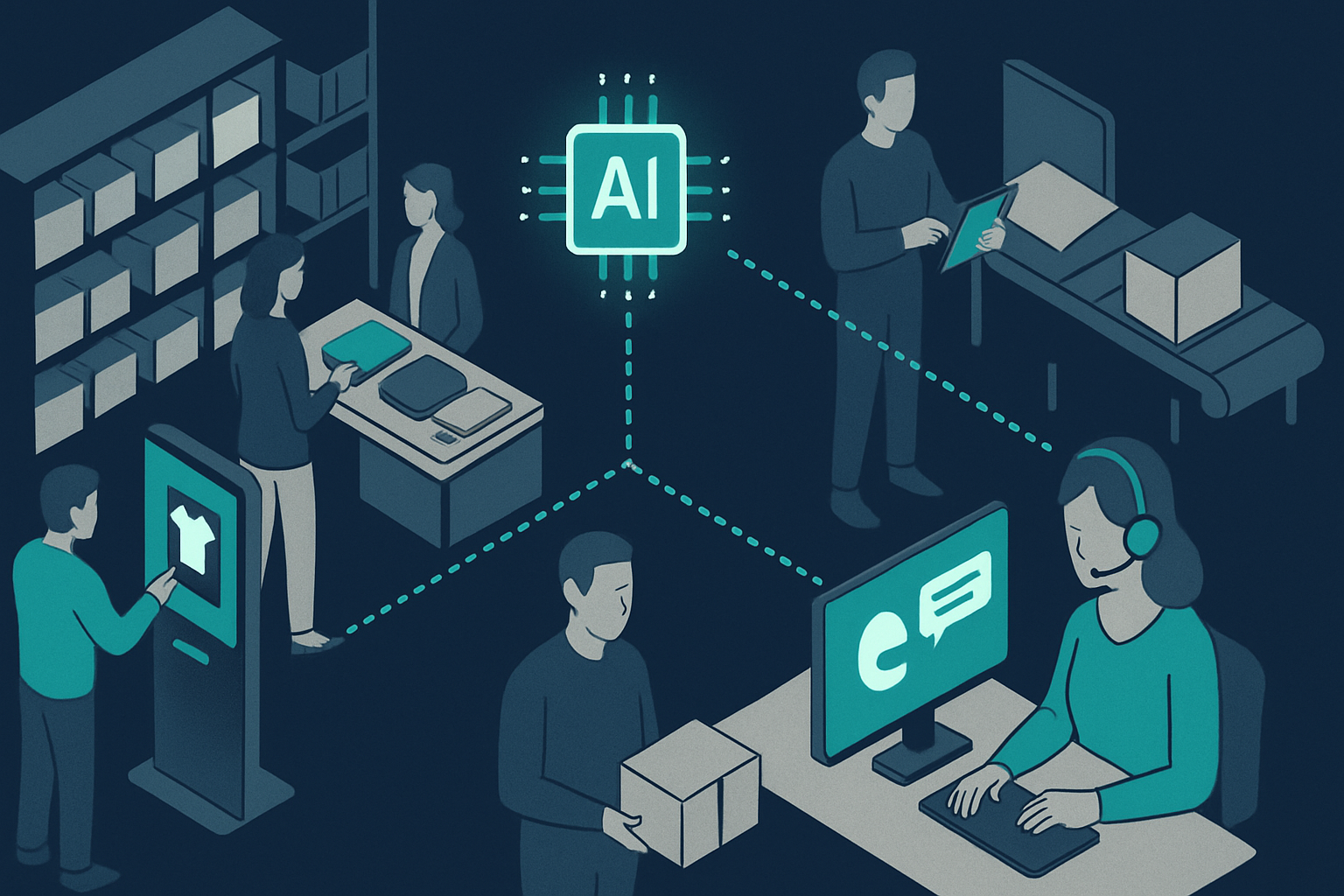
AI in Retail: Bridging the Chasm Between Expectation and Reality
Retailers face a significant gap between AI promises and delivery capabilities due to fragmented systems. Engineers must prioritize integration frameworks to bridge this gap and meet consumer expectations. Read more
-
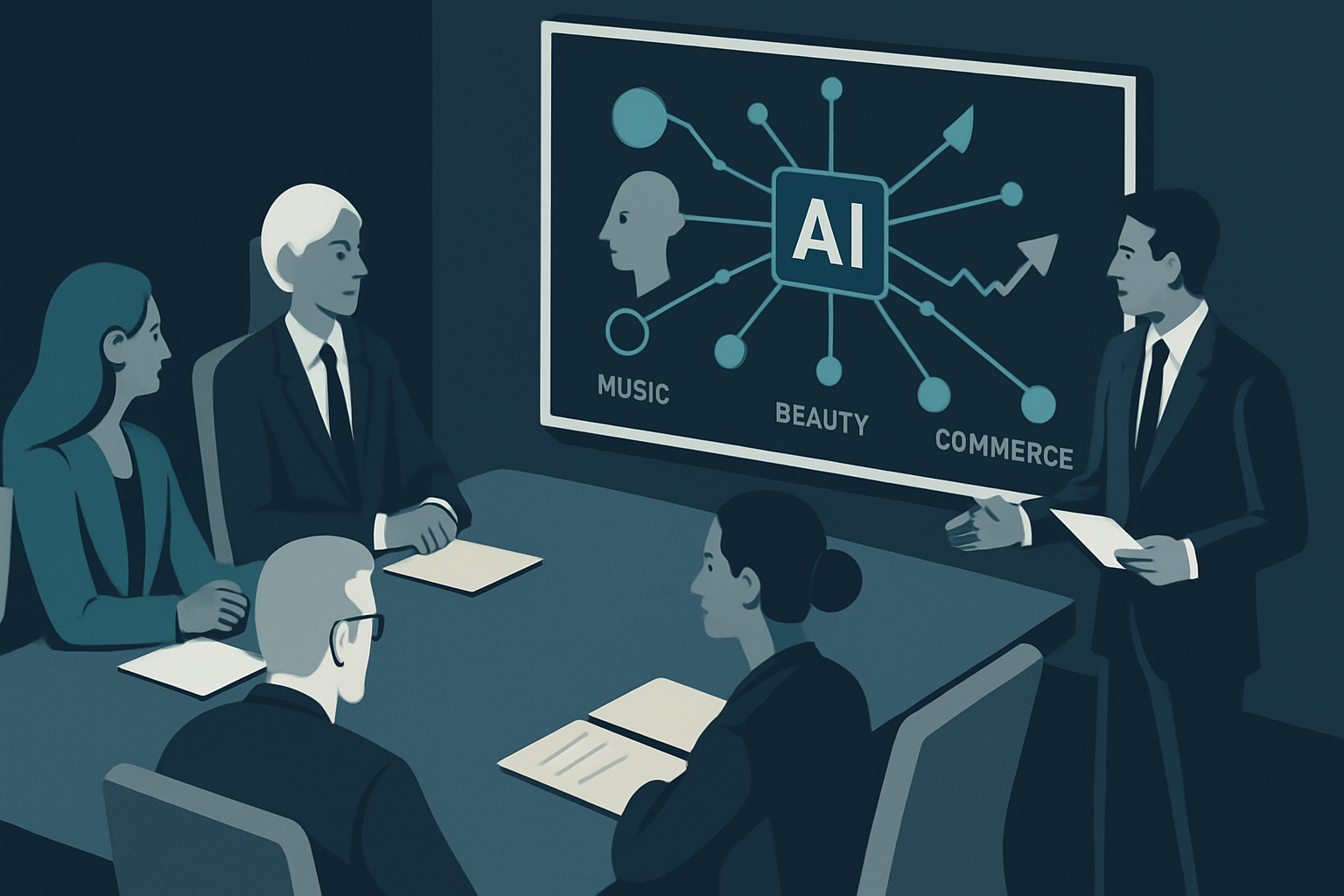
AI Integration: The Economic Transformation of Consumer Industries
AI’s integration into consumer industries like music, beauty, and commerce is reshaping economic relationships and market structures. While offering efficiency gains, it consolidates power among technology owners, raising critical questions about who benefits and who bears the cost. Read more
-

AGI Timelines: The Inevitable Convergence
The arrival of AGI is not a question of if, but when. The capability curves are clear, and the timelines are shortening. The real challenge is integrating AGI into society and redefining human identity in a world where intelligence is no longer unique to humans. Read more
-

AI-Driven Engineering: Embracing the New Workflow
AI’s integration into software engineering is reshaping the industry, requiring engineers to adapt by mastering new tools and workflows. This shift enhances productivity and software quality, emphasizing the need for continuous learning. Read more
-

The Shadow Economy of AI: Trust and Transparency at Risk
AI integration in society is reshaping norms, often at the cost of trust and transparency. From workplace ‘shadow AI’ to corporate spending discrepancies, technological advancement risks enforcing existing hierarchies. A proactive approach is needed to ensure equitable access and safeguard human agency. Read more


