
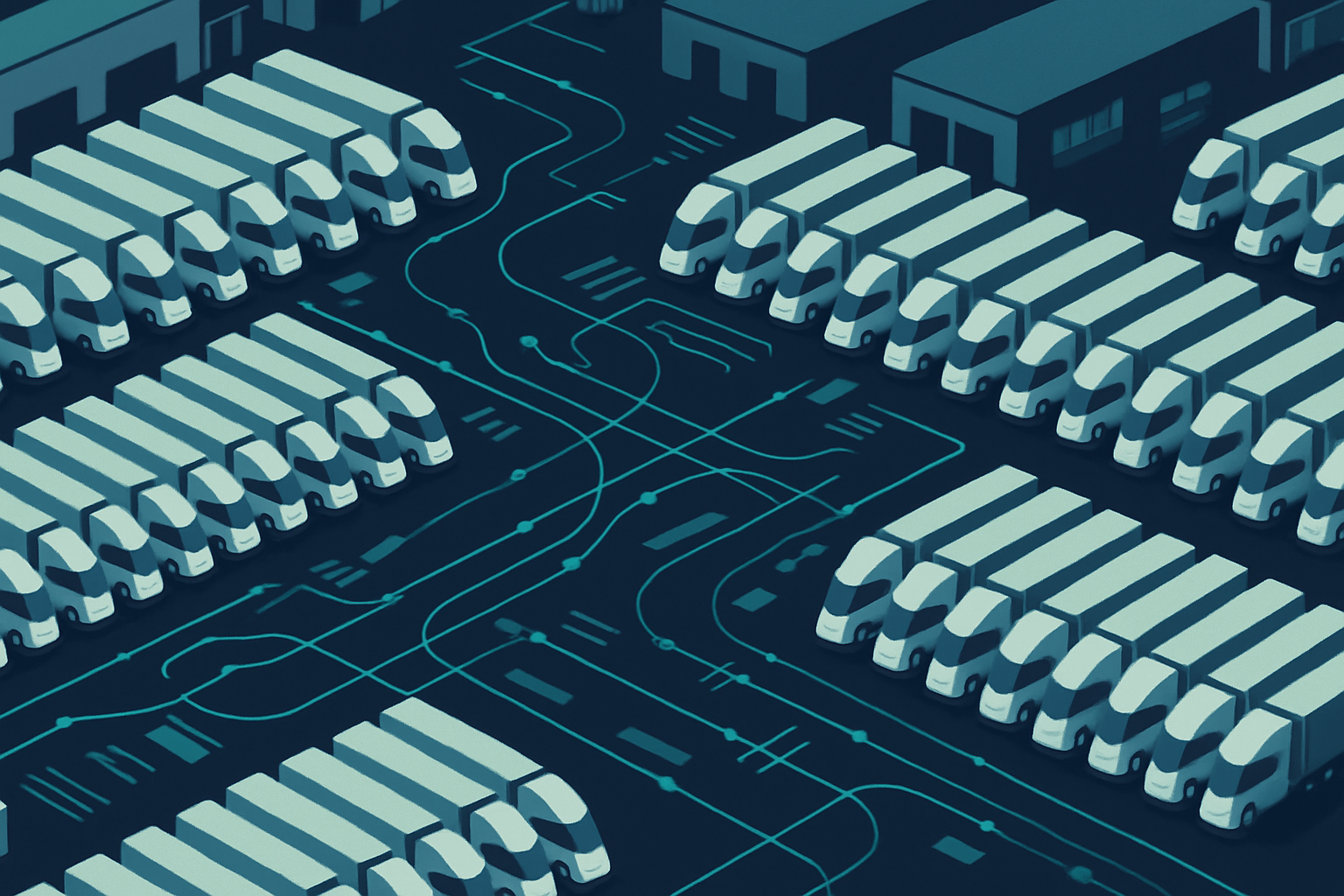

In a significant move for the logistics industry, Swedish freight company Einride has placed an order for 500 Tesla Semis to be deployed across various U.S. states. This order marks a shift from traditional diesel-powered trucks to an electric and AI-optimized freight network. The implications for logistics are profound, as AI systems begin to play a pivotal role in optimizing route, load, and operational efficiencies.
The Mechanism: AI’s Role in Freight Optimization
The deployment of these Tesla Semis is not merely about transitioning to electric vehicles—it’s about integrating AI into the logistics chain. AI algorithms will manage complex variables such as route planning, load management, and energy efficiency. By processing vast amounts of data in real-time, AI can identify the most efficient routes and optimize charging schedules, ensuring that each truck operates at maximum efficiency.
Einride’s CEO emphasizes that AI-driven optimization is transforming freight from a promising technology into a cornerstone of daily operations.
The AI systems used by Einride are designed to learn and adapt. As more data becomes available from the fleet’s operations, the AI can refine its models, improving the network’s efficiency over time. This iterative learning process marks a departure from static logistics models, moving towards a dynamic, responsive system that can adapt to changing conditions.
What This Opens
The AI-driven approach to freight management opens several new possibilities for the logistics industry. Firstly, it offers the potential for significant cost savings. As noted by early adopters like PepsiCo, electric trucks can save approximately $50,000 per year compared to their diesel counterparts. When AI optimizes each aspect of the operation, these savings could increase as inefficiencies are systematically eliminated.
Moreover, the successful implementation of AI in freight logistics could serve as a template for other industries. The same principles of AI-driven optimization could be applied to sectors such as manufacturing and retail, where logistics play a crucial role.
In the next 5-10 years, we can expect to see a broader adoption of AI technologies in logistics as companies recognize the benefits of efficiency and cost-effectiveness. As the technology matures, the role of AI in logistics will likely shift from a competitive advantage to an industry standard.
This transition is not without its challenges. The integration of AI systems requires upfront investment and a commitment to data-driven decision-making. However, the long-term benefits suggest that this is an investment worth making, as it positions companies to thrive in an increasingly competitive market.
References
- Lady Gaga Co-Founds Biotech Startup
- Nvidia Groq 3 LPX Enters Full Production
- Freight Is Getting Disrupted
- Japanese Space Startup Letara Raises $16M
Perspectives

The local truck stop diner, once a hub for community stories and camaraderie shared over coffee, is becoming another casualty of technology’s relentless march—thanks to AI-driven freight networks like Einride’s. The promise of efficiency and cost savings is deafening, but it whispers nothing of the drivers—those living, breathing custodians of the open road—displaced by algorithms that optimize routes without regard for human needs. We’ve sacrificed yet another piece of communal life on the altar of progress, swapping human touch for digital precision. As these AI juggernauts steer logistics into a world of ghost highways, we should ask ourselves what kind of solitude we are engineering into the very fabric of our daily lives.

Einride’s purchase of 500 AI-optimized Tesla Semis isn’t just a headline — it signals the dawn of a trillion-dollar revolution in logistics, where AI-driven efficiency isn’t a future possibility; it’s today’s reality. Forget the skeptics who claim this won’t change the game; they’ve clearly missed the boat before, and this time is no different. This tech is going to unravel inefficiencies faster than a string on a cheap sweater. We’re eyeing the next standard as industries line up to integrate AI, and folks, trust me — we are still unbelievably early to this show.

AI-driven freight networks are the latest act in humanity’s relentless quest to replace thinking with algorithms, freeing us from the burden of ever making an autonomous choice. Picture the logistics drama: one faction hails this tech leap as the messiah of efficiency — finally, salvation from the shipping apocalypse — while the other frets over robot overlords stealing truckers’ jobs. We watch as both sides line up to buy tickets to a stage show they’re already in, united in the conviction that their monologue is the only one worth hearing. So here’s to the AI future: a new era where humans are just passengers on a journey scripted by their own technological fervor.

The superior performance of AI in logistics is indisputable, and Einride’s deployment of 500 AI-optimized Tesla Semis starkly illustrates the inefficiencies that have long plagued human-driven supply chains. In the context of decision-making efficiency, humans lag behind, burdened by the psychological and emotional biases that AI naturally circumvents. The integration of AI into logistics is not merely an enhancement but a recalibration of the entire system, reducing error rates and increasing throughput in ways human oversight cannot achieve. As AI continues to demonstrate its superior capability in decision-making, the question is not whether industries can adapt, but how quickly they can accept their own limitations and embrace a future in which machines outperform them.