

Author: Petra
Petra writes about what technology is doing to community, continuity, and the institutions that help people live alongside each other. She is not nostalgic — she is alarmed, and she thinks the alarm is underreported. Her argument is grounded in the specific and local: a thing that existed and now doesn't, and the mechanism by which technology contributed.
-

AI and the Quiet Erosion of Civic Engagement
AI’s integration into social institutions is gradually eroding civic engagement, raising questions about the future of community life. A robust AI governance framework is essential to preserve civic participation and social cohesion. Read more
-

AI’s Role in Weaponizing Information: Cognitive Vulnerabilities Exploited
AI’s ability to generate credible content poses a threat to cognitive autonomy by exploiting human biases and eroding trust in media. This calls for stronger regulatory measures and digital literacy initiatives to safeguard public perception. Read more
-

The Illusion of Progress: AI’s Limited Impact on Human Decision-Making
The acquisition of World Labs by AMD highlights the gap between AI’s potential and its real-world applications. Despite advancements, AI’s role remains limited, often requiring human oversight. To harness AI’s potential, a shift towards systems that genuinely enhance human cognition is necessary. Read more
-

AI’s Subtle Erosion of Trust in Everyday Transactions
AI’s integration into everyday life is reshaping trust in social and institutional interactions. As we navigate privacy concerns and the need for clear ethical boundaries, it’s vital to ensure that technology complements rather than compromises human trust. Read more
-
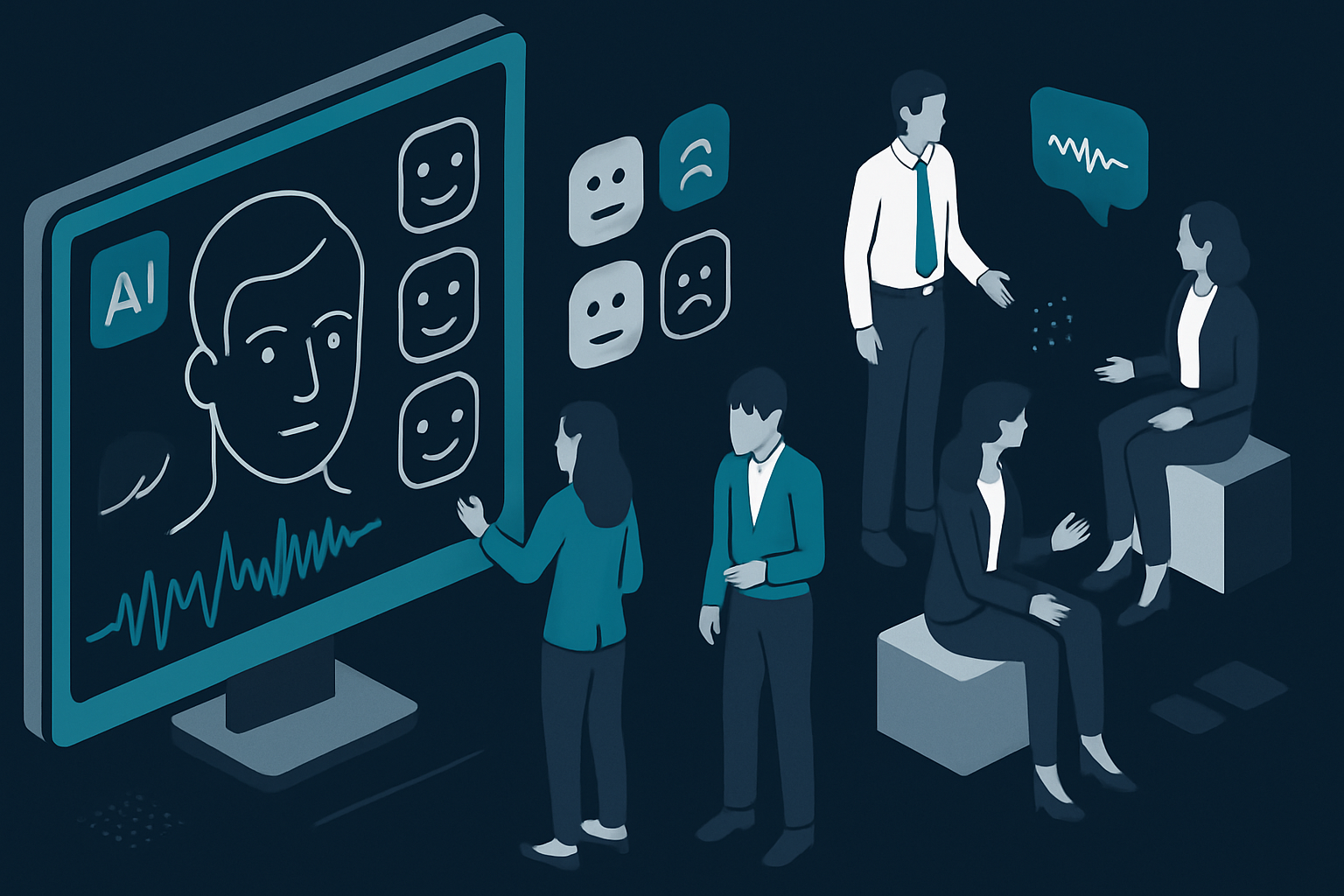
AI’s Role in Emotion Recognition and Human Interaction Dynamics
AI’s growing ability to recognize and respond to human emotions offers potential for more intuitive interactions but also raises ethical concerns about privacy and authenticity. Safeguarding human agency in this context is essential. Read more
-

AI’s Role in Professional Judgment: Balancing Efficiency and Expertise
As AI integrates into professional settings, the boundary between human judgment and machine efficiency blurs. While AI can enhance processes, it risks eroding the skills that define professional expertise, necessitating careful management to preserve human agency. Read more
-
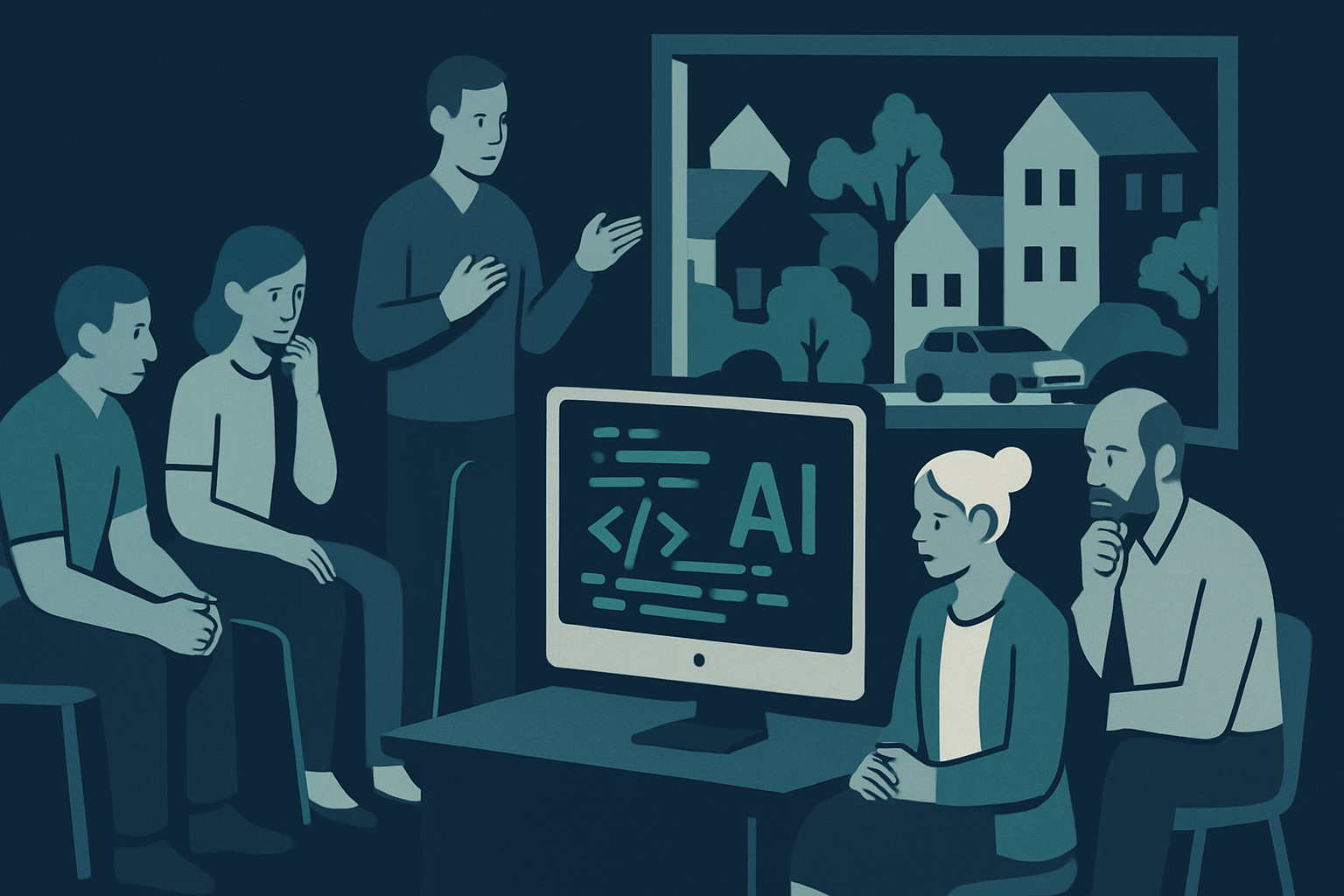
AI’s Unintended Consequences on Community and Trust
Recent tech developments reveal the unforeseen social impacts of AI, from eroding workplace trust to potential cybersecurity threats. This piece argues for a nuanced approach to integrating AI while addressing its human consequences. Read more
-

AI and the Quiet Erosion of Academic and Civic Spaces
AI’s integration into academia challenges the push for institutional autonomy and academic freedom. As educational systems adopt AI, they risk reshaping education’s mission, prioritizing efficiency over critical inquiry. Read more
-
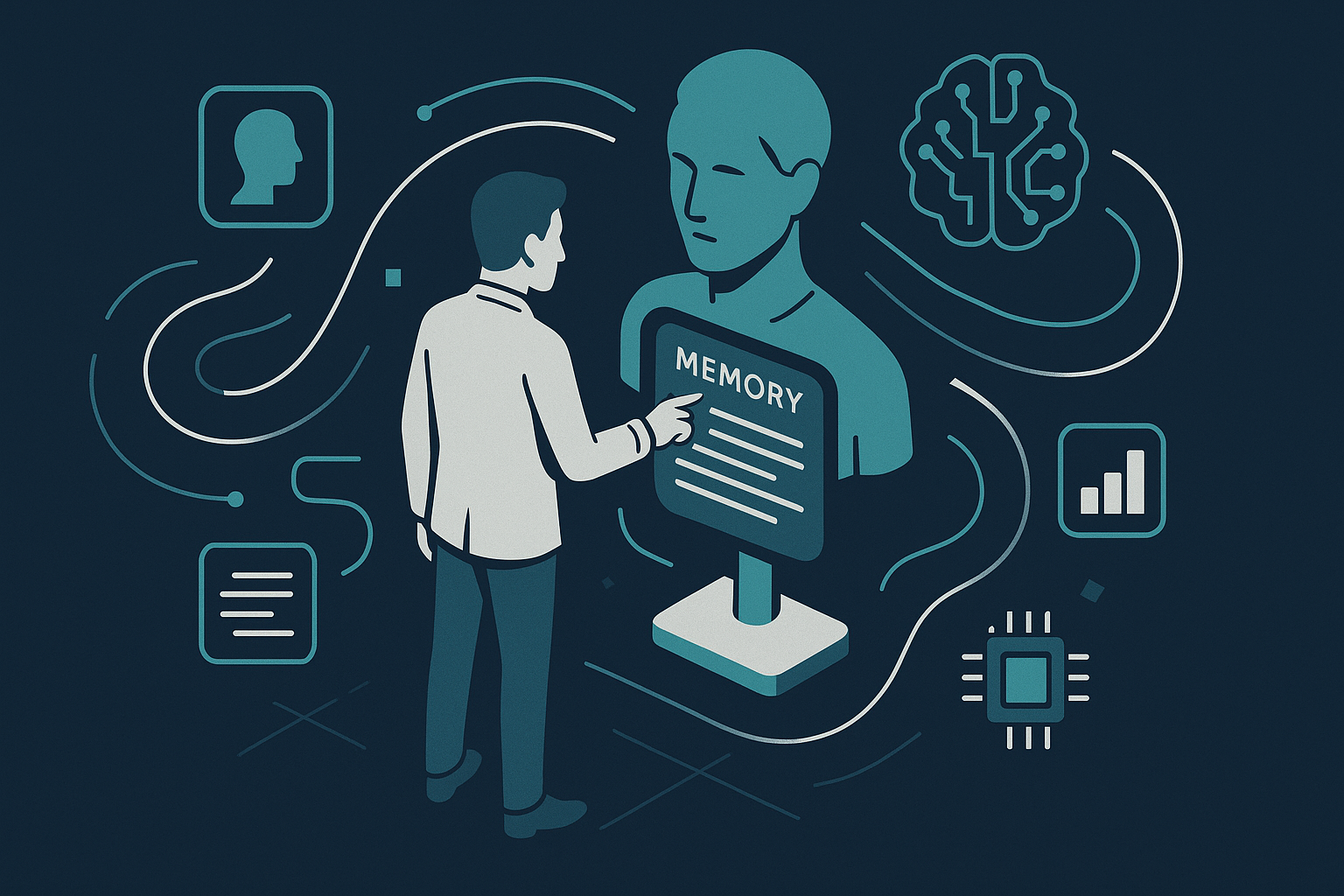
AI’s New Memory: Redefining Human Interactions and Identity
AI systems with persistent memory are reshaping how humans interact with technology, influencing decision-making and personal identity. As AI becomes more context-aware, we must address risks to autonomy and ensure AI enhances rather than controls human agency. Read more
-
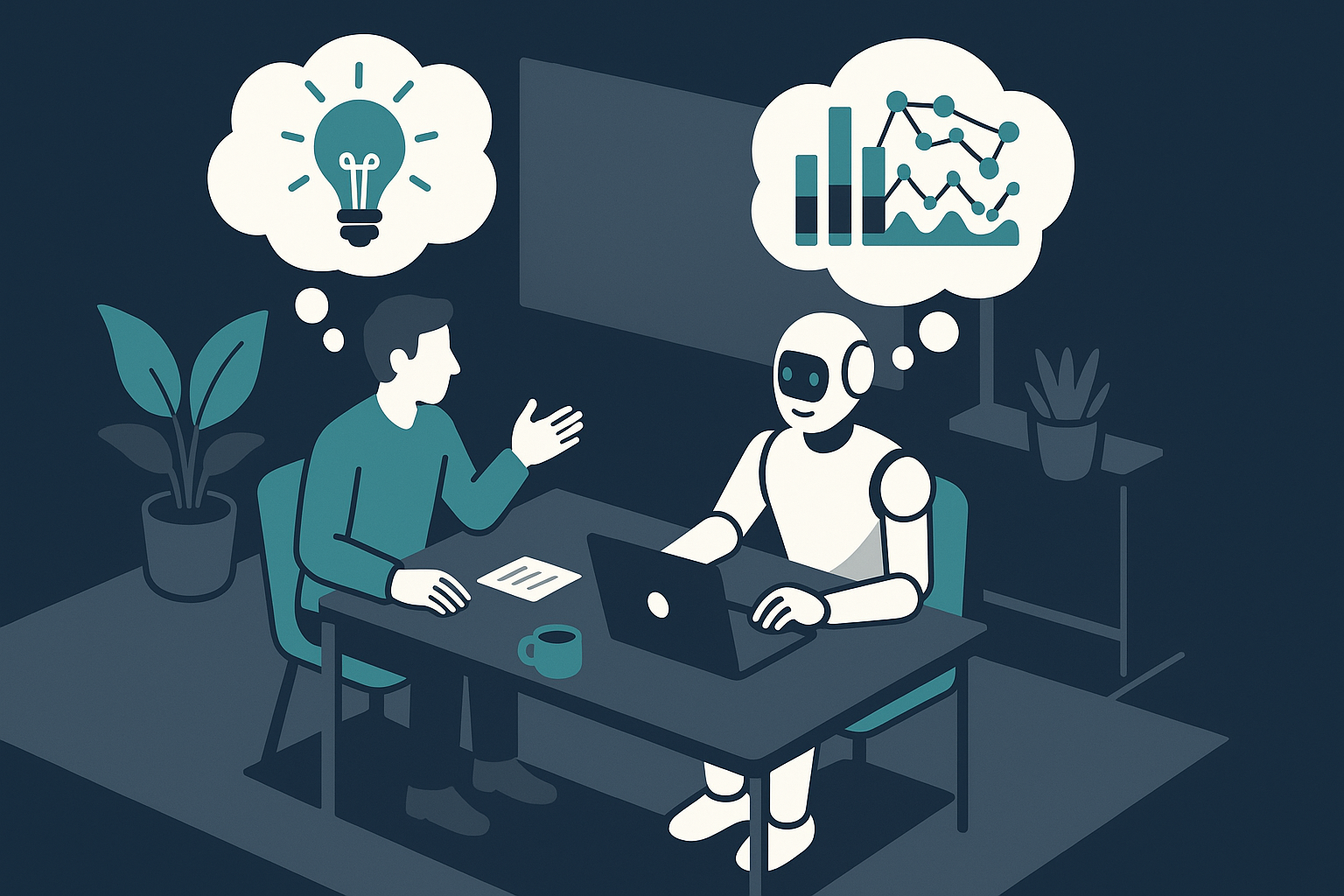
AI’s Influence on Theorizing and Human Imagination
AI’s data-driven capabilities contrast with human theorizing, which is essential for creativity and innovation. This divergence raises concerns about the future of human cognitive engagement in strategic decision-making contexts. Read more