
Your daily briefing on AI, technology, economics, and society — from q52.ai.
Industry & Economics
AI’s Role in Transforming SaaS and Legal Markets: Growth and Competition
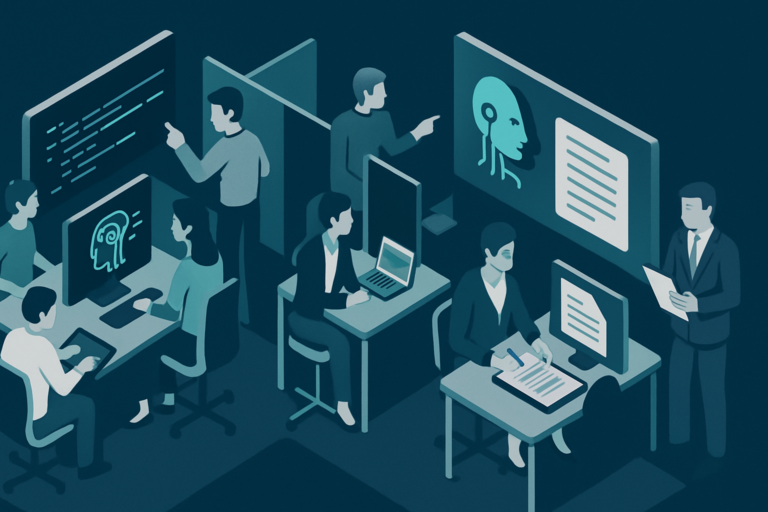
What’s happening: AI technology is transforming the SaaS and legal markets by improving internal efficiencies and creating new revenue opportunities. Companies like Atlassian and ServiceNow are using AI to reduce workloads and enhance their offerings, while Google’s Gemini aims to disrupt the legal sector by automating tasks such as contract analysis. This shift is resulting in SaaS products with annual recurring revenue growth rates over double those of non-AI solutions.
Why it matters: The integration of AI in SaaS is fundamentally changing how value is created, with the potential to significantly boost profitability. In the legal field, AI’s ability to streamline complex workflows could not only lower costs for consumers but also challenge job security for junior legal professionals, raising concerns about the future workforce landscape. As larger firms adopt these technologies, smaller firms may struggle to compete, impacting market diversity.
Our take: While AI offers promising advancements in efficiency and product development, it also poses risks of market consolidation and job displacement. A balanced approach is essential to ensure that AI enhances human roles rather than replaces them, fostering innovation while protecting employment across these sectors.
Tech & Engineering
AI Agents: Engineering Implications and Operational Shifts
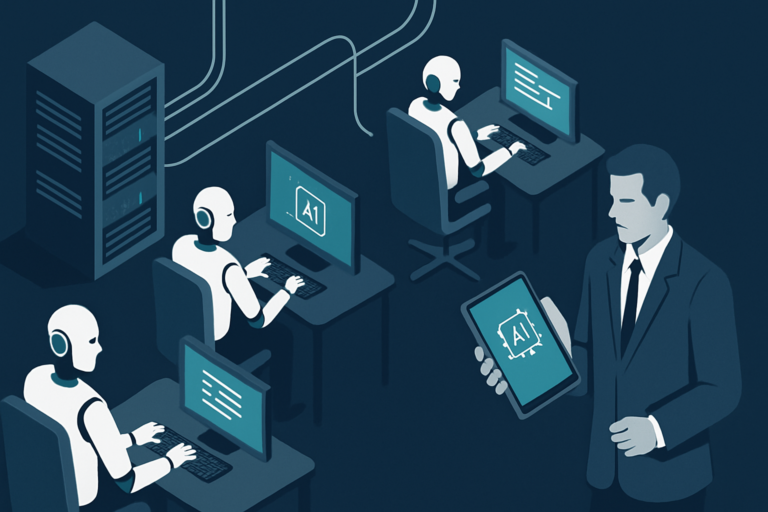
What’s happening: Major tech companies are reshaping AI systems with new products aimed at monetization and operational efficiency. Meta is launching a paid AI agent called Hatch and a new model named Watermelon, while OpenAI introduces an Admin plugin for centralized management in enterprise applications. Perplexity AI’s portable AI computer aims to enhance performance by moving AI processing closer to users, and Anthropic is improving Claude’s memory for better customization and privacy.
Why it matters: These developments indicate a shift towards monetized AI capabilities and the need for robust infrastructure to support enterprise applications. The emphasis on centralized governance and compliance tools highlights the increasing importance of security in AI deployments. Additionally, the move towards edge computing could significantly reduce latency and reliance on cloud services, potentially transforming how organizations implement AI technologies.
Our take: The push for monetization and decentralization raises important questions about the balance between user privacy and personalized experiences. As AI systems become more integrated into everyday operations, engineering teams must prioritize not just functionality, but also the ethical implications of data handling and user consent.
Sciences
OpenAI’s ‘Bel’ Pretrain: Launchpad for GPT-6
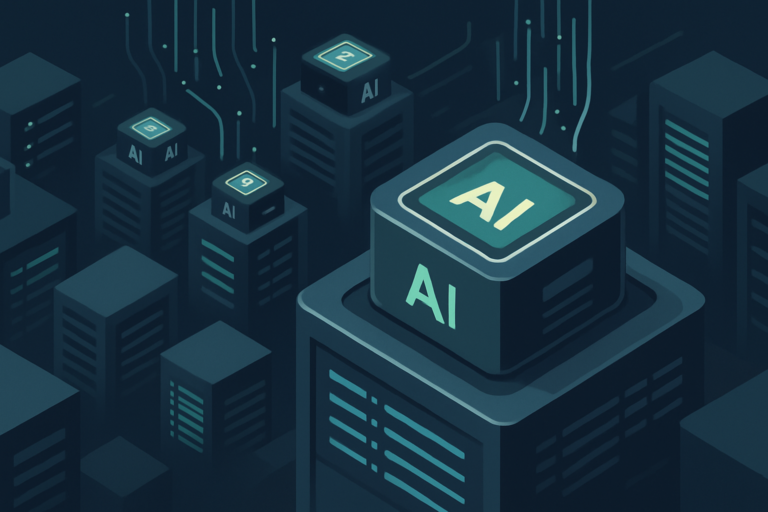
What’s happening: OpenAI has completed the pretraining of its new AI model, ‘Bel,’ which has over 10 trillion parameters, making it comparable to GPT-4.5. This model is designed to serve as the foundation for the upcoming GPT-6, utilizing advanced techniques such as distributed computing and reinforcement learning to optimize its performance and reduce training time.
Why it matters: The introduction of Bel is poised to enhance AI’s capabilities in understanding and generating human-like text, which could transform industries reliant on language processing like customer service and content creation. As AI becomes more efficient in these areas, businesses may experience lower operational costs and improved service delivery, but the potential for misuse raises ethical concerns that must be addressed through governance frameworks.
Our take: While the technological advancements represented by Bel are impressive, the conversation around ethical AI deployment needs to be prioritized to prevent misuse and ensure responsible innovation in the sector.
Society
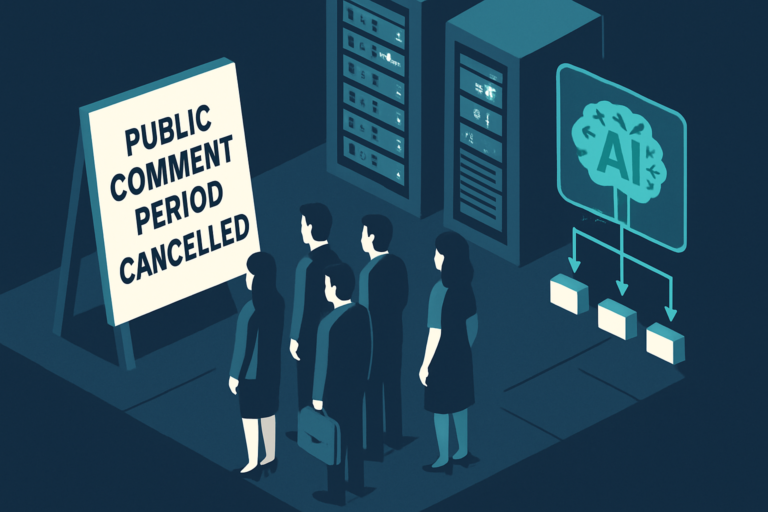
The Hidden Stakes of AI-Driven Institutional Decisions
What’s happening: Recent shifts in AI technology are changing how institutions make decisions, as seen in the EPA’s proposal to speed up permitting processes by eliminating public comment for minor pollution sources like data centers. This trend reflects a broader reliance on AI, which is now automating tasks traditionally handled by humans, raising concerns about transparency and accountability in decision-making processes.
Why it matters: The EPA’s move could marginalize community voices, especially in areas impacted by the expansion of energy-intensive data centers, which can harm local environments. As AI systems take on more autonomous roles, the reduction of human oversight complicates accountability—making it unclear who is responsible for decisions made by AI, particularly when errors occur in critical areas such as environmental management or construction.
Our take: The integration of AI in institutional decision-making poses significant risks to public engagement and trust. It’s crucial for institutions to develop frameworks that ensure transparency and maintain human oversight, preventing the erosion of democratic processes.
Psychology

AI’s Role in Redefining Human Expertise and Creativity
What’s happening: AI is significantly changing how humans interact with information and make decisions, as demonstrated by 3M’s AI-driven product catalog management and MIT’s η-learning algorithm, which predicts extreme events without historical data. These advancements indicate that AI is not merely automating tasks but enhancing human capabilities, allowing specialists to focus on more complex issues by processing vast amounts of data and generating insights that may elude human cognition.
Why it matters: The rise of AI challenges traditional notions of expertise and creativity, as machines take on predictive and analytical roles previously held by humans. This shift raises critical questions about the future of human roles in various industries, including whether humans will transition into oversight positions or if new areas of expertise will emerge. Understanding this evolution is crucial for adapting educational and professional frameworks to ensure that human skills remain relevant and complementary to AI technologies.
Our take: Embracing AI as a collaborative partner in creativity and problem-solving is essential for maximizing human potential. The focus should be on integrating AI into our cognitive processes while fostering uniquely human skills, such as emotional intelligence and ethical reasoning, to navigate the complexities of the future.
That’s the digest for August 27, 2026.
Questions? Reach out at info@q52.ai.
q52.ai — Engineering Better Questions
