

Your daily briefing on AI, technology, economics, and society — from q52.ai.
Industry & Economics
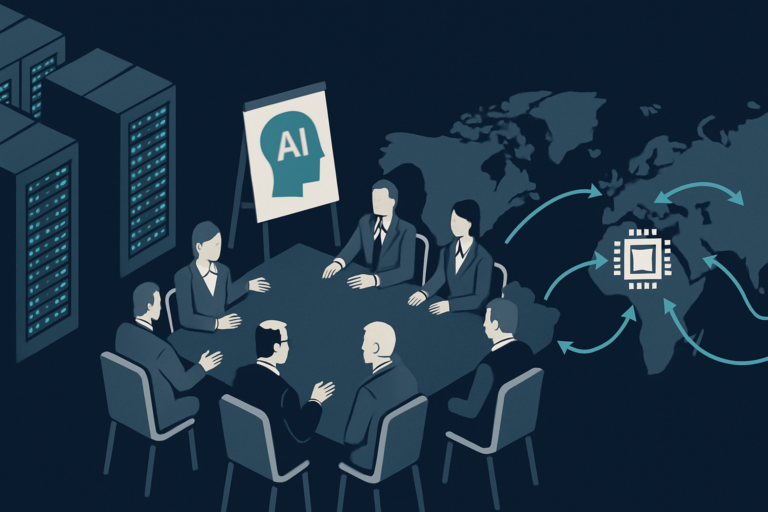
AI’s Strategic Influence: Decoding Power Shifts in Tech and Trade
What’s happening: Recent strategic moves by tech giants like Nvidia and OpenAI illustrate a shifting landscape in AI and technology. Corning is partnering with Nvidia to boost optical fiber production in response to the increasing demand from AI data centers. Conversely, OpenAI’s decision to cut ties with Cursor, a company acquired by SpaceX, highlights growing competitive tensions in the AI sector, compounded by potential government influence on chip export policies.
Why it matters: These developments indicate a significant reallocation of resources towards AI infrastructure, underscoring its importance across various sectors. Corning’s expansion will create over 3,000 jobs, impacting local labor markets. Additionally, OpenAI’s actions expose vulnerabilities in tech partnerships, prompting firms to rethink their dependencies and invest more in proprietary technologies. The interplay between corporate strategies and government policies could reshape global trade dynamics, particularly in the semiconductor industry, which is vital for national security and economic competitiveness.
Our take: The current landscape suggests that AI is not just a technological revolution but a catalyst for broader economic and geopolitical shifts. Companies and policymakers must prioritize building independent capabilities while navigating the complexities of strategic dependencies and competitive pressures.
Tech & Engineering

AI-Driven News: Reengineering Information Systems
What’s happening: AI systems are transforming information consumption and distribution, particularly in news media. Recent sales and access changes, such as Cursor’s acquisition by SpaceX and OpenAI pulling back on GPT access, indicate a trend towards more restrictive AI infrastructure. Additionally, younger audiences are increasingly using AI tools for news, necessitating new approaches to system design that prioritize personalization and ethical information handling.
Why it matters: These shifts are reshaping how developers build AI systems, moving from open access to more controlled environments. As companies explore layered monetization strategies for AI, the complexity of managing access and ensuring system security increases. Engineers must adapt their designs to accommodate these changes while also addressing ethical concerns like bias in AI-driven content delivery, which is critical for maintaining trust in news sources.
Our take: The move towards restrictive access and monetization strategies may stifle innovation in the AI space unless developers prioritize collaboration and ethical standards. The engineering community needs to balance the demands of security and personalization while remaining vigilant about the potential for bias in AI-generated news.
Sciences
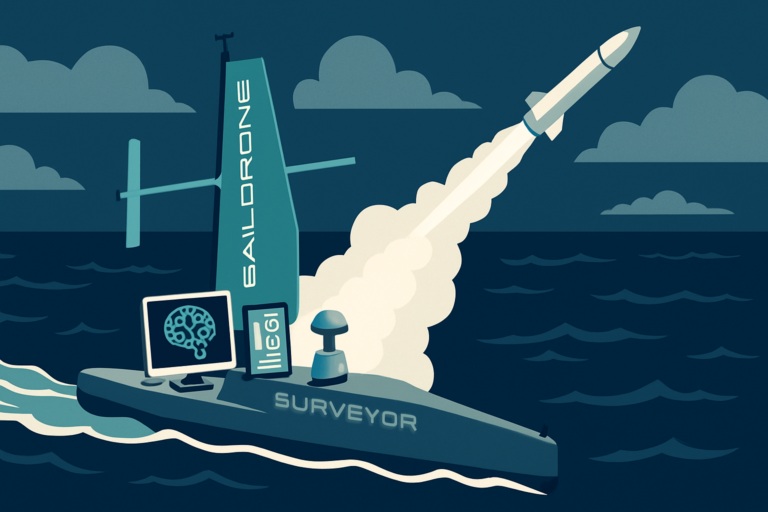
AI-Driven Naval Warfare: The Rise of Unmanned Combat Ships
What’s happening: The US Navy has successfully launched JAGM missiles from an unmanned surface vessel called the Saildrone Surveyor, marking a significant advancement in autonomous naval warfare. This achievement demonstrates how advanced sensors, machine learning, and AI-driven navigation systems enable these vessels to autonomously perform complex tasks such as target acquisition and decision-making in dynamic environments.
Why it matters: The successful integration of unmanned combat ships into naval operations allows for reduced risk to human operators and the potential for more flexible military strategies. As these technologies evolve, they could redefine naval warfare tactics and open up new strategic possibilities, although they also raise ethical concerns about the deployment of autonomous weapons and the need for regulatory frameworks to ensure responsible use.
Our take: While the technological advancements in autonomous naval warfare are impressive, they may overlook the complexities of human decision-making that cannot be easily replicated by AI. As reliance on these systems grows, it’s essential to consider the implications of removing human judgment from critical combat scenarios.
Society
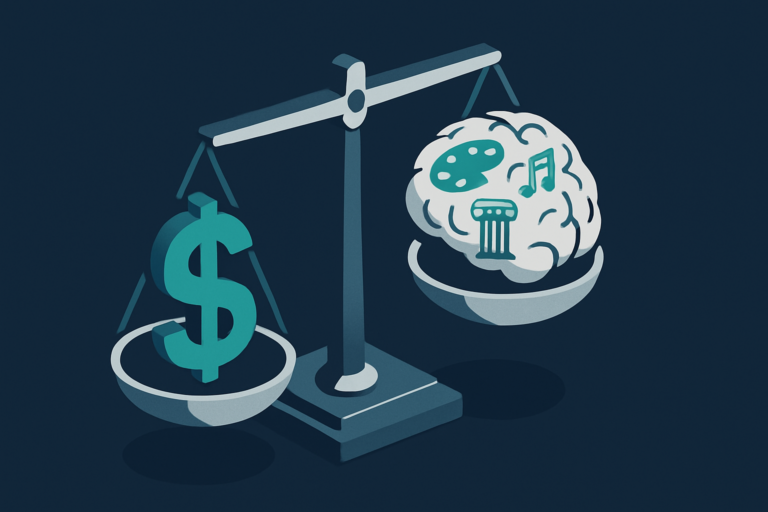
The Price of AI: Economic Advantage Versus Cultural Cost
What’s happening: The rapid growth of artificial intelligence is changing both economic and cultural landscapes. Key events, such as the suspension of funding for surveillance cameras in Texas, the market entry of the low-cost GLM-5.3 Flash model, the emergence of AI spiritual advisors, and a copyright lawsuit against Anthropic, illustrate how economic advantages are increasingly intertwined with cultural implications. These developments highlight concerns over privacy, the authenticity of human relationships, and the protection of creative works in the age of AI.
Why it matters: As businesses prioritize cost-effective AI solutions, there is a risk that innovation will stagnate, focusing on affordability rather than advanced capabilities. The rise of AI spiritual advisors prompts critical questions about the quality of human connections, potentially leading to a decline in meaningful interpersonal relationships. Additionally, the legal challenges surrounding AI’s use of copyrighted material could reshape intellectual property laws, impacting how creators and companies interact in a digital age.
Our take: The tension between economic efficiency and cultural integrity is palpable, and without proper regulatory frameworks, the swift advancement of AI could further erode essential human elements in creativity and connection. It’s imperative for policymakers to address these challenges to ensure that AI development enriches rather than diminishes our societal fabric.
Psychology

AI’s Evolving Role: From Tools to Cognitive Partners
What’s happening: AI systems are transitioning from being viewed as isolated tools to becoming persistent cognitive partners that engage users over multiple sessions. This evolution allows AI to adapt to user needs and build on previous interactions, fundamentally changing how we interact with technology and perceive its role in our cognitive processes.
Why it matters: As AI becomes more integrated into our decision-making and emotional responses, it raises important questions about reliance on these systems and how they influence our perceptions of expertise and creativity. This shift can affect human intuition and trust, necessitating a careful balance between leveraging AI insights and maintaining human agency in the decision-making process.
Our take: The move towards AI as cognitive partners highlights the need for transparency and ethical considerations in AI development. If not managed thoughtfully, this relationship could lead to an imbalance where AI systems overshadow human judgment, emphasizing the importance of aligning AI with human values to foster a collaborative environment.
That’s the digest for September 01, 2026.
Questions? Reach out at info@q52.ai.
q52.ai — Engineering Better Questions
