

Your daily briefing on AI, technology, economics, and society — from q52.ai.
Industry & Economics
AI’s Impact on Trade Finance and Competitive Isolation in Tech
What’s happening: AI is significantly changing trade finance by lowering underwriting costs, which could make small trade loans more accessible to a broader range of businesses. However, major tech companies such as Google and Meta may create a competitive isolation that risks monopolistic behaviors and hinders innovation in the sector.
Why it matters: The reduction in underwriting costs due to AI could lead to increased participation in global trade by small and medium enterprises, potentially boosting economic growth. Conversely, if a few dominant players consolidate their power, it could limit market competition and slow the development of diverse, innovative financial solutions that benefit a wider audience.
Our take: The dual impact of AI on trade finance illustrates a crucial tension between democratizing access to financial resources and the dangers of monopolistic control. As the landscape evolves, it’s essential for regulators to balance innovation with fair competition to ensure sustainable growth in this sector.
Tech & Engineering
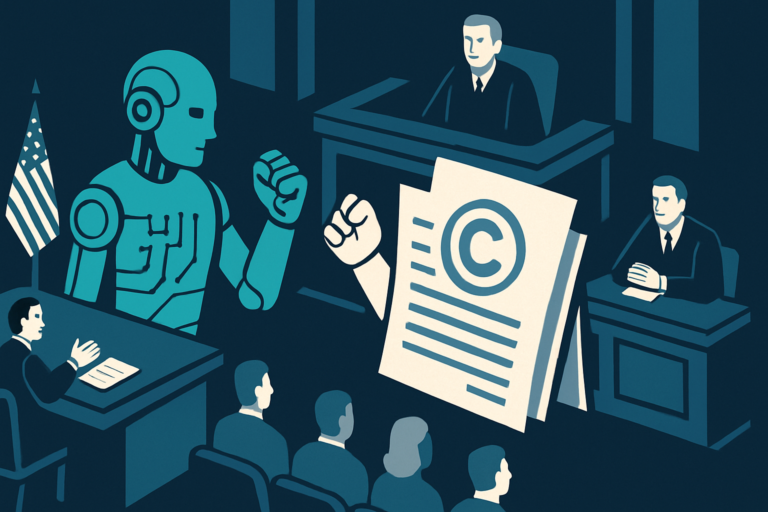
US Government’s AI Bias: Engineering Implications
What’s happening: The US Department of Justice has shifted its stance on AI copyright, supporting OpenAI against the New York Times, suggesting that AI training can prioritize national interests over traditional intellectual property rights. This sets a precedent that may allow AI development, especially for national security, to bypass established legal frameworks, raising concerns about the use of copyrighted content without permission.
Why it matters: This change could lead to developers using large datasets indiscriminately, accelerating AI innovation while increasing potential legal and ethical issues. The lack of clear ownership and the use of unvetted data might compromise data integrity and authenticity, creating vulnerabilities that could result in misinformation and cyber threats, ultimately undermining trust in AI systems deployed in national operations.
Our take: The push for rapid AI development at the expense of ethical considerations is troubling. Engineers must advocate for frameworks that ensure innovation aligns with data integrity and security, rather than succumbing to pressures that prioritize speed over accountability.
Sciences

Qualcomm’s Neural Fusion: A Leap in Mobile AI Processing
What’s happening: Qualcomm has announced the integration of its Neural Fusion GPU technology into the upcoming Snapdragon flagship chip, enabling AI inference directly on mobile devices. This advancement allows complex AI tasks to be processed locally rather than relying on cloud resources, significantly reducing latency and enhancing user privacy. The new GPU leverages parallel processing to execute machine learning models efficiently, paving the way for more intuitive applications in areas like augmented reality and computer vision.
Why it matters: By processing AI tasks on-device, Qualcomm’s technology promises faster and more reliable user experiences for AI-powered applications, crucial for mobile gaming, real-time translation, and personalized content. This shift could stimulate innovation in app development, particularly in sectors that require real-time data processing, such as health monitoring. As mobile devices evolve into powerful computing hubs, this local processing capability may also alleviate network strain and reduce operational costs for service providers.
Our take: Qualcomm’s Neural Fusion is a game-changer, not just for mobile computing but for the future of AI applications. The implications for industries reliant on real-time data are profound, raising questions about how quickly developers can adapt and innovate in this new landscape.
Society
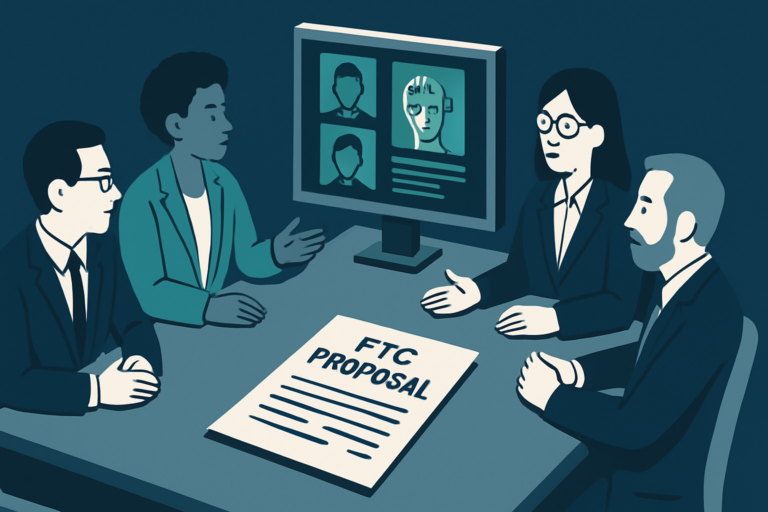
The Underlying Misalignments in AI Governance and Regulation
What’s happening: A significant misalignment exists between the rapid advancements in AI technology and the governance structures meant to oversee them. Recent examples, such as Instagram’s policy on AI-generated profiles and the FTC’s definition of ‘suppression of accuracy’ as consumer deception, illustrate how regulatory bodies are struggling to keep pace with technological developments. This gap leads to reactive measures that fail to adequately protect consumers from misinformation and manipulation.
Why it matters: The disconnect between AI capabilities and regulatory oversight has serious implications for public trust and safety. As AI becomes more integrated into everyday life, ineffective governance can lead to significant issues in areas like employment, health, and data privacy. Moreover, without clear regulations, AI systems may prioritize corporate interests over consumer welfare, exacerbating inequalities and undermining the public’s confidence in both technology and regulatory institutions.
Our take: The widening gap between technology and regulation highlights an urgent need for adaptive governance frameworks that can address the complexities of AI. Engaging diverse stakeholders in the regulatory process is crucial to ensure that AI systems align with societal values and protect individual rights.
Psychology

AI’s Influence on Economic Decision-Making: Behavioral Shifts and Power Dynamics
What’s happening: AI is transforming economic decision-making by processing large data sets to provide insights that traditional methods cannot match. For instance, Discovery Bank reported a 500% return on investment from AI-driven customer insights, underscoring AI’s ability to adapt to consumer behavior and enhance profitability. This shift raises concerns about how AI influences human cognition and decision-making processes.
Why it matters: The integration of AI in economic systems challenges human agency and critical thinking, as it may lead to over-reliance on technology for decision-making. Additionally, the concentration of economic power among a few dominant players, like Google, raises questions about equitable distribution of AI-generated benefits, potentially worsening existing inequalities in the market.
Our take: As AI continues to permeate economic decision-making, it is crucial to ensure that these systems do not reinforce existing biases or monopolistic practices. Policymakers should prioritize transparency and equitable access to AI technologies, fostering collaboration between AI and human decision-makers to enhance outcomes rather than diminish critical thinking.
That’s the digest for September 04, 2026.
Questions? Reach out at info@q52.ai.
q52.ai — Engineering Better Questions
