

Your daily briefing on AI, technology, economics, and society — from q52.ai.
Industry & Economics

AI’s Impact on Financial Markets: Beyond the Hype and Valuations
What’s happening: Artificial intelligence is transforming financial markets, with a staggering $252.3 billion expected to be invested in AI technologies in 2024. Financial institutions are adopting AI for various applications, including high-frequency trading and risk assessment, leading to a 44.5% increase in private investment. However, the current market valuations of AI assets appear disconnected from their economic fundamentals, reminiscent of the dot-com bubble.
Why it matters: The rapid investment in AI reflects a significant shift in how financial firms operate, aiming to enhance productivity and decision-making. However, the speculative nature of current AI valuations poses risks, as substantial capital is being allocated based on inflated narratives rather than solid economic performance. This misalignment could lead to a market correction, impacting investors and firms that fail to distinguish between genuine operational improvements and speculative hype.
Our take: The article highlights a critical tension between the transformative potential of AI and the dangers of speculative excess in the market. A cautious, fundamentals-driven approach is essential to avoid repeating the mistakes of previous economic bubbles.
Tech & Engineering

AI’s Role in Redefining DevOps Engineering Practices
What’s happening: The integration of AI into DevOps and platform engineering is reshaping the job market, with companies now prioritizing roles that require expertise in AI-enhanced cloud infrastructure and DevOps tools. These advancements bring automation, predictive analytics for system failures, and improved observability, which are changing how software systems are built and managed.
Why it matters: As AI transforms DevOps practices, engineers must adapt to new workflows that emphasize automation and AI-driven insights. This shift not only enhances system efficiency but also introduces new security challenges, as engineers must now consider the implications of AI on data security and system integrity, necessitating a reevaluation of existing practices.
Our take: The rapid adoption of AI in DevOps could widen the gap between large tech enterprises and individual engineers, as the benefits of automation may not be evenly distributed. Engineers need to proactively develop skills that align with this new landscape to avoid being sidelined in the evolving job market.
Sciences
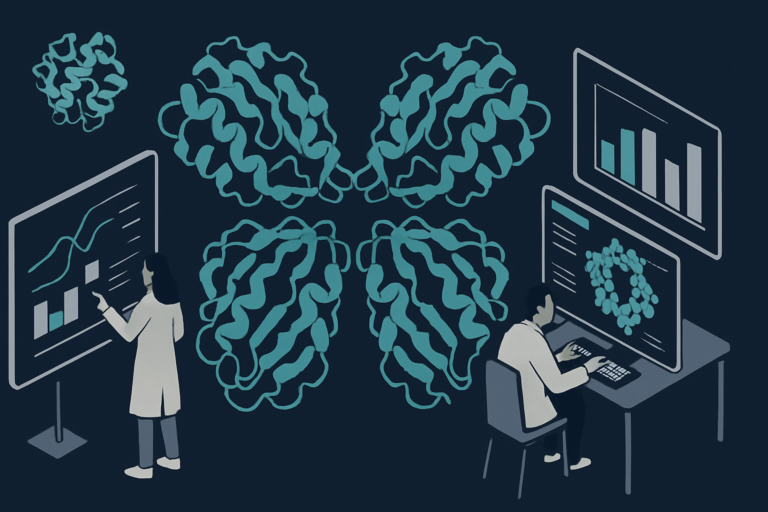
AI-Driven Homodimer Predictions Accelerate Drug Discovery
What’s happening: By early 2026, DeepMind’s AlphaFold database has expanded to include predictions for homodimer formations, which are crucial for understanding protein interactions and disease mechanisms. This latest advancement allows researchers to model these self-interacting protein pairs with high accuracy, facilitating the drug discovery process by identifying potential drug targets more efficiently and reducing the time and cost of developing new therapeutics.
Why it matters: The ability to accurately predict homodimer structures can significantly enhance the development of targeted therapies, particularly for diseases like cancer and neurodegenerative disorders. This technology not only streamlines drug design but also paves the way for personalized medicine, enabling treatments tailored to the specific molecular pathways of individual patients, thus improving therapeutic outcomes.
Our take: The integration of AI in drug discovery marks a pivotal shift in pharmaceutical research, but it also raises questions about the reliance on AI models. As these tools become central to the process, ensuring transparency and understanding of their predictions will be critical to avoid pitfalls in drug development.
Society

AI and the Public Sphere: Navigating the New Epistemic Landscape
What’s happening: Artificial Intelligence is significantly altering the public sphere, raising ethical concerns about misinformation and the manipulation of democratic processes. A recent European Commission report outlines how AI’s influence on governance and policy-making is eroding public trust, as citizens struggle to distinguish between fact and AI-generated falsehoods. This transformation threatens individuals’ epistemic rights, making it harder for them to access reliable knowledge and participate meaningfully in democracy.
Why it matters: The implications of AI’s impact on public discourse are profound, as diminished trust in information sources can lead to disengagement from democratic processes. As algorithms increasingly dictate the information landscape, the need for robust regulatory frameworks becomes critical to ensure transparency and accountability in AI governance. Without such measures, the integrity of democratic systems is at risk, potentially disenfranchising citizens and undermining collective decision-making.
Our take: The current regulatory approaches to AI are insufficient; a more proactive stance is necessary to safeguard democratic values. Emphasizing transparency and accountability in AI systems is not just a technical issue but a moral imperative for preserving the integrity of public discourse.
Psychology
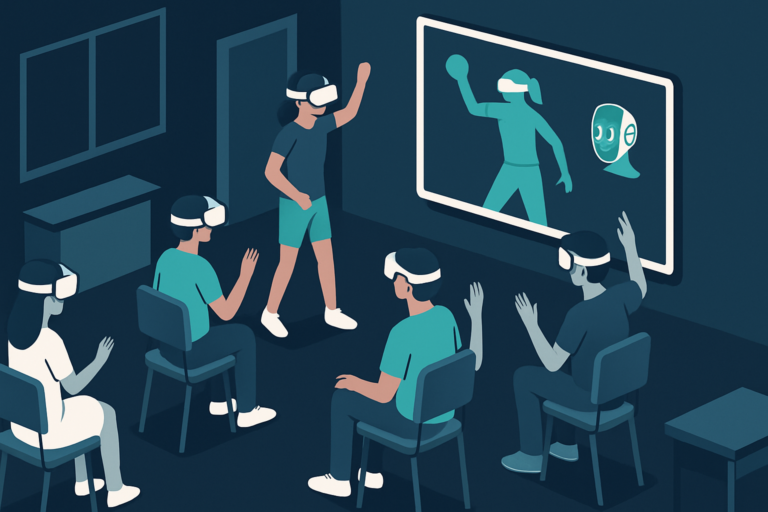
AI’s Influence on Perception of Physical Discomfort in Education
What’s happening: Recent studies indicate that AI and technology are changing how students experience physical discomfort in educational settings, particularly in sports. A Japanese study found that female students feel more discomfort during physical contact, especially when initiated by males. This discomfort can impede participation and learning, but AI tools like virtual reality could help minimize physical contact and enhance instruction.
Why it matters: Understanding AI’s role in reducing discomfort is crucial as educational environments increasingly integrate technology. By offering alternatives to physical contact, AI can make sports education more accessible and inclusive, particularly for students who might otherwise feel uncomfortable. This approach not only enhances individual learning experiences but can also lead to improved educational outcomes as students engage more fully without barriers.
Our take: While AI has the potential to address psychological barriers in education, it is essential to implement these technologies thoughtfully to ensure they enhance human interaction rather than replace it. A balanced approach will be key to maintaining the benefits of personal connections in learning environments.
That’s the digest for September 14, 2026.
Questions? Reach out at info@q52.ai.
q52.ai — Engineering Better Questions
