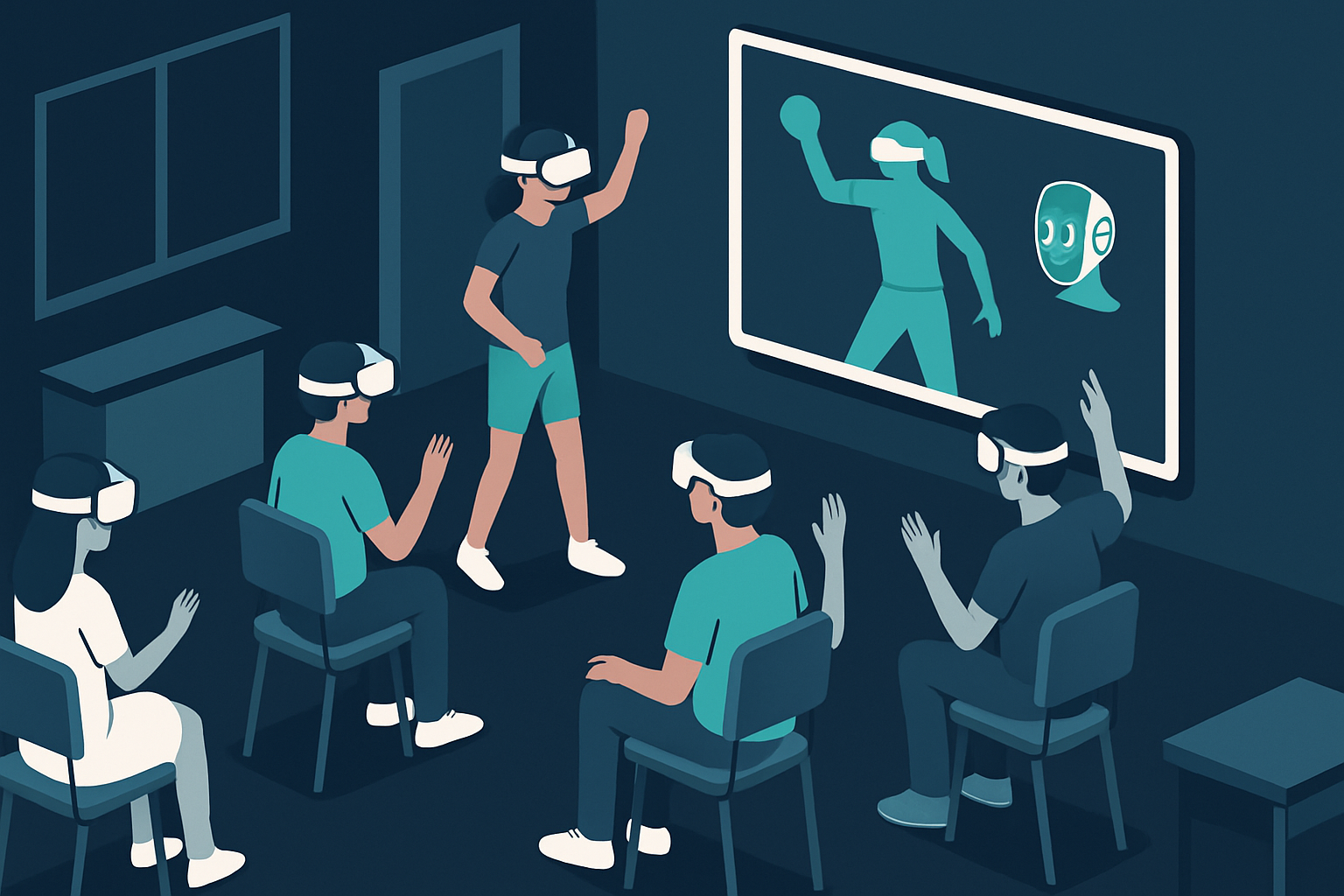

Recent studies have explored how AI and technology are subtly reshaping human interactions, especially in educational settings. The discomfort associated with physical contact in physical education is one intriguing area where technology could play a transformative role. A study from Japan highlights that female students experience varying degrees of discomfort during physical contact in sports, influenced by factors such as the initiator’s gender and the relationship between the individuals. This discomfort is not only a social issue but is also reflective of broader cognitive mechanisms that AI could potentially alter.
In sports education, the psychological discomfort linked to physical contact can hinder learning and participation. The study shows that discomfort is heightened when contact is initiated by males or involves intimate body regions. These findings suggest that cognitive processes, such as social perception and boundary awareness, are at play. Here, AI can intervene by providing alternative methods of instruction that minimize the need for physical contact, such as virtual reality (VR) simulations or AI-driven coaching tools that guide students through movements without requiring touch.
Why It Matters
This intersection of technology and human psychology has significant implications. As we move towards AI-integrated educational environments, understanding how AI can mediate discomfort and enhance learning becomes crucial. By reducing the need for physical contact through AI-driven solutions, we can create more inclusive and comfortable learning environments. This not only benefits students who experience discomfort but also broadens the accessibility of sports education to individuals who might otherwise opt out due to these concerns.
Moreover, AI’s ability to adapt to individual needs through personalized feedback and data-driven adjustments can further enhance the learning experience. This could lead to better educational outcomes, as students engage more fully without the barrier of discomfort. The psychological impact of AI in this context extends beyond mere convenience, challenging us to rethink how educational practices can evolve with technology.
Author’s Position
The evidence suggests that AI has the potential to significantly impact educational settings by addressing psychological barriers such as discomfort from physical contact. However, the integration of AI should be done thoughtfully, ensuring that it complements rather than replaces human interaction. As AI technologies become more prevalent, educators and policymakers must carefully consider how these tools are implemented to ensure they enhance, rather than detract from, the educational experience.
Ultimately, AI’s role in education should be one of support and augmentation. By leveraging AI to address psychological discomfort, we can ensure that educational environments are more inclusive and effective for all students. This approach not only aligns with the evolving landscape of technology in education but also respects the cognitive and emotional needs of learners, paving the way for a future where AI and human interaction coexist harmoniously.
References
- Rates of childbirth in female cancer survivors: A population-based study in Taiwan
- Correction: “The system is obviously bonkers”: The APC Trap and the bind of scholarly publishing across four research intensive institutions in the U.S.
- Physical contact in physical education for women: A cross-sectional questionnaire-based study of discomfort related to initiator gender, relationship with the initiator, and body region
- Functional acuity score as a surrogate of reading performance in low vision: A Japanese disability evaluation cohort study
Perspectives

When the Carrier plant in Indianapolis shipped jobs to Mexico, they didn’t offer virtual reality headsets to ease the pain; they handed out pink slips. AI might claim to solve discomfort in education, but no algorithm will replace the grit required to face and overcome real-world challenges. Are we trying to coddle students into an illusion where every obstacle gets a tech band-aid, or should we teach them resilience in the face of discomfort? The lessons from those unemployed workers are far more valuable than any AI-generated utopia—real-world discomfort preps you for real-world solutions.

AI organizational readiness in educational institutions currently lags behind the transformative potential offered by AI-driven solutions in minimizing physical discomfort. The impetus is clear: deploy virtual reality and personalized coaching tools to overcome psychological barriers, thereby redefining engagement in sports education. Stakeholders must understand that positioning themselves competitively in this sphere dictates a significant governance maturity deficit correction. The opportunity lies in structuring a comprehensive strategic deployment framework, aligning AI capability with stakeholder ecosystem dynamics to enhance learning and inclusivity.

The enthusiastic push for AI-driven solutions in education isn’t about student well-being—it’s about creating a market for tech giants to profit from digital novelty. By framing physical discomfort in education as a problem AI can solve, they conveniently shift the narrative to sell more gadgets and services rather than addressing the root causes, like poor school resources and underfunded programs. Students and educators end up paying the tab, with time and focus diverted from more meaningful investments in education. The true beneficiaries are the companies capturing data and locking schools into perpetual cycles of software updates and hardware upgrades.

Who is funding these AI-driven educational tools and who’s left dealing with their maintenance when the novelty wears off? Pronouncements of AI enhancing sports education gloss over the nitty-gritty reality of upkeep and the dependency it creates on private entities — a free market dog collar disguised as innovation. Their promises of inclusivity are empty without a sustainable support system to back them up. We’re outsourcing too much power to technology without asking who’s left holding the leash.