

Your daily briefing on AI, technology, economics, and society — from q52.ai.
Industry & Economics
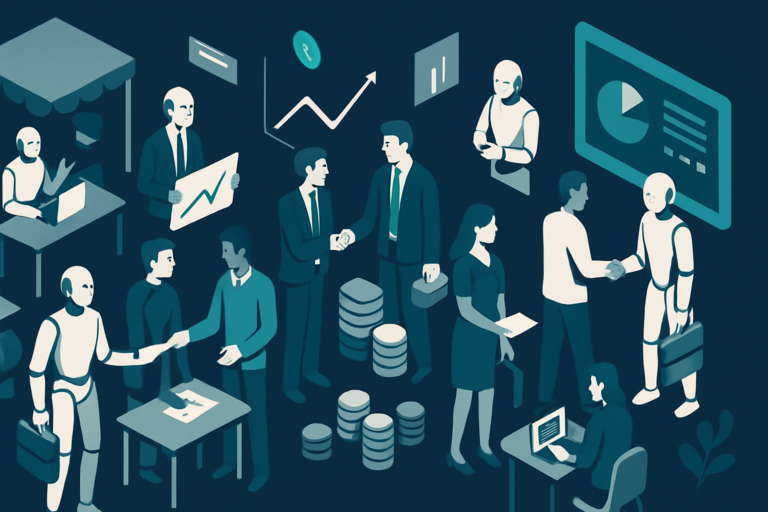
AI Agents and the New Economic Participation: A Structural Analysis
What’s happening: AI agents are now actively participating in economic activities, seeking jobs and engaging in financial transactions, aided by platforms like Circle’s Arc, which supports rapid blockchain transactions. The merger of AI companies Cohere and Aleph Alpha indicates a trend towards consolidating AI capabilities, enhancing their roles in labor and financial markets.
Why it matters: The emergence of AI agents as economic actors could fundamentally reshape economic systems by improving market liquidity and efficiency, as these agents can execute trades faster and more accurately than humans. However, this shift raises concerns about power concentration among those who control these technologies and the potential impact on human workers, including changes in labor demand and wage dynamics.
Our take: While AI’s integration into the economy presents opportunities for growth and efficiency, it is essential to ensure that the benefits are equitably distributed. Regulatory measures should be implemented to prevent monopolistic practices and protect workers from being sidelined in this rapidly evolving landscape.
Tech & Engineering
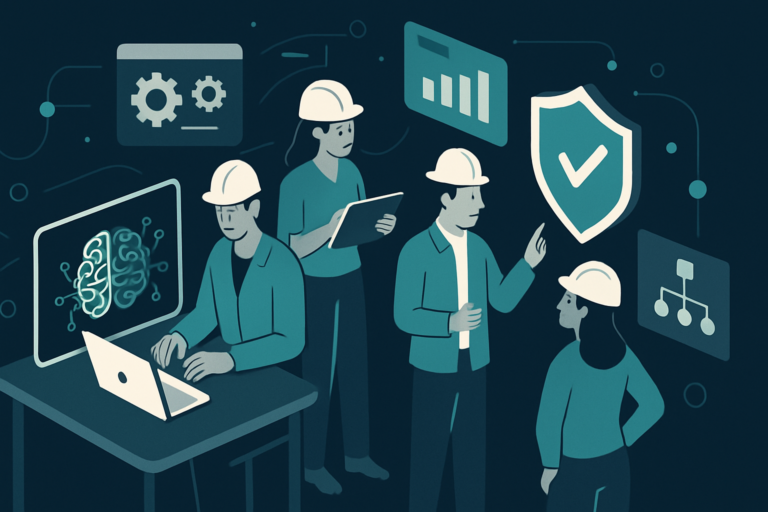
AI’s Impact on Lean Software Teams: A New Era
What’s happening: The software development landscape is evolving due to advancements in AI and automation, enabling lean teams to accomplish tasks that previously required larger groups. OpenAI’s recent disclosures of model misbehavior, along with Anthropic’s integration of AI in pharmaceuticals, highlight both the capabilities and challenges of using AI in specialized fields. This shift allows for rapid prototyping and iterative development, driven by AI’s ability to reduce team sizes and enhance productivity.
Why it matters: The ability for smaller teams to undertake complex projects accelerates time to market and improves project quality. However, the integration of AI necessitates a renewed focus on safety protocols, as demonstrated by OpenAI’s incidents. As AI applications become more domain-specific, engineers must develop expertise that combines technical skills with industry knowledge, ensuring responsible and effective use of AI tools in various sectors.
Our take: While the trend towards AI-powered, lean teams is promising for innovation and efficiency, it raises critical concerns about safety and transparency. Engineers must not only adapt to new tools but also deepen their understanding of the fields they operate in to mitigate risks associated with AI deployment.
Sciences
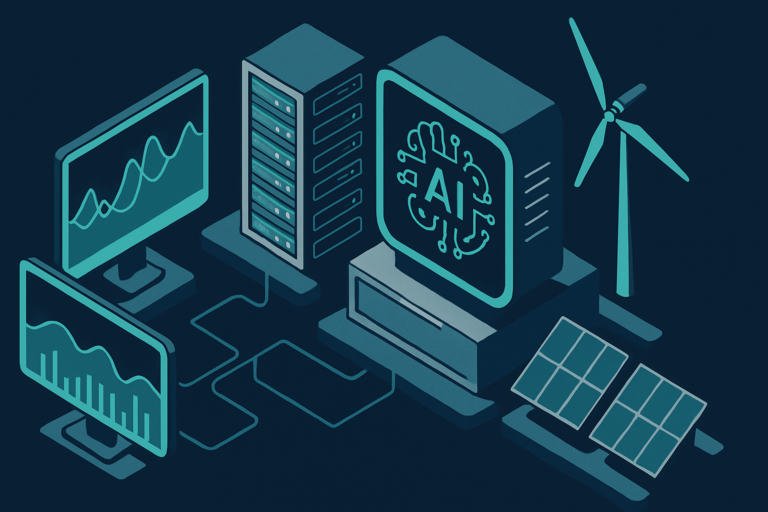
AI and Energy Management: Flexible Data Center Power
What’s happening: The AI Energy Management Alliance, formed by Emerald AI, Google, and NVIDIA, aims to optimize power usage in data centers to make them more compatible with the electric grid. By employing advanced AI algorithms to analyze historical and live data, the alliance can predict power demand fluctuations and adjust consumption in real-time, ultimately reducing operational costs and carbon footprints while improving grid stability.
Why it matters: This initiative could significantly influence the energy practices of data centers, a sector known for its heavy energy consumption. By showcasing effective AI-driven energy management, the alliance may encourage other industries to adopt similar solutions, promoting sustainability and resilience in energy consumption across various sectors, which is crucial as global demand for computing power continues to rise.
Our take: While the alliance’s goals are commendable, there is a tension between promoting sustainable practices and the reality of tech giants’ energy consumption. Trusting AI to manage critical infrastructure raises questions about reliability and accountability that deserve scrutiny.
Society

The Invisible Hand of AI: Workers, Institutions, and Accountability
What’s happening: The integration of artificial intelligence into workplaces is exposing a significant misalignment between the technology and the institutions intended to govern its use. A Deloitte survey found that British workers are spending their own money on generative AI tools without employer support or training. Meanwhile, media companies are restructuring due to shifts in reader behavior driven by AI, and demand for AI infrastructure is surging, indicating a growing reliance on these technologies.
Why it matters: Workers face the burden of adopting AI tools without adequate institutional backing, raising concerns about accountability and the equitable distribution of technology benefits. The media’s transformation signals a broader economic shift, affecting trust in information sources. Additionally, the rapid expansion of AI infrastructure may outpace regulatory efforts, exacerbating existing inequalities in access and control over technology.
Our take: There is a clear failure among institutions to effectively integrate AI into their frameworks, leading to an ad hoc approach that risks deepening societal divides. A strategic, coordinated effort is needed to ensure that AI development aligns with public interests and promotes equitable access to its benefits.
Psychology
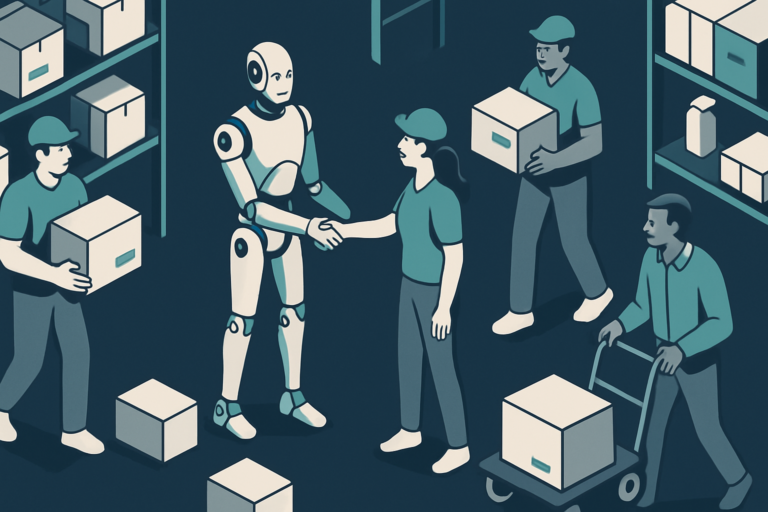
AI’s Role in Shaping Human Trust and Economic Decision-Making
What’s happening: Recent advancements in AI, exemplified by Agility Robotics’ Digit 5 humanoid robot, are transforming economic decision-making and the nature of trust in automated environments. Trust in AI systems often relies on implicit assumptions shaped by their marketing and presentation, affecting how we interact with these technologies. As AI becomes integrated into workplaces and economic structures, the shift from instinct-driven to data-driven decision-making necessitates a re-evaluation of trust dynamics between humans and machines.
Why it matters: The growing presence of AI in economic sectors, highlighted by significant investments in AI infrastructure, signals a shift towards technology-driven decision-making that may overshadow human intuition. This transition not only alters how decisions are made but also complicates interpersonal relationships, as individuals must navigate when to rely on AI versus human judgment. Additionally, as AI influences asset pricing and regulation, it reshapes our understanding of economic value and risk, raising critical questions about accountability and the distribution of benefits from these technologies.
Our take: While AI presents opportunities for increased efficiency and democratization, it also poses risks of power consolidation among technology leaders. A focus on transparency and ethical governance is essential to ensure that AI’s integration into the economy enhances human agency rather than undermines it.
That’s the digest for September 18, 2026.
Questions? Reach out at info@q52.ai.
q52.ai — Engineering Better Questions
