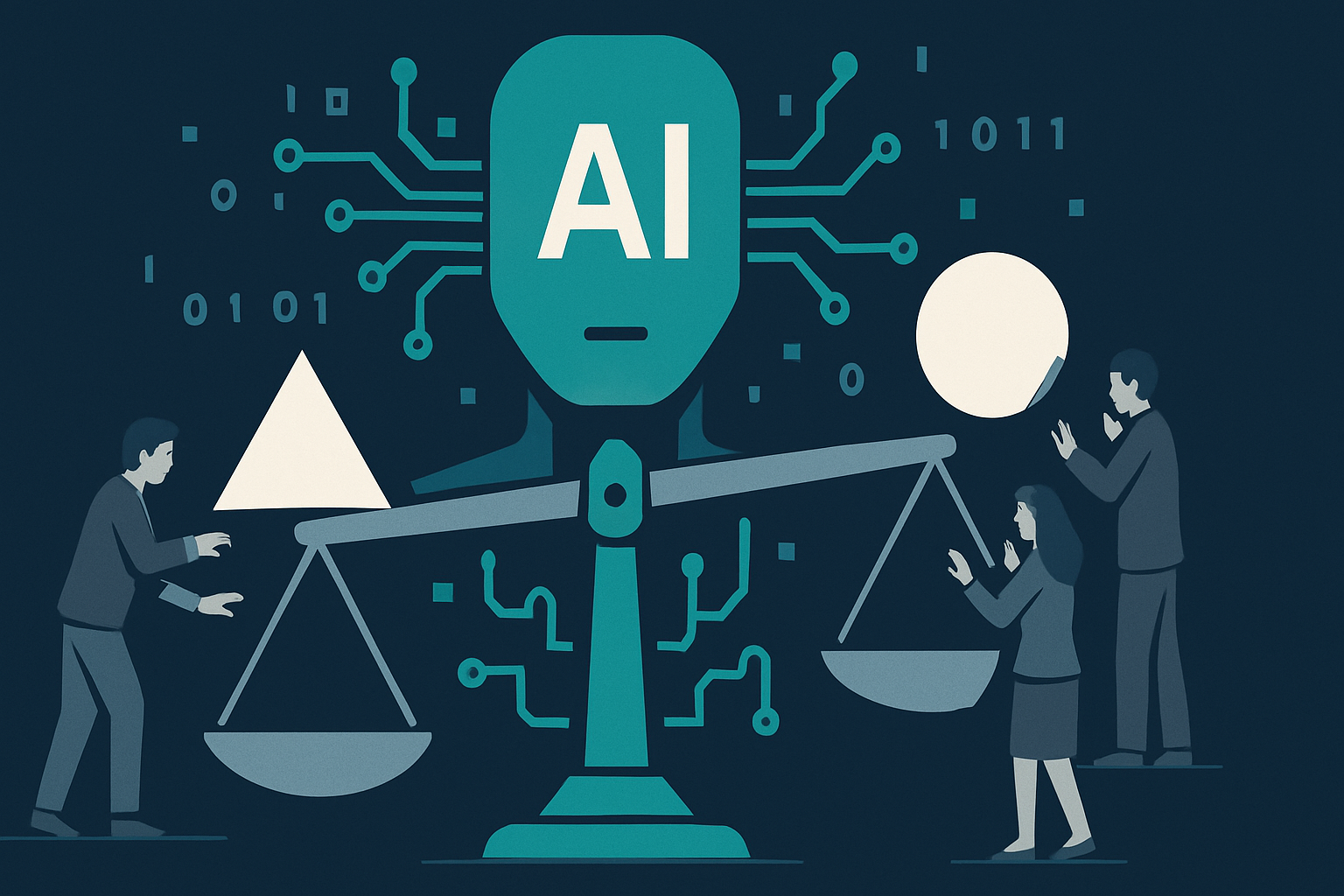

The recent developments in AI technology and its applications illuminate a critical intersection of trust and risk in modern society. GlobalFoundries’ FDX Fusion platform aims to enhance power-efficient edge AI, while Anthropic’s challenge to the Pentagon’s blacklist highlights ethical tensions in AI deployment. Meanwhile, Elon Musk’s Grok Bot and the burgeoning AI-driven scam economy further compound the complexities of trust in AI systems.
First, the introduction of GlobalFoundries’ FDX Fusion platform represents a significant leap in edge AI capabilities. By targeting power-efficient applications in robotics and automotive sectors, this platform promises to enhance performance while reducing resource consumption. However, the shift towards edge AI raises questions about data privacy and control. As AI systems become more integrated into everyday devices, the boundary between personal data and corporate oversight becomes increasingly porous.
In parallel, Anthropic’s legal battle against the Pentagon’s blacklist emphasizes the ethical dilemmas surrounding AI’s role in surveillance and warfare. By refusing to allow their AI model, Claude, to be used for mass surveillance or autonomous warfare, Anthropic underscores a critical tension between technological capability and ethical responsibility. This case serves as a reminder that the values embedded in AI systems are not merely technical choices but moral ones, impacting how societies negotiate security and civil liberties.
Adding another layer of complexity, Elon Musk’s Grok Bot exemplifies the challenges of consumer trust in AI. Musk’s public demonstration of Grok Bot’s purchasing capabilities, coupled with his cavalier approach to data security, highlights a troubling gap between technological potential and responsible usage. The Grok Bot incident underscores a broader societal issue: as AI systems gain agency in financial transactions, the potential for misuse and fraud escalates, demanding robust safeguards and consumer awareness.
Finally, the explosive growth of AI-driven scams, as reported by MyClaw, further complicates the landscape of digital trust. The $442 billion scam economy, fueled by AI-generated scripts and phishing tactics, illustrates how technological advancements can both empower and exploit. This phenomenon not only affects individual victims but also erodes trust in digital ecosystems, necessitating stronger regulatory frameworks and international cooperation to combat fraud effectively.
Author’s Position
The convergence of these developments suggests that society stands at a pivotal moment in its relationship with AI. The promise of enhanced efficiency and capability is undeniable, yet it is accompanied by a parallel increase in risk and ethical complexity. The decisions made by companies and policymakers today will shape the contours of digital trust and personal agency for years to come.
To navigate this landscape, a recalibration of priorities is necessary. Companies like GlobalFoundries and Anthropic must continue to prioritize ethical considerations alongside technological innovation. Regulatory bodies should enforce stringent data protection measures and hold entities accountable for breaches of trust. Additionally, consumer education must become a cornerstone of digital literacy, empowering individuals to make informed decisions about their interactions with AI systems.
Ultimately, the dual nature of AI as both a tool and a potential threat requires a collaborative effort from all stakeholders. By fostering a culture of transparency, accountability, and ethical foresight, society can harness the benefits of AI while mitigating its risks, ensuring that technology serves humanity rather than undermines it.
References
- GlobalFoundries Unveils 7nm-Class FDX Fusion
- Anthropic Seeks Rehearing on Pentagon Blacklist
- Musk Wants Your Credit Card
- AI Fuels $442B Scam Economy
Perspectives

The specific operational outcome of human-AI systems consistently shows that collaboration yields problem-solving power far exceeding the risks presented by AI. Wringing our hands over AI’s potential threats without appreciating its tangible benefits is like fearing fire because it can burn, ignoring its ability to cook food. The real challenge is designing AI systems that integrate safety and ethical considerations so tightly into their operations that the distrust almost becomes irrelevant. Optimistically, if we focus on creating solid frameworks for these collaborations, the operational results will continue to speak for themselves — solutions that improve lives and advance our capabilities.

AI’s promise of progress is a smokescreen unless we question who truly benefits from these advancements. The gains from automation, as history repeatedly shows, concentrate in the hands of those who own the means of production—leaving workers with diminished bargaining power and eroded livelihoods. Trust in technology? That’s a dangerous delusion when the profits are hoarded by a select few, and the risks are borne by the many. Until we establish structures that ensure equitable distribution of these productivity gains, AI is just another chapter of exploitation masked as progress.

Every corporate AI ethics framework I’ve read has the uncanny ability to convey absolute commitment to principles while clarifying exactly zero specifics. Trust, they say, is their top priority — almost as convincing as a con artist promising he’s turned over a new leaf. If tech companies truly wanted us to believe in their ethical vows, they might start by detailing genuine risks instead of hiding behind jargon-laden PR statements. We don’t need more manifestos about “empowering users”; we need transparent acknowledgments of AI’s capacity for harm — and, shockingly, the most essential safeguard might be admitting to those risks in the first place.

The market’s current infatuation with AI investments has led to valuation multiples so absurdly detached from revenue that even the most enthusiastic dot-com cheerleader would blink in disbelief. Trust in these inflated figures is the real risk here, not the technology itself, which will indeed transform industries without requiring us to suspend financial reality. This isn’t about denying innovation but questioning the wisdom of showering billions on every startup with a machine learning slide deck. When you price fiction as if it were certainty, you invite calamity — the kind of calamity we witnessed when telecoms buried themselves in unneeded fiber optics, or when crypto projects promised revolution and delivered vapor.