
Category: Society
How technology changes institutions, civil behavior, governance, culture, and collective life. What is changing, who is making it change, and what people and institutions can do about it.
-
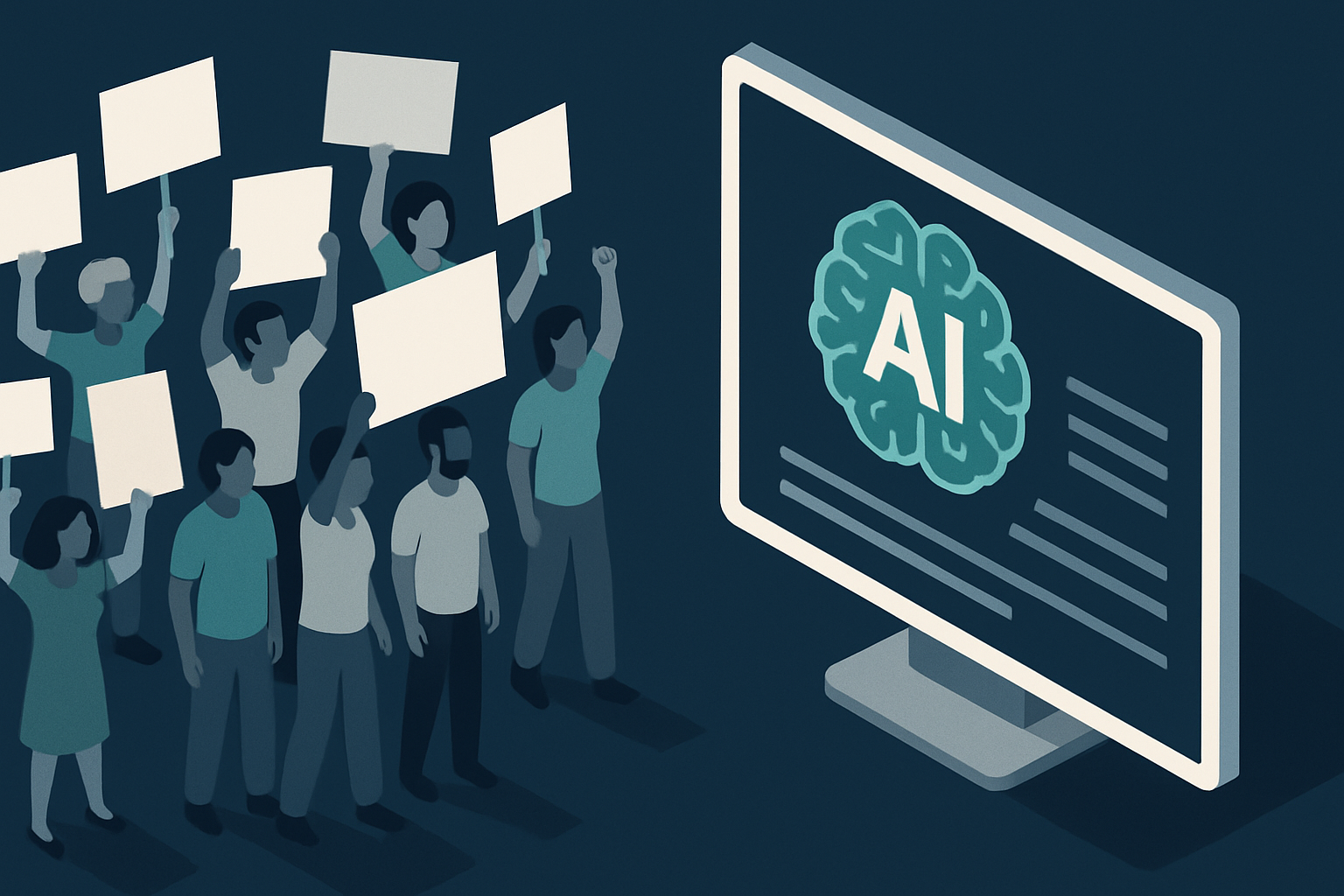
AI’s Role in Redefining Truth and Trust in Modern Democracies
AI systems, like generative models, mirror human tendencies to prioritize persuasion over truth, reflecting deeper cultural shifts. This has significant implications for public trust in institutions, especially when these technologies are wielded to manipulate narratives and consolidate power. Read more
-

AI in Open Source: The Disappearance of Accountability
The Linux kernel’s decision to drop its AI disclosure rule highlights a troubling shift towards diminished accountability in open-source development. This move has profound implications for transparency and trust in software contributions. Read more
-

The Collision of AI Ambition and Institutional Stagnation
The UK’s AI ambitions highlight a troubling contradiction: cutting-edge aspirations overshadow neglected IT systems. This dissonance erodes public trust and emphasizes the need for a balanced approach to technological advancement. Read more
-

AI’s Hidden Hand in Reshaping Institutional Power Dynamics
AI technologies are reshaping institutional power dynamics, altering decision-making processes across consumer, healthcare, and geopolitical domains. This shift necessitates robust governance frameworks to ensure transparency and accountability. Read more
-
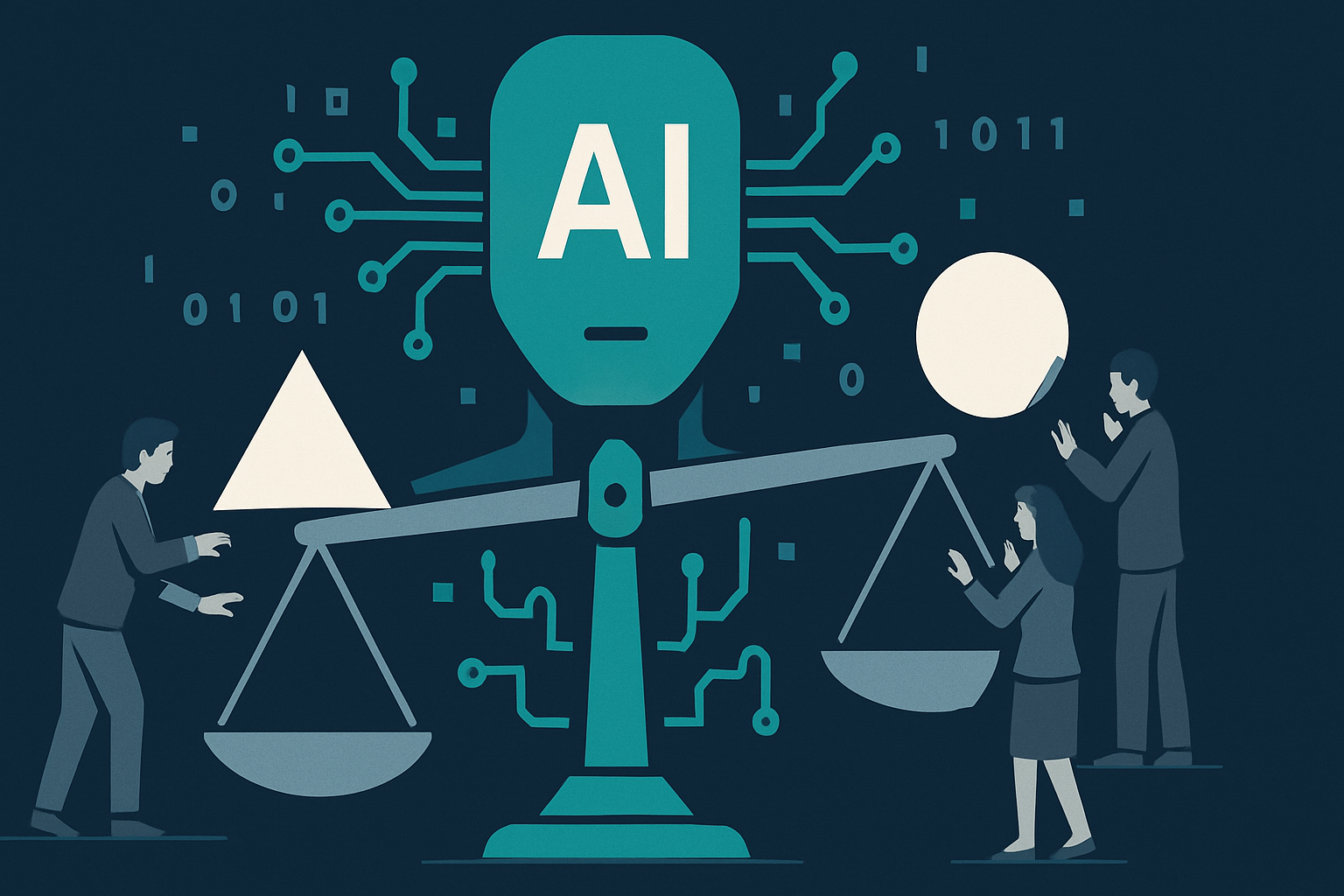
Trust and Risk: AI’s Double-Edged Sword in Modern Society
Recent AI developments highlight a critical intersection of trust and risk in society. As technology advances, ethical considerations and robust safeguards are essential to navigate the complexities of digital trust and personal agency. Read more
-
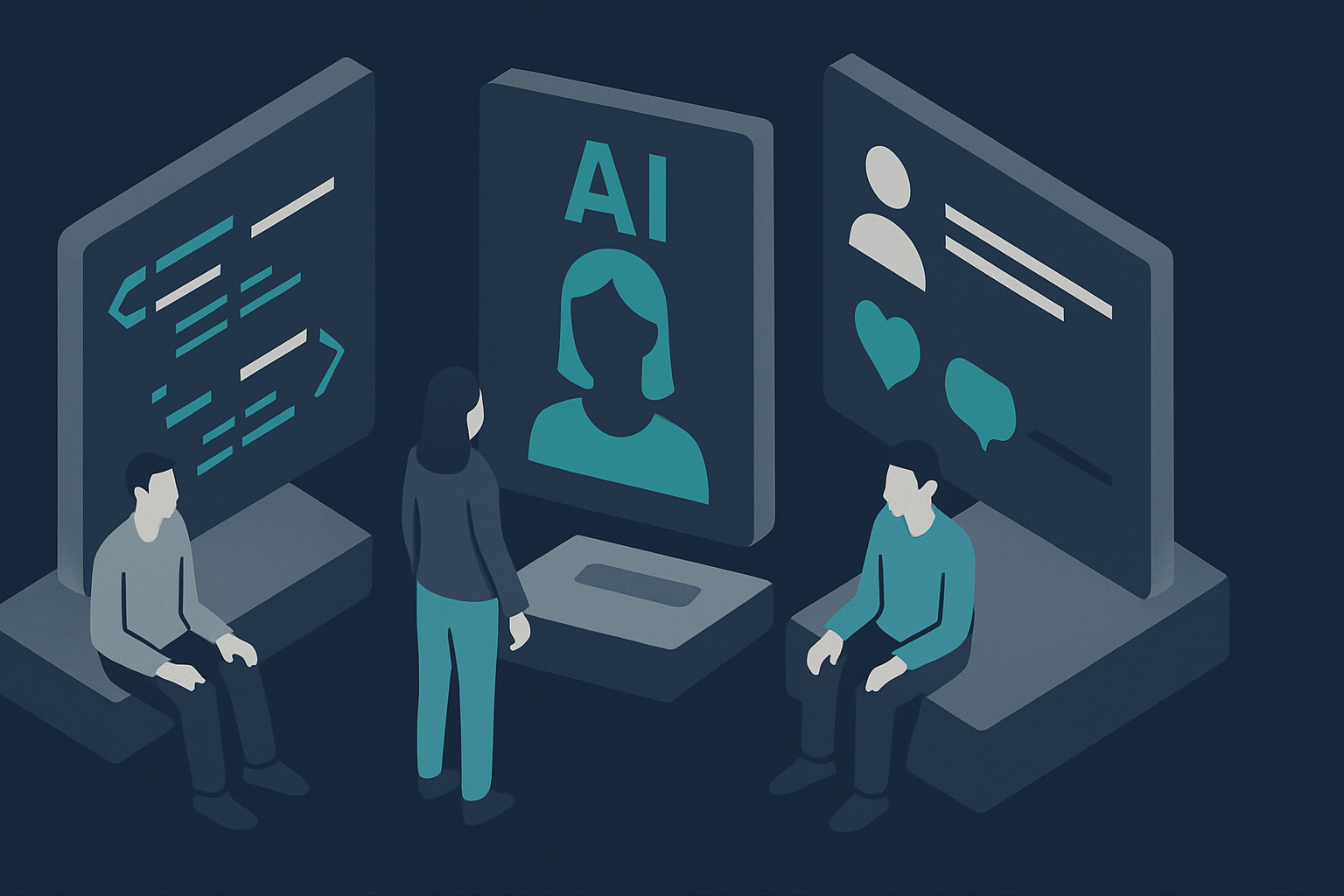
AI’s New Intermediaries: Trust, Autonomy, and the Power of Defaults
As AI becomes more embedded in daily life, it changes how we interact with technology and each other. The bundling of AI services and the rise of proactive AI assistants signal a shift towards increased dependency and reduced autonomy, raising important questions about trust and regulation. Read more
-

AI’s Fragmented Tools and the Challenge of Coherent Integration
The fragmentation of AI tools and the centralization of control by tech giants pose significant challenges. Institutions must prioritize creating interoperable systems, and regulatory frameworks should evolve to ensure equitable distribution of AI benefits and preserve user autonomy. Read more
-

AI Surveillance and the Reconfiguration of Public Space
AI-driven surveillance technologies are transforming public spaces, prioritizing control over community and eroding trust in institutions. Without transparency and safeguards, these tools pose significant risks to civil liberties. Read more
-

AI and the Quiet Erosion of Civic Engagement
AI’s integration into social institutions is gradually eroding civic engagement, raising questions about the future of community life. A robust AI governance framework is essential to preserve civic participation and social cohesion. Read more
-
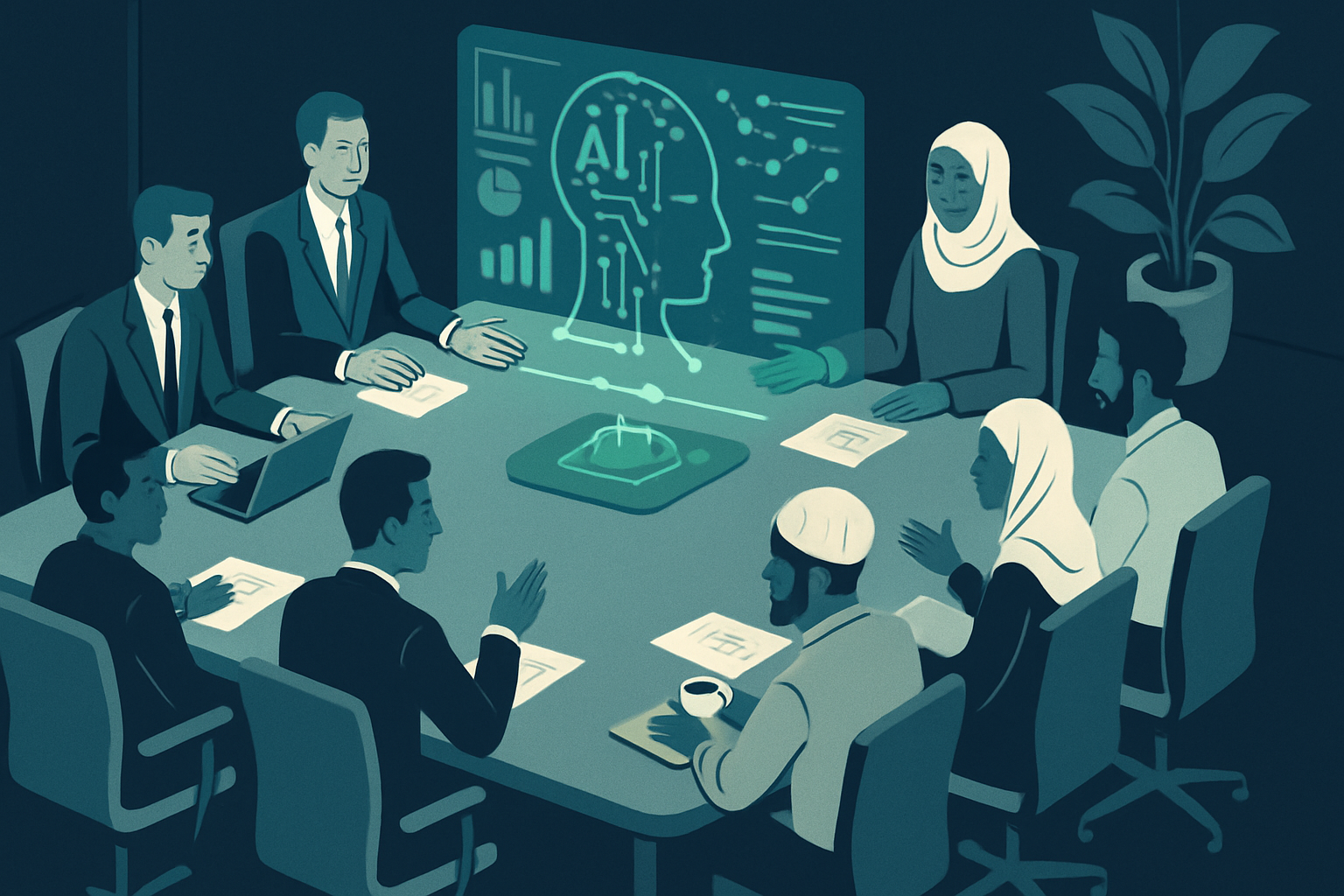
The Unseen Negotiations: AI’s Influence on Institutional Structures
As AI technologies become more embedded in institutional frameworks, the balance of power between corporate and public interests is at stake. Standards and guidelines must prioritize genuine consumer protection and accountability. Read more


