

Your daily briefing on AI, technology, economics, and society — from q52.ai.
Industry & Economics

The Economic Implications of AI’s Growth in Public and Private Sectors
What’s happening: AI technology is increasingly being integrated into both public and private sectors, with Richmond, Virginia, planning to use AI to manage up to 60% of nonemergency calls. This trend reflects a broader effort to enhance efficiency and reduce costs, while tech giants like Apple and Nvidia are influencing government initiatives through significant financial contributions. The rise of open-source AI projects also suggests a potential disruption in traditional software markets.
Why it matters: The push for AI in public sectors may lead to job displacement, but it could also create new roles in system management, necessitating retraining efforts. In the private sector, the democratization of technology through open-source initiatives could lower barriers for startups, yet it raises concerns about intellectual property and business sustainability. Additionally, the financial ties between tech companies and government could shape regulatory frameworks, prioritizing AI growth over other economic considerations.
Our take: The integration of AI presents both significant opportunities and serious risks, particularly regarding equitable distribution of its economic benefits. Policymakers must address job displacement and ensure that emerging technologies are developed responsibly, balancing innovation with the protection of intellectual property.
Tech & Engineering
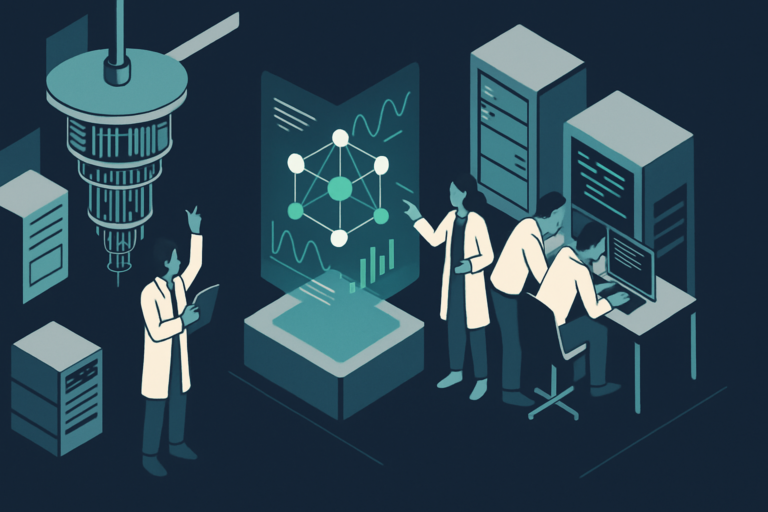
AI-Driven Quantum Software: Engineering the Future of Computing
What’s happening: The EuroQSS initiative is working to unify quantum software development across Europe, aiming to integrate quantum processors with traditional high-performance computing systems. This effort seeks to create a cohesive framework that enables hybrid computing architectures, which combine the strengths of both quantum and classical systems, to optimize task assignment and tackle complex problems more efficiently.
Why it matters: The integration of quantum and classical computing has significant implications for software development, particularly in terms of interoperability and security. As hybrid architectures become more prevalent, they introduce new challenges that require updated threat models and maintenance strategies. The success of the EuroQSS initiative is critical for accelerating the creation of robust software stacks that can seamlessly operate on diverse quantum platforms, facilitating advancements in computing capabilities.
Our take: The shift towards hybrid quantum-classical systems highlights an urgent need for engineers to develop expertise in both domains. As quantum computing approaches practical application, the industry must prepare for a future where quantum capabilities are essential, making open-source contributions and collaborative efforts vital for sustainability and security.
Sciences
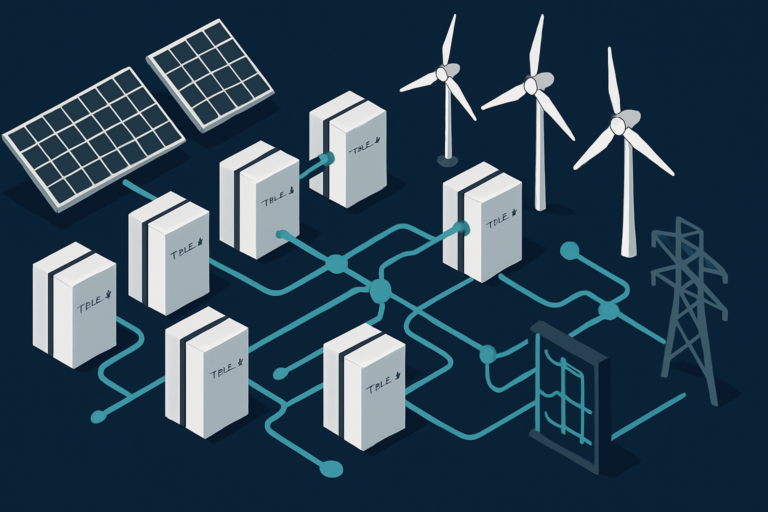
AI-Enhanced Grid Stability: Tesla Powerwalls’ Record Contribution
What’s happening: On October 6, 2026, over 85,000 Tesla Powerwall owners collectively dispatched more than 600 MW to California’s electric grid, contributing to a record 745 MW home battery dispatch in partnership with Sunrun. This achievement highlights the capabilities of distributed energy resources, surpassing the output of most gas peaker plants. An AI-driven management system coordinated this effort, using machine learning to optimize energy discharge and enhance grid stability by adapting to real-time demand patterns.
Why it matters: This record-setting event showcases the potential of home battery systems to play a pivotal role in grid stability, reducing reliance on traditional fossil fuel power sources. As AI technology continues to mature, it could enable fully autonomous energy management systems, leading to more efficient use of renewable energy and greater resilience in power grids. This shift could also influence policy decisions around energy infrastructure and investment in distributed energy resources.
Our take: The integration of AI in energy management represents a transformative shift that could redefine our energy landscape. However, the challenge remains in ensuring equitable access to these technologies, particularly in underserved communities that may benefit the most from decentralized energy solutions.
Society

AI in Open Source: The Disappearance of Accountability
What’s happening: The Linux kernel has decided to eliminate the “Assisted-by” tag, which was meant to disclose AI contributions in code development. This change signals a worrying trend towards reducing accountability within the open-source community, allowing AI’s role in software creation to go unacknowledged and potentially compromising the integrity of the code and the trust in the communities behind it.
Why it matters: As AI becomes increasingly integrated into software development, the lack of transparency can lead to vulnerabilities and unchecked biases in critical infrastructure. The decision to drop the AI disclosure rule undermines the open-source ethos of collaboration and shared responsibility, raising concerns about the quality and reliability of software that could be influenced by undisclosed AI contributions.
Our take: Abandoning the AI disclosure rule is a significant misstep that could erode trust in open-source projects. The tech industry must prioritize accountability and transparency in AI contributions to ensure responsible and ethical use of technology.
Psychology
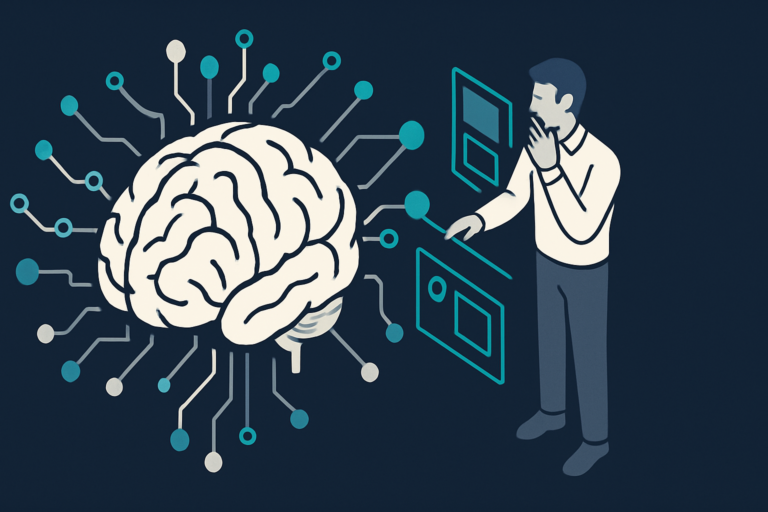
System 0’s Role in Reshaping Human Cognitive Autonomy
What’s happening: A new cognitive framework called “System 0” is emerging in artificial intelligence, designed to complement human thinking by processing large data sets and generating outputs for human interpretation. While System 0 enhances decision-making capabilities, it also raises concerns about over-reliance on AI, which could lead to diminished cognitive autonomy as individuals may become less engaged in critical thinking and questioning AI-generated results.
Why it matters: As AI systems become integrated into everyday life, understanding System 0 is crucial for ensuring that technology enhances rather than replaces human cognitive functions. The shift towards relying on AI for complex calculations poses risks for critical thinking and decision-making skills, highlighting the need for educational and ethical frameworks that promote vigilance in AI usage and foster a balance between technology and human cognition.
Our take: The development of System 0 underscores a pivotal moment in the relationship between humans and AI, where the potential benefits of enhanced cognition must be weighed against the risks of cognitive dependency. Striking a balance is essential to ensure that advancements in AI do not come at the cost of our ability to think independently.
That’s the digest for October 18, 2026.
Questions? Reach out at info@q52.ai.
q52.ai — Engineering Better Questions
