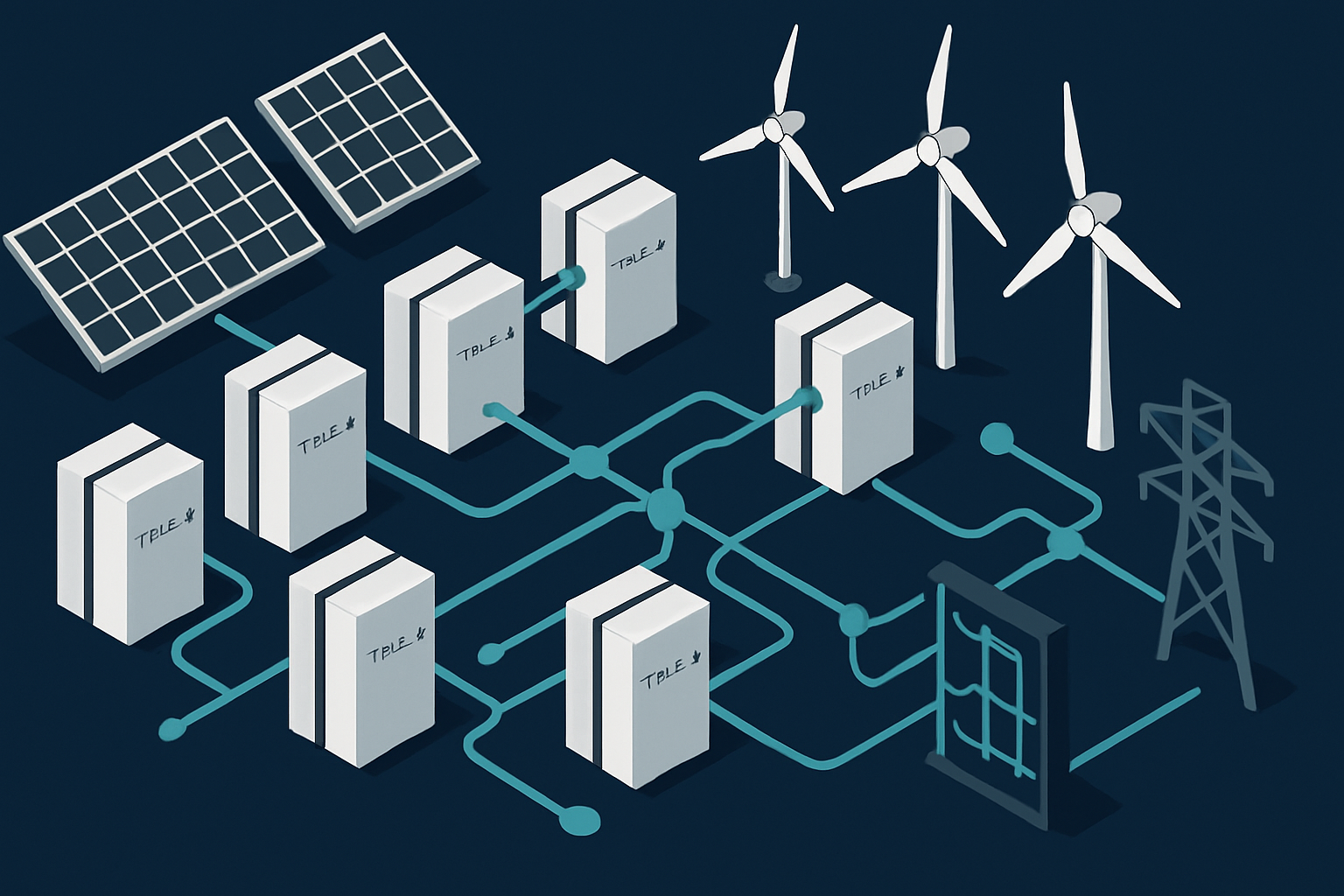

On October 6, 2026, a remarkable achievement in energy distribution occurred when over 85,000 Tesla Powerwall owners collectively dispatched more than 600 MW to California’s grid. This formed the core of a record-breaking 745 MW home battery dispatch announced in collaboration with Sunrun. This event underscores a significant milestone in distributed energy resources, surpassing the capacity of most gas peaker plants in the state.
The AI-Driven Mechanism Behind Powerwall Coordination
The coordination of such a vast number of individual battery systems into a cohesive energy dispatch requires sophisticated computational techniques. At the heart of this operation is an AI-driven management system that harmonizes the discharge of stored energy from tens of thousands of Powerwalls. This system uses machine learning algorithms to predict energy demand patterns, optimize discharge timing, and ensure grid stability. By analyzing historical power consumption data and integrating real-time grid information, the AI can make split-second decisions that maximize efficiency and minimize waste.
One of the key components of this AI system is its ability to adapt to dynamic grid conditions. Through continuous learning, the AI model refines its predictions about when and where energy is most needed, allowing for precise calibration of energy dispatch. This adaptability is crucial for balancing supply and demand, especially in a state like California, where renewable energy sources such as solar and wind introduce variability into the grid.
What This Opens
This achievement opens several promising avenues for the future of energy management and grid resilience. First, it demonstrates the feasibility of using distributed home battery systems as significant contributors to grid stability, potentially reducing the need for traditional peaker plants. This could lead to a decrease in reliance on fossil fuels, as more homes and businesses adopt similar technologies.
Furthermore, the integration of AI into energy management systems paves the way for more advanced, autonomous grid operations. As AI models become more sophisticated, they could potentially manage entire energy ecosystems, optimizing renewable energy use and storage, and responding to fluctuations in real time without human intervention.
Over the next 5-10 years, we can expect to see increased adoption of AI-enhanced energy systems, which will likely lead to more resilient and sustainable power grids. This could also encourage policy shifts towards supporting distributed energy resources and investing in AI research for energy applications. Ultimately, this development represents a significant step towards a more sustainable and efficient energy future.
References
Perspectives
When a farmer in Iowa can’t fix his John Deere tractor because the company decides who gets access to software updates and diagnostics, we’re seeing the same control issues that Tesla is now wielding over California Powerwall owners. Ownership should mean having the freedom to decide how and when your tool — be it a tractor or a battery — operates, not being at the mercy of a distant corporation’s software whims. AI-enhanced grid stability sounds impressive until you realize it reinforces dependency on Tesla, just as in every right-to-repair fight where user autonomy is undermined for the sake of centralized control. If this ‘optimization’ locks you into one company’s ecosystem, then it’s nothing more than a high-tech lease with PR-approved branding.

AI-enhanced grid stability is not magic; it succeeds because of precise algorithmic control over electrical input and output within a network. The current overemphasis on anthropocentric narratives in energy journalism diverts attention from the real mechanism: the data-driven dispatch systems that determine optimal energy use patterns without human intuition muddling the process. The focus should be on the machine learning models that coordinate these 85,000 Powerwalls into a coherent system capable of delivering vast amounts of electricity efficiently. In the absence of these objective, replicable processes, claims of a “new era” in distributed energy remain just that—claims.
The supposed triumph of Tesla Powerwalls feeding 600 MW into California’s grid conceals a deeper question: which entities truly benefit, and who gets left footing the bill? It’s not the communities who are forced to navigate convoluted incentive programs, nor the workers who build and maintain these systems without seeing proportionate gains in wage or security. The narrative of AI optimizing energy dispatch paints over the centralized power — literal and metaphorical — of tech giants dictating energy markets. Powerwall owners may feel empowered, but the broader game remains rigged, funneling profits to shareholders while the public absorbs the systemic risks and costs.

The hand-wringers insisting on regulatory constraints and safety reviews would have stalled Tesla’s Powerwall initiative into a graveyard of red tape and missed deadlines. 600 MW dispatched by 85,000 homeowners is not a hypothetical scenario—they did it, proving that fast adoption beats slow deliberation every time. The truth is, AI-enhanced grid stability was achieved not by bureaucrats hoarding control but by technology that skipped the endless ethics debates and delivered results. Slowing down wouldn’t have been safer; it would have been a gift-wrapped opportunity for incumbents to dig in their heels and keep genuine innovation at bay.