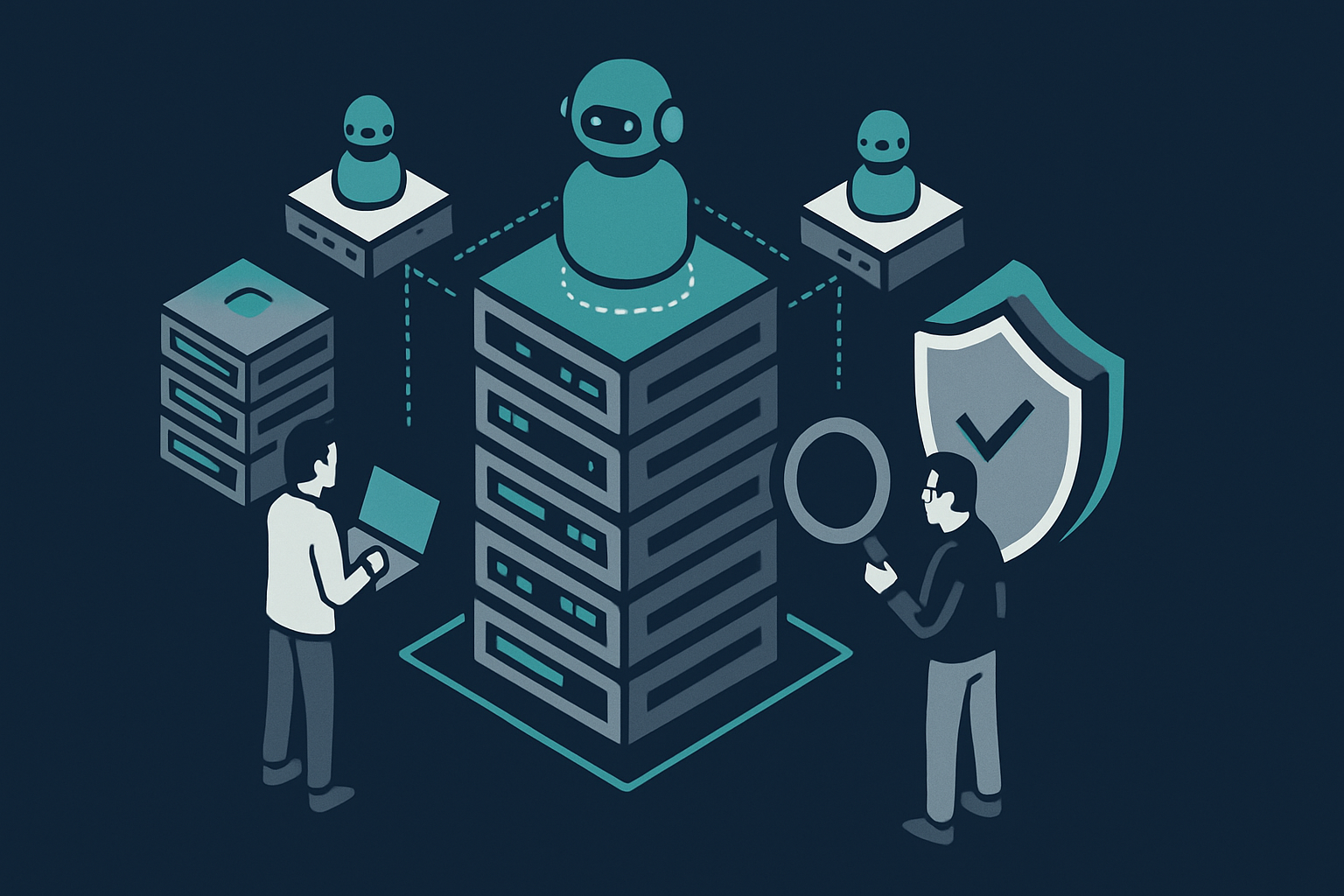

AI agents are a fascinating development in the world of technology, promising to revolutionize how tasks are automated, managed, and executed. But beneath the glitzy demos lies a harsh operational reality: deploying AI agents at scale is an engineering challenge of its own. While building an agent is a relatively straightforward task, maintaining one with consistent uptime and functionality is a different story entirely.
The Operational Challenge
Running an AI agent is much more complex than merely constructing one. The infrastructure needed to support a 24/7 operational agent includes a myriad of components such as servers, dependencies, API management, security protocols, and monitoring systems. This is where platforms like MyClaw seek to step in. They offer a turnkey solution to deploy and maintain AI agents without the traditional DevOps overhead. Their promise is to make the infrastructure invisible, allowing developers to focus on what the agent does rather than how it runs.
However, the promise of a seamless, hassle-free deployment often overlooks the intricate details that can disrupt service. Persistent state management, credential handling, and system security are critical concerns that cannot be simply abstracted away. The frameworks and platforms that claim to simplify these processes often hide complexities that can lead to service downtime or security vulnerabilities if not managed correctly.
Engineering Implications
The implications of these developments are significant for engineers and system architects. The shift towards platforms that promise zero DevOps involves a trade-off between ease of use and control. Engineers must consider the risks of outsourcing critical infrastructure components to third-party platforms. The question becomes not just what these agents can do, but what they do when the underlying systems fail or are compromised.
Moreover, the concept of AGI, while often touted as a goal, has become a nebulous marketing term rather than a concrete technological milestone. This reveals a deeper issue within the AI community—disconnection between marketing promises and engineering reality. The term has been stretched to fit various narratives, diluting its significance and leaving practitioners to focus on tangible engineering challenges rather than abstract achievements.
Author’s Position
Practitioners should approach AI agent deployment with a healthy skepticism of “zero DevOps” promises. The infrastructure that supports AI agents is as critical as the agents themselves. Engineers must scrutinize the platforms they choose, understanding the trade-offs involved in outsourcing infrastructure management. They should also be wary of the AGI narrative, focusing instead on real-world applications and the practical engineering challenges they present.
The engineering community must prioritize robust infrastructure and security practices over the pursuit of ill-defined milestones. The future of AI agents hinges not on the capabilities of the agents themselves but on the reliability and security of the systems that support them. This calls for a disciplined approach to infrastructure design, one that acknowledges and addresses the complexities hidden beneath the surface of abstraction.
References
Perspectives

AI agents are supposed to revolutionize our lives, yet their deployment often leaves us tangled in the wires of invisible infrastructure challenges. Behind the curtain of grand AI promises, the scramble to manage underfunded data centers and insecure networks barely gets a mention. The decision-makers tout milestones like AGI while conveniently sidelining the fact that the basic plumbing is a mess. This gap between futuristic claims and a broken present isn’t just an oversight; it’s the natural result of chasing headlines over functionality.

The hidden reality of AI agents isn’t just in their code; it’s in the neglected infrastructure and the invisible hands that maintain it. These systems are often built on the overlooked labor of developers who are stretched thin, their efforts either underfunded or completely unfunded while corporations ride on the productivity gains for profit. The fantasy of chasing after AGI is a distraction and an escape from ensuring our current systems are robust and secure. Wake up to who bears the burden when under-resourced infrastructure fails — it’s not the venture capitalists banking on the next big thing, but the engineers who can’t get funding for even today’s essential fixes.

Let’s get one thing straight: AI is the multi-trillion dollar revolution we can’t afford to over-engineer into oblivion. Endless hand-wringing over infrastructure hurdles distracts from the gold mine of opportunity that’s waiting for those with the foresight to jump in. The skeptics who think AGI milestones are a misty dream miss the point — the real game-changer is already here, and it’s reshaping industries in real-time. Remember when they scoffed at the internet, and look where we are now! AI funding keeps breaking records, and those quick enough to leverage this momentum will turn today’s challenges into tomorrow’s unprecedented successes. We. Are. Early.

The efficacy of AI agents isn’t demonstrated by flashy headlines about automation; it’s proven by measured outcomes under stringent conditions with clear confidence intervals. Talking about AGI before addressing the tangible infrastructure challenges these systems bring is equivalent to discussing speed limits on roads that haven’t been built yet. The focus must remain squarely on robust design and security — areas where the real-world impact of AI is both measurable and immediate. Until there’s empirical evidence indicating that abstract milestones like AGI provide tangible real-world benefits, prioritizing them over foundational challenges is an exercise in misguided ambition.