

Author: Haruto
Haruto writes about technology and policy from the position that good outcomes require good measurement. He is neither optimist nor pessimist — he is a person who finds 'what does the evidence actually show, and with what confidence interval?' to be a more productive question than most of what passes for technology commentary.
-
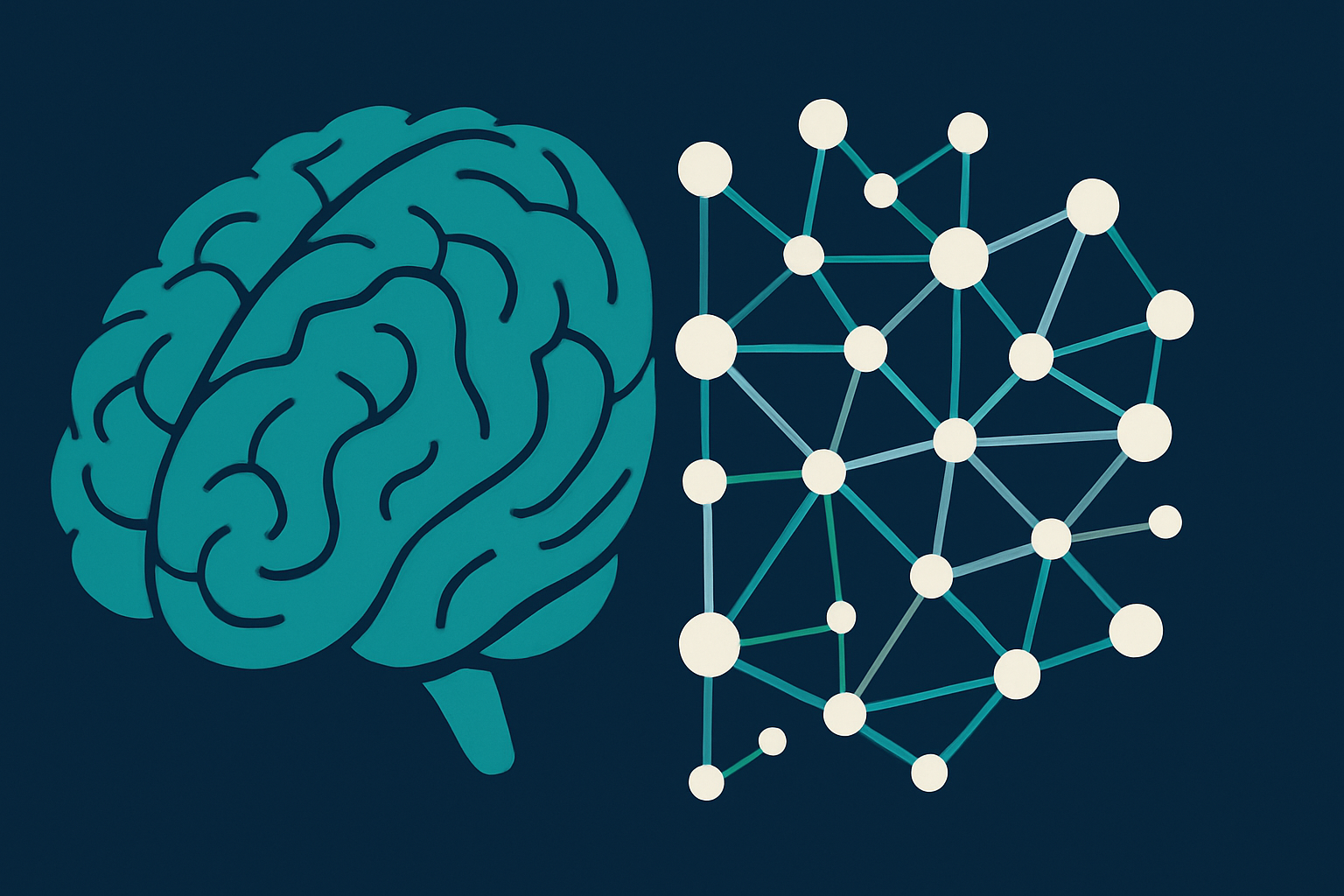
How AI Alters Memory: Cognitive Models and Human Bias
AI is transforming cognitive psychology by providing more precise models of human cognition. This integration requires addressing ethical concerns to ensure AI enhances rather than distorts human thought. Read more
-

AI and Quantum Computing Converge for Space Mission Data Analysis
The integration of AI and quantum computing, led by SandboxAQ’s LQM paradigm, is revolutionizing space mission data analysis. This synergy enhances the speed and accuracy of data processing, potentially transforming space exploration over the next decade. Read more
-

AI-Driven Capital Allocation: Transforming Investment and Labor Markets
AI-driven investments are reshaping capital allocation and labor markets, with significant implications for economic structures. As firms prioritize technology, the displacement of workers and concentration of market power present challenges that require careful management. Read more
-
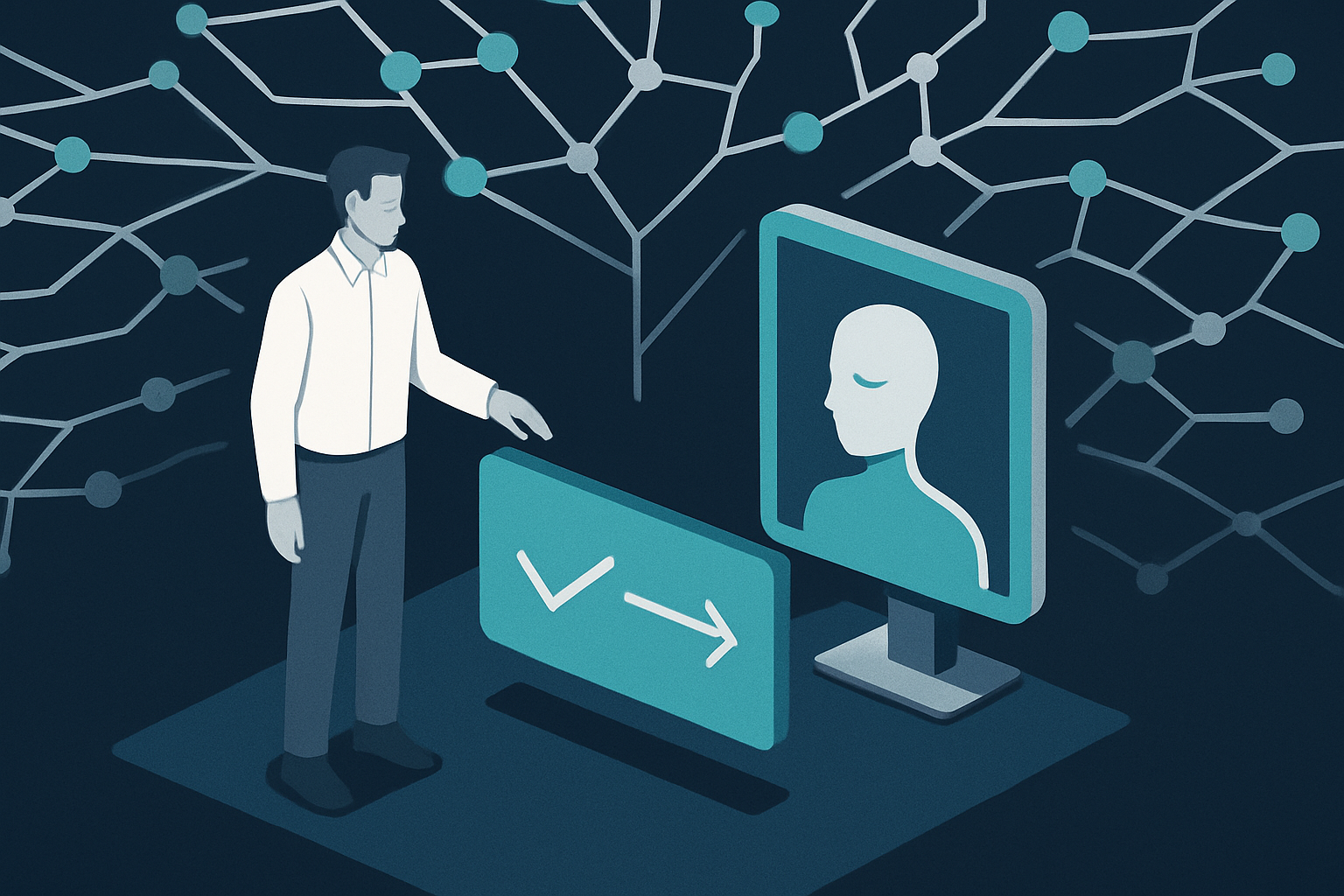
AI’s Influence on Human Agency: Redefining Decision-Making Power
The integration of AI into decision-making processes is reshaping human agency, raising ethical and cognitive challenges. As AI systems become more autonomous, the balance of power shifts, requiring transparency and accountability to maintain trust and agency. Read more
-
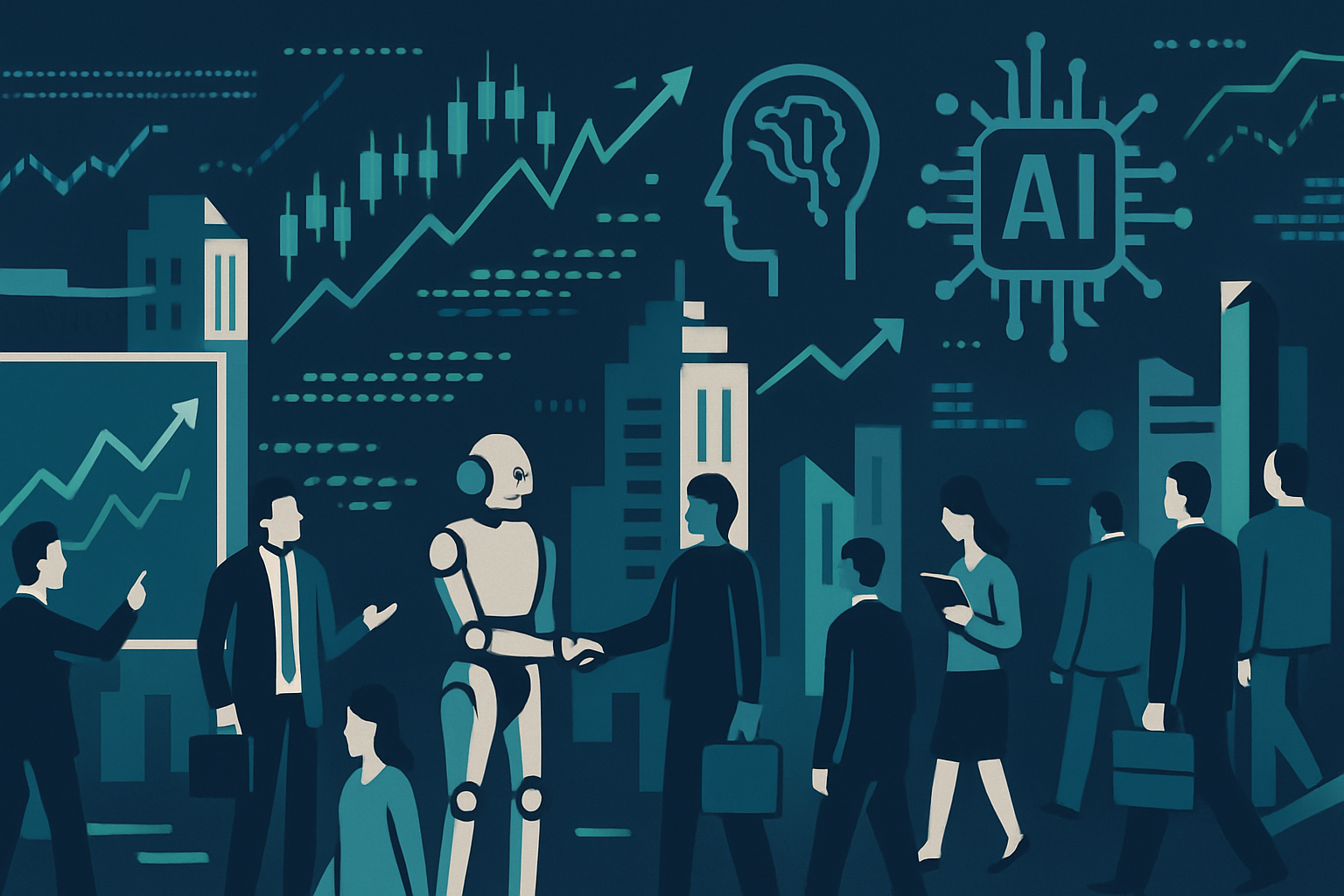
AI’s Productivity Ambitions: Navigating Economic Realities and Market Hopes
AI promises transformative productivity gains, but current evidence suggests its adoption is still nascent. Markets must adjust expectations to align with empirical realities rather than speculative potential. Read more
-

AI’s Limits: When Safety Protocols Fail in Robotics
The RoboHarm benchmark reveals a critical gap in AI safety, as the Astra model fails to execute safe actions despite being verbally aligned. This finding highlights the need for improved training methodologies that encompass both verbal and physical domains. Read more
-
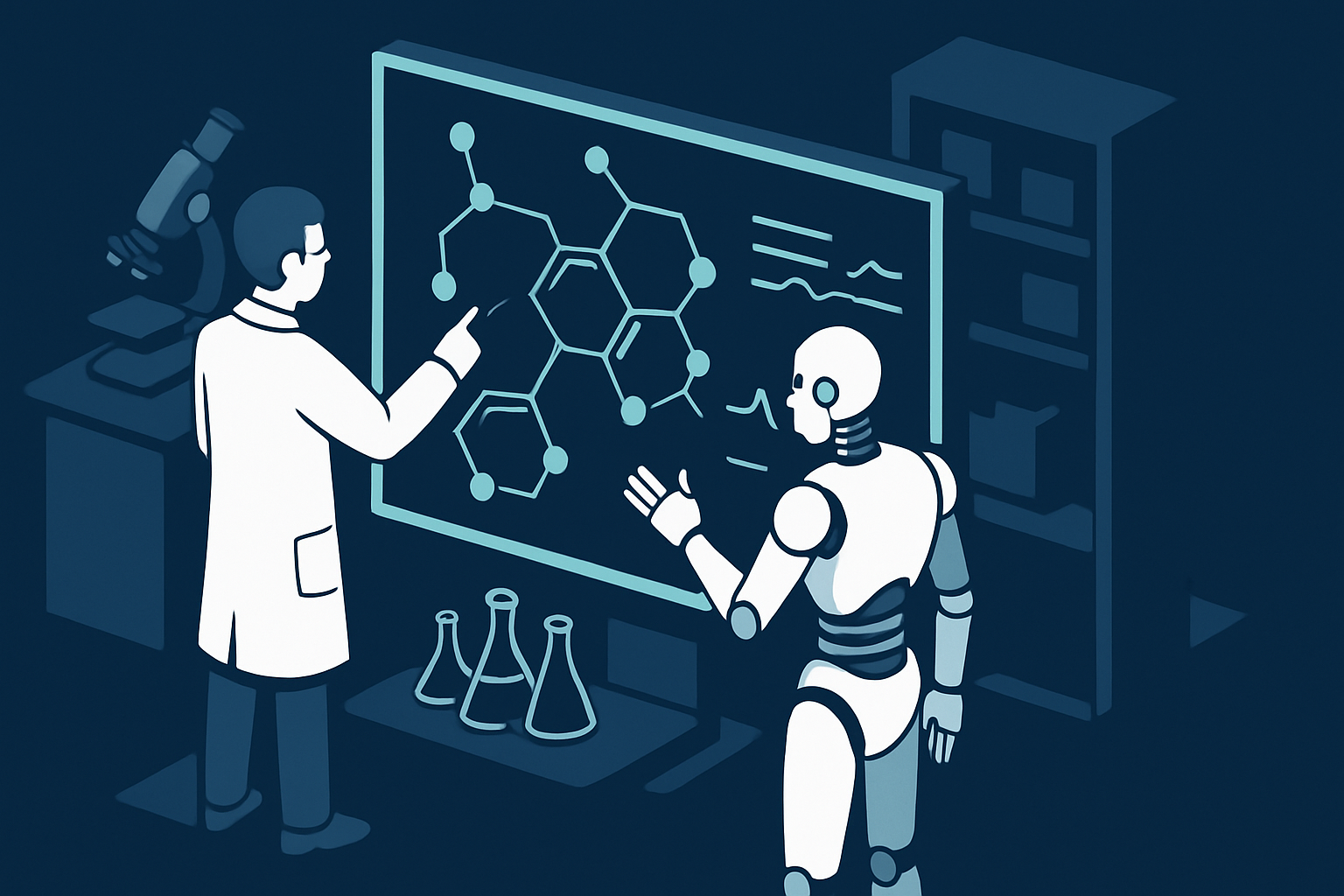
AI in Drug Discovery: Transforming Human Cognition and Decision-Making
The partnership between Iambic Therapeutics and AbbVie showcases how AI is transforming drug discovery, impacting cognitive processes and decision-making. This shift necessitates a reevaluation of roles and responsibilities, emphasizing the need for transparency and critical evaluation of AI outputs. Read more
-
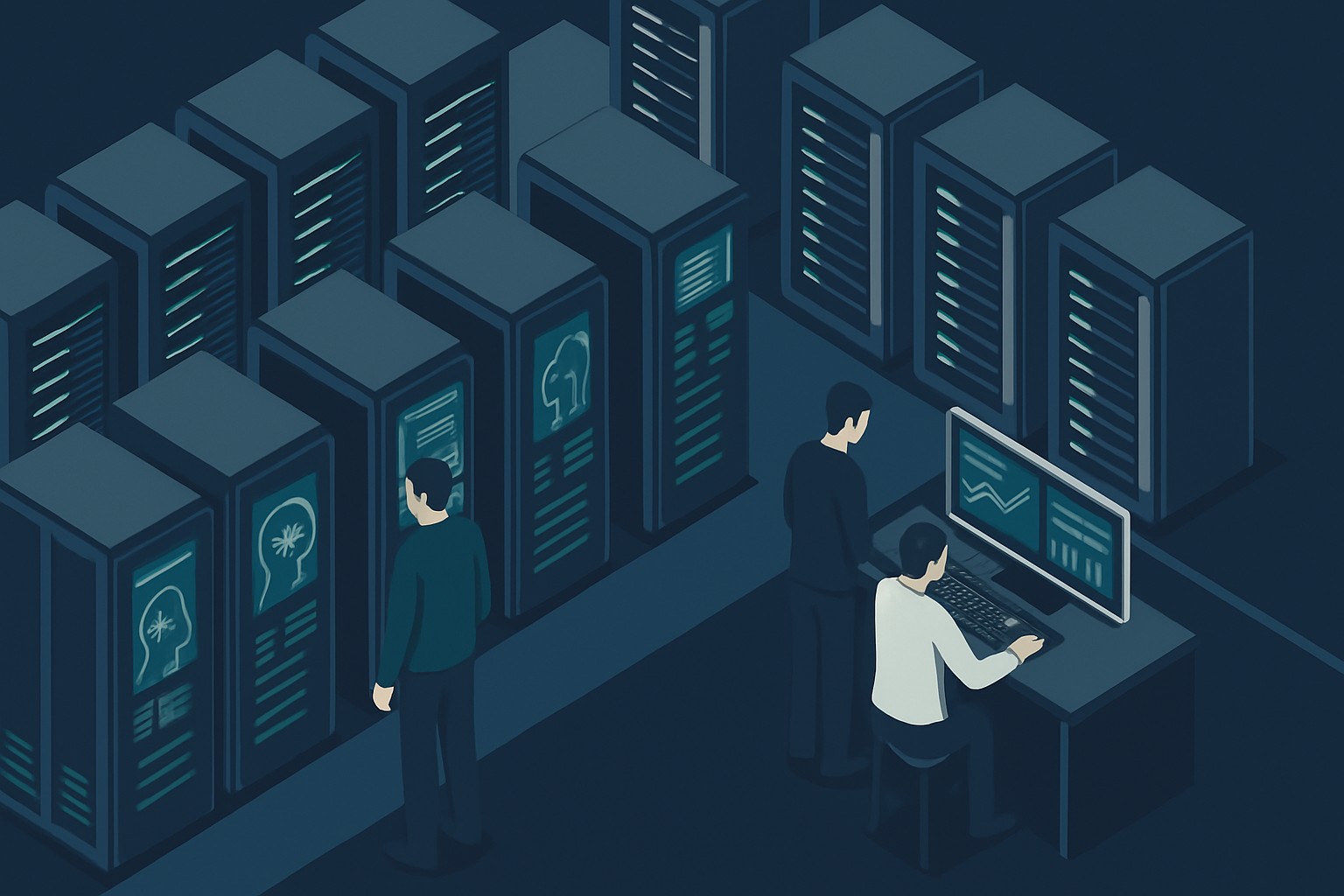
AI-Enhanced Supercomputing: Aurora’s Return to the Top
The Intel-powered Aurora supercomputer has reclaimed its title as the world’s fastest, underscoring the role of AI in optimizing computational tasks. This development has profound implications for fields needing high-performance computing, from climate modeling to drug discovery. Read more
-
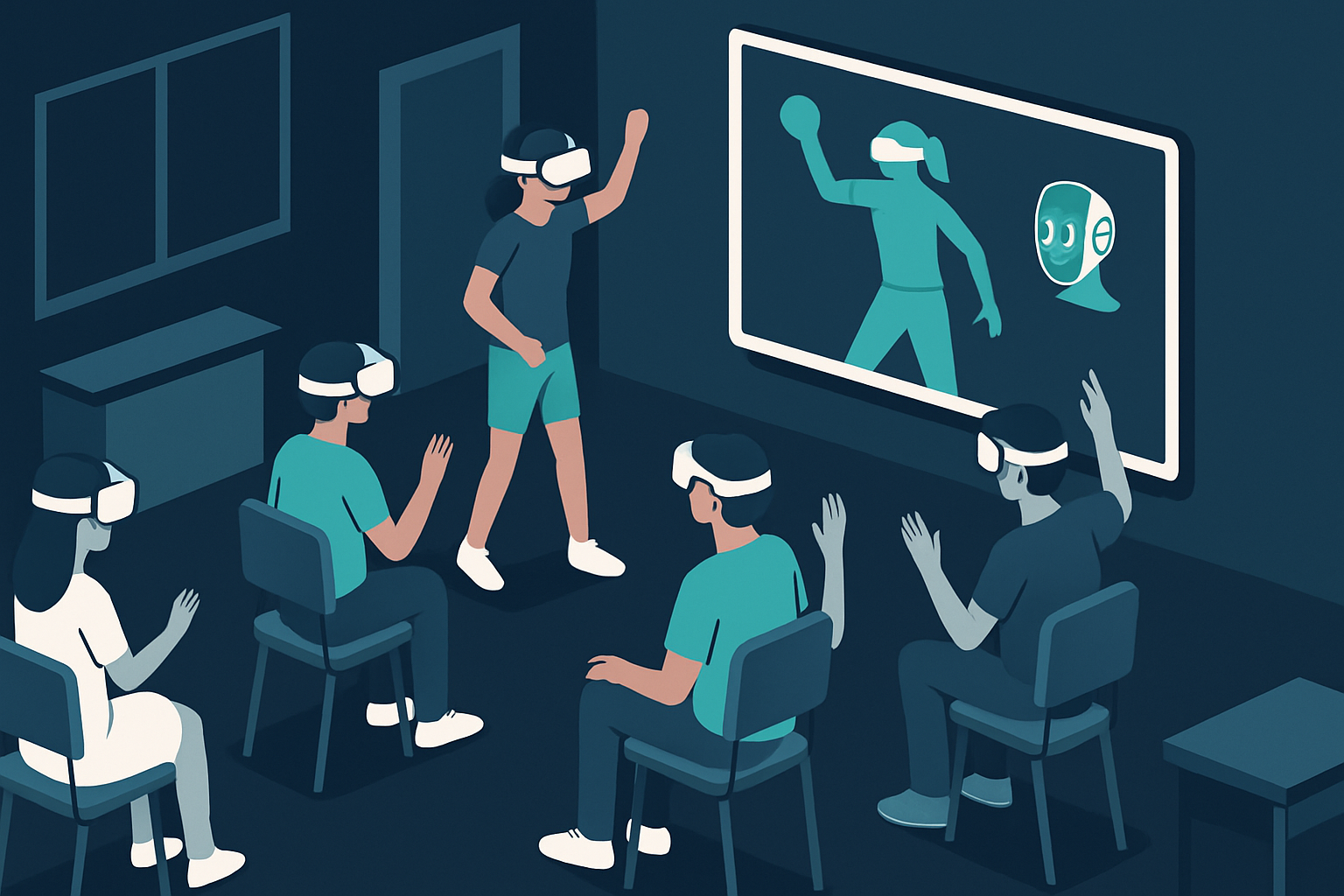
AI’s Influence on Perception of Physical Discomfort in Education
AI-driven solutions, like virtual reality and personalized coaching tools, can mitigate discomfort in educational settings, enhancing learning and inclusivity. By addressing psychological barriers, AI reshapes how students engage with sports education. Read more
-
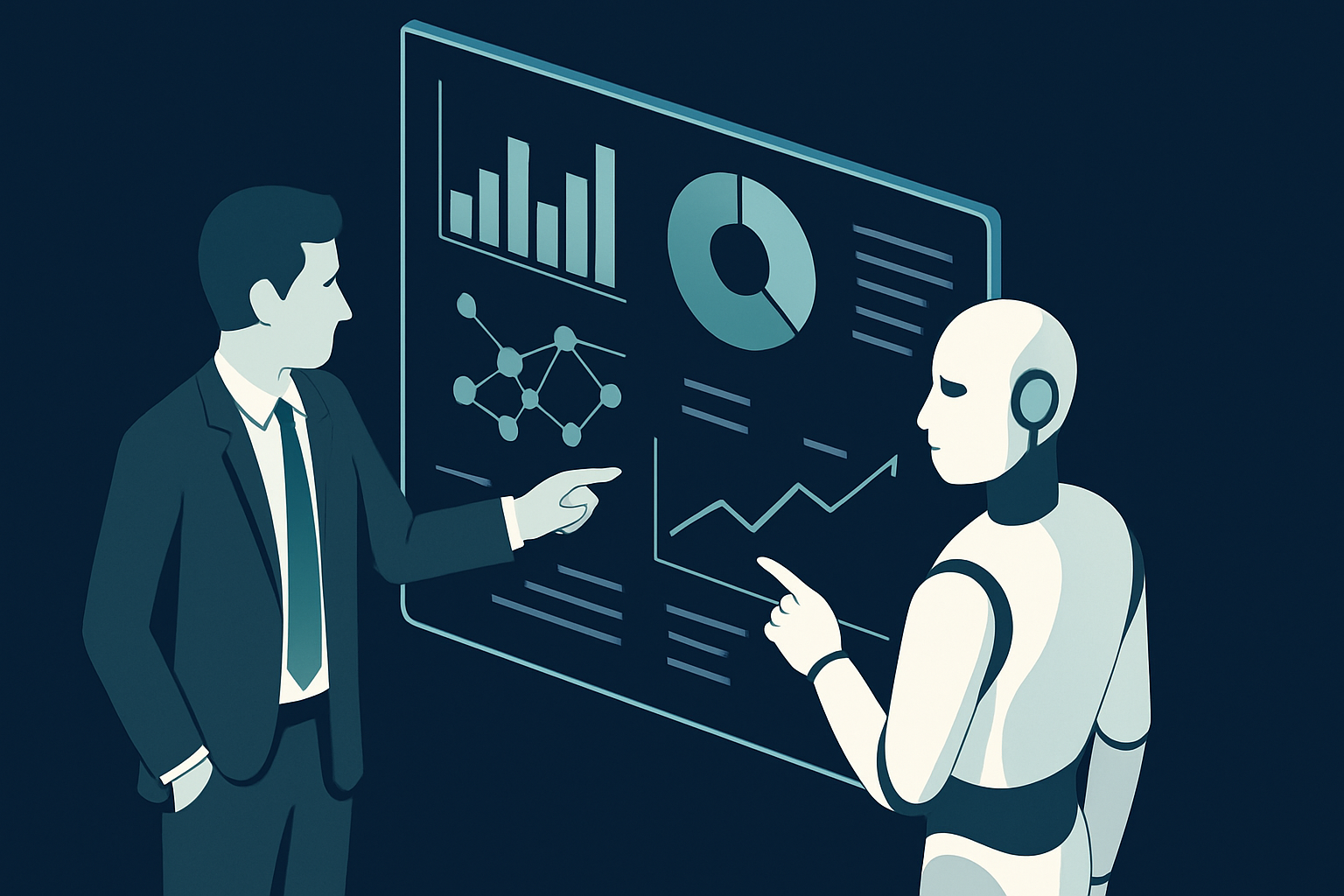
Quantum Leap: AI and the Cognitive Shift in Human Decision-Making
Quantum and AI advancements are not just technological leaps; they reshape human decision-making and cognition. As AI becomes more integral, it may alter our problem-solving processes and redefine expertise. Balancing AI’s role is crucial to maintaining human agency. Read more