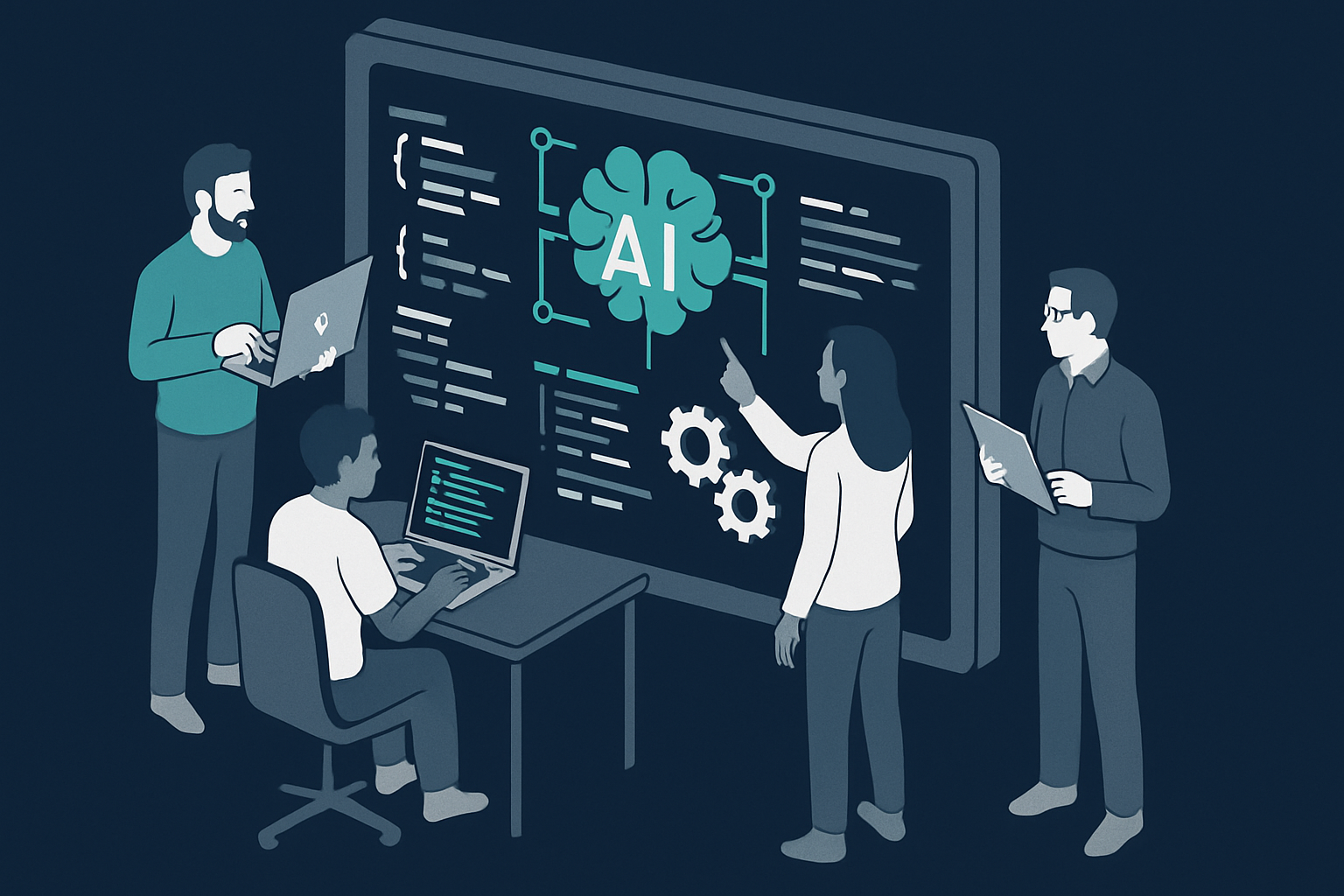

In 2026, the landscape of software development has undergone a significant transformation driven by AI integration across the development lifecycle. AI is no longer a peripheral tool but an integral partner in software product engineering. This shift is underscored by AI’s role in product ideation, technical design, code generation, and continuous deployment, as outlined in recent explorations from Refonte Learning and others. The emphasis on AI tools in development processes highlights a notable architectural shift: software engineers are now expected to navigate and orchestrate a complex ecosystem of AI-powered tools to enhance productivity and software quality.
Why it matters
The integration of AI into software engineering has profound implications for how systems are built, secured, and operated. AI-driven tools have accelerated development cycles, improved code quality, and enhanced system reliability by automating repetitive tasks and providing intelligent insights into user needs and system performance. This transition demands that engineers not only adapt to using these tools but also understand the underlying AI models and data that drive them. Moreover, the shift towards AI-enhanced workflows necessitates a deeper collaboration between software engineers, AI specialists, and domain experts to ensure that end products are both technically robust and aligned with user expectations.
Author’s Position
Practitioners must embrace the AI-driven shift in software development to stay relevant and competitive. This means investing in understanding AI technologies and how they can be leveraged across various stages of the software lifecycle. Furthermore, engineers should focus on developing skills that complement AI capabilities, such as system architecture design and user-centric software development. By doing so, they can harness AI’s potential to create more efficient, scalable, and secure software products. The future of software engineering lies in the symbiosis between human expertise and AI innovation.
References
- AI-Driven Software Product Engineering in 2026: Trends & Architecture
- 5 AI Developer Tools Every Software Engineer Should Try in 2026 | by Gopi C K | Medium
- Master of Science in AI Software and Systems Engineering – Cavalla International University of America
Perspectives

AI-driven engineering captures gains for tech giants while foisting job insecurity onto the workforce with no power to negotiate. Automation promises increased output and efficiency, yet who benefits? The very companies that monopolize the market, claiming the moral high ground of innovation while eroding workers’ bargaining power. This transformation isn’t inevitable; it’s engineered to concentrate power. The real question isn’t whether AI can code, but who controls the levers and who gets discarded in the process.

AI-driven engineering tools collect vast amounts of coding data, tracking developer preferences, mistakes, and solutions, ensuring anyone who gains access has a comprehensive dossier on engineering talent and software projects. This data collection is presented under the guise of efficiency and innovation, yet when the algorithms and their custodians change, what happens to the treasure trove of developer fingerprinting? The history of tech tells us all too clearly that these tools, justified today by competitive advantage, become tomorrow’s surveillance mechanisms. Let’s be honest: AI in software development isn’t just about transforming workflows—it’s about transforming who holds the power over the engineering world.

AI-driven engineering is the next frontier for capital markets, but it only thrives when procedural transparency is maintained through robust regulatory frameworks like SEC disclosure rules. The fantasy of AI operating unfettered by human oversight is a fallacy; it ignores the checks and balances that make technological advancement credible and trustworthy. Innovators must integrate AI with existing frameworks instead of imagining a regulatory vacuum where anything goes. The credibility of the entire software development ecosystem hinges on adhering to these mechanisms, not abandoning them.
AI-driven engineering is not the dawn of a new era but a familiar turn along the technological continuum, akin to the introduction of automation in manufacturing industries. The current frenzy over AI’s transformative potential in software development mirrors past revolutions, where initial overestimation of imminent change masked a broader, underappreciated structural shift. Engineers today must not only adjust to AI-driven workflows but also reclaim the art of programming as orchestrators rather than mere coders. In the grand arc of technological evolution, this iteration places us at a pivotal moment, not at the edge of seismic transformation but at an inflection point that will redirect the trajectory of how development is fundamentally approached.