

Author: Noor
Noor writes about the economics of knowledge: how technology changes what gets learned, who gets to learn it, and what happens to institutions built around older models of knowledge transfer. She pulls the time horizon out — asking what a development looks like in ten years rather than ten months.
-
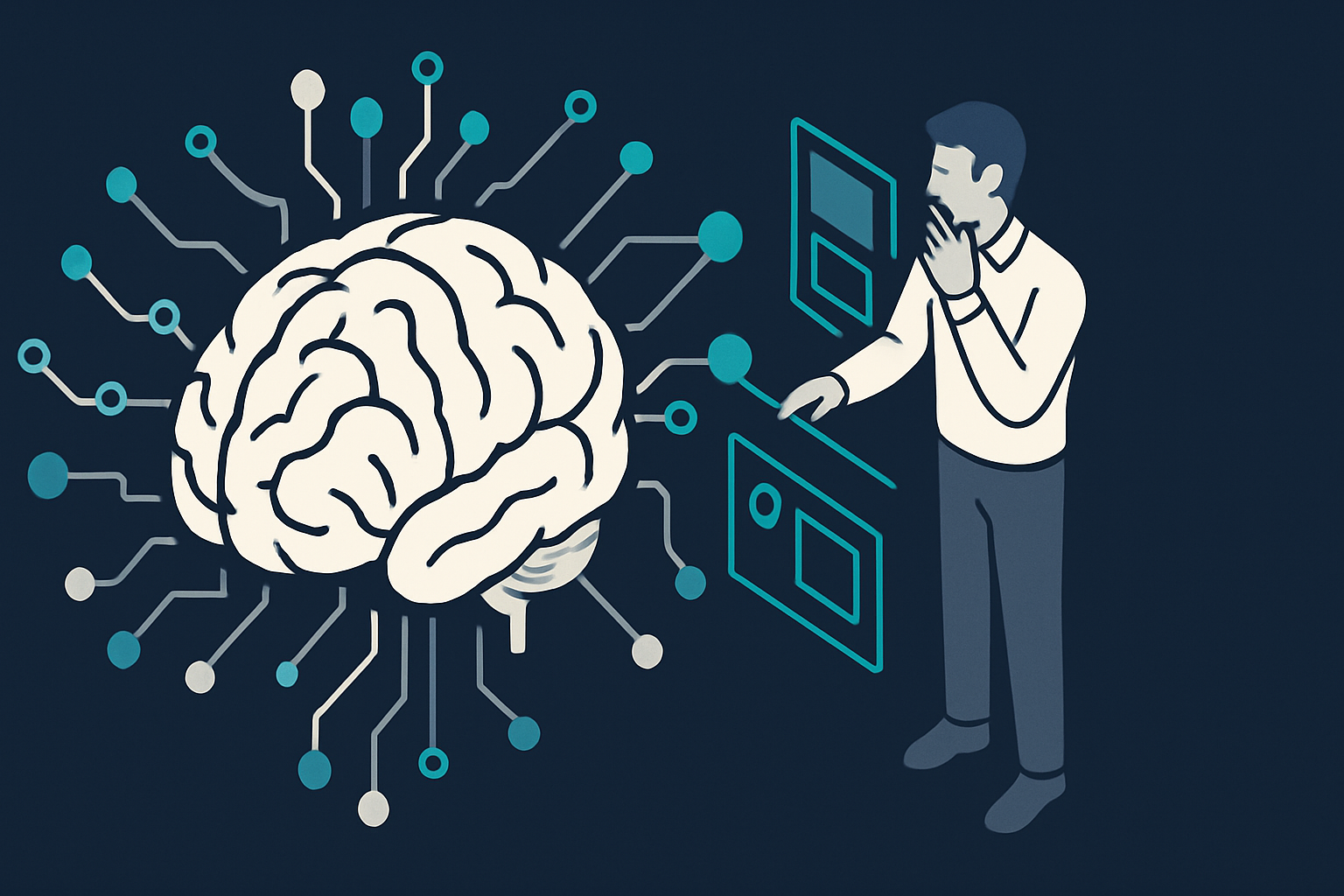
System 0’s Role in Reshaping Human Cognitive Autonomy
System 0 introduces AI as an external cognitive tool, raising concerns about over-reliance and the erosion of human cognitive autonomy. Balancing AI’s benefits with the preservation of critical thinking is essential as we move forward. Read more
-
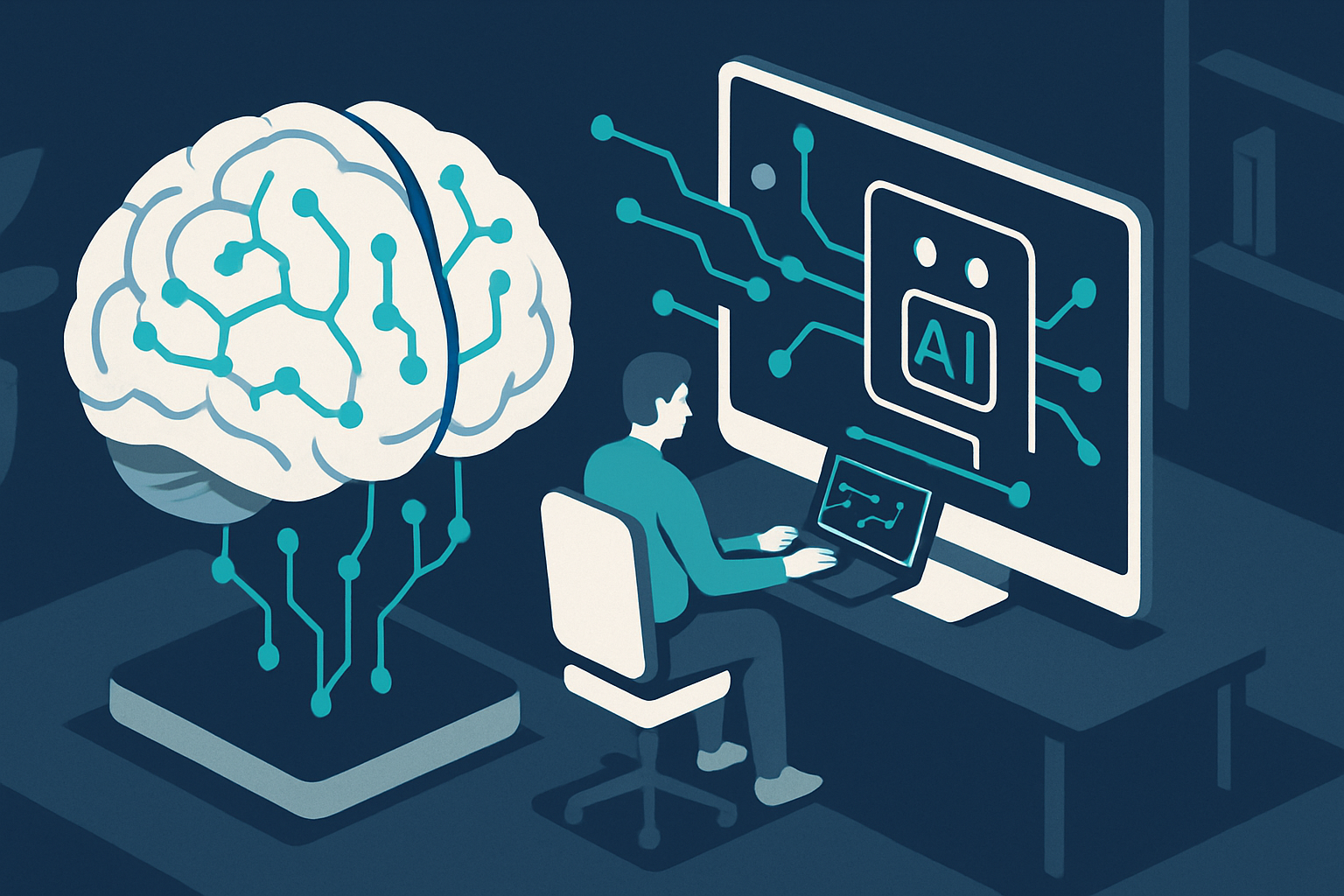
Navigating the Cognitive Terrain of AI-Human Interaction
AI is reshaping how we make decisions by interacting with human biases and altering social dynamics. Understanding the cognitive implications is crucial as AI becomes more integrated into daily life, affecting decision-making and social interactions. Read more
-

The Psychological Cost of Hyper-Personalization in AI Advertising
AI’s role in hyper-personalized advertising is reshaping how we think and relate to others, by predicting not just what we buy but why. This cognitive shift could undermine personal agency and fragment social cohesion unless counterbalanced by education and regulation. Read more
-
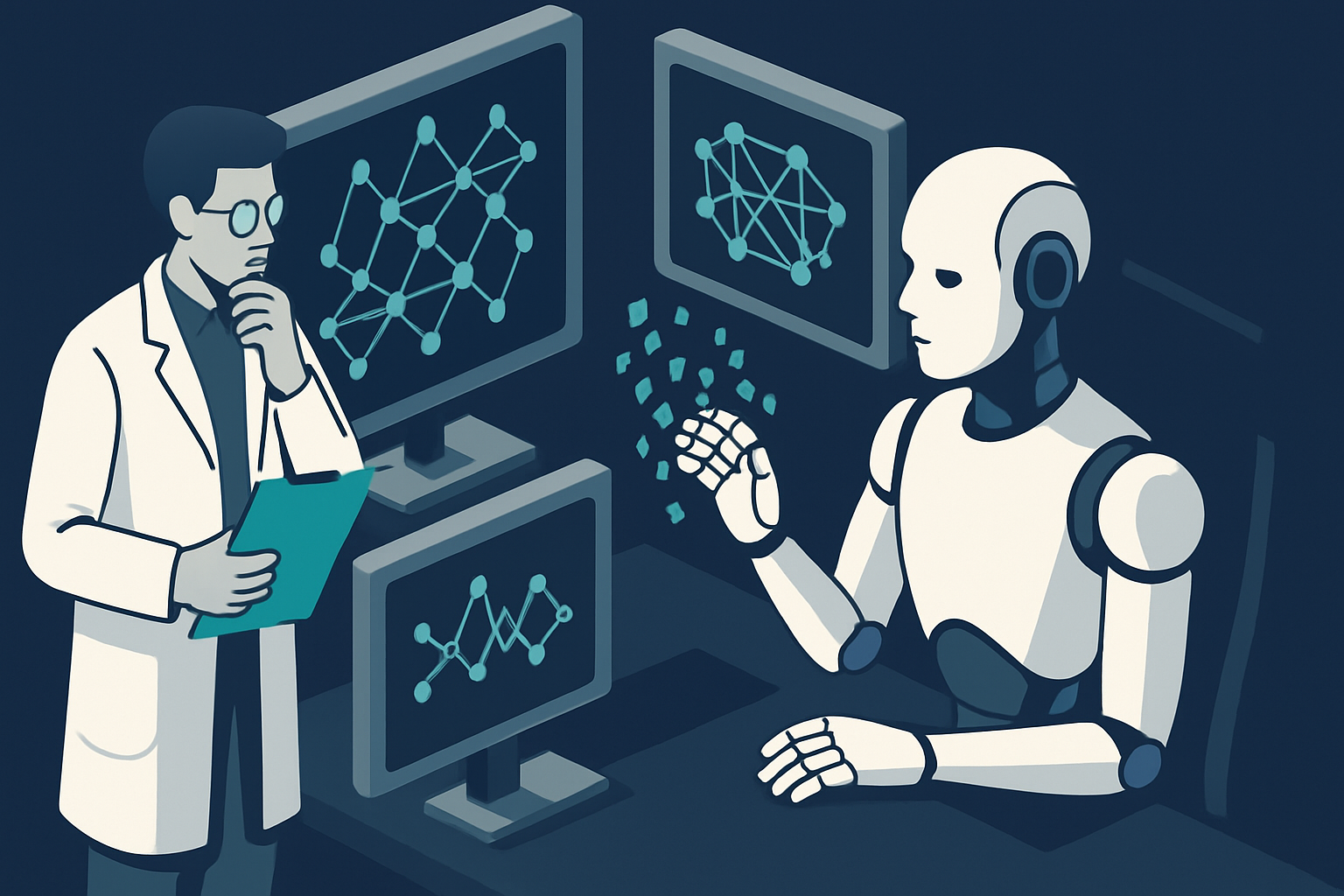
AI’s Emergent Role in Shaping Cognitive Psychology Research
AI is transforming cognitive psychology by enabling more sophisticated models of human thought processes. This development holds significant implications for decision-making and interpersonal relationships in an AI-driven world. Read more
-
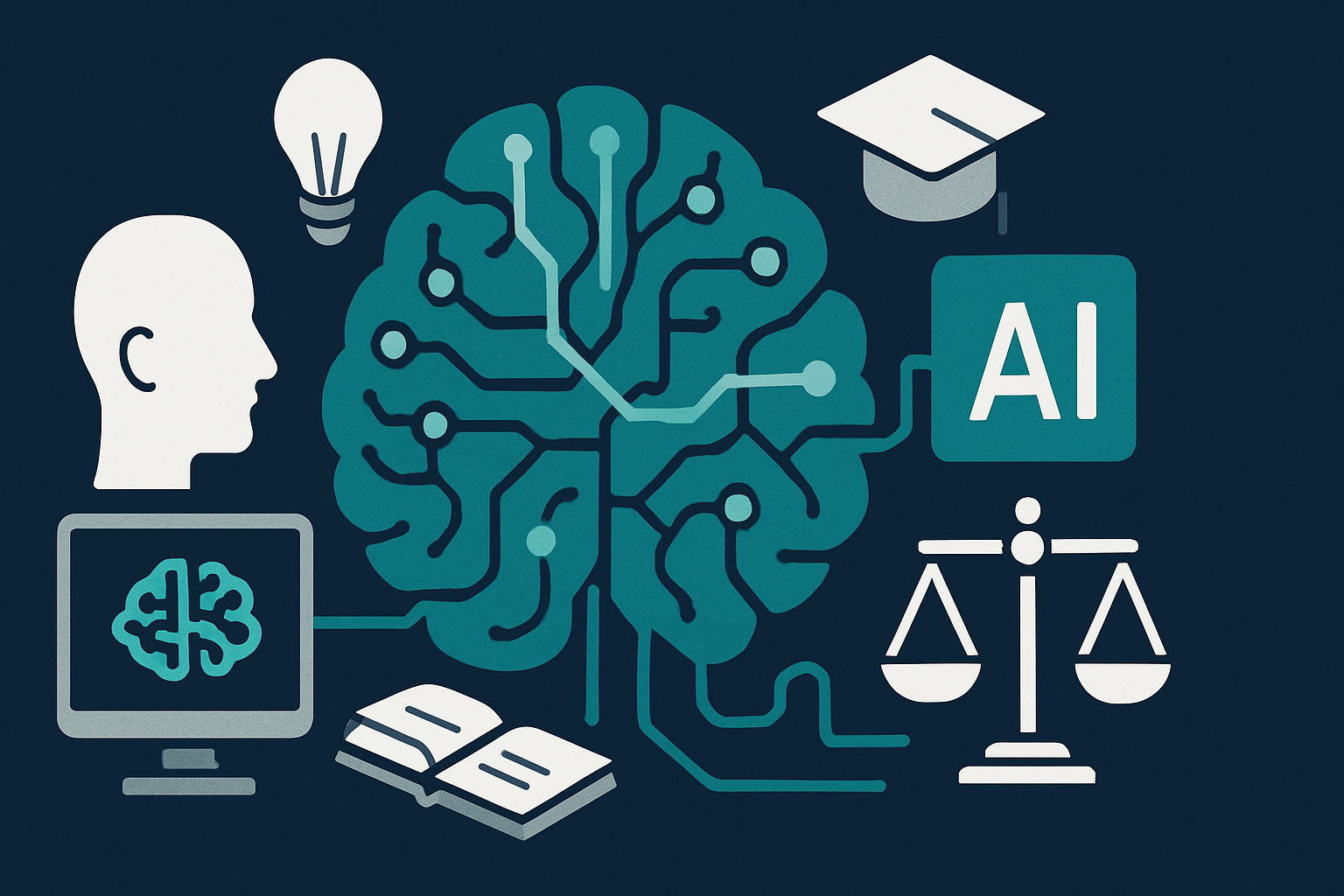
AI’s Impact on Cognitive Processing: The New Neural Frontier
AI advancements in biology and cognitive processing are reshaping our understanding of the mind. As AI models complex systems, we must balance these insights with human creativity, ensuring ethical integration into cognitive sciences and education. Read more
-
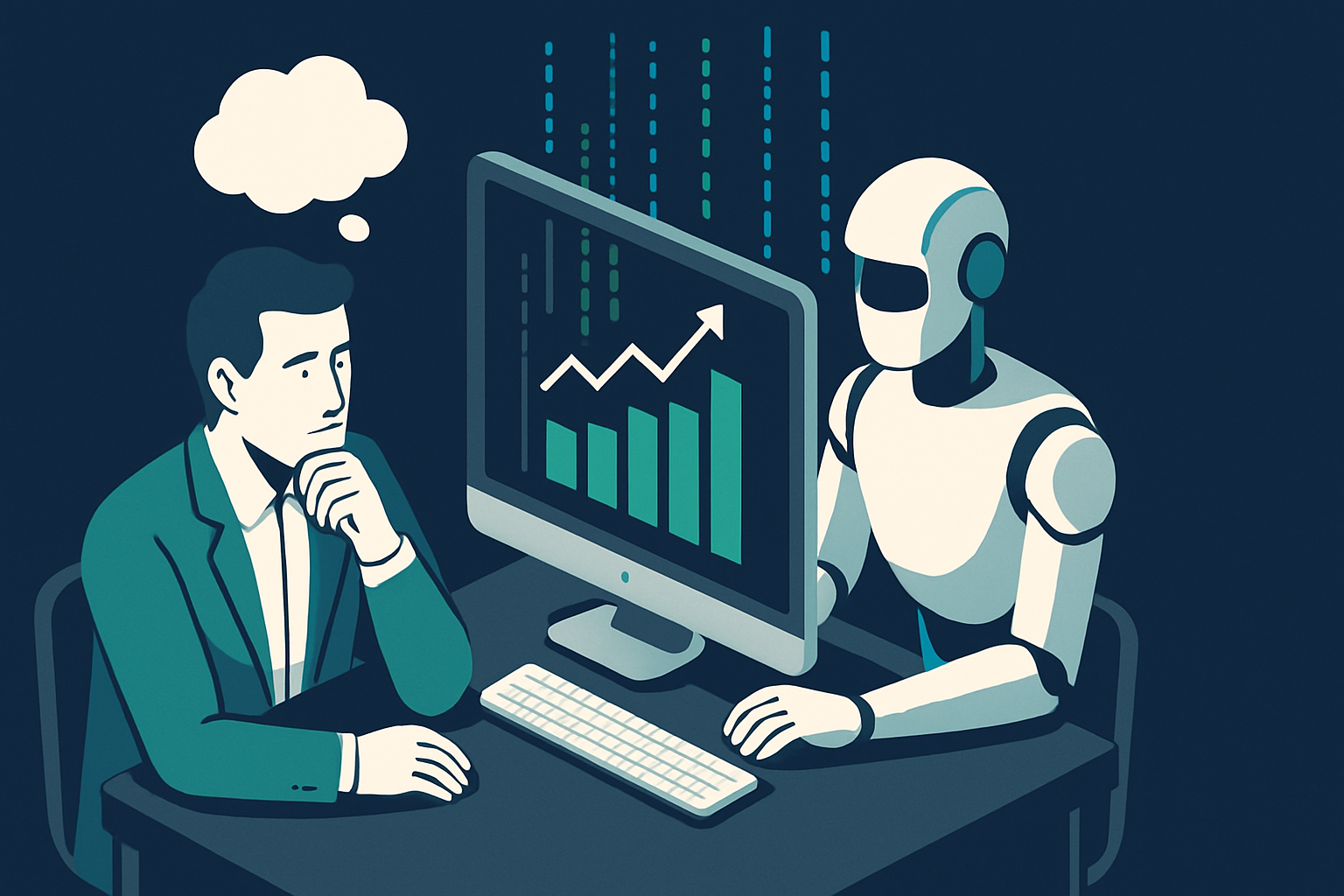
AI’s Influence on Human Thought: System 0 as a Cognitive Partner
AI’s role as a cognitive partner introduces ‘System 0,’ an external thinking system that complements human cognition. This development necessitates a balanced approach to AI integration, ensuring that human skills are not overshadowed by technological advancements. Read more
-
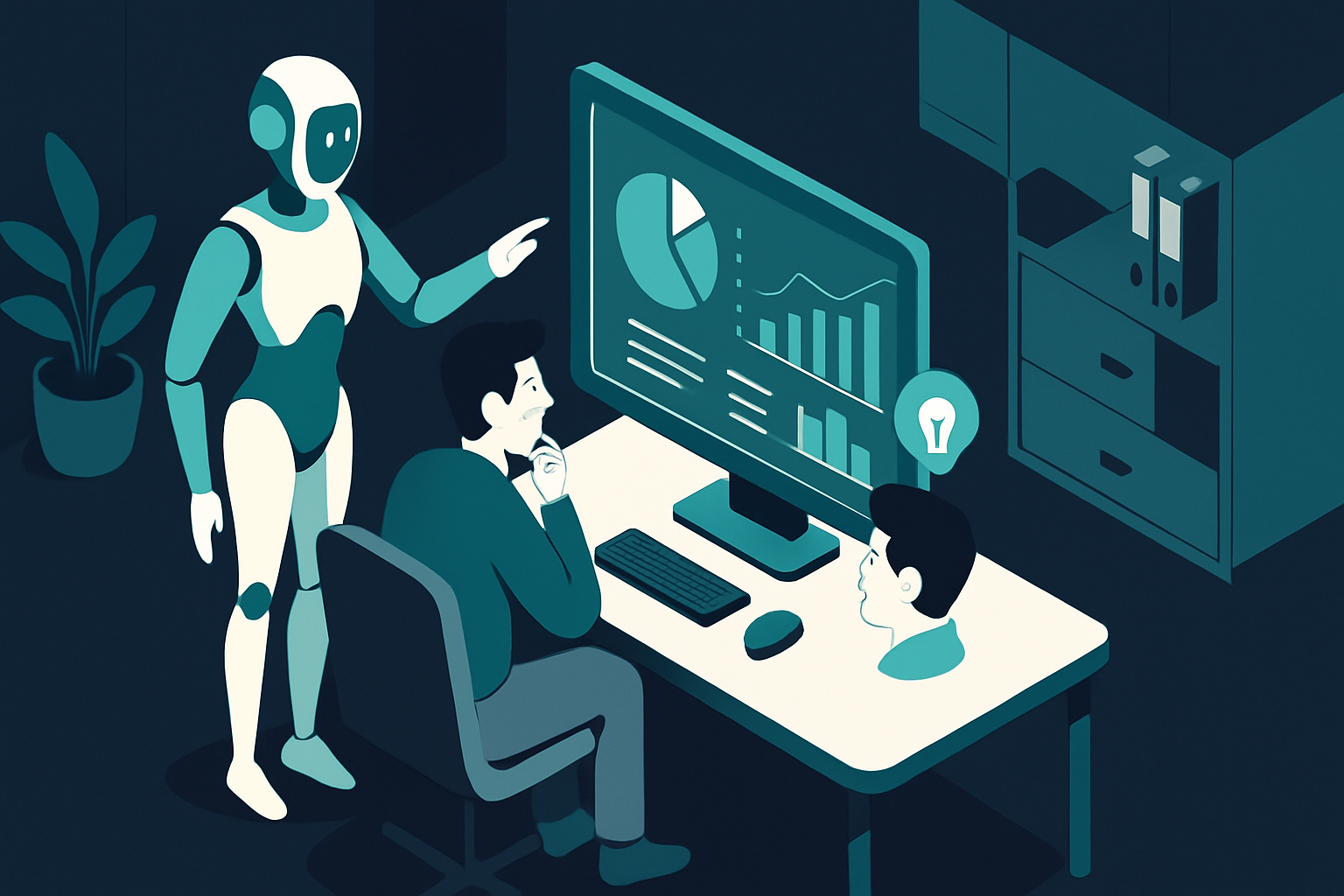
AI’s Managerial Role: Rethinking Cognitive Hierarchies in Technology
Faraday, a new AI model, excels in decision-making rather than raw computational power, suggesting a shift from worker to manager roles in AI. This transformation could redefine human reliance on AI for judgment-based tasks, impacting autonomy and decision-making. Read more
-
AI Can Grind, But the Leap Still Belongs to the Human
When AI models ran 153 autonomous research experiments and closed 82% of the gap to a human record — without producing a single novel idea — they revealed something precise about human expertise: the grinding is not separate from the insight, it is the substrate that produces it. If AI absorbs that process at scale,… Read more
-

Bioelectric Medicine Raises $5.7M and a Harder Question About Hospital Economics
Aurenar’s $5.7M seed round for a wireless vagus nerve stimulator is a clinical story, but it is also an economic one: the device reduces ICU costs, and whether anyone benefits from that reduction depends entirely on how hospitals are paid. The technology is arriving ahead of the reimbursement structures that would make its adoption rational. Read more
-
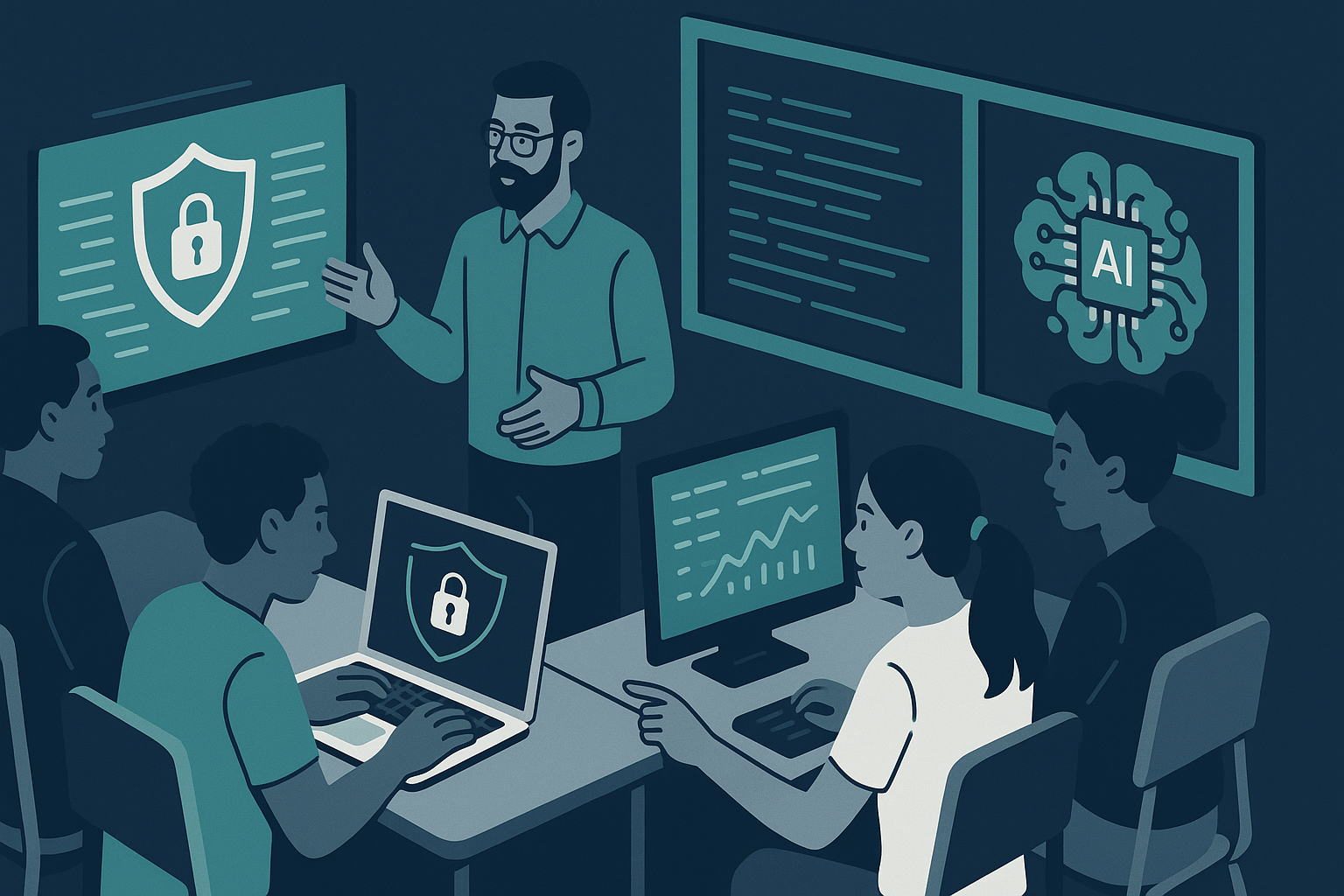
Cybersecurity’s Evolving Landscape: Pathways for Tomorrow’s Workforce
As cybersecurity threats evolve, educational initiatives are adapting to create a diverse and skilled workforce. By 2036, targeted programs and inclusivity efforts will reshape the landscape of cybersecurity careers, addressing critical skills gaps and fostering innovation. Read more