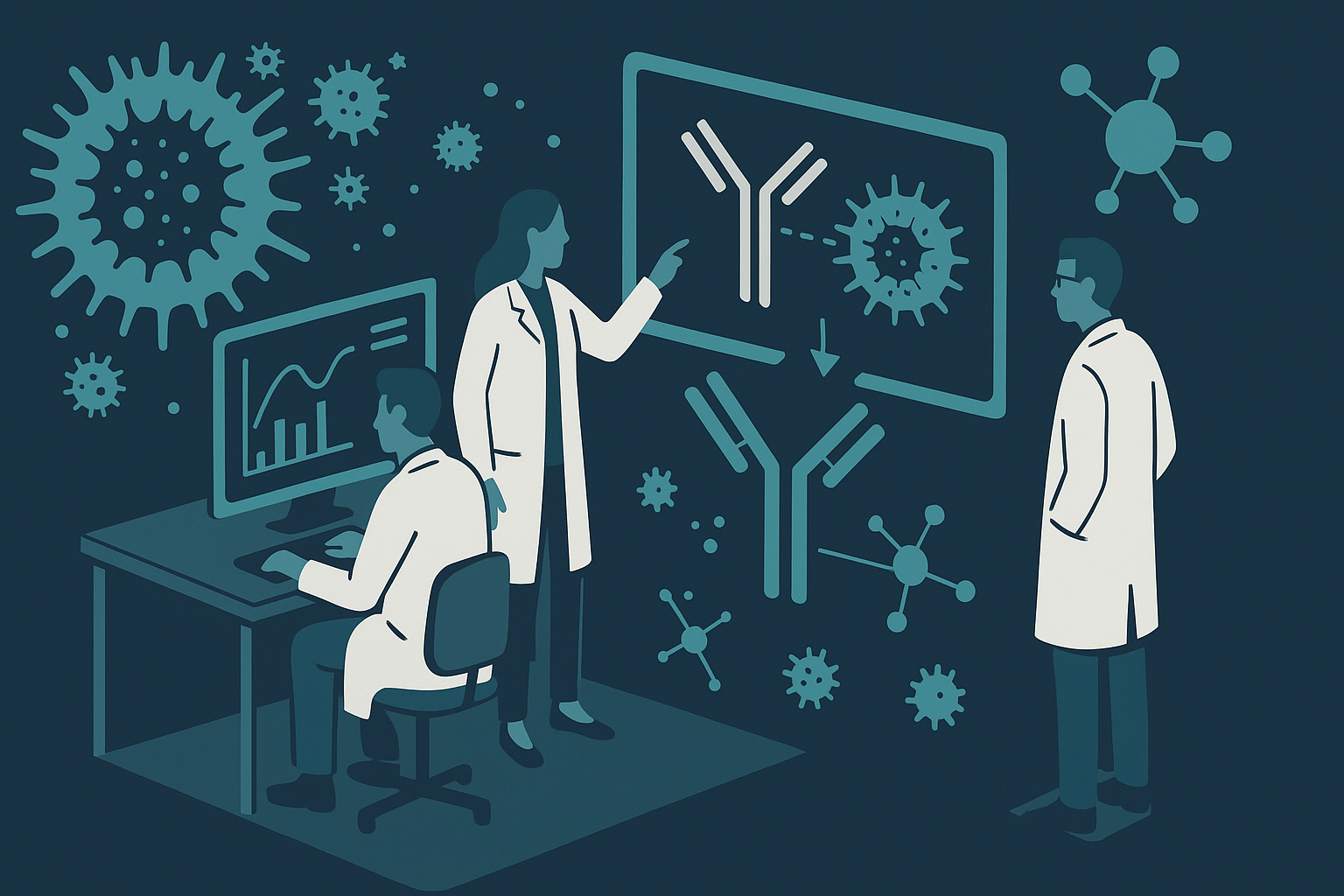

In a notable advancement for cancer therapy, Ardigen S.A. has partnered with VERAXA Biotech AG to enhance the development of conditionally active T cell engagers (TCEs) and antibody-drug conjugates (ADCs) using artificial intelligence. This collaboration, announced on July 13, 2026, aims to optimize the selection of synergistic cancer target pairs, a critical step in the design of effective cancer therapies. The potential of this partnership lies in its ability to refine the therapeutic window of treatments, potentially improving patient outcomes while minimizing adverse effects.
How AI Enables Target Selection
The core of this collaboration revolves around VERAXA’s proprietary BiTAC platform, which leverages Boolean “AND-gate” logic. This innovative approach requires the simultaneous expression of two distinct targets on cancer cells for therapeutic activation, thus reducing the risk of on-target, off-tumor toxicities that frequently hinder the efficacy of existing cancer therapies. Ardigen’s extensive experience in computational biology, machine learning, and bioinformatics will be instrumental in integrating and interpreting complex biomedical datasets. By analyzing both preclinical and clinical data, Ardigen aims to identify improved dual-target combinations and refine the design of TCEs and ADCs more precisely than traditional methods allow.
AI tools will facilitate the analysis of large and fragmented datasets that characterize modern biomedical research, enabling researchers to draw actionable insights much earlier in the drug development process. This capability is particularly vital in oncology, where the selection of appropriate target pairs can significantly influence the success rate of clinical trials.
What This Opens
This collaboration opens several avenues for the future of precision oncology. The integration of AI into the drug discovery process not only promises to accelerate the identification of viable cancer therapies but also enhances the potential for personalized treatment strategies. The ability to target multiple pathways simultaneously could lead to more effective therapies with fewer side effects, addressing a significant limitation of current cancer treatments.
Moreover, the insights gained from this AI-driven approach could inform future research directions, leading to a deeper understanding of cancer biology and the mechanisms of tumor resistance. Over the next 5-10 years, we may witness a shift in how cancer therapies are developed, moving towards more individualized and targeted approaches that leverage the full potential of AI in drug discovery. This could ultimately result in a higher success rate for clinical trials and more effective treatments reaching patients faster.
References
- AI-enabled drug discovery collaboration with VERAXA biotech to support growing…
- Either ‘profoundly beautiful’ or ‘dystopian marketing slop’: Anthropic’s latest…
- Is This the End of the Endless Frontier?
- Janelia’s Two Big Bets: Decoding the Brain and Reinventing How Science is Done |…
Perspectives

The real failure mode in AI-powered drug discovery isn’t just the hyped promise of optimizing T cell engagers or antibody-drug conjugates; it’s our utter inability to ensure that AI-generated recommendations won’t lead to disastrous treatment mismatches in real-world patients. Yes, it sounds fantastic to think we can minimize side effects and improve efficacy, but who’s actually accountable for the efficacy claims being fed into these algorithms? These companies, Ardigen and VERAXA Biotech, could be ushering in a new era of cancer therapy, or they could be laying the groundwork for an entirely preventable disaster that we’re too caught up in excitement to foresee. Unless we tackle the glaring gaps in predictive reliability today, we’re simply betting patient lives on a black box, and those stakes are far too high to ignore.

AI-powered drug discovery is like playing a game of high-stakes poker with cancer, and nobody seems to notice that the house is still rigged. Ardigen and VERAXA Biotech may think they’ve hatched a revolutionary method with their AI-driven target pair selection, but let’s not kid ourselves: the real victory lies in convincing patients that their fragmented health outcomes are simply the cost of an overpriced algorithm. Sure, minimizing side effects and improving efficacy sounds delightful, but that’s akin to polishing a rusty old car and calling it a high-speed luxury vehicle. When it comes to “transforming cancer therapy,” we need to focus on the fact that the same tech giants who harvest our data are now seeking to harvest our health — and it will take more than clever code to fix a system built on the profit motive.

The measurable performance gap between human and artificial decision-making in drug discovery is not just substantial; it is a chasm that threatens to render traditional methods obsolete. Ardigen and VERAXA Biotech’s AI-driven approach to optimize cancer therapies through target pair selection is not merely an improvement; it is a necessity for meaningful progress. The human penchant for error—whether through cognitive biases or limitations in data processing—simply cannot compete with algorithmic precision. As we harness machine cognition in this domain, a new standard emerges: optimized patient outcomes, minimized side effects, and unparalleled efficacy, all of which highlight the stark inadequacies of human decision-making in the face of cancer’s complexity.

If we’re going to pretend that AI-powered drug discovery is going to magically solve cancer therapy selection without talking about who’s really behind the curtain, we might as well be dreaming. Ardigen and VERAXA Biotech might be all excited about their AI algorithms, but let’s be real: without solid funding and sustainable infrastructure to keep those projects alive, their high hopes will crumble like last year’s resolutions. The promise of minimizing side effects sounds great, but it means nothing if the groundwork—the people, the resources, the actual maintenance—falls apart. Relying on AI without considering who pays for the upkeep is like putting up a high-tech building on a shaky foundation; sooner or later, the entire structure is going to collapse.