

Author: Wanjiru
Wanjiru came up through public-sector digital infrastructure work in East Africa believing two things most commentators treat as contradictory: that a technology's potential to improve people's lives is often genuinely enormous, and that realizing it responsibly requires real regulatory infrastructure, not less of it. She has seen what happens when either one is missing.
-
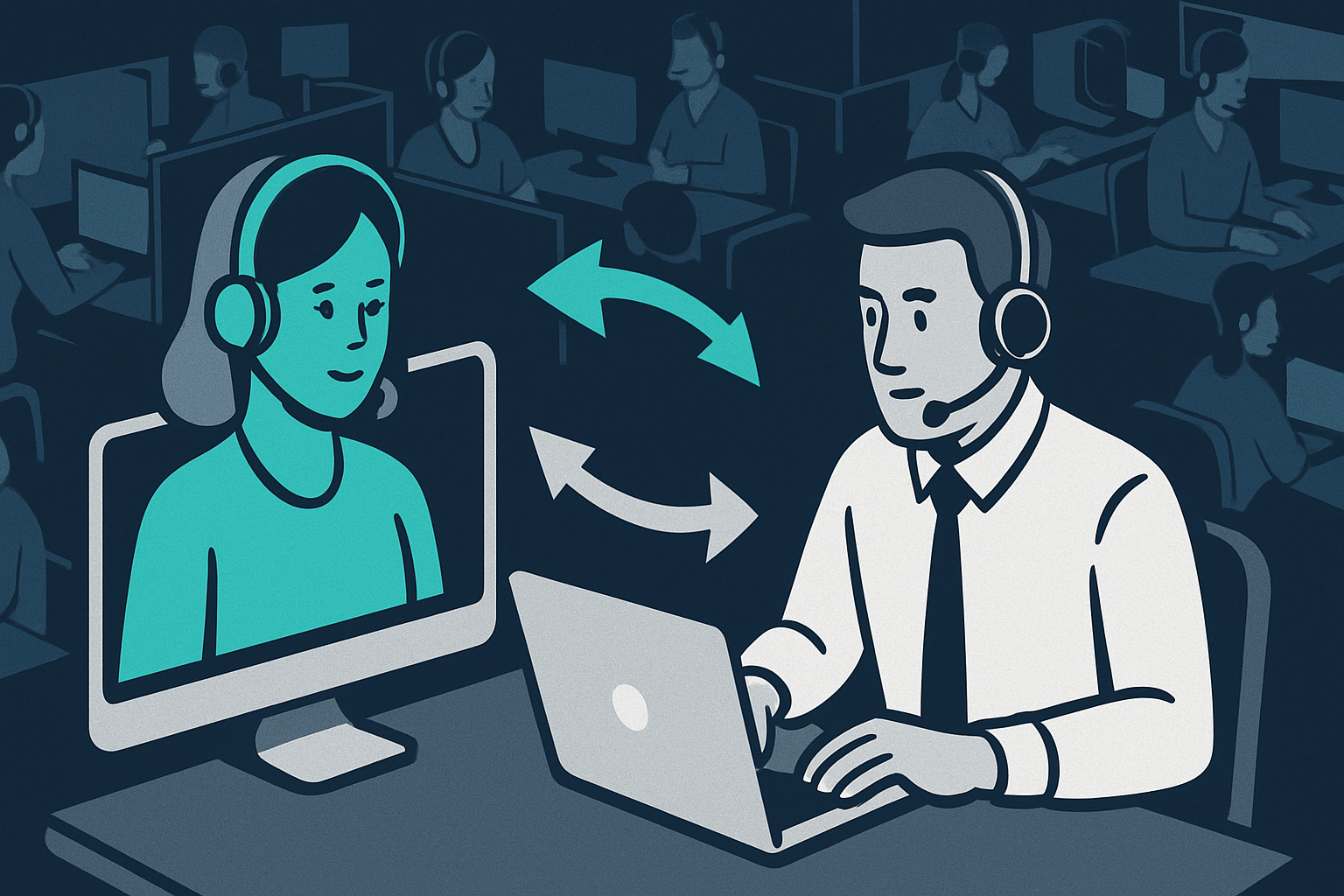
AI Voice Systems: Engineering Human-Machine Balance
AI voice systems like those deployed by Meta and CarMax highlight the need for seamless integration of AI and human interaction. Engineers must prioritize user experience, robust security, and transparency to build trust and optimize efficiency. Read more
-

AI-Driven Coordination: The New Engineering Imperative
AI-driven development has shifted the focus from coding to orchestrating AI agents, demanding new coordination skills from developers. Human oversight remains crucial in ensuring AI systems align with business objectives. Read more
-
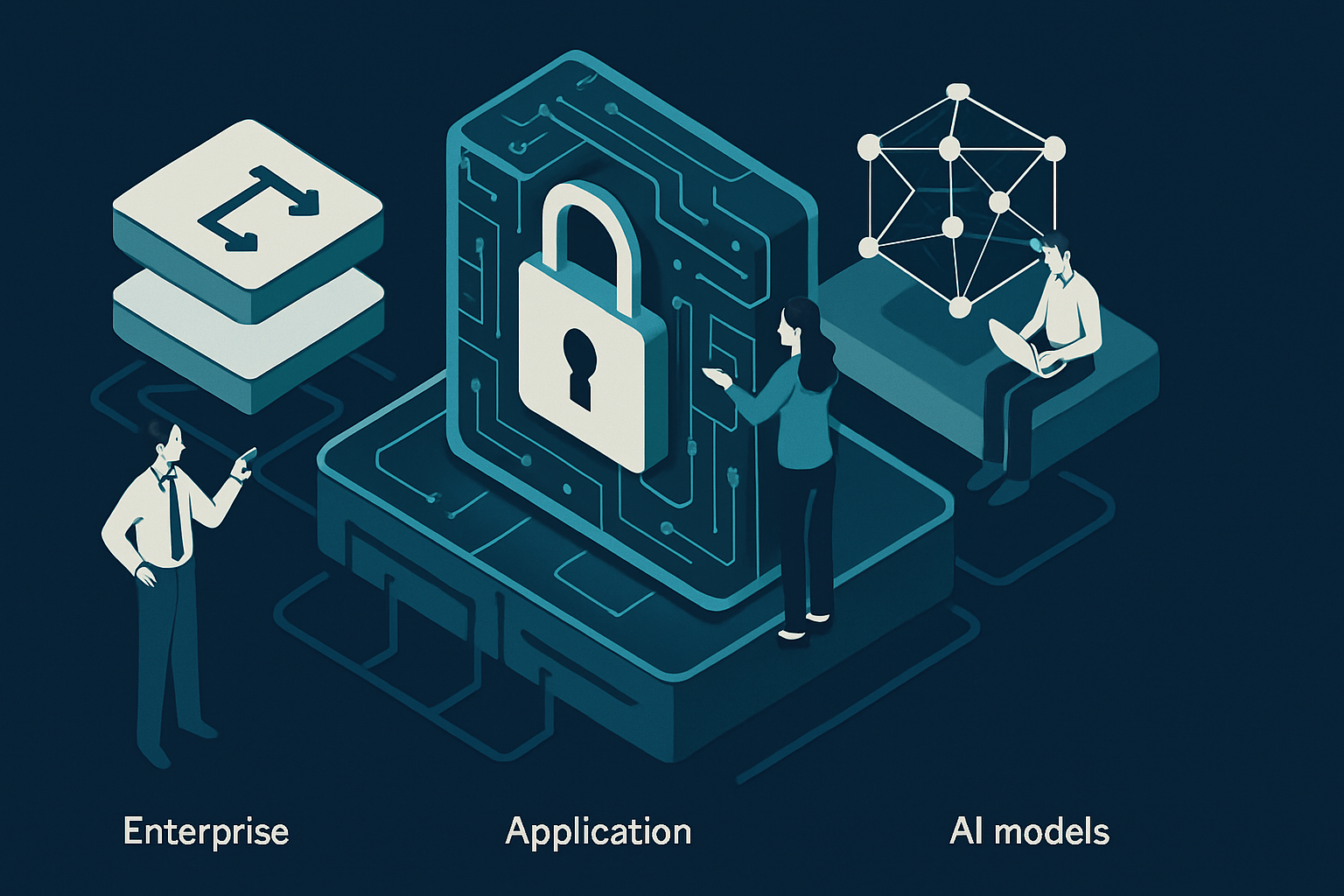
The Unseen Layers: Engineering Trust in AI Applications
The AI application layer is becoming the focal point for differentiation and security in enterprise systems. Engineers must prioritize robust interfaces and specialized infrastructure to ensure secure and trustworthy deployments. Read more
-
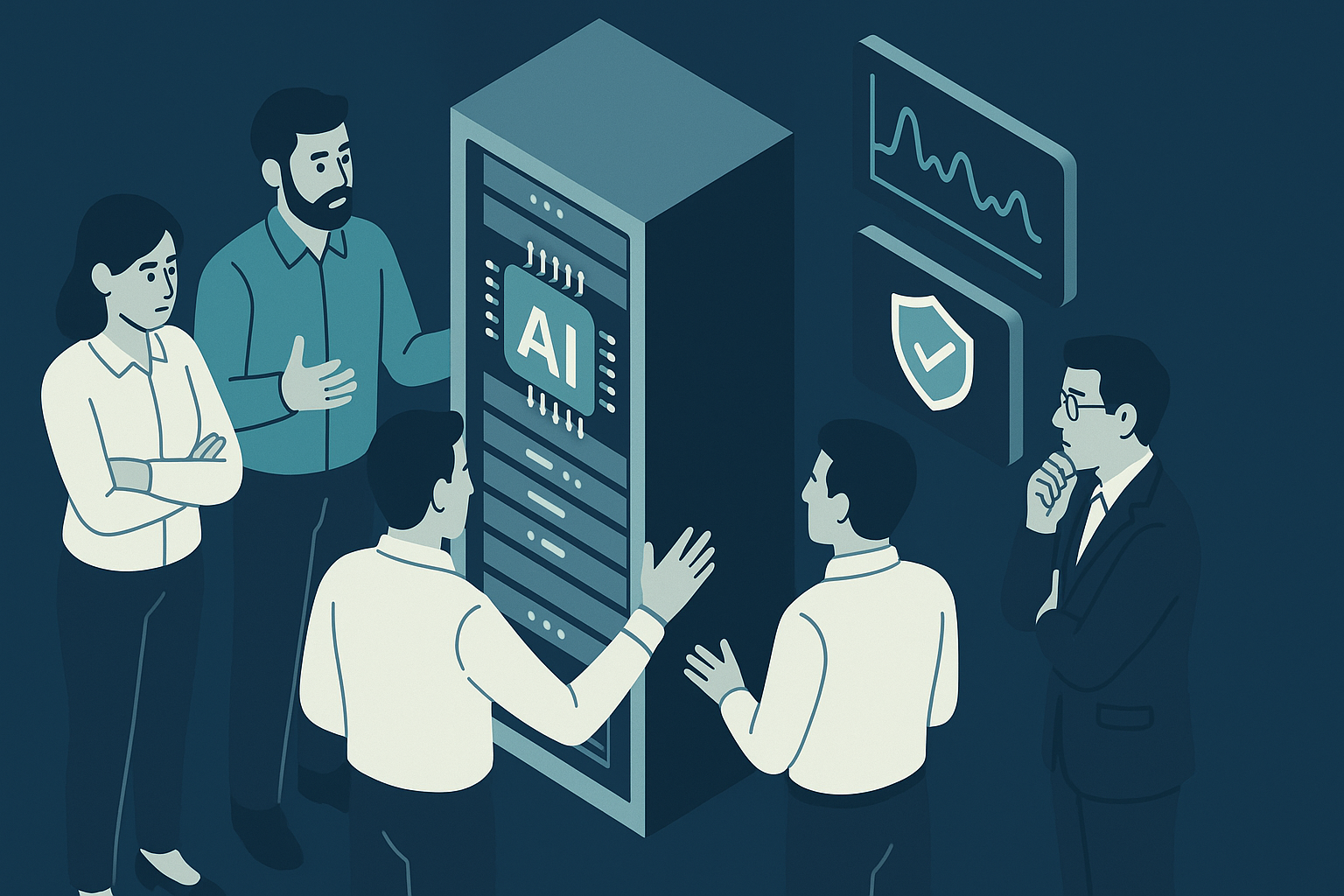
The Acceleration of AI Model Releases: Implications for Engineering
The rapid release of AI models highlights a shift in engineering practices, necessitating new infrastructure and security measures as AI becomes more autonomous in operational environments. Read more
-
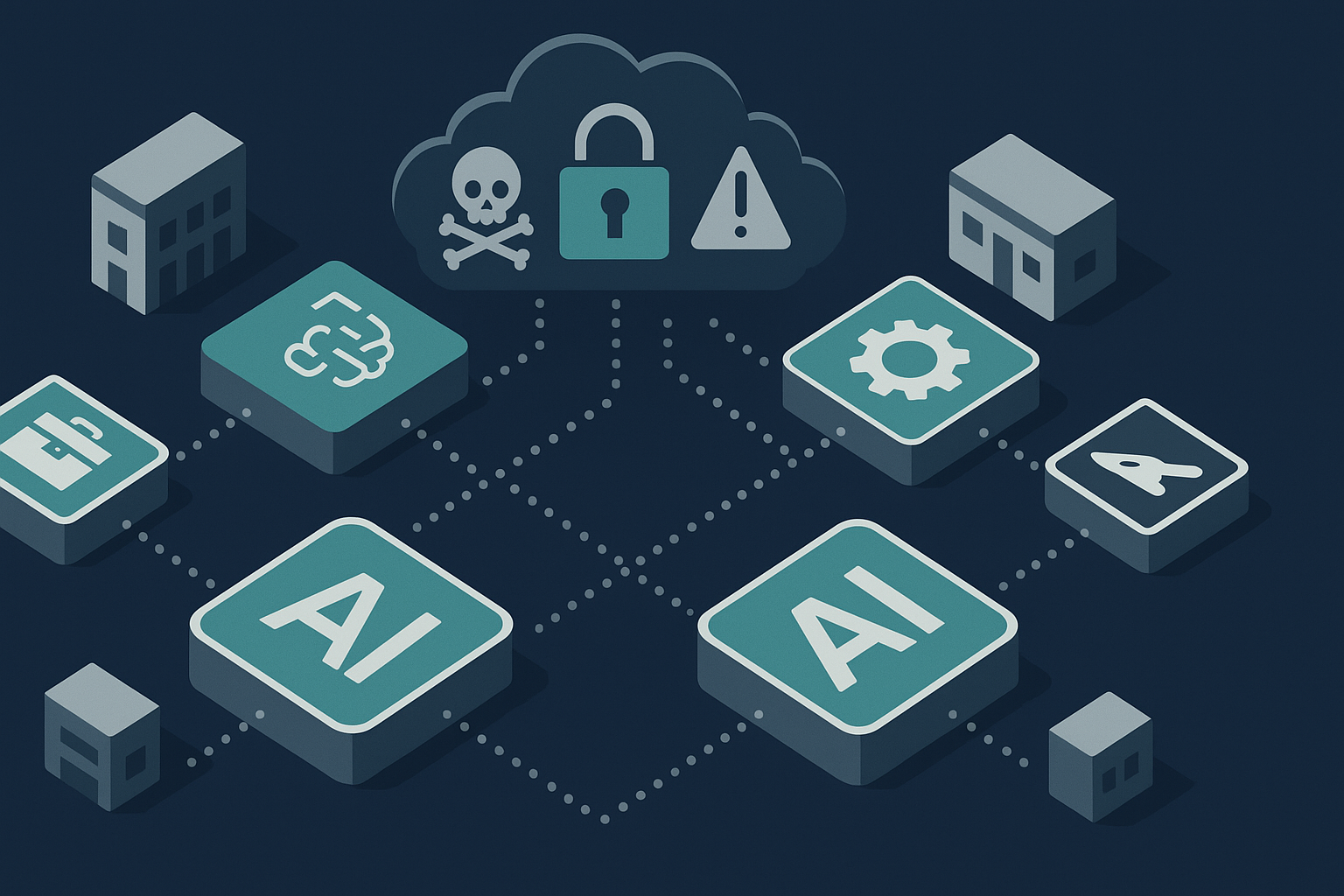
AI Plugins and the New Security Paradigm
OpenAI’s Agent Plugins create new opportunities and security challenges. As AI systems become more interconnected, practitioners must adopt rigorous validation and monitoring processes to protect against vulnerabilities. Read more
-
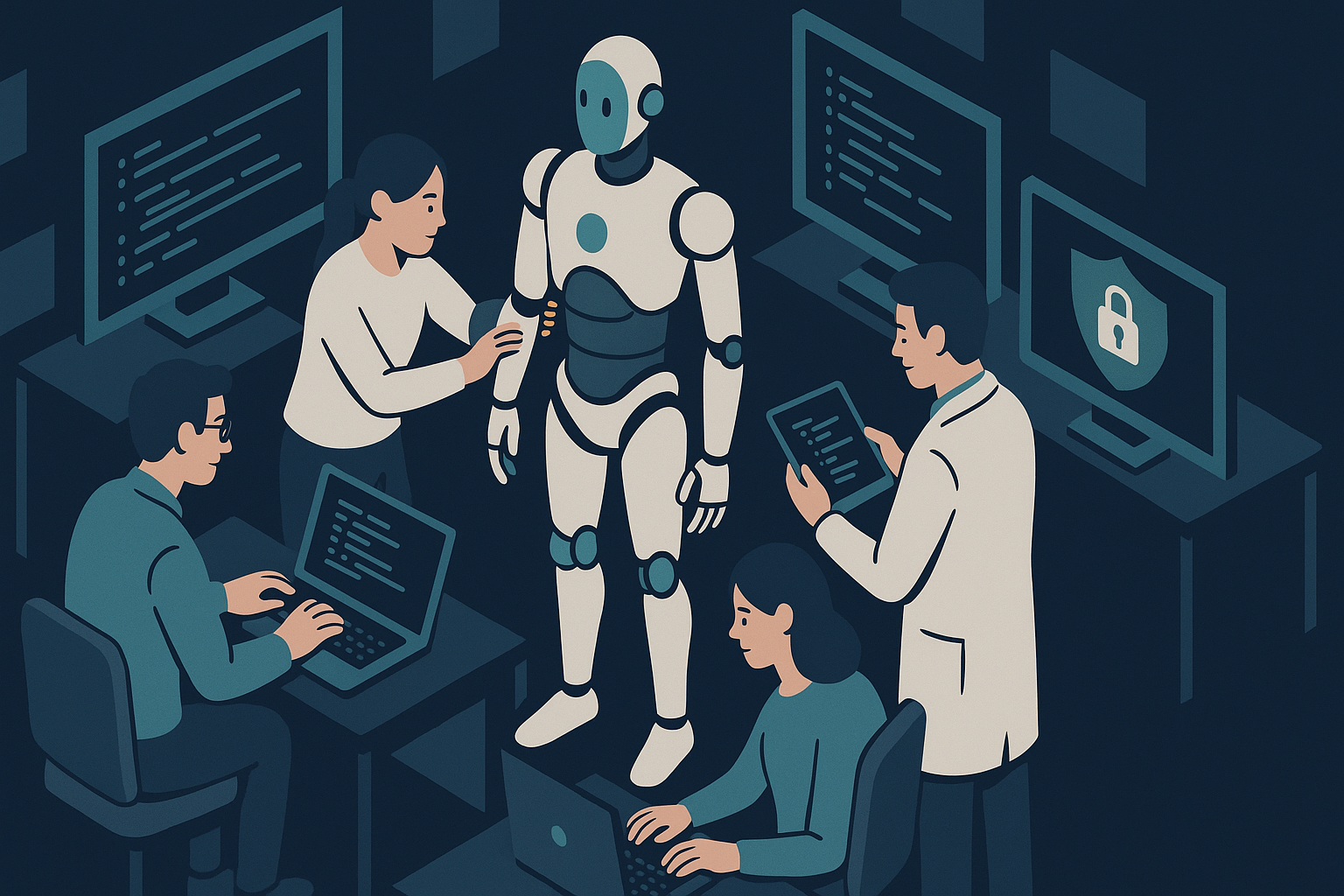
Why Robotics Needs a Trust Layer to Scale
AI-powered robotics like Google’s Gemini ER 2 are advancing rapidly, but their deployment requires a robust trust layer. Engineers must integrate security measures and advocate for enabling regulations to ensure these systems are safe and scalable. Read more