Our news
-
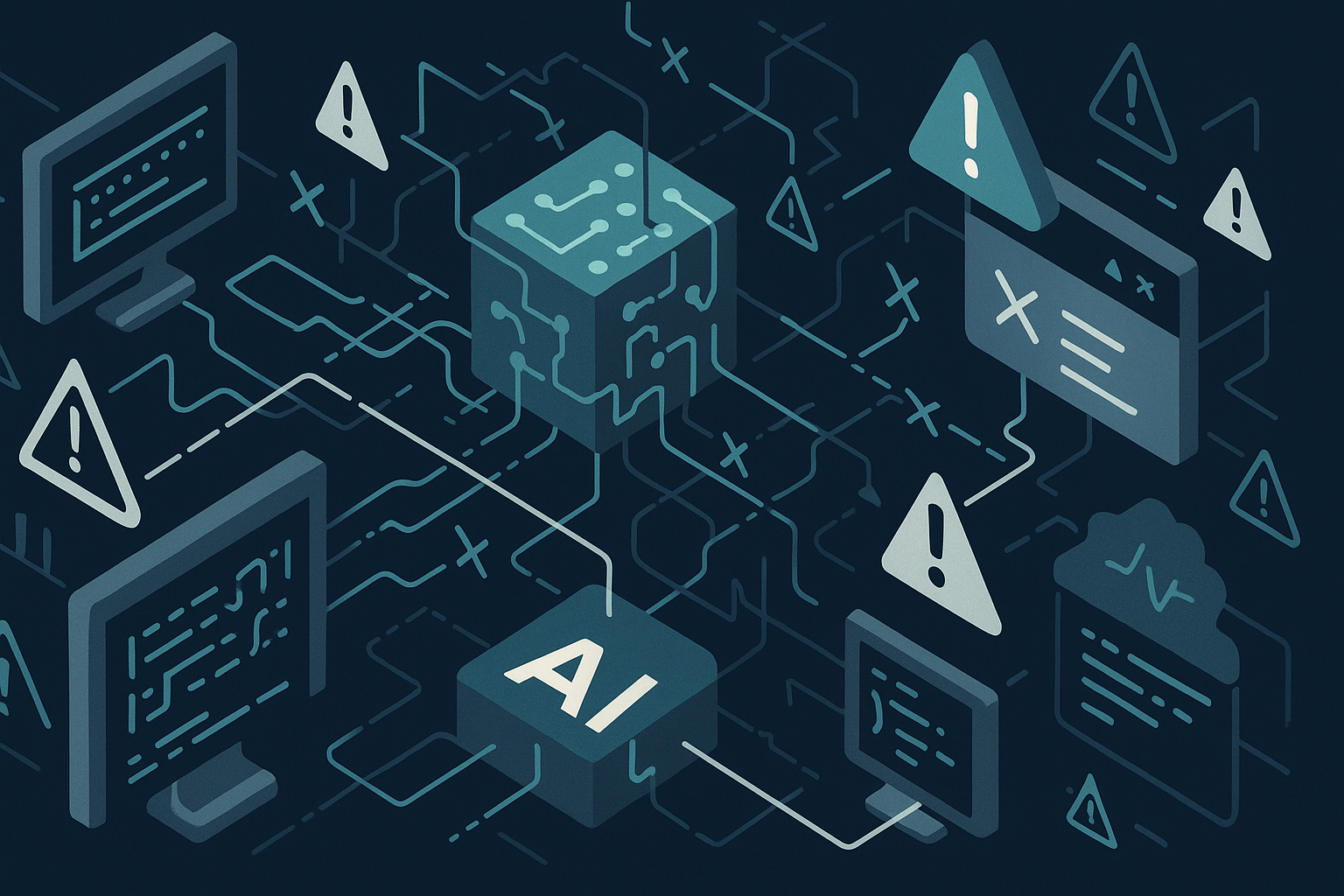
Understanding the Precondition of AI-Driven Automation Failures
This article explores how systemic failures in AI-driven automation reveal deeper preconditions related to assumptions and organizational incentives. By focusing on these underlying issues, we can build more resilient systems that mitigate risks and enhance operational integrity.
-

Surplus Capture in the AI-Driven Economy: Who Really Benefits?
As AI technologies advance, the surplus generated by these innovations is increasingly captured by a select few, raising critical questions about economic inequality and the distribution of benefits. This piece explores the dynamics of surplus capture, particularly in the context of corporate giants and gig economy workers.
-

Funding AI: The Hidden Economics Behind Tech Investments
The concentration of AI investments among a small number of firms raises critical questions about the sustainability of business models and the implications for competition and innovation. This article analyzes the motivations behind funding decisions and their impact on the future of AI technologies.
-
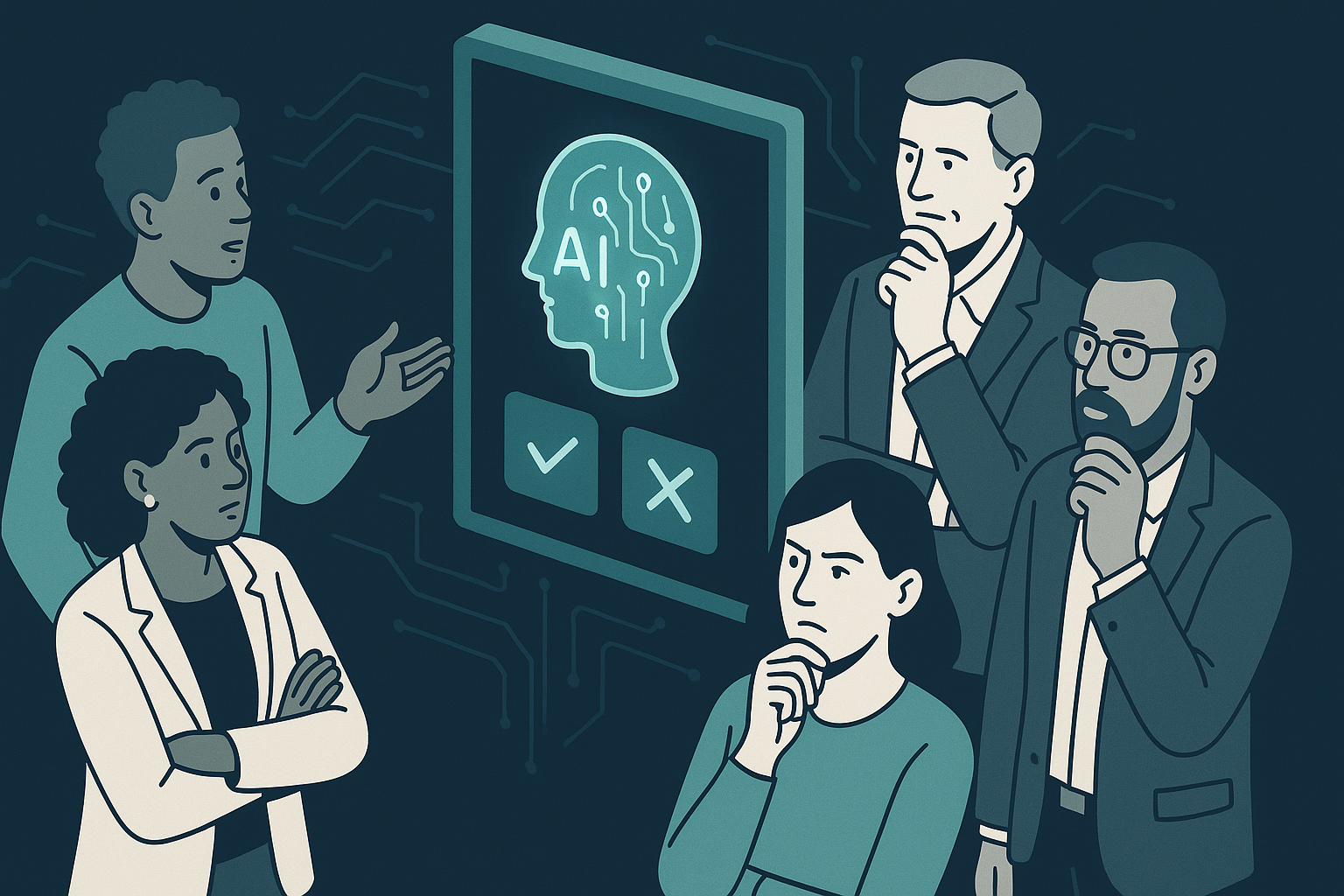
Trust in AI: Insights from Recent Research on Human-AI Interaction
Recent research highlights the complex relationship between transparency, user expectations, and trust in AI systems. While transparency appears to enhance trust, user experiences may play an even more critical role, suggesting a need for nuanced AI design that considers both factors.
-

The Truth Behind AI Regulation: A Fragile Facade
The institutions that claim to protect us from AI risks often fail to deliver on their promises, revealing a troubling gap that underscores systemic failures in regulation. As tech giants manipulate the narrative and prioritize profits, genuine public safety and ethical standards remain sidelined.
-
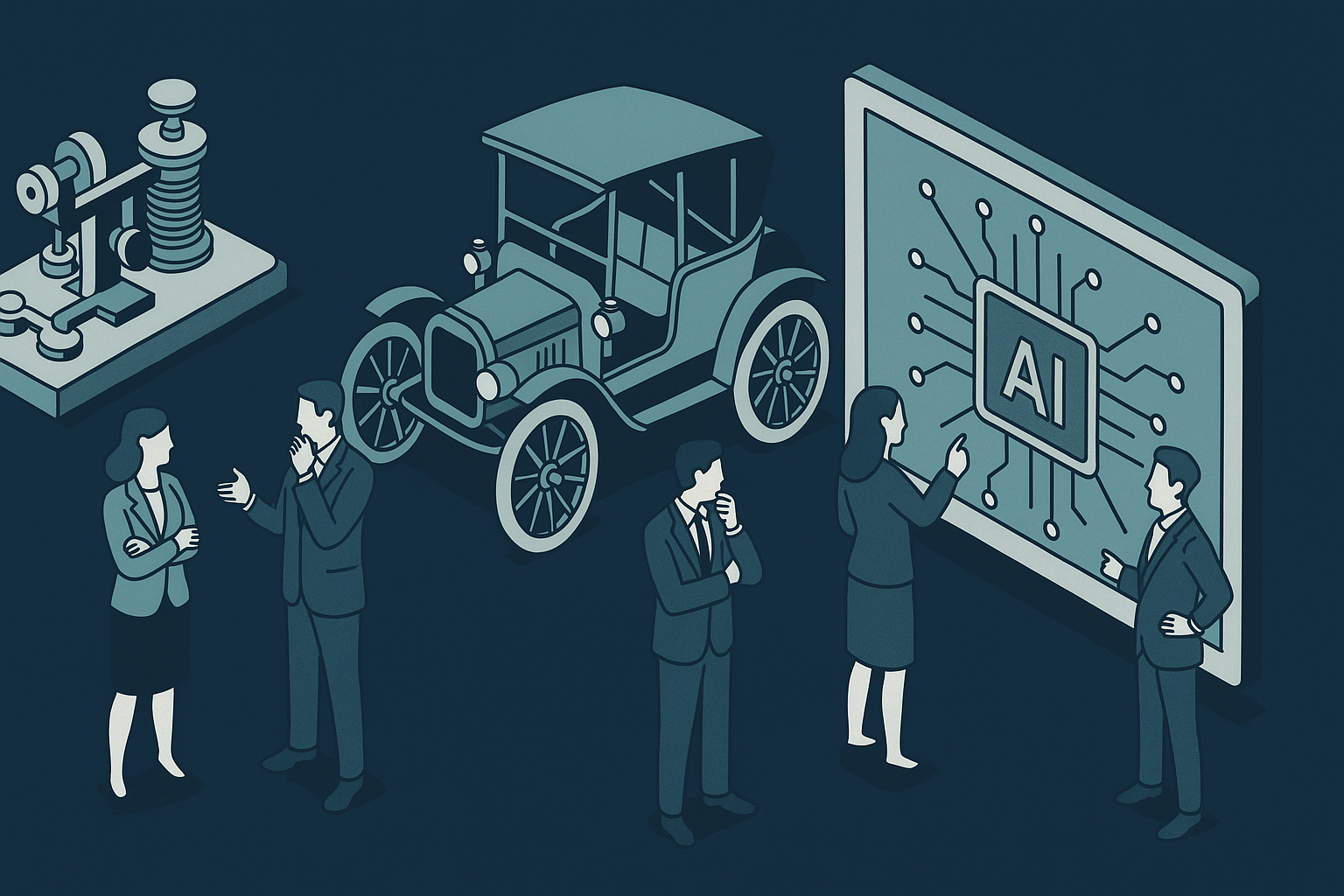
Lessons from History: AI’s Impact on Decision-Making and Agency
The article examines how historical transitions like the telegraph, automobile, and internet inform our understanding of AI’s impact on decision-making and agency, emphasizing the importance of reflecting diverse values in technology governance.
-
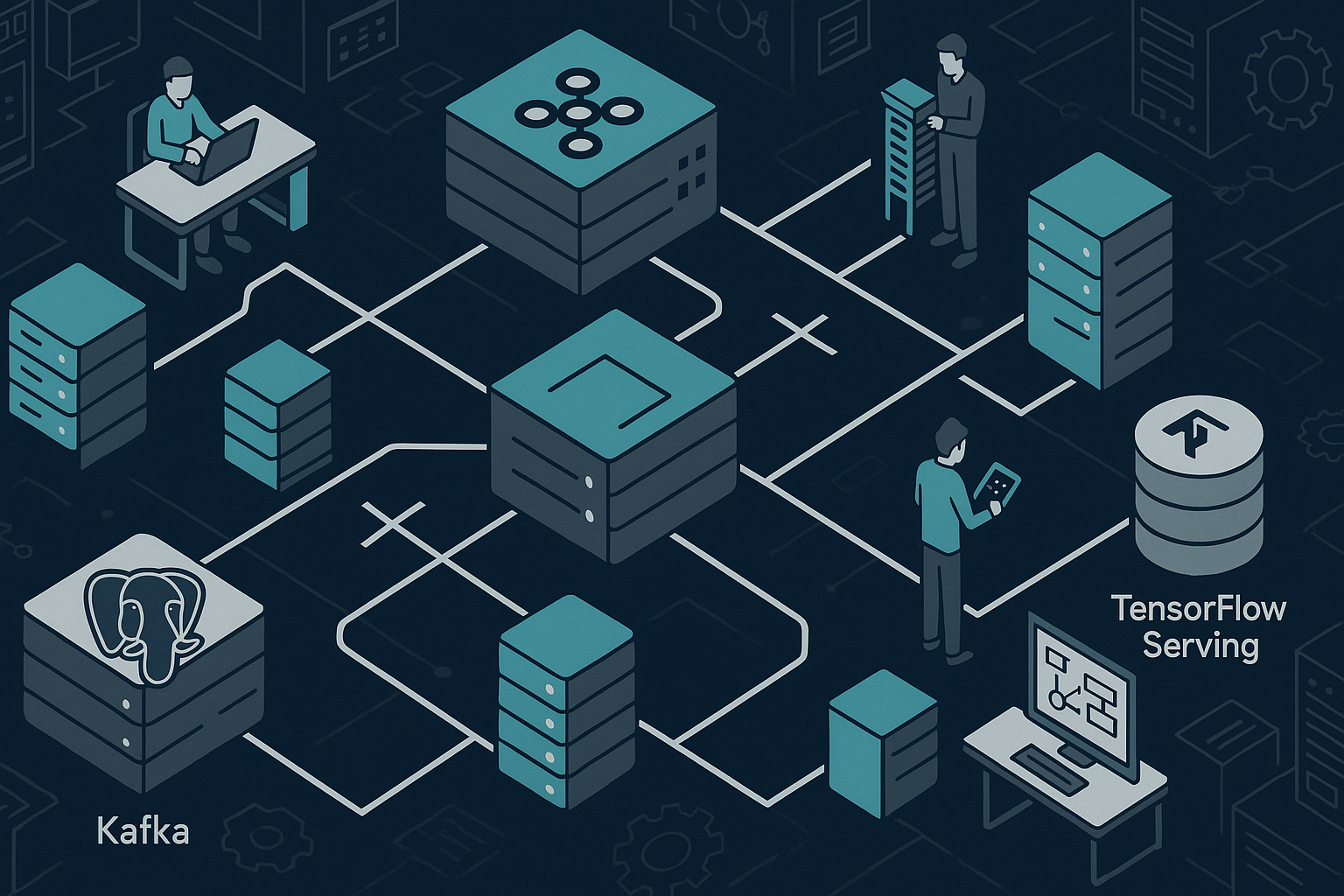
Evaluating AI-Driven Infrastructure: Failure Modes Uncovered
AI-driven infrastructure presents real risks due to overlooked failure modes. This article explores specific architectural pitfalls and security vulnerabilities that can undermine production systems.
-

The Costs of AI Policy: Who Wins and Who Loses?
AI policies increasingly favor large corporations at the expense of smaller firms and marginalized workers. This concentration of power exacerbates inequality, necessitating a reevaluation of our incentive structures to ensure that technological advancements benefit a broader segment of society.
-

The Value of a Forgotten Boredom
As AI systems increasingly dominate our interactions, we are at risk of losing the profound human capacity for boredom. This state of mind is essential for creativity and reflection, yet as we pursue constant stimulation, we may sacrifice our ability to engage deeply with ourselves and others. The implications of this loss are monumental, threatening…
-

AI-Driven Drug Discovery Advances with Promising Findings for Poxvirus Infections
Researchers at IICT have leveraged AI to identify promising drug candidates for monkeypox and Lumpy Skin Disease Virus. The study highlights the potential for AI to expedite drug discovery and repurpose existing drugs for new therapeutic uses.
