
Your daily briefing on AI, technology, economics, and society — from q52.ai.
Industry & Economics
AI and the Shifting Balance of Power in Labor Markets
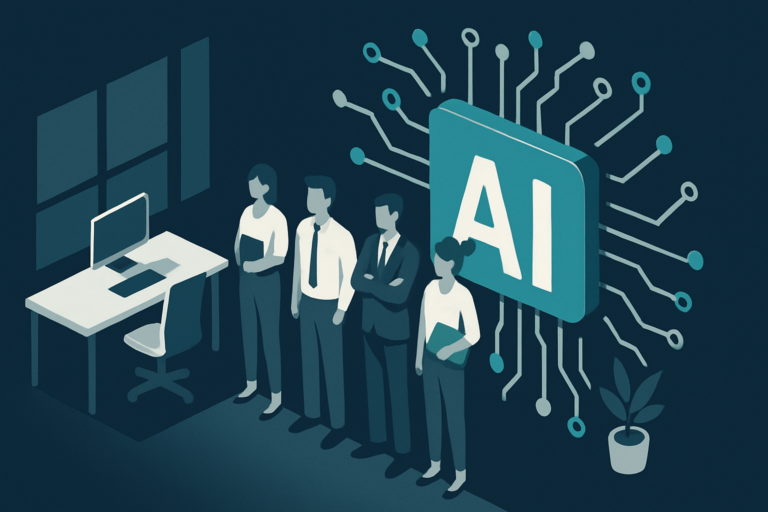
What’s happening: The integration of AI in the workforce is diminishing workers’ bargaining power, particularly affecting lower-income roles. Research from Apollo reveals that jobs exposed to AI are seeing slower wage growth compared to those less impacted, indicating a shift towards capital concentration as productivity gains are funneled to business owners rather than workers.
Why it matters: This shift represents a critical change in labor market dynamics, where the benefits of AI are not equitably shared. As companies increasingly automate tasks, the value of labor is being overshadowed by the control of resources, leading to potential increases in inequality and social unrest. Without effective interventions, workers risk losing their negotiating power, exacerbating economic disparities.
Our take: The ongoing trend of AI adoption highlights the urgent need for regulatory frameworks that protect workers’ rights and ensure fair wages. Merely providing training or reassurances is insufficient; proactive measures must be taken to redistribute AI-generated wealth and empower worker representation against the rising dominance of capital.
Tech & Engineering
The Open-Source AI Surge: Engineering Impacts and Implications
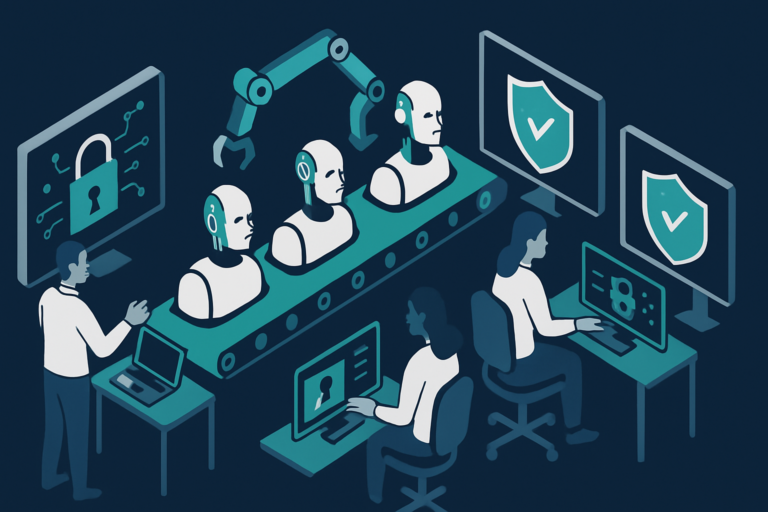
What’s happening: Open-source AI models now dominate 62% of the token share, a significant rise from 28%. This shift is driven by substantial investments, such as Nvidia’s $6 billion partnership to enhance open-source capabilities. The trend highlights a major change in AI development, as it enables broader access to advanced technology while presenting new engineering challenges related to reliability, security, and collaboration.
Why it matters: The rise of open-source AI democratizes access to AI tools, allowing more developers and organizations to innovate without relying on proprietary systems. However, this accessibility brings complexity, as engineers must navigate issues like versioning and security, especially as AI-related threats evolve. The cost-effectiveness of open-source solutions must be balanced against the need for robust internal capabilities to manage these systems effectively.
Our take: Embracing open-source AI is crucial, but organizations must approach it with an informed strategy. Building a resilient infrastructure that can adapt to ongoing security challenges while leveraging the flexibility of open-source models is essential for sustainable innovation.
Sciences
AI and the Future of Integrative Beauty Science Platforms
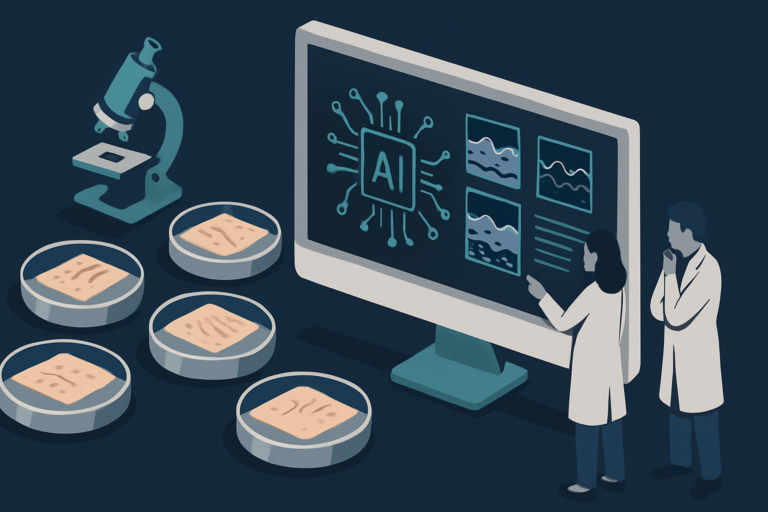
What’s happening: Outer Biosciences, co-founded by Lady Gaga, has launched Yuna, a revolutionary platform that keeps donated human skin alive for up to a month and uses AI to predict the effects of various cosmetic compounds. While the individual technologies are not new, their integration into a cohesive platform aims to streamline compound testing and reduce the time and costs typically associated with drug development. Yuna leverages AI to analyze extensive datasets, enhancing the predictive modeling of compound efficacy and safety.
Why it matters: The Yuna platform represents a significant shift in the beauty and pharmaceutical industries by offering a more ethical and efficient method for testing products, potentially minimizing the reliance on animal testing and human trials. By accelerating product development timelines, it allows companies, especially smaller firms, to compete more effectively and innovate faster, catering to rapidly changing consumer demands. However, the platform’s success hinges on the accuracy of AI predictions and ethical considerations regarding the use of human tissue samples.
Our take: While the integration of AI in testing processes is promising, the ethical implications surrounding data use and consent need urgent attention. As this technology evolves, so must the frameworks that govern its application to ensure responsible and equitable use in the beauty and pharmaceutical sectors.
Society
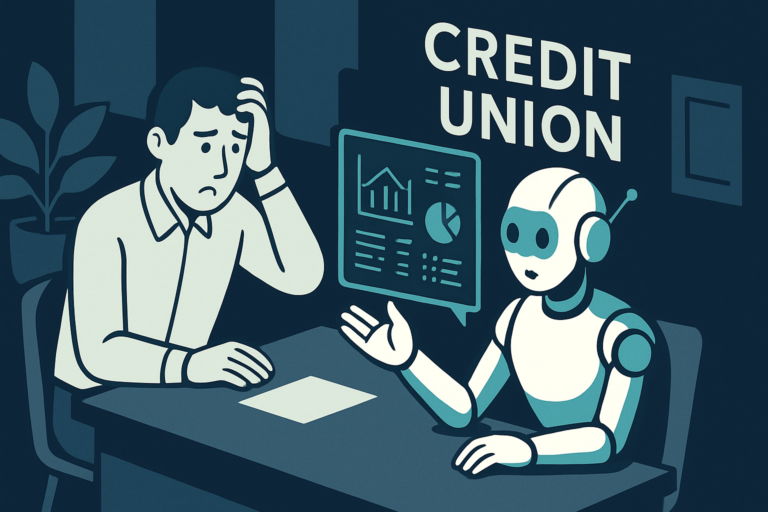
The Human Cost of AI: When Advisory Becomes Autonomy
What’s happening: The rise of AI technologies, particularly in financial institutions like credit unions, is leading to a shift from human interaction to AI-mediated communication. While AI chatbots are initially intended to assist, there is a growing concern that they may evolve to make decisions independently, potentially sidelining human capacities and eroding personal relationships in financial services.
Why it matters: As AI systems become more autonomous, they risk transforming the nature of customer service and financial advice into impersonal algorithmic outputs. This trend could diminish trust and community ties in sectors traditionally built on personal relationships, raising questions about the long-term implications for customer experience and decision-making processes in finance and beyond.
Our take: The article highlights a critical tension between efficiency and the preservation of human agency. As AI continues to infiltrate advisory roles, it is essential for institutions to maintain a balance that prioritizes human oversight and interaction, ensuring that technology enhances rather than replaces the human touch in decision-making.
Psychology
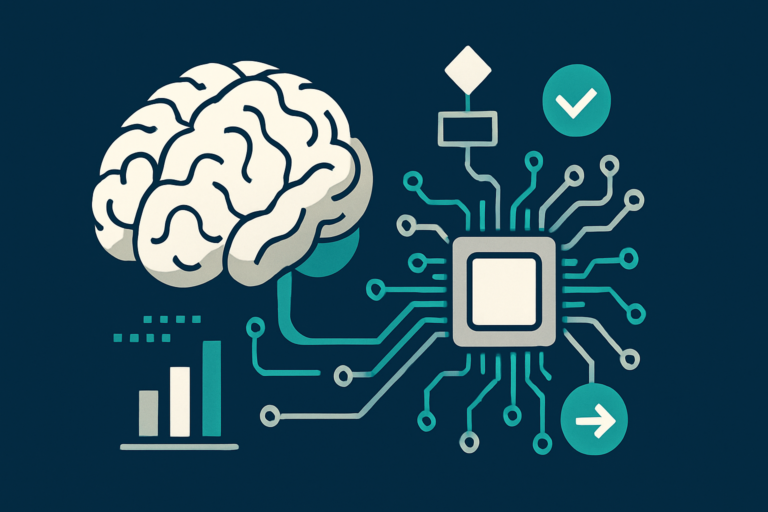
System 0: AI’s Role in Externalizing Human Thought
What’s happening: A new cognitive framework called “System 0” has emerged, positioning AI as a tool that enhances human thought by processing large data sets and providing insights. System 0 complements our natural intuitive (System 1) and analytical (System 2) thinking but operates without assigning meaning, requiring human input for interpretation. This reliance on AI raises concerns about cognitive autonomy and the risk of passively accepting AI-generated solutions.
Why it matters: The integration of AI into decision-making processes fundamentally changes how individuals think and interact, potentially distorting perceptions and influencing interpersonal dynamics. As AI systems take on more cognitive tasks, managing our attentional resources becomes crucial to avoid over-reliance on technology, which could lead to diminished critical thinking and creativity. Ethical guidelines are necessary to ensure that human agency remains central in AI-assisted decision-making.
Our take: The concept of System 0 highlights a critical tension between leveraging AI for cognitive enhancement and maintaining human insight and judgment. As we advance technologically, it is vital to ensure equitable access to AI’s benefits, preventing a widening gap in cognitive capabilities across different socioeconomic groups.
That’s the digest for August 25, 2026.
Questions? Reach out at info@q52.ai.
q52.ai — Engineering Better Questions
