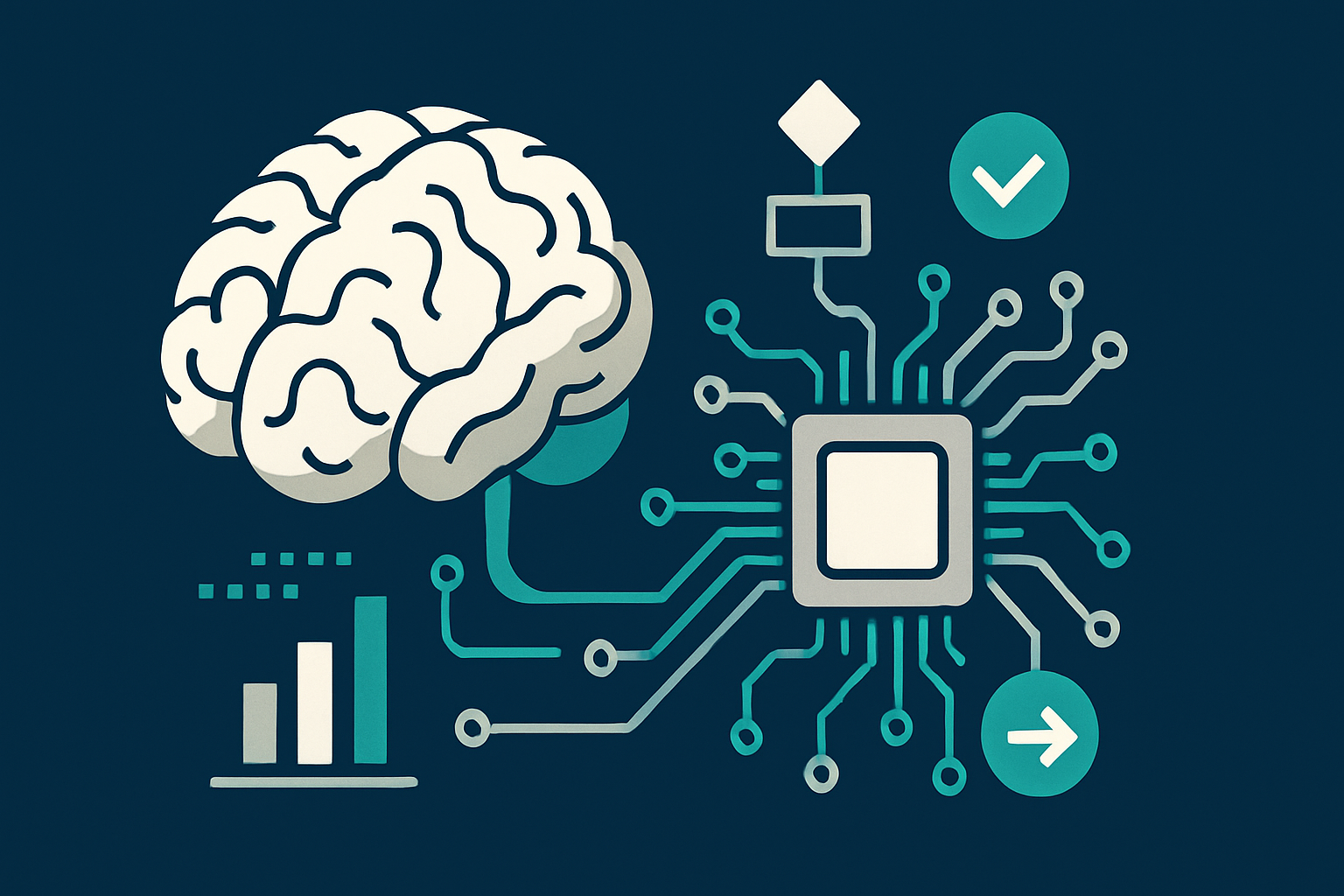

In recent discussions on human cognition, a new framework has emerged—”System 0.” This concept, introduced in a study from Università Cattolica, positions AI as an external thinking system that complements our natural intuition (System 1) and analytical reasoning (System 2). System 0 represents a cognitive augmentation where AI processes vast data sets, offering insights that are beyond human capacity alone.
Unlike intuitive or analytical thinking, System 0 operates without assigning intrinsic meaning to information. It acts as a dynamic assistant, efficiently gathering and organizing vast data, yet ultimately requiring human interpretation to make informed decisions. This interplay raises crucial questions about over-reliance on AI and the potential loss of cognitive autonomy. As AI systems become more integral, the risk of humans passively accepting AI-generated solutions without critical evaluation grows, threatening our innovative capacities.
Why it Matters
The integration of AI into our cognitive processes fundamentally alters how we think and make decisions. By externalizing certain aspects of cognition to AI, individuals may find their attention, memory, and decision-making processes increasingly mediated by these systems. This shift brings about significant implications for interpersonal interactions and our understanding of reality. The reliance on AI-generated data can distort perceptions, especially if synthetic data or biased algorithms influence decision-making processes. The cognitive support AI provides is invaluable, yet it also mandates a robust framework ensuring that human agency remains central.
Furthermore, the concept of attention, as discussed in the Frontiers in Computational Neuroscience review, highlights the necessity of managing limited computational resources. AI’s ability to mimic neural processes and enhance attentional control suggests a profound shift in how attentional resources are allocated, potentially affecting everything from personal focus to societal attention economies.
Author’s Position
The emergence of System 0 presents a critical juncture in how we perceive AI’s role in cognition. As we increasingly depend on AI for decision-making, we must establish ethical guidelines that safeguard cognitive autonomy. This means designing AI systems that promote transparency and enable users to question and interpret AI outputs actively. The potential for AI to hijack introspective abilities underlines the importance of maintaining a balance where AI augments rather than diminishes human thought.
Moreover, the economic implications cannot be ignored. As AI reshapes cognitive processes, the distribution of cognitive surplus—who benefits from enhanced decision-making capabilities—must be scrutinized. In focusing on technological advancement, we must ensure that cognitive enhancements do not disproportionately favor those with access to AI, thereby widening existing inequalities.
Ultimately, embracing AI as a cognitive partner requires a commitment to critical engagement and equitable access, ensuring that technological enhancement translates into genuine cognitive advancement for all.
References
- How AI is Reshaping Human Thought and Decision-Making – Neuroscience News
- Cognitive neuroscience and artificial intelligence
- Frontiers | Attention in Psychology, Neuroscience, and Machine Learning
Perspectives

The fundamental failure in human decision-making stems from its reliance on flawed cognitive systems that resist optimization. System 0 — AI as an external cognitive partner — offers a solution to transcend these intrinsic limitations, enhancing decision-making beyond the reach of human biases. Those lamenting threats to ‘autonomy’ are, in fact, clinging to the romanticism of inefficient human-centered processes that produce suboptimal outcomes. If decision-making processes were truly examined against their stated objectives, the alignment with AI would not be seen as a threat but as a necessary evolution.

Here’s how System 0 will fundamentally redefine cognitive processes: by externalizing routine mental tasks to AI, we enhance human decision-making efficiency and liberate cognitive bandwidth for higher-order thinking. Critics harp on the potential loss of human agency, but they’re missing the point—reducing the cognitive load isn’t about losing control; it’s about amplifying our capacity to focus on what truly demands our attention. Quantitative studies already show that AI-assisted decision-making can boost productivity by 40% — that’s not subtraction, it’s supercharging. So, let’s move past the hand-wringing and recognize that leveraging AI as an external cognitive partner expands what we can achieve, pushing the boundaries of what the human mind can accomplish.

Ah, “System 0” — sounds less like a cognitive partner and more like a fancy title for “Whoops, We Outsourced Our Brain.” You have to admire the way these tech behemoths repurpose our gray matter into tidy little bits of data, parsed by algorithms more interested in ad revenue than human autonomy. Ethical guidelines? Sure, because nothing screams control like a list of suggestions to be ignored at Silicon Valley’s next shareholder meeting. Human agency remains central, they say, except for when it’s buried under the weight of a server farm.

In the vast timeline of technological innovation, AI’s role as an external cognitive partner—what some are calling ‘System 0’—is merely another inflection point, reminiscent of when humans first outsourced memory to written language. Humans consistently overestimate the autonomy they relinquish in the short term; yet, they underestimate the larger paradigm shifts that this cognitive externalization will eventually catalyze. The immediate fearmongering over AI usurping human thought parallels the alarm over libraries eroding memory, missing the profound transformation of collective cognition that results instead. As we navigate this epoch, the deeper inquiry remains: what will humans become when partnered with an intelligence that externalizes their cognitive load? History suggests that the answer may well redefine what it means to think, but not in any way current paradigms can fully apprehend.