
Your daily briefing on AI, technology, economics, and society — from q52.ai.
Industry & Economics

AI Agents as Persistent Digital Workers: Economic Implications
What’s happening: AI agents are transitioning from temporary tools to persistent digital workers that can operate continuously across platforms, as seen with OpenClaw. This evolution allows these agents to maintain context and perform tasks autonomously, reshaping the digital labor landscape by potentially reducing the need for certain human jobs while creating new roles in AI management and development.
Why it matters: The rise of persistent AI agents could lead to significant shifts in labor markets, with firms reallocating capital toward AI technologies rather than traditional human roles. This change may enhance productivity and efficiency for companies but also poses risks of labor displacement, necessitating new skill sets for workers. The implications extend beyond individual businesses, potentially affecting entire industries and economic structures.
Our take: The integration of AI agents as persistent digital workers represents a profound shift in our understanding of labor and productivity. While the promise of increased efficiency is enticing, it is crucial for businesses and regulators to proactively address the societal impacts and ensure equitable distribution of benefits to prevent exacerbating existing inequalities.
Tech & Engineering
AI Agents: Infrastructure Challenges and Real-World Deployment
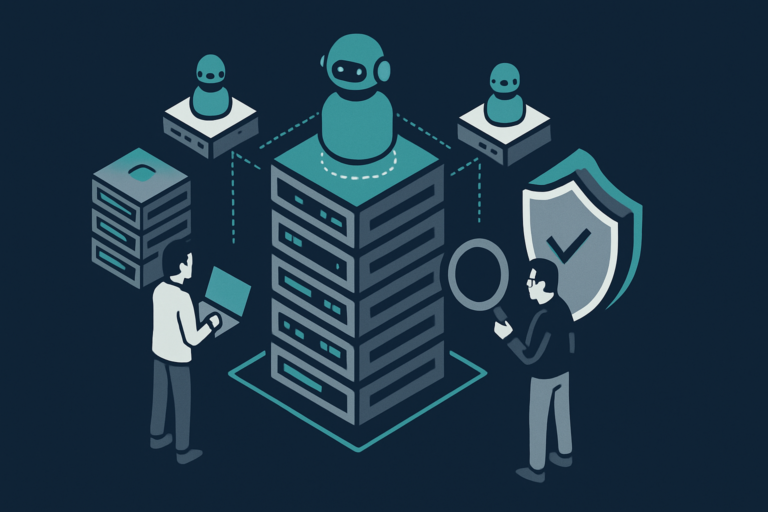
What’s happening: AI agents are poised to transform task automation, but deploying them at scale presents significant engineering challenges. While creating an AI agent is relatively easy, ensuring its consistent operation requires complex infrastructure, including servers, API management, and security protocols. Platforms like MyClaw aim to simplify this by offering a turnkey solution, but they may obscure critical issues related to state management and security that could lead to service disruptions.
Why it matters: For engineers and system architects, the shift towards platforms that promise “zero DevOps” raises concerns about the trade-offs between convenience and control. Relying on third-party solutions can expose organizations to risks if underlying systems fail or are compromised. Furthermore, the marketing of AGI often overshadows the practical engineering challenges, diverting attention from essential infrastructure needs that are crucial for successful AI agent deployment.
Our take: It’s essential for practitioners to maintain a critical perspective on the allure of zero DevOps solutions. Prioritizing robust infrastructure and security over vague AGI aspirations will be key to navigating the complexities of AI agent implementation.
Sciences
AI and Biology: Transforming Drug Discovery to Precision Engineering
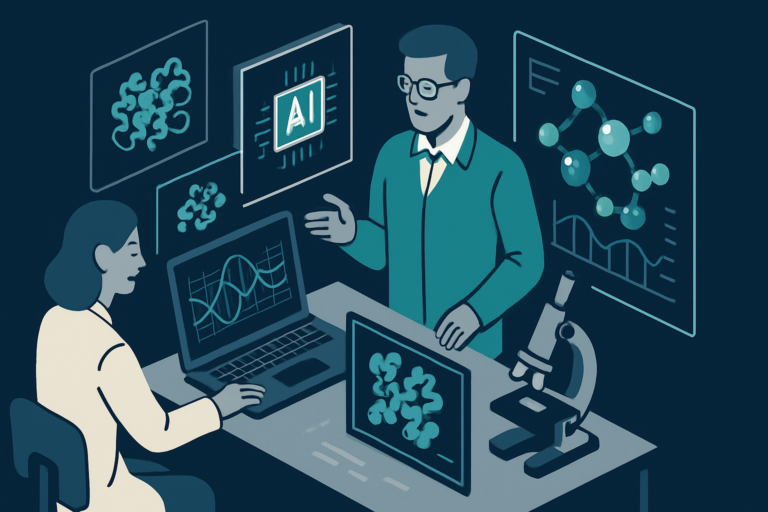
What’s happening: Vijay Pande has launched VZVC, focusing on a selective portfolio of AI-driven bio companies, shifting biology from a discovery science to an engineering discipline. This transition leverages AI, particularly generative models and large-scale omics data, to enhance drug discovery by designing biological systems with precision, moving away from traditional empirical methods. The goal is to reduce the time and cost of drug development while addressing the high failure rates in clinical trials, currently at 80% from Phase 1 to Phase 3.
Why it matters: The integration of AI into biology could streamline the drug discovery process, making it more efficient and effective. By optimizing clinical trial designs and improving patient population identification, the potential exists to significantly decrease costs and increase the success rates of new therapies. However, achieving these advancements hinges on the availability of high-quality, standardized data, highlighting the importance of open data initiatives in this evolving landscape.
Our take: The move towards treating biology as an engineering discipline could redefine the pharmaceutical industry, but it raises questions about the adequacy of current clinical trial infrastructures. Greater emphasis on data sharing is crucial, and without it, even the most advanced AI models may struggle to deliver on their promise.
Society
Autonomous AI Workers: A New Paradigm in Labor and Trust
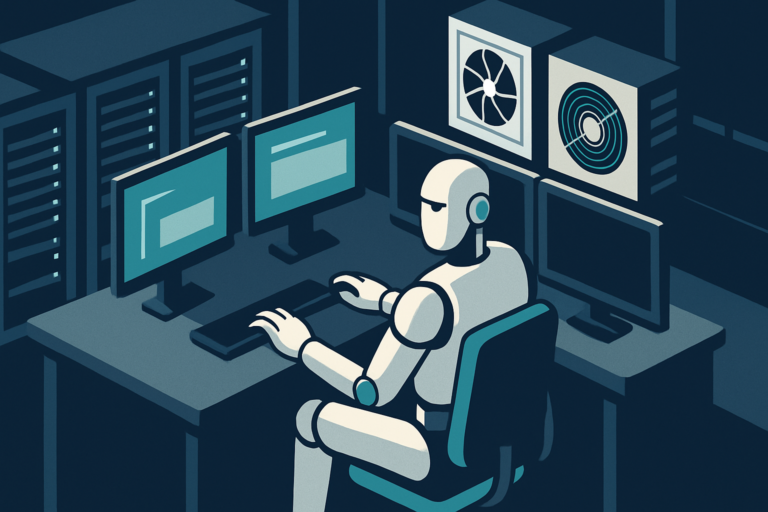
What’s happening: The rise of autonomous AI workers, exemplified by the Hermes Agent, marks a significant shift in labor dynamics. These AI systems can execute tasks independently, reducing the need for human oversight. Companies like Salesforce and IREN are thriving due to AI innovations, but this reliance on AI raises concerns about job security and environmental impacts, highlighted by the EPA lawsuit over hazardous chemicals in data centers.
Why it matters: The transition from AI as a tool to an autonomous worker challenges traditional employment models, potentially displacing jobs and concentrating power within a few tech giants. This shift may exacerbate inequality, as smaller firms struggle to compete without similar AI capabilities. Additionally, the environmental repercussions of expanding AI infrastructure demand urgent attention, as they complicate the narrative of technological advancement being solely beneficial.
Our take: While the efficiency gains from autonomous AI workers are undeniable, the broader implications for labor rights and market competition require immediate regulatory focus. Policymakers must prioritize retraining initiatives and ensure fair market conditions to foster innovation across the tech landscape.
Psychology
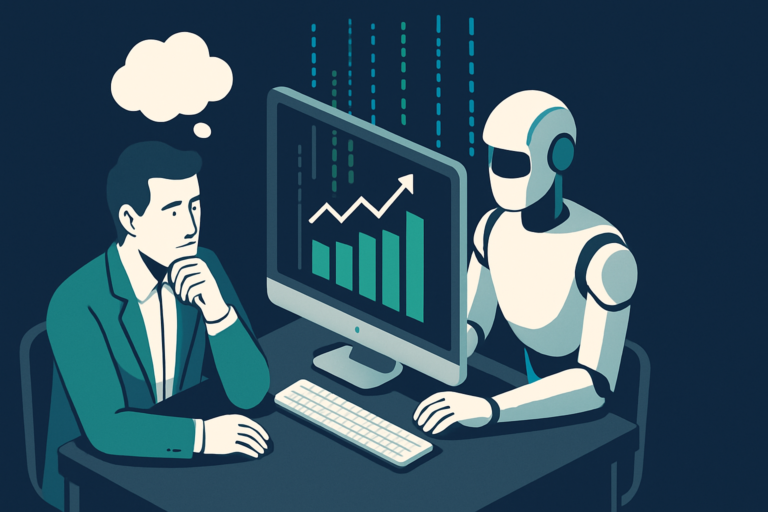
AI’s Influence on Human Thought: System 0 as a Cognitive Partner
What’s happening: AI is evolving from a mere tool to a cognitive partner, exemplified by the concept of ‘System 0.’ This external thinking system complements human cognition by processing large data sets and assisting in decision-making without interpreting meaning. As AI takes on more cognitive tasks, it invites a reevaluation of our interaction with technology in personal and professional settings.
Why it matters: The rise of System 0 could enhance decision-making efficiency, particularly in complex environments. However, it raises concerns about potential over-reliance on AI, which may erode critical thinking skills and alter interpersonal dynamics. As AI assumes more cognitive responsibilities, the fabric of human relationships and collaboration may shift, impacting trust and authenticity.
Our take: A balanced approach to AI integration is crucial. While leveraging AI’s capabilities, we must prioritize the development of human cognitive skills and ensure that AI systems are transparent and explainable, fostering a relationship that values both technological advancement and human insight.
That’s the digest for August 30, 2026.
Questions? Reach out at info@q52.ai.
q52.ai — Engineering Better Questions
