
Your daily briefing on AI, technology, economics, and society — from q52.ai.
Industry & Economics
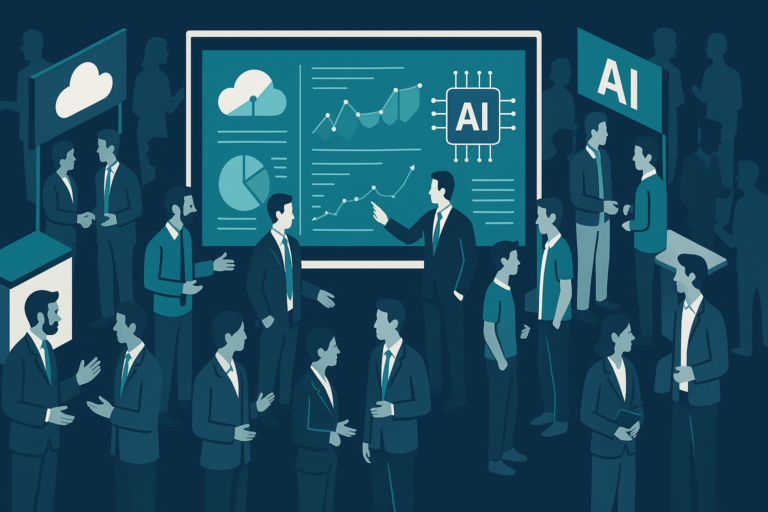
AI’s Economic Divide: The Growing Disparity in Cloud Computing Power
What’s happening: The competitive landscape of cloud computing is changing as companies like Meta Platforms Inc. enter the market to sell AI computing power, challenging established leaders such as Amazon Web Services and Microsoft Azure. This shift highlights a growing perception of AI as an economic asset rather than just a technological tool, but it also underscores the widening gap between larger firms that can afford AI investments and smaller enterprises that struggle with high adoption costs.
Key points:
- Meta is launching a cloud infrastructure business specifically for AI computing power, positioning itself against major players like Amazon, Microsoft, and Google.
- Firms like ELSAL Ventures are leveraging AI for land acquisition, showcasing its potential to improve decision-making and operational efficiency.
- High costs of AI adoption create barriers for smaller businesses, leading to unequal benefits across the economic landscape.
- The concentration of AI resources among a few tech giants risks exacerbating existing economic inequalities and solidifying their market power.
- The increasing demand for AI skills could lead to job displacement in traditional roles while simultaneously creating a demand for new positions that may be inaccessible to parts of the workforce lacking the necessary training.
Why it matters: The rise of AI-powered cloud services is reshaping the economic framework of technology and labor markets. As computational power becomes more concentrated, it not only enhances the capabilities of a few leading firms but also raises concerns about workforce polarization and the ethical use of AI technologies. Companies that invest in AI are likely to enhance productivity, but this could come at the cost of traditional jobs, further widening the economic divide and creating a two-tier labor market.
Our take: The article highlights a critical tension between the opportunities AI presents and the risks of inequality it generates. As AI becomes integral to business strategies, it is essential for policymakers and industry leaders to address the disparities in access and training to ensure a more equitable distribution of AI’s benefits across all sectors of the economy.
Tech & Engineering
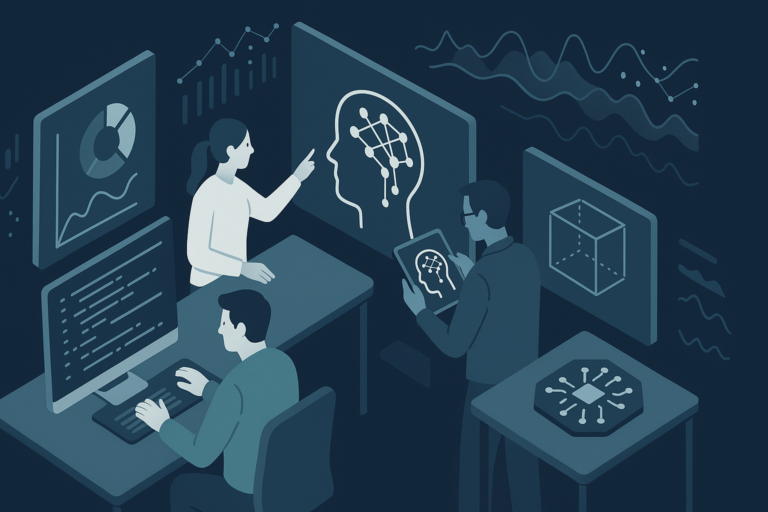
Rethinking AI-Driven Software Development Practices
What’s happening: Major industry players like Synopsys and DXC Technology are shifting from traditional software development practices to AI-driven models. This change is not just about new tools; it fundamentally transforms how software is designed and operated, with companies needing to adapt their workflows and security measures to accommodate these advancements.
Key points:
- Synopsys is phasing out traditional chip manufacturing software in favor of AI-driven design tools, reflecting a broader trend in the industry.
- DXC Technology has launched an AI-first Customer Experience Center in Bengaluru to foster collaboration and accelerate AI deployment across enterprises.
- Startups like Adronite are emerging, focusing on enhancing AI coding practices, contributing to a dynamic ecosystem where AI is central to software engineering.
- The integration of AI necessitates a reevaluation of existing engineering frameworks, moving away from static designs to more iterative and flexible workflows.
- As AI becomes integral to operations, organizations must address new security vulnerabilities and the hidden costs associated with AI-driven data pipelines.
Why it matters: The shift to AI in software development brings significant implications for engineering practices. Companies must rethink their methodologies to accommodate more agile workflows, while also enhancing their security postures to manage the new risks introduced by AI. Understanding the operational complexities and costs associated with AI-driven systems is crucial as organizations increasingly rely on AI for critical decision-making processes.
Our take: The transition to AI-driven software development signifies a fundamental shift that requires not just new tools but a complete transformation of engineering mindsets. Emphasizing continuous learning and AI literacy across teams will be essential to navigate the complexities and potential vulnerabilities introduced by this new paradigm.
Sciences

Wockhardt’s Zaynich: A Milestone in Antibiotic Development and AI’s Role
What’s happening: Wockhardt has achieved a significant milestone by receiving US FDA approval for Zaynich, India’s first homegrown new chemical entity antibiotic. This novel drug, which took nearly 30 years to develop, is crucial in combating drug-resistant infections, particularly those caused by Gram-negative bacteria, at a time when many pharmaceutical companies have stepped back from antibiotic research.
Key points:
- Zaynich is a dual-action intravenous antibiotic combining cefepime and zidebactam, specifically designed to target resistant bacteria.
- The development of Zaynich cost approximately $800 million, reflecting the extensive investment needed for antibiotic research amid declining global interest.
- AI played a critical role in the drug’s development, utilizing machine learning to analyze chemical compounds and biological interactions, which helped identify effective drug candidates faster.
- AI systems streamlined data analysis from preclinical trials, allowing for quicker iterations and improved prediction of the antibiotic’s behavior in biological systems.
- The approval of Zaynich may encourage further investment in antibiotic research, particularly from Indian firms, and highlights AI’s potential to transform drug discovery across various therapeutic areas.
Why it matters: The approval of Zaynich is not just a win for Wockhardt but also a beacon of hope in the fight against antibiotic resistance, a pressing global health crisis. As antibiotic development has become increasingly neglected, this milestone could inspire renewed investment and innovation in the field, particularly from emerging markets like India. Furthermore, the successful integration of AI in this process may set a precedent for future drug discovery methodologies, potentially leading to quicker and more effective treatments.
Our take: While Zaynich’s approval is a significant step forward, it also underscores the ongoing challenges in antibiotic research and the need for sustained investment. The reliance on AI, highlighted by this achievement, raises questions about the balance between technological advancement and the traditional methods of drug discovery, suggesting a need for a hybrid approach to tackle future health challenges.
Society

The Growing Disconnect: AI and the Erosion of Institutional Trust
What’s happening: Recent discussions at the UN Global Dialogue highlight a critical shift in our understanding of trust in institutions as it relates to AI governance. While there is a strong push for child safety and inclusive frameworks for AI deployment, the increasing opacity of AI systems threatens to undermine the very institutions designed to protect our rights, raising urgent questions about accountability and enforcement.
Key points:
- The proliferation of AI systems often operates in opaque ways, which erodes public trust in institutions meant to safeguard rights and values.
- The UN’s recent discussions emphasize the urgency of transparent and accountable AI governance, particularly regarding the protection of vulnerable populations like children.
- As AI begins to dictate outcomes in critical areas such as education, healthcare, and law enforcement, public disempowerment grows due to a lack of understanding of decision-making processes.
- There is a pressing need to address who participates in AI governance discussions, as marginalized communities often lack representation, risking a governance framework that overlooks diverse experiences.
- The call for child-centered governance is a positive step, but it requires a comprehensive approach that prioritizes transparency and accountability from both AI developers and regulatory bodies.
Why it matters: As AI becomes more embedded in everyday life, its effects on human interactions and institutional trust are profound. The reliance on algorithms for decision-making can alienate the public, especially when those systems prioritize efficiency over empathy. This growing disconnect can lead to a significant erosion of trust in institutions, particularly in contexts where vulnerable populations are at risk of harm from unregulated technologies. Effective governance structures are essential to ensure that the benefits of AI do not come at the cost of public safety and equity.
Our take: The conversation around AI governance is critical, but it must evolve beyond regulatory frameworks to incorporate a deeper understanding of power dynamics. The focus on child safety is commendable; however, without inclusive representation and a commitment to transparency, even well-intentioned initiatives may fall short in safeguarding the rights of all individuals.
Psychology

AI and the Evolution of Trust in Mental Health Support
What’s happening: Mental health support is increasingly being provided through artificial intelligence, especially via AI-driven chatbots and large language models like ChatGPT. As people turn to these tools for guidance, they often project trust onto them, raising concerns about the implications for traditional therapeutic relationships and individual agency.
Key points:
- Many users are seeking mental health advice from AI systems, despite these technologies not being specifically designed for sensitive applications.
- Trust in AI, particularly in mental health contexts, is shaped by ‘automation bias,’ where users may overlook the limitations of automated systems.
- Pre-deployment simulations are being used to refine AI responses, enhancing reliability but potentially creating a false sense of security among users.
- The reliance on AI can erode traditional therapeutic relationships, leading individuals to favor self-guidance over professional help.
- Heavy reliance on AI may diminish users’ self-perception and decision-making abilities, as they may defer to AI recommendations rather than develop their own coping strategies.
Why it matters: The increasing integration of AI in mental health support has significant implications for both the field of mental health and the individuals seeking care. As trust dynamics shift, there is a risk that users may prioritize convenience over the nuanced understanding that human therapists provide, potentially undermining their personal growth and emotional well-being. Understanding these dynamics is crucial for mental health professionals and technologists alike, as they navigate the evolving landscape of AI-assisted mental health care.
Our take: While AI can enhance access to mental health support, it is vital to maintain a balance between technological convenience and the irreplaceable value of human connection. As AI becomes more prevalent, stakeholders must ensure that users remain aware of the limitations of these systems to prevent over-reliance and preserve the integrity of human therapeutic relationships.
That’s the digest for July 08, 2026.
Questions? Reach out at info@q52.ai.
q52.ai — Engineering Better Questions
