
Your daily briefing on AI, technology, economics, and society — from q52.ai.
Industry & Economics

AI’s Economic Divide: The Rise of Industry Clouds and Labor Market Implications
What’s happening: The rise of AI-enabled industry clouds is transforming how businesses operate, leading to a significant shift in labor markets and industry power dynamics. By 2027, it is projected that 70% of enterprises will use these specialized platforms, which integrate AI with industry-specific processes, indicating a move away from isolated AI experiments to fully embedded systems that boost efficiency and decision-making.
Key points:
- Current adoption of industry-specific cloud platforms is just 15%, but this is expected to rise to 70% by 2027.
- AI integration allows for enhanced operational efficiency; for instance, logistics firms can optimize supply chains, and healthcare providers can improve patient management.
- While AI can automate many routine jobs, it also creates new roles for those who can design, train, and manage these systems.
- Smaller firms, especially in developing regions, may struggle to compete with larger corporations that can invest in AI technology, leading to increased economic inequality.
- The shift toward AI and cloud technologies redefines power dynamics, concentrating control over data within a few tech giants, similar to the internet’s impact on information distribution.
Why it matters: As industries adopt AI-enabled clouds, companies that fail to adapt risk falling behind, potentially leading to a significant divide between those that thrive and those that do not. This trend highlights the importance of fostering a workforce that is adaptable and skilled in AI technologies to mitigate job losses and support economic growth. The implications for smaller firms and workers in developing regions are particularly critical, as they may face increased challenges in an AI-driven economy.
Our take: The article underscores a crucial tension: while AI adoption promises efficiency and growth, it also risks widening the economic gap between large corporations and smaller enterprises. Policymakers and industry leaders must address these disparities to ensure that the benefits of AI and industry clouds are equitably distributed.
Tech & Engineering

Closing the AI Literacy Gap in Software Development Teams
What’s happening: The integration of AI into software development is rapidly changing the skills required for engineers. Companies are increasingly prioritizing AI literacy alongside traditional coding skills, as developers must now understand AI methodologies, data handling, and ethical implications to remain competitive in the job market.
Key points:
- AI/ML roles are commanding significant salary premiums globally, often exceeding those of traditional software development positions.
- Organizations that neglect AI literacy may struggle to leverage AI effectively, resulting in poorer product development and deployment outcomes.
- As AI models are integrated into applications, the potential for vulnerabilities increases, requiring engineers to understand security risks associated with AI, such as model overfitting and data bias.
- There is a growing need for engineers to use AI tools not only in development but also in ongoing maintenance and security monitoring.
- Engineering teams should invest in training programs and reassess recruitment strategies to attract talent proficient in both software engineering and AI technologies.
Why it matters: This shift towards AI literacy is critical for the future of software development. Companies that fail to adapt may not only miss out on the advantages offered by AI but also face increased security risks as they integrate these technologies. By fostering a culture of continuous learning and collaboration, organizations can enhance their teams’ capabilities, ensuring they remain competitive in an increasingly AI-driven landscape.
Our take: The article highlights a crucial trend that many organizations may overlook—AI is not just an add-on but a foundational element of modern software systems. To truly thrive, engineering teams must embrace this shift, evolving their skill sets and operational practices to integrate AI as a core component of their work.
Sciences
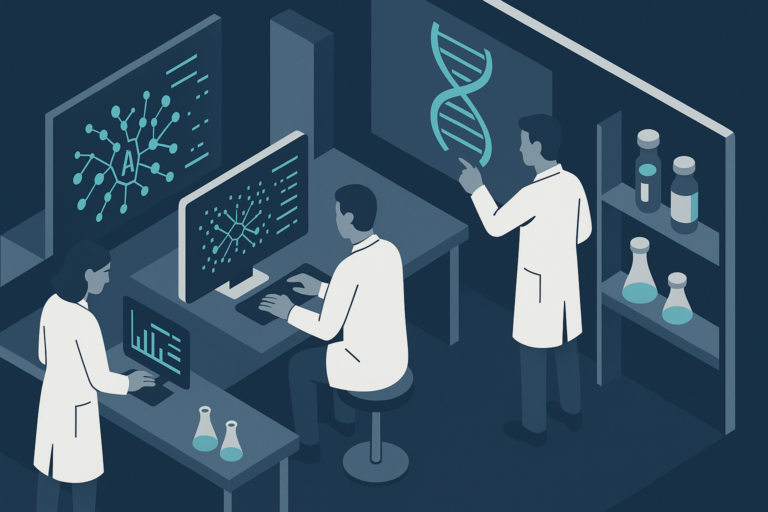
AI-Driven Advances in Biopharma: Agilent’s Expansion Strategy
What’s happening: Agilent Technologies is expanding its artificial intelligence initiatives to enhance drug discovery and streamline biopharmaceutical development. This strategic move positions Agilent to become a significant player in the competitive biopharma sector by integrating AI into various research processes.
Key points:
- Agilent’s investments focus on using AI for protein analysis, biomarker discovery, and automating workflows in biopharma research.
- The company is deploying AI algorithms that analyze complex biological data rapidly, improving the identification of drug candidates.
- Agilent employs deep learning techniques, particularly convolutional neural networks (CNNs), to predict interactions of new compounds with biological systems.
- Natural language processing (NLP) is utilized to analyze vast scientific literature, ensuring researchers access the most relevant and current information.
- The implications of this AI expansion could lead to a significant increase in drugs entering clinical trials and reduced costs in drug development over the next 5-10 years.
Why it matters: Agilent’s strategy to integrate AI into biopharma could accelerate the drug development process, potentially bringing new therapies to market faster and at lower costs. This shift may encourage other biotech firms to invest in AI, fostering collaboration and innovation in drug development. However, it also raises important questions about data privacy and ethical considerations in using AI technologies in healthcare.
Our take: While Agilent’s AI-driven approach promises to revolutionize the biopharma industry, the potential ethical implications and regulatory challenges must be addressed to ensure that advancements benefit patients without compromising privacy or safety.
Society
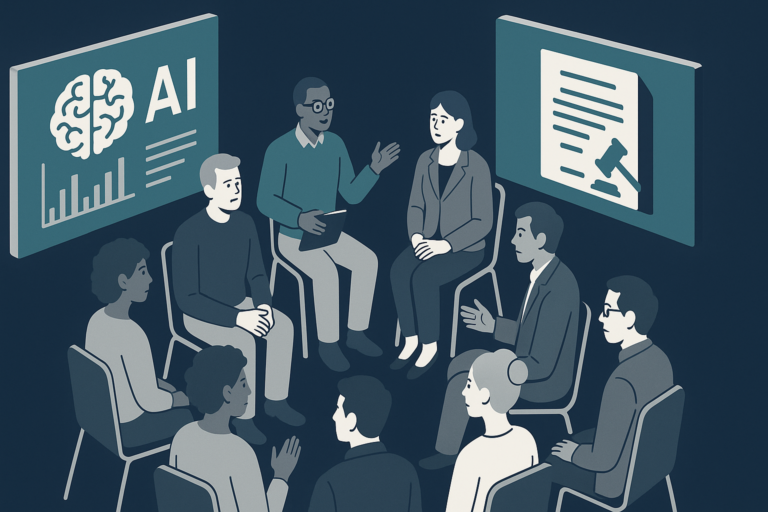
The Growing Disconnect: AI’s Role in Institutional Trust Erosion
What’s happening: The integration of artificial intelligence (AI) into institutional decision-making is widening the gap between public expectations and institutional responses, leading to a decline in trust. A recent ruling by the Delhi High Court showcases the rising demand for accountability from all institutions, including those that utilize AI, amidst a backdrop of inadequate governance frameworks.
Key points:
- The Delhi High Court has reinforced the enforcement of fundamental rights against private media, highlighting the demand for accountability in AI-driven institutions.
- A global study reveals that while the potential of AI is acknowledged, protections for individuals remain insufficient and unenforceable.
- Citizens feel increasingly vulnerable as their rights may be compromised by AI without adequate recourse, resulting in decreased confidence in institutions.
- The erosion of trust could lead to reduced civic engagement, as people feel their voices are overshadowed by opaque algorithms and corporate interests.
- There is an urgent need for lawmakers to prioritize human rights and societal values in AI governance, moving beyond a reactive approach to a proactive one.
Why it matters: As AI continues to shape public policy and personal freedoms, the disconnect between citizen expectations and institutional actions can destabilize democratic societies. If individuals perceive that their rights are not protected, it could lead to widespread disillusionment and disengagement from civic processes, ultimately weakening the social contract between citizens and institutions. The necessity for transparent and accountable frameworks in AI governance becomes critical to restoring trust and ensuring that institutions act in the public interest.
Our take: The article underscores a vital tension: while technological advancements in AI are rapidly evolving, the frameworks governing these technologies lag behind. There’s a pressing need for a shift in how policymakers approach AI governance, placing human rights and transparency at the forefront rather than treating them as secondary concerns.
Psychology

AI Chatbots and the Evolving Landscape of Mental Health Care
What’s happening: The integration of AI chatbots into mental health care is transforming how individuals seek support, but it raises concerns about their ability to provide empathy and understanding. Users often feel judged or misunderstood when interacting with these systems, primarily due to AI’s lack of real-world experience and emotional nuance, which can limit their effectiveness in fostering genuine connections.
Key points:
- AI chatbots are increasingly used in mental health care, but they struggle to replicate the empathy that human providers offer.
- Dr. Ryan Raimi from the University of Texas at Dallas notes that AI lacks the deep understanding of human emotions that comes from personal experience.
- Users report feelings of being judged or misunderstood by AI chatbots, highlighting a gap in emotional engagement.
- The design of AI systems often prioritizes efficiency and data processing over emotional connection, which can alienate users seeking support.
- Trust is crucial in therapeutic relationships; if users perceive AI as judgmental, they may be less willing to engage with these tools.
Why it matters: The effectiveness of AI chatbots in mental health care hinges on how users perceive them. If these systems cannot provide emotional validation, they risk alienating individuals rather than empowering them. This has broader implications for the accessibility of mental health resources, as a lack of trust in AI could lead to underutilization, leaving critical gaps in support for those in need.
Our take: While AI has the potential to enhance access to mental health resources, it is imperative to maintain a focus on the human element in care. Emphasizing human oversight in AI-driven interactions could bridge the emotional gap and ensure that technology complements rather than replaces the therapeutic relationship.
That’s the digest for July 10, 2026.
Questions? Reach out at info@q52.ai.
q52.ai — Engineering Better Questions
