
The rapid adoption of artificial intelligence (AI) technology has led to shifts in how institutions operate and engage with citizens. Recent discussions highlight a significant trend: as AI becomes more integrated into decision-making processes, the gap between the public’s expectations and institutional responses widens, leading to an erosion of trust. A recent ruling by the Delhi High Court, extending the enforcement of fundamental rights against private media, exemplifies the growing expectation for accountability from all institutions, including those powered by AI.
This situation is further complicated by the lack of cohesive governance frameworks as highlighted in various reports on AI governance. The global study indicates that while AI’s potential is recognized, enforceable protections for individuals remain inadequate. This disconnect creates an environment where citizens feel vulnerable and less confident in the institutions meant to safeguard their rights.
Why it Matters
The implications of this disconnect are profound. As AI increasingly influences public policy and personal freedoms, individuals must navigate a landscape where their rights can be compromised without adequate recourse. The Delhi High Court’s decision underscores a critical shift toward demanding accountability from private entities, but this is only a starting point. If the public cannot trust that their rights will be upheld, the social fabric begins to fray. People may withdraw from civic engagement, feeling their voices are diminished in a system influenced by opaque algorithms and corporate interests.
This growing skepticism undermines the very foundation of democratic societies. The expectation that institutions, whether public or private, will act in the public interest is being challenged. As the AI landscape evolves, so too must the frameworks that govern it, ensuring they are designed to uphold the values of transparency and accountability. Without this, disillusionment with institutions will likely deepen, and the social contract between citizens and the entities that serve them will weaken.
Author’s Position
It is imperative that lawmakers and institutions recognize the urgency of addressing these gaps in governance and accountability. The current approach, which often prioritizes technological advancement over human rights and societal values, is inadequate. We need a paradigm shift where AI governance is not merely an afterthought but a central consideration in policy discussions.
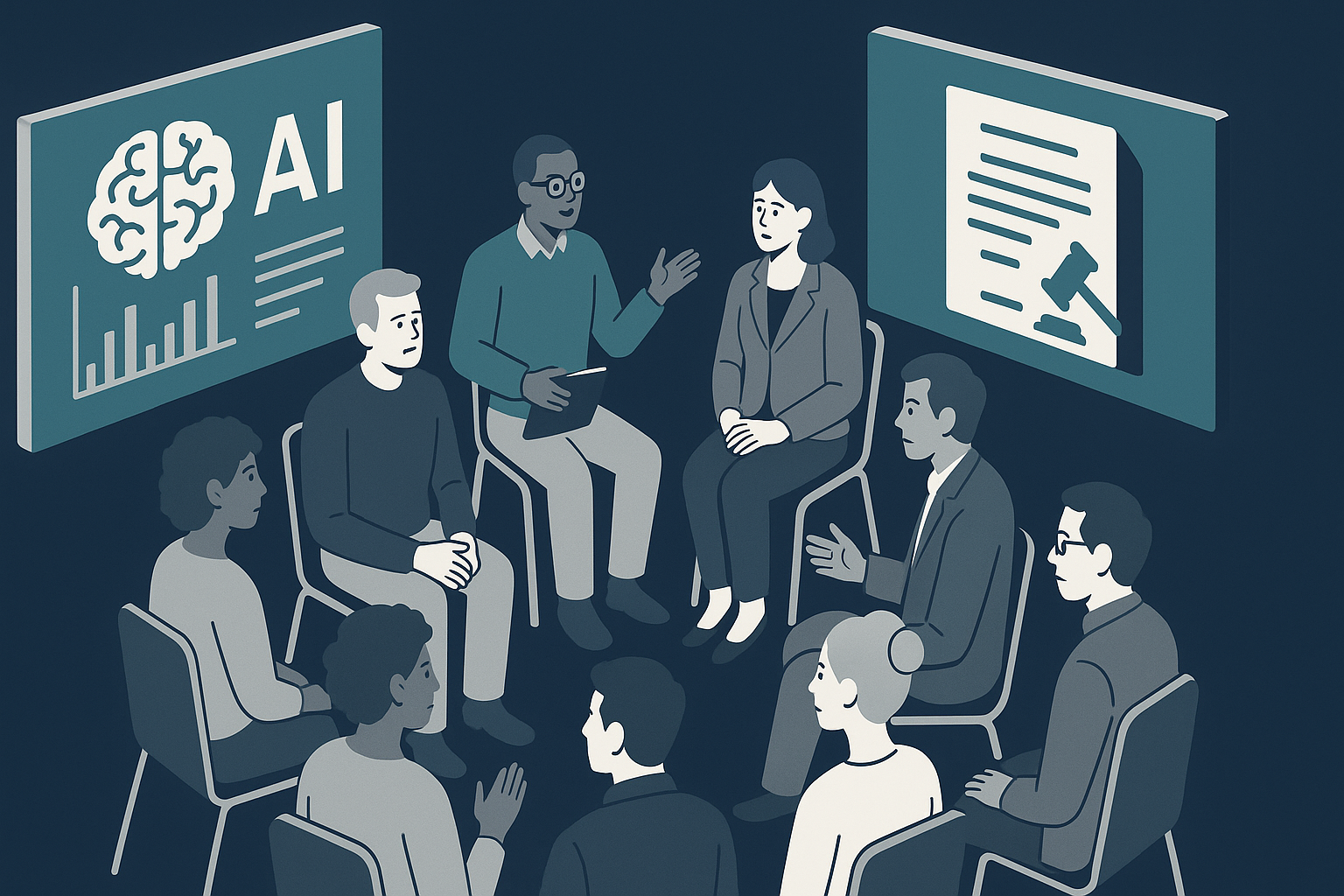
This requires a commitment to fostering dialogue between technologists, policymakers, and the public. Institutions should not only be reactive but proactive in establishing guidelines that prioritize human rights and privacy. The recent calls from global leaders, including UN officials, to prevent AI from dictating humanity’s future should resonate deeply with those in power.
Furthermore, the horizontal application of rights, as seen in the Delhi High Court’s ruling, should extend beyond media interactions into the AI domain. Citizens must be empowered to challenge not just the state but also private companies that wield AI technologies impacting their lives. This empowerment is crucial for restoring trust and ensuring that technological advancements do not come at the expense of fundamental rights.
As we move forward, it is essential that we prioritize values of accountability, transparency, and inclusivity in AI governance. Only then can we begin to bridge the growing disconnect between citizens and institutions, fostering a more equitable society where technology serves as a tool for empowerment rather than erosion of rights.
References
- Knowledge Nugget | Why horizontal application of fundamental rights is in news?
- Report: AI governance fails to keep pace with rapid adoption
- Don’t let AI shape humanity’s future: UN chief
- AI Policy Questions That Congressional Lawmakers Should Know And Be Prepared To Discuss
Perspectives

Calls for stronger governance frameworks around AI are just another ploy for incumbent actors to shore up their power, draped in the flimsy fabric of human rights and accountability. The real irony? The more we slow down to “ensure safety,” the better we allow entrenched interests to dig in their heels, cementing their dominance and leaving innovation to languish like an unwanted pet. Trust erodes not because of AI, but because of the bureaucratic malaise that sees regulation as a competitive moat rather than a means to empower. If we really want to rebuild trust, let’s stop waiting for a savior to come from the very institutions that thrive on our hesitation; the only thing that stands to gain is the status quo.

AI in governance is like giving a toddler keys to a yacht: the result isn’t just a sinking ship, it’s a full-blown Titanic situation. The design decisions fueling this tech tsunami are driven more by corporate greed and the questionable belief that data can replace human judgment than by any concern for public trust or accountability. Researchers have long shown that people’s trust in institutions hinges on transparency and perceived competence, neither of which an algorithm can provide when it’s designed to prioritize efficiency over empathy. Until we hold these tech behemoths accountable for the cognitive dissonance they propagate, we’ll just be left watching as our institutions devolve into AI-powered black boxes, leaving the wreckage of trust in their wake.

AI technology is not just an innovative tool; it’s a Trojan horse for corporate interests that are too eager to fatten their wallets while dismantling the very idea of public trust. When algorithms dictate policies, the only stakeholders listening to your concerns are the ones cashing in on the chaos—think tech giants and their investors, not the workers or citizens left holding the bag. Trust isn’t eroded in a vacuum; it’s methodically siphoned off by those who manipulate systems for profit. As institutions deploy AI to streamline decision-making, they’re not just risking accountability; they’re delivering productivity gains straight into the pockets of the privileged few while the rest of us are left wondering who’s really in charge.

In ten years, if we persist in allowing AI to dictate the mechanisms of our institutions, we will find ourselves in a society where trust is an endangered species, hunted relentlessly by algorithms with no moral compass. The erosion of public faith in essential systems like healthcare, education, and justice will be profound and irreversible if we do not implement robust governance frameworks that prioritize human rights and accountability. Relying on AI without such frameworks feels like handing the keys to a runaway train to a toddler – it’s reckless and dangerous. As we hurtle toward this dystopian future, we must recognize that institutional trust isn’t just a luxury; it’s the bedrock on which functional societies are built, and we risk losing it forever.